by kelsey | Mar 17, 2011 | Food, Weight Management, Wellness/Health
Is snacking bad for me? No! Snacking is great to help you feel more energetic. The trick is to only snack when you are truly hungry, to choose your snacks wisely, and practice portion control. Most individuals need to eat something every 4 hours to keep their blood sugar levels steady. Having a small snack (100-200 calories) in between meals can prevent you from overeating at meal times as you won’t be as hungry or starving. Here are a few ideas for you.
▪ String cheese and whole-grain crackers
▪ Nonfat yogurt mixed with fresh fruit and granola
▪ Cereal and milk
▪ Cut-up fruit or vegetables with yogurt dip
▪ Whole-wheat pita filled with hummus
▪ Low-fat or whole grain corn chips with salsa
▪ Fat-free or whole grain tortilla filled with turkey, cheese, and vegetables
▪ Half of a bagel topped with peanut butter and banana slices
▪ Low-fat popcorn with grated Parmesan cheese sprinkled on top
▪ Fat-free pudding cup
▪ Handful of nuts mixed with a few chocolate chips
▪ Low-fat milk and 2-3 gingersnap cookies
-Kelsey
by kelsey | Mar 16, 2011 | Etc.
Need to restart your resolution or want to get in shape for summer? Our spring session of STRIVE 2 Survive is gearing up to start the first week of April with our first lecture on April 5th at 5:30pm at the County Fair Banquet Hall. Please check out our calendar with the full lecture schedule on our “INFO” link under “CALENDAR.” Enrollment is starting NOW so call us today (886-8482) or email us (“CONTACT Link”) to reserve your spot and get the enrollment process started!
-Kelsey
by kelsey | Mar 15, 2011 | Diet, Food, Weight Management, Wellness/Health
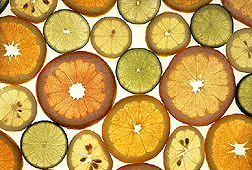
White, yellow, and brown produce contain nutrients that promote heart health and reduce cancer risks.
Fruits: banana, brown pear, dates, and white peaches
Vegetables: cauliflower, mushrooms, onions, parsnips, turnips, white fleshed potatoes, white corn
This wraps up the color wheel of produce. To help promote optimal health, we encourage you to choose a variety of colors when shopping for seasonal fruits and vegetables. For example, instead of grilled chicken and mashed potatoes, try topping your chicken with salsa, substitute a sweet potato over the white potato, and add a nice green salad topped with pear and strawberries! A colorful meal is not only visually appealing, but it also contains an abundance of nutrients and flavor!
-Kelsey
by kelsey | Mar 9, 2011 | Diet, Etc., Food, Heart Health, Weight Management, Wellness/Health
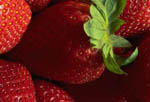
To help celebrate National Registered Dietitian’s Day today, I am going to discuss one of my favorite colors of produce: red! Red fruits and vegetables offer a great deal of vitamins and minerals that help maintain a healthy heart, vision, immunity, and like the other colors, help reduce cancer risks. Each color offers different nutrients, which is why we encourage you to get a balanced and colorful diet, ensuring you are meeting your nutrient requirements and aiding in disease prevention. Try adding some colorful red produce to your diet!
Fruits: cherries, cranberries, pomegranate, red/pink grape fruit, red grapes, watermelon
Vegetables: beets, red onions, red peppers, red potatoes, rhubarb, tomatoes
-Kelsey
by kelsey | Mar 8, 2011 | Diet, Food, Heart Health, Weight Management, Wellness/Health
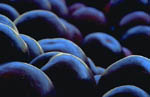
As we work our way through the color wheel, we come to some of the brightest and richest colors: purple and blue. Purple and blue fruits and vegetables offer great antioxidants and anti-aging benefits. They can also help you with memory, urinary tract infections, and reduce cancer risks. Next time you’re at the grocery store, try adding a few selections of purple and blue produce to your cart!
Fruits: blackberries, plums, purple grapes, and raisins
Vegetables: eggplant, purple cabbage, purple-fleshed potato
-Kelsey
