by kelsey | Apr 9, 2014 | Cooking Tips, Diet, Eating Out, Food, Weight Management, Wellness/Health
Thanks to our viewer Jill for this requested topic! If you have any nutrition or activity topics you’d like us to discuss on here, please contact us! We’re always open to ideas! -Kelsey
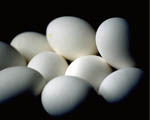
These days eggs have been mis-perceived as a forbidden food, why is this? Eggs contain cholesterol, a type of fat made naturally in the body or found in animal produced foods, used by the body to keep us healthy. There are two types of cholesterol: “good” and “bad.” Low-density lipoprotein, or LDL, is known as “bad” cholesterol. High-density lipoprotein, or HDL, is known as “good” cholesterol. Too much of one type, or not enough of another can put you at risk for coronary heart disease, heart attack, or stroke. Depending on the size of the egg, one yolk contains about 185-215mg of cholesterol; the whites of the egg do not contain cholesterol. Today’s research shows that one egg yolk a day is fine for most healthy people, as long as their total cholesterol intake is 300 milligrams a day or less. For people at risk or diagnosed with heart disease, consuming less than 200 mg per day of cholesterol may be of further help to decrease significant health risks. The American Heart Association suggests for people with heart disease to consume no more than 2-3 eggs a week, substituting egg whites or cholesterol-free eggs as they choose.
Other benefits of eggs include: one large egg has just 70 calories; it is a good source of protein and vitamins A and D, B complex vitamins, and phosphorus. Eggs also supply lutein and zeaxanthin, which can help promote good eyesight.
Written by Shelby Johnson, USD Dietetic Intern
by kelsey | Apr 3, 2014 | Cooking Tips, Diet, Food, Weight Management

Recently, our friends at County Fair Foods implemented the NuVal scoring to all of their foods. This is an awesome program that really helps make label reading easy. NuVal is a nutritional scoring system that uses information on the nutrition facts panel and ingredient list to create a score of overall nutrition. The best score is 100 and the worst is zero, so the higher the number, the better. The score can be found on the left side of the label in a hexagon shape. If you look at the picture of the carrots label, the price is on the right ($5.98) and the NuVal score is 67, which is found on the left. The NuVal score examines all content including vitamins, minerals, fat, cholesterol, sodium, sugar, and calories to come up with the total score. We still encourage you to take the time to read the label to help you make a good choice, but the NuVal system can be used to compare products and make label reading a bit easier! I particularly like to use the NuVal scores in the granola bar, cereal, and bread aisles to help me compare products and choose a better one. Next time you visit County Fair Foods, be sure to take a look at the NuVal scoring and start using it to help you make better choices!
-Kelsey
by kelsey | Apr 2, 2014 | Cooking Tips, Diabetes, Diet, Food, Weight Management, Wellness/Health
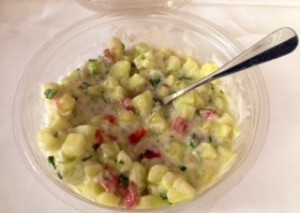
Every Tuesday we meet at the County Fair Banquet Hall for STRIVE 2 Survive, County Fair Foods supplies treats for us. I have to be honest, it’s one of my favorite parts of the lecture as I am always curious to see what new foods they’ll have us try! They have had some really great healthy and low calorie recipes lately so I couldn’t resist sharing!
The above picture is “Crisp Cucumber Salsa”
2 cups finely chopped seeded peeled cucumber
1/4 chopped red onion
1 jalapeno pepper, seeded and chopped
1 garlic clove, minced or pressed
1-1/2 tsp lemon juice
1/4 tsp ground cumin
1/2 cup finely chopped seeded tomato
2 Tbsp minced fresh parsley
4-1/2 minced fresh cilantro
1/4 reduced fat Greek yogurt (can use this instead of sour cream)
1-1/2 tsp lime juice
1/4 seasoned salt
In a bowl combine the Greek yogurt, lemon juice, lime juice, cumin, and seasoned salt. In another bowl, combine the other ingredients. Pour the liquid mixture over the cucumber mixture and toss gently to coat. Serve immediately with baked tortilla chips. Note- 1/4 cup is only 16 calories! If it’s too spicy, you can eliminate the jalapeno.

Low Fat Pumpkin Chocolate Chip Muffins
2 cups whole wheat flour
1 tbsp baking powder
1/2 tsp baking soda
1/2 tsp ground nutmeg
1/2 cup water
1/2 cup packed brown sugar
1 tsp ground cinnamon
1/2 tsp salt
1 (15 oz) can solid packed pumpkin
1/2 cup chocolate chips
Preheat oven to 375 degrees. Line 12 muffin cups with paper liners. Whisk whole wheat flour, brown sugar, baking powder, cinnamon, baking soda, salt, and nutmeg in a large bowl. Stir pumpkin and water into dry ingredients, mixing until just moistened; folk in chocolate chips. Spoon batter into prepared muffin cups, filling them to just below the tops. Bake in the preheated oven until lightly browned and tops of muffins bounce back when pressed lightly, 25-30 minutes. Let muffins cool in pans for 5 minutes until removing to a wire rack to cool completely.
Nutrition information: servings per recipe: 12
Calories: 150 Total Fat: 2.6g Sodium: 323mg Total Carbs: 31g Dietary Fiber: 4g Protein: 3.5g
We also had excellent treats last week, but I didn’t get pictures. Here are the recipes for you try. They are excellent!
Angel Food Dessert
1 sugar free angel food cake, cubed
1 package sugar free vanilla pudding
1 package sugar free strawberry jello
1-16oz cool whip
fresh strawberries, sliced
Mix jello according to package. Also mix pudding according to package. Cube angel food cake. Put in pan in layers. Angel food cake first, then pour jello over, then pour pudding over, and then put cool whip on top. Lay sliced strawberries on top of cool whip and refrigerate over night covered.
Garden Fresh Cottage Cheese Salad
1 container 1% cottage cheese
1 cucumber cubed
1 regular tomato cubed
1 package Good Seasoning Italian dressing
Mix together and put in refrigerator for a few hours before serving.
All of these ingredients for these products can be found at our County Fair Food Store. Enjoy!!
-Kelsey
by kelsey | Mar 27, 2014 | Cooking Tips, Diet, Food, Goals, Heart Health, Weight Management, Wellness/Health
The Academy of Nutrition and Dietetics’ website www.eatright.org always has a variety of educational tips and information for the public. I was browsing their topics and their article titled “Eating Right isn’t Complicated” really caught my eye. Poor eating habits are often blamed on time restraints, lack of money, food preferences, etc….but in reality healthy eating doesn’t need to be complicated! There is a link in this article to a PDF graphic that shows the following statistics:
- 82% don’t want to give up the foods they like in order to eat healthier.
- 68% don’t eat fruits or vegetables at least twice a day.
- 62% have no time to track their diet in order to eat healthier.
- 60% juggle both work and family and prefer to prepare their meals in 15 minutes.
- 36% have no leisure time for physical activity.
Do any of these statements relate to you? I’m sure at least a few do as they are the majority of the population! Healthy eating does not need to be complicated and we can all do it, it just may mean changing your way of life a bit to improve things. Here are some suggestions:
- Aim for a healthy plate that includes fruit, vegetables, whole grains, lean proteins, and low-fat or fat-free milk.
- Make sure your diet is low in saturated fats, trans fats, cholesterol, salt (sodium) and added sugars.
- Make the most of your calories. Think of your body like a temple… you want to put the best things into your body much like you would a temple so make healthy choices that will keep your body healthy. These choices should be packed with vitamins, minerals, fiber, and other healthy nutrients, yet lower in bad fats and calories.
- Focus on variety! Include a variety of colors in your diet to help you get a variety of nutrients. Pay special attention to the produce that is in season, this will not only help your budget, but keep your intake varied.
- Become a label reader! Take some time to read the labels and look for serving size, calories, fat, sodium, sugars, etc to help you make a better choice.
- You have heard me say all of these things before, so how do you make it easy? Planning and determination. Take some time each week to plan out your meals or at least have a basic plan for what you will be eating. Do some prep work to make it go faster during the work week. You can brown up your lean hamburger, slow cook some chicken breasts, make a pork loin, etc on the weekend so that you at least have a few steps completed to a making a healthy and quick meal. Frozen steamer bags of veggies and canned veggies are quick to prepare and add to a meal and/or you can always keep some raw veggies on hand to add them to your meal, such as carrots and broccoli with a little low fat dip. Instead of buying white grains, purchase whole grains and instead of buying fatty, processed meats, only choose lean meats. These simple substitutions paired up with planning should make healthy eating easy!
- Throw out the excuses! Don’t let those excuses hinder you and your family from being healthy. Watch the sales and take small steps to improving your health. Earlier this week, we had porkchops, green beans, and wild rice for a meal. The total cost of the meal was under $5 for each of us. We just have to change our way of thinking about healthy eating and activity and not let the excuses get in the way of living a healthy life! You can do this!
For more information on this, you can check out the Eat Right’s article at: http://www.eatright.org/Public/content.aspx?id=6442473735
-Kelsey
by kelsey | Mar 20, 2014 | Cooking Tips, Diet, Eating Out, Food, Weight Management

Last year during Lent, I posted a comparison chart for fish selections at fast food restaurants. Since we’re now in the middle of Lent, I thought it was worthy of re-posting. Many of you are eating more fish right now than you ever do due to the Lenten season. All of the fish sandwiches you get at fast food restaurants are breaded and fried, but how to do know what’s better than others? I did a little research for you to help you make better choices. When you look at the chart below, please take note of the calories, total fat, saturated fat, trans fat (the only place that has trans fat is Culvers), sodium (recommended to stay below 2400mg/day), and cholesterol (recommended to stay below 300mg/day). The carbohydrates are coming from the bun and a little from the breading and can easily be dropped by taking off half of your bun. Other important things to note is that holding the tarter sauce can save you about 100 calories and 5-10g of fat. Another healthy choice would be to get a side salad, instead of fries with the sandwich. The best choices are the McDonalds Filet of Fish, no tarter sauce or Taco John’s Fish Taco, no sauce. Even better than eating out, would be to make your fish at home like my picture of grilled shrimp above. Choose healthy cooking methods such as baking, broiling, or grilling…try to avoid frying and incorporate some great vegetables with your fish for a well-balanced meal!
-Kelsey
Nutrient Comparison
References: restaurant’s websites, calorieking.com, and myfitnesspal.com.
|
Nutrition Facts |
|
|
|
|
|
|
|
|
| Food Item |
Calories |
Total Fat |
Sat. Fat |
Trans Fat |
Cholesterol |
Sodium |
Total Carbs |
Fiber |
Sugar |
Protein |
| McDonalds Filet of Fish |
380 |
18g |
3.5g |
0 |
40mg |
610mg |
39g |
2g |
5g |
16g |
| *McDonalds Filet of Fish-No Tarter |
290 |
9g |
2g |
0 |
30mg |
530mg |
38g |
1g |
5g |
15g |
| Burger King Fish Sandwich |
590 |
31g |
5g |
0 |
45mg |
1480mg |
57g |
3g |
8g |
21g |
| Burger King Fish Sandwich-No Tarter |
410 |
12g |
2g |
0 |
30mg |
1240mg |
53g |
3g |
6g |
21g |
| *Taco Johns Fish Taco |
280 |
14g |
4.5g |
0 |
35mg |
1160mg |
29g |
2g |
3g |
10g |
| Arby’s Fish Sandwich |
570 |
25g |
4g |
0 |
45mg |
1010mg |
64g |
2g |
9g |
21g |
| Arby’s Fish Sandwich-No Tarter |
450 |
15g |
2.5g |
0 |
35mg |
730mg |
59g |
2g |
6g |
21g |
| Culvers Cod Filet |
663 |
40g |
7g |
1g |
76mg |
979mg |
47g |
1g |
5g |
31g |
| Culvers Cod Filet-No Tarter |
|
553 |
27g |
5g |
1g |
58mg |
877mg |
46g |
1g |
5g |
31g |
| Culvers 3 piece Cod Dinner |
1929 |
132g |
22g |
2g |
196mg |
2444mg |
108g |
8g |
18g |
75g |
| Culvers 3 piece Cod Dinner-No Tarter |
1553 |
96g |
16g |
2g |
148mg |
2172mg |
106g |
8g |
18g |
75g |
|
|
|
|
|
|
|
|
|
|
|

by kelsey | Mar 19, 2014 | Cooking Tips, Diet, Food, Weight Management
Fish is not the most popular protein in our area since we are a land locked, northern state. Our mid-western diet typically includes proteins from beef, chicken, and pork…and fish often gets overlooked. During the Lenten season, it’s a good time to try out some new varieties and types of fish as they are better stocked and often times are better priced (ie- salmon, mahi-mahi, talapia, etc). The frozen bags of fish often have the filets in individual servings or two servings in a wrap so you can just take out as much as you need and then put the rest of the bag back in the freezer. Fish is a very lean and low fat protein so if you are watching your weight, it’s a good choice. Another benefit of some types of fish is the omega 3 fatty acids. Fatty fish such as herring, trout, tuna, mackerel, seabass, and salmon have these good fats. Our fresh water fish from around here such as walleye, northern, and perch, do not have these fats, however they are still lean proteins. It is recommended to incorporate two servings of fish into your weekly intake, so get into the habit of this during Lent and it could stick!
When we eat fish, we often think of it as breaded and fried, however that is not the healthiest choice. Instead of frying try these cooking methods:
- Grill: Season the fish with herbs and spices and a little lemon juice (from real lemons!). Lightly brush the fish with a little olive or canola oil so it won’t stick to the grill and cook for 10-20 minutes. The picture shows one of my favorites: grilled shrimp.
- Saute: You can saute any type of skinless fish. Again, season as desired and then heat a little olive or canola oil in the skillet on medium-high. Cook the fish for 2-3 minutes on both side.
- Poach: Place the fish in a saucepan or deep skillet and add enough stock, water, or wine to barely cover the fish. Add your seasonings, herbs, or spices and bring the liquid to a simmer on medium heat. Simmer for 10 minutes or until the center is opaque. Then you can dress it up with a sauce if desired.
- Bake: lightly coat a baking sheet with cooking spray and arrange the seasoned fish fillets on the sheet with seasoning. Bake for 7-10 minutes…you do not need to flip the fish. You can also put the fish filet in tin foil so the seasonings and herbs really flavor the fish.
- Broil: season the fish filet and brush with olive oil. Place on a broiler pan rack and broil 4-6 minutes on each side.
- If you choose to fry, try making it a little healthier by using an egg white to coat your filet, use canola oil to fry in, and instead of the white flour coating, try whole grain cracker or bread crumbs.
- When your fish is opaque and flakes easily, your fish is fully cooked.
Give it a try…you may be surprised how much you like it!
-Kelsey
