by kelsey | May 13, 2014 | Diet, Food, Weight Management, Wellness/Health

Another reader request today! We tend to think bacteria is a cause for disease, so the idea of tossing down a few billion a day for your health might seem a little hard to swallow. A Probiotic is a type of bacteria, but it is actually a GOOD bacterium that can help maintain the natural balance of organisms in our intestines. Its role is to reduce the growth of the harmful bacteria we do not want, which further promotes an overall healthy digestive system. There is convincing evidence that probiotics may help:
- Treat diarrhea (especially following treatment with antibiotics)
- Prevent and treat vaginal yeast infections and urinary tract infections
- Treat irritable bowel syndrome (IBD)
- Speed treatment of certain intestinal infections
- Prevent or reduce the severity of colds and flu
Yogurt is a natural source of probiotics. Make sure to look for yogurts with: “live and active cultures” stated somewhere on its label. A good example of this is Activia yogurt as this kind has more of the live and active cultures than the others. If you don’t like the taste of yogurt, you could always dress it up with a little granola and fruit such as the picture included of yogurt parfaits. Probiotics may also be taken as a dietary supplement. Ask your local pharmacist or physician for their recommendation.
-Kelsey
by kelsey | May 8, 2014 | Cooking Tips, Diet, Food, Heart Health, Weight Management, Wellness/Health
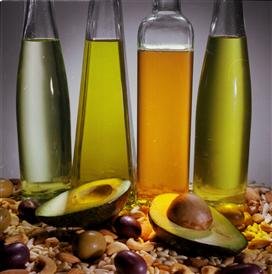
I had a few readers request I cover the topic of saturated fats as there have been a lot of mixed messages about these fats lately, so how do you know what to believe?! First off, lets cover the differences between the various types of fats:
Fat: One of three nutrients supplying energy to the body (the other two are protein and carbohydrate). Fat provides 9 calories per gram, more than twice the calories per gram provided by carbohydrate or protein.
Total Fat: includes saturated, monounsaturated, and polyunsaturated fats in food.
Saturated Fat: solid at room temperature and the main dietary cause of high cholesterol. Found mostly in animals and in some plants including: coconut, coconut oil, palm oil, pal kernel oil, and cocoa butter.
Trans Fatty Acid: a fat produced when liquid fat is turned into a solid fat through hydrogenation; raises LDL cholesterol and lowers HDL cholesterol.
Polyunsaturated Fat: liquid at room temperature and are from vegetable sources including corn, safflower, sunflower, soybean, cottonseed, and sesame seed oils. They are associated with lowering blood cholesterol levels when used in place of saturated fats in the diet. Can promote inflammation in high amounts.
Omega 3- Fatty Acid: type of heart-healthy polyunsaturated fat found in flaxseed oil, tree nuts, and especially fatty fish such as salmon, trout, sardines, and herring.
Monounsaturated Fat: liquid at room temperature and found in canola oil, olive oils, peanut oil, peanut butter, peanuts. Associated with lowering blood cholesterol.
Since saturated fat’s chemical composition makes it a solid fat, that’s exactly what it does inside our body…clogs our arteries causing increased risk for heart disease and stroke. “The American Heart Association recommends limiting the amount of saturated fats you eat to less than 7 percent of total daily calories. That means, for example, if you need about 2,000 calories a day, no more than 140 of them should come from saturated fats. That’s about 16 grams of saturated fats a day.” [http://www.heart.org/HEARTORG/GettingHealthy/FatsAndOils/Fats101/Saturated-Fats_UCM_301110_Article.jsp.] A diet low in saturated fats is also supported by the Academy of Nutrition and Dietetics. A good way to keep our heart healthy is to replace the solid or saturated fats with monounsaturated and/or polyunsaturated fats that are liquid, such as replacing the solid butter with olive oil, canola oil, etc. You can also increase your consumption of fish and nuts as they have higher contents of these healthy fats as well.
Two common confusing parts of this concept are beef consumption and coconut oil.
BEEF: Did you know that beef is 20% leaner than it was about 15 years ago? There are at least 29 cuts of lean beef which means they meet the government guidelines for lean, meaning each cut has less than 10g of total fat, less than 4.5 g of saturated fat, and less than 95mg of cholesterol (in a 3 oz serving). Beef has often gotten a bad rap, but in reality it can be part of a healthy diet when choosing the lean cuts and healthy cooking methodss. Here are some tips for you to make beef a part of your heart healthy meals:
- Look for key words such as “round” or “loin” …these are typically leaner cuts
- Choose 90% or greater lean beef. This means in a 3oz serving there is less than 5g of fat in it.
- Use healthy cooking methods such as grilling, broiling, baking, roasting, or braising. The less tender cuts can be marinated in a tenderizing marinade such as salsa or light Italian dressing.
- Trim the fat! Trimming the fat before cooking will help eliminate some of the fat from the cut.
- Cook with fresh ingredients such as lemon juice, peppers, onions, garlic, and herbs instead of adding extra fat to the cut.
- Practice portion control. Select the 3-5 oz serving over the 10oz.
COCONUT OIL: Coconut oil has gotten more popular over the last few years. Many are choosing it over the olive oil now and it’s somewhat become a craze. Coconut oil is a saturated fat and when looking at it, you can see that as it’s solid. The big debate about it, is that the primary fat of coconut oil is “lauric” acid (a type of fatty acid) that is absorbed by the body differently than the other common saturated fat, stearic acid. The make up of coconut oil is a medium chain triglyceride (type of chemical structure) and the MCTs tend to increase HDL (good) cholesterol better than other saturated fats such ad lard and butter. Many unsaturated fats such as olive oil decrease LDL (bad) cholesterol, improve total cholesterol/HDL ratio, and can also increase HDL cholesterol as well. As you can see this is a very complex concept and subject that involves food science, chemistry, etc. There are compelling arguments on both sides, which makes it very confusing for the consumer. Overall, coconut oil can play a role in raising HDL and provides flavorful cooking, but it does have a significant amount of calories and does promote increased total cholesterol levels…especially when compared to unsaturated fats such as olive oil, canola oil, peanut oil, avocados, nuts, and salmon. Since it is still a saturated fat, I recommend to limit the consumption and practice moderation with it.
Overall, saturated fats are still recommended to be limited in our diets due to their link to heart disease, but there are some interesting concepts to learn and understand about this topic. The good fats, mono- and poly-unsaturated fats should be included in our diets as they promote heart health, so some fat is actually a good thing. It’s hard to cover this type of topic in a blog post because it is so complex, so if you want to learn more about it and/or discuss it further with me, feel free to contact me anytime!
-Kelsey
by kelsey | May 6, 2014 | Diabetes, Diet, Food, Weight Management, Wellness/Health

Today’s post is another reader request! You hear all kinds of good and bad things about artificial sugars, so how do you know what to believe?! Well….here’s the facts:
Artificial sweeteners or sugar substitutes refer to substances that have little to no calories or other nutrients and are added to foods and beverages to provide a taste that is similar to table sugar (sucrose). Because artificial sweeteners are many times sweeter than table sugar, smaller amounts are needed to create the same level of sweetness.
There are five artificial sweeteners that have been tested and approved by the U.S. Food and Drug Administration (FDA):
Acesulfame-K is 200 times sweeter than sugar and it is heat stable, making it great for cooking or baking. The FDA approved acesulfame-K in 1998. Brand names include Sunett and Sweet One.
Aspartame is 200 times sweeter than table sugar and is one of the most commonly used sweeteners today. Aspartame was approved by the FDA in 1981 and is used in a variety of foods. Brand names include NutraSweet and Equal.
Saccharin is about 300 times sweeter than sugar and is used as tabletop sweetener, in baked goods, jams, chewing gum, canned fruit, candy, dessert toppings and salad dressings. The FDA approved saccharin in 1981, along with a warning label stating it was ‘reasonably anticipated to be a human carcinogen’. This warning label was lifted in 2000, after numerous studies cited there is no evidence that saccharin is associated with an incidence of cancer. Brand names include Sweet ‘N Low, Sweet Twin and Sugar Twin.
Sucralose is about 600 times sweeter than table sugar and approved by the FDA in 1999. Sucralose is not absorbed by the body and is eliminated through the urine and feces resulting in zero calories. Sucralose is also heat stable so it can be used for cooking or baking. The brand name for sucralose is Splenda.
Neotame is 7,000-13,000 times sweeter than sugar. Neotame is approved for use in beverages, dairy products, frozen desserts, baked goods and gums. Neotame is not available for consumer purchase at this time.
Stevia has become a popular sweetener in recent years and is extracted from the leaves of the Stevia Rebaudiana Bertoni bush. Two forms can be extracted: Reb A and stevioside. Both are 200-300 times sweeter than table sugar and are calorie free. In 2008, Reb A was generally recognized as safe by the FDA for use as a tabletop sweetener and in prepared foods. Brand names include A Sweet Leaf, Sun Crystals, Stevia, Truvia, and PureVia.
There is a lot of confusion about artificial sugars due to the mixed messages consumers hear about their risks, but when you really look at the studies and evidence, there are are in fact little concerns. According the the FDA, National Cancer Institute, and several other health agencies, there is no sound evidence that these artificial sugars approved cause cancer or serious health problems. Acceptable Daily Intake levels have been set by the FDA to help you determine how much you can consume and still be safe. The ADIs are set at 100x less than the smallest amount that may be harmful. So in order to actually come close to being at risk for side effects it would mean the average person would have to consume around 20 cans of diet pop/day to experience adverse effects. Please see the charts below:
Acceptable Daily Intake for Various Levels: Note the ADI is based on kg of body weight. Take your weight in pounds divided by 2.2 to get your weight in kg.
|
ADI (mg/kg body weight)
|
Average (mg) amount in 12oz can soda
|
Amount (mg) in a packet of sweetener
|
| Acesulfame-K |
15
|
40**
|
50
|
| Aspartame |
50
|
200
|
35
|
| Saccharin |
5
|
140
|
40
|
| Sucralose |
5
|
70
|
5
|
| Sweetener |
Number of 12oz cans diet soda to reach the ADI |
Number of artificial sweetener packets to reach the ADI |
| Acesulfame-K |
25.6
|
20.4
|
| Aspartame |
17
|
97.4
|
| Saccharin |
2.4
|
8.6
|
| Sucralose |
4.8
|
68.2
|
| Stevia/Reb A |
Product info not available. Sodas containing stevia are not widely available |
30
|
There are also newer studies suggesting that the use of artificial sweeteners tricks our body as it’s not real sugar and in turn we eat more. These studies are inconclusive and not reliable. There is a need for more research in this area.
The Bottom Line:
Adults may be able to better manage weight when sugary foods and beverages are replaced with artificial sweeteners as these artificial sweeteners are sugar free, calorie free. The American Academy of Nutrition & Dietetics states that, “based on studies reviewed, artificial sweeteners are safe for use in the general population.” Special populations, such as pregnant women, should limit the use of sugar substitutes and avoid saccharin, since the fetus may not be able to clear the substance quickly enough. Individuals with PKU should avoid aspartame since phenylalanine is found in aspartame. However, individuals with this genetic predisposition can use neotame. So all in all, I recommend them for those wanting to manage their weight and control their blood sugars, however moderation and portion control are key!! You should limit your consumption of 1-2 small drinks/day with artificial sweeteners and instead drink more water. You can flavor your water with real fruit such as infusing berries or squeezing a lemon in your water for flavor.
Source:ADA Evidence Analysis Library (2011).The Truth about Artificial Sweeteners or Sugar Substitutes: How Much Is Too Much?.Retrieved May 1, 2012 from the American Dietetic Association. Website: http://www.adaevidencelibrary.com/files/Docs/NNSResourceDraft3.pdf
-Kelsey
by kelsey | Apr 30, 2014 | Weight Management, Wellness/Health

Thank you for the emails and comments with topic requests! I am looking forward to addressing all of your questions! If you didn’t respond to me yet and would like to, please contact me anytime. Thanks to Linda for this today’s topic request! I will be covering her question in two posts and today’s post covers multivitamins…tomorrow we’ll cover supplements.
There are many different kinds of multivitamins and it’s hard to know which one is best for you. We always prefer you to get the vitamins and minerals from real food over supplements, so striving for a well balanced diet that is rich in fruits and vegetables, whole grains, low fat dairy, and lean proteins is the first step. If you are cutting calories to lose weight, you have a health condition that needs additional vitamins or minerals, or you just want to stay healthy and aid in disease prevention, a MVI may be for you. There are two types of vitamins: fat soluble and water soluble. Fat soluble vitamins include vitamins A, D, E, and K and can be stored in our bodies. Water soluble vitamins such as the B vitamins and vitamin C cannot be stored in the body, which means we can only store so much and when excess is consumed, they are excreted out. This concept is very important to understand as often times, you may be wasting your money on a supplement if you are already getting adequate amounts through your diet.
Deidra Van Gilder, Pharm D discusses vitamins in our STRIVE lectures and here is her take on the various kinds:
- Basic: contains essential vitamins from vitamin A to Zinc
- Women’s- more Calcium and Vitamin D to help support breast and bone health
- Men’s- more Lycopene for prostate health
- Silver (50+)- Supports eye health, bone health, and B vitamins for energy…Deidra recommends the Centrum Silver as an excellent one for this population.
- Prenatal- More folic acid, iron, and DHA (omega-3) to help support child growth
- Performance/Energy/Metabolism- Contain some herbals thought to help increase energy as well as extra B vitamins…be sure to ask your health care team about these before taking them as they may interact with your meds or contain extra caffeine.
- Cholesterol/Cardio- Contain phytosterols to help lower cholesterol
** Vitamins vary in the levels of vitamins/minerals they contain
** Look at the amount of calcium and vitamin D in each vitamin
** Some multivitamins don’t contain iron
** Grocery store generic vitamins are ok to buy
As you can see there are many different types of vitamins. Overall, we recommend just a basic multivitamin such as One a Day or Centrum Silver to help fill the gaps that your diet is not fulfilling (a multivitamin should NEVER place real food included in a well balanced diet!). If you have a specific health need such as a woman being pregnant or you are over the age of 50, then you can take that specific vitamin to fit your needs. The supplement industry is not regulated by the FDA like prescription drugs are…thus it is essential to consult your health care provider before taking supplements to ensure it is appropriate for you.
-Kelsey
by kelsey | Apr 23, 2014 | Diet, Food, Weight Management

For some, a single drink might add enjoyment to a meal, but the key to receiving those potential health benefits has always been moderation. In honor of alcohol awareness month here are some tips to enjoy those beverages responsibly!
The 2010 Dietary Guidelines for Americans advises limiting alcohol to one drink per day for women and two drinks per day for men. Usually, anything more than moderate drinking can have negative health effects including an increased risk for high blood pressure, liver cirrhosis, and several forms of cancer. And for some people and their health situations, they should not drink at all. The actual serving size for an alcoholic beverage depends on the type of drink:
- 12 ounces of beer or wine cooler
- 5 ounces of table wine
- 1.5 ounces of 80 proof distilled spirits
Drinking in moderation along with a healthy diet and physical activity can implement health benefits like lowering risk for heart disease, mostly for middle-age and older adults. But it is important to remember that calories from alcohol can add up quickly causing weight gain and other health risks. If you choose to drink alcoholic beverages, always do so responsibly. If you’re thirsty, start with a nonalcoholic drink, then drink an alcoholic beverage slowly. And eating helps slow the absorption of alcohol, so don’t drink on an empty stomach.
-Submitted by Shelby Johnson, USD Dietetic Intern
by kelsey | Apr 22, 2014 | Cooking Tips, Diet, Food, Weight Management

With the weather finally getting nicer, grilling season is officially here! Grilling is a great way to change up cooking techniques and try new flavors after a cold winter season. Spice up any cookout by adding fruits and vegetables to the menu. Beyond the benefits of adding color, variety and flavor, fruits and vegetables can also add a variety of vitamins and nutrients. Keep in mind the Dietary Guidelines for Americans recommend to fill half of your plate with fruits and vegetables at each meal.
Kabobs are a great item to include marinated vegetables like red or yellow peppers, mushrooms, eggplant, cheery tomatoes, and onions. Simply brush your favorite vegetables with olive or canola oil and your favorite spices and grill over medium heat, turning until marked and tender.
When grilling meat, choose healthier options like lean cuts of beef, pork, chicken, or fish. Be sure to keep raw meat, poultry, and their juices separate from ready-to-eat foods avoiding cross contamination. This can be done by using separate plates, cooking utensils, and cutting boards. Frozen foods should be thawed in a refrigerator or the microwave, not on the countertop or by the grill. Also remember to use a food thermometer when cooking meat, poultry, or fish to ensure it reaches a safe minimum internal temperature, this is key to reducing risk of food poisoning. Steak should reach 145°F, hamburgers 160°F, and chicken and pork 165°F.
Vegetarian or an avid mat lover, a grilled marinated Portobello burger can be a tasty alternative. Marinate and grill mushrooms, gill sides up, over medium-low heat with the grill covered until they are marked and softened (about 15 minutes). Flip and grill until cooked through.
Not forgetting dessert, try fruit kabobs with pineapple slices, watermelon, or peach halves. Grilling on low heat until the fruit is hot and slightly golden. Serve them on top of low-fat frozen yogurt or angel food cake.
Most of all enjoy!
-Shelby Johnson, USD Dietetic Intern
