by kelsey | Jun 3, 2014 | Diet, Food, Weight Management, Wellness/Health
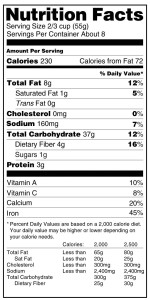
Everyone may have heard on the news that the FDA is making changes to the nutrition label. The FDA is proposing two rules to help consumers.
The first rule states the need for a design change on the label. It will make the label easier to read and it will reflect a change in nutrition recommendations from the Dietary Guidelines for Americans, which have been published and updated three times since the first labeling law was enacted.
In the proposed first rule
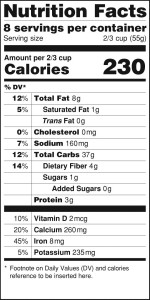
- Added sugars will be distinguished from naturally occurring sugars. The FDA is trying to end the confusion on how much sugar was added to the package versus how much is naturally found in a food.
- Daily values are updated for sodium, fiber, and Vitamin D to reflect current research and health guidelines.
- Potassium and Vitamin D are now required on the label because they are nutrients of concern.
- Total fat, saturated fat, and trans fat are required but calories from fat will be removed because the type of fat is more important than the total amount of fat.
- Calories and serving sizes are more prominent to help address public health concerns today such as obesity, diabetes, and cardiovascular.
- The percent of daily value will be more prominent to help consumers understand how a food fits into their total diet.
The second proposed rule is to update the serving size requirements along with the new labeling requirements for certain package sizes.
- If there is a drink or package that is typically eaten in one setting, the label will reflect that.
- Larger packages that could be consumed in one sitting or multiple sittings will have dual column labels to indicate both per serving and per package calories and nutrient information.
The FDA’s goal is to expand and highlight the information they most need when making food choices. The goal is to make people aware of what they are eating and give them tools to make healthy dietary choices throughout the day.
A comparison between the current and new label are shown below. The current label is shown first with the proposed new label below. What do you think about the changes? Will it be easier for the consumer to make healthy choices? Is it easier to read and understand? We’d love to hear your thoughts and opinions!
-Submitted by Jessica Claussen, SDSU Dietetic Student
by kelsey | May 28, 2014 | Cooking Tips, Diet, Food, Weight Management, Wellness/Health

Lately there has been an explosion in the media discussing smoothies for weight loss, athletic performance, and meal replacements. Since the supplement industry heavily promotes “quick fixes”, keep in mind that an overall balanced diet is the best way to maintain or improve your health. The goal of many supplement industries is not to fix the problem, but rather to create addiction and increase revenue. Supplements are not regulated by the Food and Drug Administration and claims made for them are not always accurate or proven. However, homemade fruit and vegetable smoothies are way to guarantee your 5-A-Day natural nutrients. Consumption of fruits and vegetables may help prevent chronic diseases such as cancer, heart disease, and diabetes while delivering fiber and vitamins. With a new season upon us, we are gifted with a wider variety of options to choose from when eating the rainbow. Contrary to the common belief, consuming the recommended amounts of fruits and vegetables can be inexpensive and in the long run will save you money in terms of medical bills.
There are endless smoothie recipes you can use to make a quick breakfast, after a workout, or for an afternoon snack. Adding an extra boost to your smoothie such as protein powder or Greek yogurt will additionally provide other valuable nutrients. Here’s a guide to help get started
Add Fruit/Vegetable
|
Add Liquid
|
Add Thickener
|
Extra
|
| Banana, Berries, Apple, Pear, Peach, Kiwi, Pineapple, Cherries, Mango, Orange, Spinach, Kale, Beets, Carrots |
Dairy, Soy, Rice, or Almond Milk, Fruit Juice, Water, Iced Tea |
Peanut butter, Yogurt, Frozen yogurt, ice cubes, or oats. |
Honey, Cinnamon, Protein Powder, Mint, Figs, Dark Chocolate, Flaxseed. |
| Choose 2-3 |
Add 1-2 cups of liquid |
Pick your consistency |
Your preference |
Here are some examples:
Green Smoothie: Mango Chunks, Banana, Kale or Spinach, Apple Slices, Water, Plain low fat yogurt
Carrot Smoothie: Carrots, Orange, Pineapple, Low-sugar Apple Juice, Ice Cubes, Cinnamon
Desert Smoothie: Banana, Apple Slices, Low Fat/Skim Milk, Peanut Butter, Top with Dark Chocolate Shavings
Enjoy!
-Submitted by Lara Cafruny, SDSU Dietetics Student
Photo Reference: http://www.afrobella.com
by kelsey | May 27, 2014 | Exercise, Family, Weather, Weight Management, Wellness/Health

Summer and the warm temps have finally arrived! Physical activity is critical for optimal health. Summertime brings many opportunities to get active with your kids, spouse, or on your own; there’s never an excuse for inactivity! Below are some activity ideas for you and your family.
- Swimming lessons or sports clubs like tennis are a great way for kids to get regular, scheduled physical activity.
- Take a walk through the park! We have an awesome bike trails that will keep you off the couch.
- Most yard work is great exercise that will burn tons of calories. Try using a push mower over a riding one for exercise!
- Are you competitive? Join a softball team or go golfing. If it’s rainy outside, bowling is also a fun activity for indoors.
- Sign up for a 5k race! If running isn’t your thing, you can always grab a friend and walk together. The picture above is of a few of the Brown Clinic folks after the Hospital Hill Run last year. This years Hospital Hill run is June 14th. Get signed up!
- If you don’t belong to a gym, try exercise videos at home when the weather is acting up.
- Work your muscles if you’re on the lake or river! Waterskiing and tubing are great workouts.
Throw the excuse jar away and take advantage of the nice weather and get active!
-Written by Lara Cafruny, SDSU Dietetic Student
-Kelsey Raml, MS, RD, LN
by kelsey | May 15, 2014 | Diabetes, Diet, Food, Weight Management, Wellness/Health
{Photo Referece: http://www.webmd.com/diet/apple-cider-vinegar}
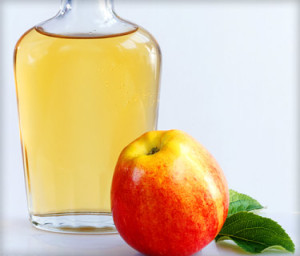
There are claims that apple cider vinegar helps numerous health issues, but is it truly an effective treatment? First off, what is apple cider vinegar? Apple cider vinegar is produced by fermentation of apples. The main ingredient is acetic acid, but many vinegars also have vitamins, minerals, and amino acids (many of these naturally from the apples).
The Claims:
There has been claims that apple cider vinegar is said to help with weight loss. There is little scientific evidence to support these claims. Occasional use of apple cider vinegar is safe for most people, but it won’t likely lead to weight loss.
Apple cider vinegar is an alternative treatment for warts. The wart needs to soak in apple cider vinegar for about 20 minutes. Than the dead skin can be removed and petroleum jelly applied around the wart. The treatment is repeated until the wart falls off.
Apple cider vinegar is also claimed to control blood sugars. It seems that vinegar may be able to inactivate some of the digestive enzymes that break the carbohydrates from food into sugar, thus slowing the absorption of sugar from a meal into the bloodstream. Slowing sugar, absorption gives the insulin-resistant body more time to pull sugar out of the blood and thus helps prevent the blood sugar level from rising so high. This is just a claim and has no scientific evidence to support this.
Apple cider vinegar is said to increase calcium absorption. Vinegar is high in acetic acid, which can increase the body’s absorption of important minerals from the foods we eat.
If you have runny nose, watery eyes, sore throat, or a persistent cough some websites recommend that you mix two teaspoons of apple cider vinegar with two tablespoons of honey and put into a glass of water.
Some articles recommend that taking one to two teaspoonfuls with five to six ounces of water 30 minutes before a meal can help allergies. Than again there is little evidence to support this.
Taking apple cider vinegar for any of these problems, may lead to problems of its own. Apple cider vinegar is very acidic, so it may irritate your throat if you drink it often or in large amounts. Apple cider vinegar may interact with certain supplements or drugs, including diuretics and insulin.
There are many claims that apple cider vinegar cures many diseases and symptoms of colds, but there is little scientific evidence to support these claims. Nothing can be proven, because of the lack of supporting scientific research which can be a problem with alternative therapies. If you are considering using apple cider vinegar for one of these problems, be sure to consult your physician before taking it.
-Jessica Claussen, SDSU Dietetic Student
by kelsey | May 14, 2014 | Diet, Food, Heart Health, Weight Management, Wellness/Health

Today’s topic is another reader request! Thanks for all of the requests!! It has been fun covering topics you’re interested in and want to learn more about! High protein diets are very popular and two common ones are the Atkins and Paleo Diets. South Dakota State University Dietetics Student Jessica Claussen reviewed them both for you below.
The All-New Atkins Advantage Diet, Pros and Cons
This diet plan contains a 12-week, low carbohydrate diet to lose weight, which also incorporates exercise into the individual’s life. The first phase of the diet only allows 20 grams of carbohydrates and to eat about 6 ounces of protein at each meal. This phase can sometimes last about 6 months for people. After the first phase than the individual gradually adds small amounts of carbohydrates to the diet. Throughout the first phase the individual could consume less than 130 grams of carbohydrates, which is the minimum amount of carbohydrates needed daily to provide glucose for the proper brain function.
The high protein content of the plan means eating less whole grains, fruits and vegetables, which reduces the amount of vitamins, minerals, phytochemicals and fiber consumed. Also, The high proportion of dietary protein means eating more unhealthy saturated fat and cholesterol. The high protein diet could also place a strain on the kidneys. A high-protein diet may worsen kidney function because your body may have trouble eliminating all the waste products of protein metabolism
Atkins also claims that “natural fats”, including saturated fats, are vital to good health, which can be very misleading. People may become confused and think they need to consume excess amounts of saturated fats. When research supports that a diet rich in saturated fats can lead to heart disease.
It is not recommend that a low-carbohydrate diet is used for weight loss. People should be following a well-balanced diet rich in whole grains, fruit and vegetables.
Paleo Diet: Pros and Cons
The Paleo Diet, which is also known as the caveman diet, has the idea that if we ate as our ancestors did we would weigh less and be healthier. That means that a person can only eat what can be hunted or gathered. That means no grains, dairy, legumes, sugar or salt.
The positive of this diet is that it encourages people to consume more fruits and vegetables, and to cut out their added sodium and sugar intake. The combination of fruits, vegetables, and a diet rich in protein can help control blood sugar and to regulate blood pressure.
The negatives of this diet is that it excludes whole grains, fruits, and dairy products. These foods are rich in nutrients and contain important vitamins and minerals such as calcium and vitamin D. Also whole grains are rich in fiber, which may help reduce your risk of heart disease, cancer, and diabetes. Without consuming these foods, a supplement would be necessary. So limiting whole grains, fruits, and dairy is not necessarily the way to prevent disease and ensuring weight loss.
The Paleo Diet also encourages consuming a great deal of bacon and butter, which is high in saturated fats and sodium. Bacon does not have a lot of nutritional value. Coconut oils are also encouraged. Coconut oil is also high in saturated fats. Other common oils such as canola, sunflower, and extra-virgin olive oil contain significantly less saturated fat than coconut oil.
The Paleo diet may be hard to continue, because wild game is not readily available and most of the meat we consume is domesticated. The fruits and vegetables that we eat has been processed rather than grown and gathered in the wild. It is possible to modify the plan, but even than there are additional costs, lack of variety and the need for planning.
-Jessica Claussen, SDSU Dietetics Student
Overall, high protein diets can be done, but need supervision as if done incorrectly they can cause damage to our kidneys, liver, heart, central nervous system, brain, and bones. In addition, they typically always promote weight loss due to the lack of carbohydrates and low calories, but that weight is usually gained back after going off the diet and can contribute to a pattern of yo-yo dieting. Balance, moderation, and portion control are still keys to a successful diet long term!
-Kelsey
by kelsey | May 14, 2014 | Cooking Tips, Diet, Food, Weight Management, Wellness/Health

Last night was our last night of spring STRIVE 2 Survive and County Fair Foods treated us to some excellent treats! These recipes are a must try!!
Angel Lush (pictured above)
1 can (20 oz) crushed pineapple in juice, undrained
1 pkg (1 oz) vanilla fat free/sugar free instant pudding
1 c thawed lite cool whip topping
1 pkg (10 oz) round angel food cake cut into three layers
10 small fresh strawberries
Mix pineapple and dry pudding mix. Gently stir in cool whip. Stack cake layers on plate, spreading pudding mixture between layers and on top of cake. Refrigerate for one hour. Top with berries.
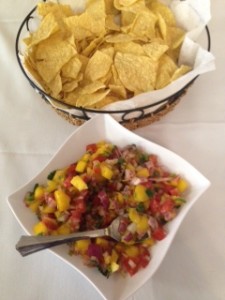
Mango Salsa (above)
2 mangos peed, seeded, and chopped
1 large tomato diced
1 small onion minced
1 small jalapeno pepper seeded and minced
1 Tbsp cilantro minced
1 lime juiced
Salt and pepper to taste.
Combine all ingredients in a bowl and enjoy with whole grain chips or crackers.
All of the ingredients above can be found at our County Fair Food Store!
-Kelsey
