by kelsey | Dec 5, 2013 | Cooking Tips, Diet, Food

I recently came across a really well written, credible, and easy to understand article regarding hormones in beef. There are a lot of mixed messages and concerns about the use of hormones in our meat production. Hormones are found in all multi-cellular organisms, which does include animals, vegetables, etc. Sometimes producers will use hormone implants which cause the meat to have a little bit more hormones than a non-implanted animal. Federal laws prohibit the use of hormones in hogs and chickens, but it is permissible in beef. The reason producers use implants are to increase efficiency, meaning the cow will gain more muscle, from less feed, more quickly. This really helps keeps prices down of the meat and reduces environmental impact. When implanted, the meat will contain a slightly higher amount of estrogen in a 3 oz serving (1.9 nanograms compared to 1.3 nanograms in non implanted meat). Many people are concerned that the extra estrogen is causing a variety of other issues such as early puberty or faster growing children.
Now here’s where you you pay special attention: our own bodies produce hormones naturally, a child will produce around 50,000 nanograms of estrogen/day and an adult female will produce about 480,000 nanograms of estrogen a day. In addition, when hormones are eaten and digested, they are not able to act as hormones anymore….but even if they did, that 1.9 nanograms in a 3 oz serving of meat is pretty small compared to our own natural production. In addition, it’s important to point out that many other foods have much more estrogen in them naturally, such as potatoes have 225 nanograms, peas have 340 nanograms, icecream-520 nanograms,cabbage- 2000 nanograms, and soy milk has 11,250 nanograms (all based on 3 oz servings). Also, one birth control pill has about 35,000 nanograms of estrogen. So here’s the bottom line, the hormones found in implanted beef are miniscule compared to our own production of hormones and various other foods we normally eat. I personally, am not concerned about this practice and feel it is safe to consume and we shouldn’t have any concerns about it. Now if you are still concerned, even after reading this and learning more from other credible resources, then you certainly can choose organic foods or grass fed meat (they may be higher in price and have a bit different taste, but they are an option for you). Lastly, this also brings us to the very important point that I have mentioned many times: moderation! When you prepare your meals, be sure to plan in a variety of other whole foods withe your lean meats, such as fruits and veggies and whole grains to create a well-rounded, balanced healthy plate!
-Kelsey
http://newsroom.unl.edu/announce/beef/2846/15997
by kelsey | Nov 26, 2013 | Cooking Tips, Diet, Food, Holidays, Weight Management, Wellness/Health
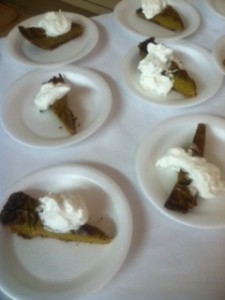
Happy Thanksgiving to you! The Thanksgiving holiday is always a fun one enjoyed by all as we stuff ourselves and then resort to the couch to watch football or the start of the holiday tv shows. Here are some tips for you to get through the holiday without putting on all those undesired extra pounds.
- Survey the entire table before you take any food. Decide what foods are worth eating and what can be ignored, and then stick to that decision. Why waste calories on foods that don’t bring you pleasure?
- Eat a snack before you leave home. If you arrive at a party starving, you’ll be more likely to overindulge.
- Eat your calories instead of drinking them. Stick to lower calorie or calorie-free drinks (diet sodas, water, light beer, or wine spritzer) instead of punches, eggnogs, and mixed drinks that can have up to 500 calories per cup.
- Sip a large glass of water between every alcoholic drink or non-alcoholic punch or eggnog. This will help keep you hydrated and you’ll drink fewer calories by the end of the night.
- When you are the host or hostess, include nutritious and lower-calorie foods like fruits, vegetables, and lean meats on the menu. When you are a guest, bring along a lower-calorie dish to share.
- Try not to hang out near the food. Find a comfortable spot across the room and focus on people instead of eating.
- Watch your portion sizes. Don’t cover your plate completely with food. In most cases, especially when it comes to holiday sweets and alcoholic beverages, less is better. Use a smaller plate or bowl and have just a sliver of pie like the picture shows.
- Drop out of the “clean plate club”. Leave a few bites behind every time you eat, especially if you are eating something you don’t really care for.
- Enjoy your favorite holiday treats but take a small portion, eat slowly, and savor the taste and texture of the wonderful foods of the season.
- Skip the pie crust and go for the filling.
- Choose light meat over dark meat.
- Use home-made cranberry sauce over canned cranberries that are jam packed with added sugars.
- In soups, sauces, puddings, and desserts: Replace whole milk or cream with low-fat milk, evaporated fat-free milk, or nonfat dry milk.
Lighten up your recipes:
- To make dips and toppings: Use low-fat or nonfat cottage cheese or sour cream, or non-fat Greek yogurt.
- To make salad dressings: Use nonfat Greek yogurt or low-fat buttermilk.
- In place of 1 whole egg in recipes: Use 2 egg whites or 1/4 cup egg substitute.
- In place of regular cheese: Use fat-free or reduced-fat cheese.
- In place of full sugar: replace half with Splenda or reduce half completely.
- In place of fats: use unsweetened applesauce or oil (1-1 replacement), or prune puree (1 cup of fat=1/2 cup puree).
More importantly is ENJOY your family and friends and all that have to the THANKful for!
-Kelsey
by kelsey | Oct 17, 2013 | Cooking Tips, Diabetes, Diet, Food, Weight Management, Wellness/Health
You have probably heard that breakfast is the best meal of the day. A healthy breakfast provides energy to your body and especially your brain to start the day off right. It also gives your metabolism a boost and aids in blood sugar control. Despite these recommendations and great benefits, many people skip breakfast because they don’t have time or should I say, they didn’t make time! I know it’s hard to sit down and eat breakfast when you’re on the run and need to get work, drop the kids off at school, etc., so here are some ideas to give you that great nourishment in the morning while your’e on the go.
- English Muffin Sandwich: Toast an english muffin and add low fat cheese and a few slices of lean turkey, ham, or canadian bacon and melt it in the microwave quick. Add a piece of fruit to it to create a balanced meal.
- Yogurt Parfait: add some low-fat granola and mixed berries to low fat yogurt to make a parfait.
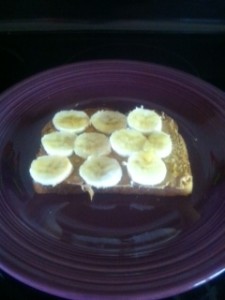
- Peanut Butter Sandwich: pair a banana with it too (this is one of my favorites!…see the picture)
- Low Fat Cream Cheese on Whole Grain Bread
- Meal Replacement Shake: such as Special K Protein, Ensure, Boost, Slim Fast
- Protein Bar
It may take a little planning to have these options available, but planning is truly key to a successful and healthy diet. Give it a try!
-Kelsey
by kelsey | Oct 16, 2013 | Diet, Food, Wellness/Health

The last couple of week have been pretty busy around my house as harvest is in full swing. My husband Adam and his family were busy harvesting our soybean crop and trying to beat the rains that came the last few days. The life of a farmer’s wife is always interesting as you never know what you’ll be asked to do or help with. It certainly keeps me on my toes! The most quality time we spent together all of last week was spent in a combine or semi-truck. Romantic right!? 😉 One of my favorite parts of this time of year is watching the harvest take place and recognizing how important each step is in regards to our food production. It’s easy to go to the store, pick out what you want, take it home, and eat it…but when you really think about where that food came from, it’s pretty amazing! Above is a picture I took as I rode in the combine with Adam as he harvested the soybeans.
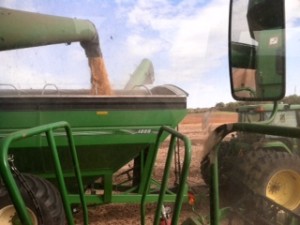
This picture above is of us dumping the beans into the grain cart as we moved along. The grain cart then dumps the beans into a hopper trailer connected to a semi-truck and they are then taken to an elevator where they distribute them to food processors around the nation and world.

I took the above picture from our semi-truck as the beans were unloaded at the elevator. The pile of beans is on the right and they will eventually make another pile of corn in the center where the other auger is.
We are still waiting for the corn to dry out a bit more so we can harvest it. Soybeans and corn are used in uncountable foods and are an integral part of our food chain. Soybeans are an excellent source of protein, fiber, and healthy fats. The dried soybeans are an excellent heart healthy snack . I always find it fascinating to think about where our food products come from and I encourage you to do so as well. You just may appreciate what we have a little more…along with the farmers who work so hard to put that food on your table. When you have some time, I encourage you to check the ingredients of your foods. The ingredients are listed below the label and are listed most to least in regards to the amounts in that food product. Examine what the foods are and think about where they came from. Choosing a food with less ingredients means it’s less produced and a better choice. By being more aware of what is in our foods and where it comes will, will help you make better and healthier choices, and will help you live a healthier life!
-Kelsey
by kelsey | Oct 15, 2013 | Cooking Tips, Diet, Food, Weight Management, Wellness/Health

If you’re a parent with school age children, you have probably witnessed this scenario many times: your child comes home from school and they are starving! They rummage through the cupboards and try to find something “good” to snack on until supper is ready. Snacks in between meals help provide the body with energy and aid in metabolism and blood sugar control, but the key is making a healthy snack as junk foods will only provide empty calories, leaving you hungry and looking for more later on.
Below are some healthy snacks for kids. This is just a glimpse of what we will be reviewing in our STRIVE Kids program. We invite you to contact us today to learn more!
Healthy Snacks for Kids
Inside-Out Sandwich: Spread mustard on a slice of deli turkey. Wrap around a sesame breadstick.
Rocky Road: Break a graham cracker into bite-size pieces. Add to low-fat chocolate pudding along with a few miniature marshmallows.
Mini Pizza: Toast a whole-wheat English muffin, drizzle with pizza sauce and sprinkle with low-fat mozzarella cheese.
Spread mustard on a flour tortilla. Top with a slice of turkey or ham, low-fat cheese and lettuce. Then roll it up.
Sandwich Cut-Outs: Make a sandwich on whole grain bread. Cut out your favorite shape using a big cookie cutter. Eat the fun shape and the edges, too!
Banana Split: Top a banana with low-fat vanilla and strawberry frozen yogurt. Sprinkle with your favorite whole-grain cereal.
Apple Pie Oatmeal: Make one packet of microwave oatmeal with low-fat milk. Mix in 1/4 cup unsweetened applesauce. Sprinkle with apple pie spice or cinnamon.
Mix together peanut butter and cornflakes in a bowl. Shape into balls and roll in crushed graham crackers.
Microwave a cup of tomato or vegetable soup and enjoy with whole-grain crackers.
Fill a waffle cone with cut-up fruit and top with low-fat vanilla yogurt.
Sprinkle grated Parmesan cheese on hot popcorn.
Peel a banana and dip it in yogurt. Roll in crushed cereal and freeze.
Spread celery sticks with peanut butter or low-fat cream cheese. Top with raisins.
Stuff a whole-grain pita pocket with ricotta cheese and Granny Smith apple slices. Add a dash of cinnamon.
Mix together ready-to-eat cereal, dried fruit and nuts in a sandwich bag for an on-the-go snack.
Smear a scoop of frozen yogurt on two graham crackers and add sliced banana to make a yummy sandwich.
Microwave a small baked potato. Top with reduced-fat cheddar cheese and salsa.
Make snack kabobs. Put cubes of low-fat cheese and grapes on pretzel sticks.
Toast a whole-grain waffle and top with low-fat yogurt and peaches.
Mix together low-fat cream cheese, mixed dried fruit bits and shelled sunflower seeds. Spread on a toasted English muffin.
Blend low-fat milk, frozen strawberries and a banana for thirty seconds for a delicious smoothie.
Make a mini-sandwich with tuna or egg salad on a whole-grain dinner roll.
Sprinkle grated Monterey Jack cheese over a corn tortilla; fold in half and microwave for twenty seconds. Top with salsa.
Spread peanut butter on apple slices.
Reference: Academy of Nutrition & Dietetics
-Kelsey
by kelsey | Oct 10, 2013 | Diet, Food, Weight Management, Wellness/Health
October is Breast Cancer Awareness Month. Many of us know of someone who has been affected by breast cancer as it is the most common cancer in women and more than 230,000 women are diagnosed with breast cancer every year in the United States as stated by the American Cancer Society.
It is important to recognize some symptoms of breast cancer. The most common symptom is the presence of a painless lump in the breast area. Less common symptoms include swelling, tenderness, skin irritation, redness, or nipple abnormalities which may include ulceration or discharge.
Factors that increase the risk of developing breast cancer include the onset of menstruation before age 12, menopause after the age of 55, not breastfeeding for at least one year, not having children, or having children after 30 years of age, and having a high body mass index.
Increased body weight in postmenopausal women who are not taking hormones increases the risk for developing breast cancer. The more fat cells you have, the higher your levels of estrogen in the postmenopausal period, when your ovaries are no longer producing estrogen. Moreover, overweight women have higher insulin levels, and insulin may promote breast tumors.
Nutrition Tips for Cancer Prevention:
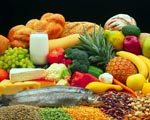
Fruits, vegetables, and whole grains are great sources of antioxidants and phytochemicals. Antioxidants and phytochemicals play a role in cancer prevention. Carotenoids is a type of antioxidant that is found in red and yellow produce. Some examples of foods that contain carotenoids are carrots, pumpkin, winter squash, tomatoes, citrus fruits, and red sweet peppers. All dark green vegetables contain nutrients that protect against cancer. Good sources of dark green vegetables include spinach, asparagus, bell peppers, broccoli, brussels sprouts and kale. An additional benefit to eating a well balanced diet that includes a variety of fruits, vegetables, and whole grains is that it promotes a healthy weight. Maintaining a healthy weight will help you to decrease your risk of developing cancer. A helpful tip to remember is that the more colorful the fruit or vegetable, the more nutrients it contains; so pack your plate with colorful choices!
Support the South Dakota Affiliate and South Dakota businesses and schools this month:
October 1st– October 15th: Annual Women’s Cancer Network Symposium, Pierre
October 11th – Partners in Survival Workshop: Men against Breast Cancer. Hosted by the Avera Cancer Institute and paid in part by a Susan G Komen South Dakota grant
For more information call 1-877-282-8372
October 12th – Think Pink Cheer Camp- Chester Area School
October 14th – Hamilton Hy-Vee will be hosting a special fundraiser to support the local Siouxland Affiliate of Susan G. Komen for the Cure called Think Pink: Breast Cancer Awareness & Fundraiser.
October 15th – Women’s Health Forum- Yankton Medical Clinic, Minerva’s in Yankton
October 17th – 100 Cup Salute- Sisseton Flower Shop
October 18th – Southeast Tech Walk for Breast Cancer
October 19th and 20th – Expo for Her- Sioux Falls Convention Center
October 27- University of Sioux Falls Football Pink Game
Submitted by Megan Oleson, USD Dietetic Intern
-Kelsey Raml, MS, RD, LN
