by kelsey | Aug 29, 2012 | Etc.

Fall STRIVE 2 Survive starts in a little less than a week and we couldn’t be more excited to kick off our fall in a great way! STRIVE 2 Survive, Brown Clinic’s health and wellness program is a 12 week program where we meet 6 out of the 12 weeks (see calendar for dates). The other 6 weeks you will get a take home lesson, thus each week you will be provided with education, nutrition therapy, etc in our two main components: diet and exercise. In addition to weekly education, therapy, and coaching, we include lab work and body composition testing at the beginning and end of the program. It’s a great program for people wanting to improve their health in efforts to live a long and healthy life! Our list is filling up, but there is still a little room left! If you’re interested or would like to learn more, contact us today at 884-4226 or email us at strive2survive@brownclinic.org.
-Kelsey
by Dan | Aug 26, 2012 | Exercise, Family, Motivation, Wellness/Health
Our recent adventures in Alaska brought us to Juneau, where we went hiking for 4 hours. It was raining, but we still got to see a lot of sites that we would not have had we not gone out hiking. Here we are as we get ready with the group we were with to take off.
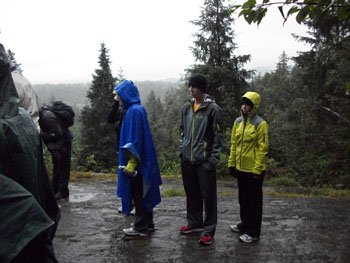
You definitely had to have the right gear. With the rain, they helped provide the ponchos. As we went into the rain forest, we got to see some very nice waterfalls.

Everything was so lush and green. They told us that out of a 100 days during the summer time in Alaska, 85 of the days have rain. But you really saw the greens in the rain forest. Moss growing everywhere.

But the best part is we got to see the Mendenhall Glacier up a lot closer. There was a huge waterfall off to the side, but for this adventure, to get closer to that, we would have had to go on the 7 hour hike.

At one spot, they had built a balcony for picture taking, with this in the background.
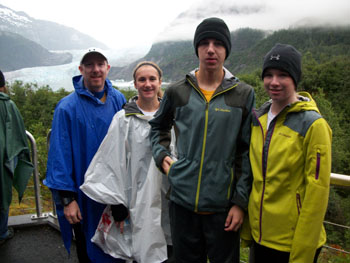
It was well worthwhile going on the hike. We got to see things up close that you would not have been able to otherwise. Keep moving everybody!
Dr. Dan
Consecutive Exercise Day #: 1795
by Dan | Aug 23, 2012 | Exercise, Family, Motivation, Wellness/Health
Attention all you walkers, and runners! A great event is going to take place next friday, August 31, here in Watertown. Paint the Town Pink, through Codington County Cares, is sponsoring a parade, walk, and 5k run. All in recognition of Breast Cancer, and supporting these women and their families for all they go through, and to show support for them! I have blogged before how our family does the Breast Cancer run in SF every May. It is our families way of showing our support as well for my sister-in-law, who is a breast cancer survivor. As I stated back then, we all know somebody, or of someone, who has breast cancer. Let’s all show our support, and come out in support of them this next friday. Below is a flyer outlining times, etc.

Hope to see you there! Keep moving everybody!
Dr. Dan
Consecutive Exercise Day #: 1792
by kelsey | Aug 23, 2012 | Food, Heart Health
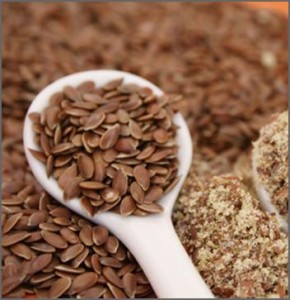
What is flaxseed?
According to current research, flaxseed is considered a superfood (a nutrient-rich food that is beneficial for health). It is a small seed that comes from flax plant.
What are some of the benefits of flaxseed?
Flaxseed contains omega-3 fatty acids, the good fats that are also in supplements like fish oils. Omega-3 is essential for vegetarians or people who do not eat fish. Flaxseed also contains lignans which contain plant estrogen and antioxidant qualities. In addition, the high amounts of fiber are beneficial to the digestive system. It is important to drink plenty of water when adding flaxseed to your diet.
What is the best way to eat flaxseed?
- Mix ground flaxseed into oatmeal, smoothies, cottage cheese, or yogurt
- Substitute 1/4 to 1/2 cup of ground flaxseed for every 2 cups or more of flour
- Replace one egg with 1 tsp of milled flaxseed + 3 tsp water in baked goods like muffins, cookies, or bread
Recommended Dosage:
Flaxseed: 1 Tbsp, 2-3x/day
Flaxseed Oil: 15-30 mL/day
**It is recommended to ease into the 2-3 Tbsp/day of flaxseed so start with 1 tsp and gradually increase from there.
*This blog post was written by Megan Bren, SDSU Dietetic Student.
-Kelsey
by kelsey | Aug 22, 2012 | Cooking Tips, Food, Wellness/Health

With everyone getting back into the groove of school this week, it means children are going back to the cafeteria. The importance of talking with your children about nutrition is crucial to their health. Children need to be able to make healthy decisions on their own. There are several steps a parent can make when helping their child go back to school.
Look over the menu: Review the weekly or monthly school menus with your child and decide which meals they like and dislike. For the days your child decides to eat at school help them distinguish the healthier choice, like choosing fruit instead of a cookie. Studies have shown letting your child help in the decision-making process makes them more likely to follow through with the decision.
Packing your own lunch: Make sure you’re packing meals with enough nutrients to power your child through the rest of their school day. Let your child be a part of the lunch packing process whether if it is making the sandwich or packing fruits into a bag. Pack food your child likes, because if they don’t eat it at home they are not likely to eat them when you’re not around.
Follow up at home: Make sure to follow up their lunch with an equally healthy dinner. Having a well balance meal at every meal is very important. A child who eats healthy at home is more likely to make healthier choices when they are on their own.
Tips for Packing Healthy School Lunches:
- Plastic bags and containers will really help with portions while making a sack lunch.
- Keep in mind that they will not be eating right away and to keep the refrigerated foods cool to keep from spoiling. For example, dairy products such as yogurt, will need a cool pack.
- Pack the lunch the night before with leftovers from dinner to save time in the morning.
- Make sure to include the child while making lunch and give them healthy choices to choose from.
- Try to choose less sugary drinks, like skim milk instead of chocolate milk or crystal light instead of a high sugar juice.
Keeping the lunches safe by keeping all the food at the correct temperatures. Pack cold items in an insulated lunch box with a frozen pack. Keep warm soups in a thermos, make sure the thermos is clean and use very hot water.
Sandwich Ideas
Whole wheat bread with deli meat (try to avoid bologna, pepperoni, and salami)
Peanut butter and jelly sandwich
Bagel with cream cheese or peanut butter
Crackers and cheese
Pita with hummus
Ham and cheese rolled up in a whole wheat tor-tilla
Crackers and cheese
*This blog post was written by Megan Bren, SDSU Dietetic Student
-Kelsey
