by kelsey | May 28, 2014 | Cooking Tips, Diet, Food, Weight Management, Wellness/Health

Lately there has been an explosion in the media discussing smoothies for weight loss, athletic performance, and meal replacements. Since the supplement industry heavily promotes “quick fixes”, keep in mind that an overall balanced diet is the best way to maintain or improve your health. The goal of many supplement industries is not to fix the problem, but rather to create addiction and increase revenue. Supplements are not regulated by the Food and Drug Administration and claims made for them are not always accurate or proven. However, homemade fruit and vegetable smoothies are way to guarantee your 5-A-Day natural nutrients. Consumption of fruits and vegetables may help prevent chronic diseases such as cancer, heart disease, and diabetes while delivering fiber and vitamins. With a new season upon us, we are gifted with a wider variety of options to choose from when eating the rainbow. Contrary to the common belief, consuming the recommended amounts of fruits and vegetables can be inexpensive and in the long run will save you money in terms of medical bills.
There are endless smoothie recipes you can use to make a quick breakfast, after a workout, or for an afternoon snack. Adding an extra boost to your smoothie such as protein powder or Greek yogurt will additionally provide other valuable nutrients. Here’s a guide to help get started
Add Fruit/Vegetable
|
Add Liquid
|
Add Thickener
|
Extra
|
| Banana, Berries, Apple, Pear, Peach, Kiwi, Pineapple, Cherries, Mango, Orange, Spinach, Kale, Beets, Carrots |
Dairy, Soy, Rice, or Almond Milk, Fruit Juice, Water, Iced Tea |
Peanut butter, Yogurt, Frozen yogurt, ice cubes, or oats. |
Honey, Cinnamon, Protein Powder, Mint, Figs, Dark Chocolate, Flaxseed. |
| Choose 2-3 |
Add 1-2 cups of liquid |
Pick your consistency |
Your preference |
Here are some examples:
Green Smoothie: Mango Chunks, Banana, Kale or Spinach, Apple Slices, Water, Plain low fat yogurt
Carrot Smoothie: Carrots, Orange, Pineapple, Low-sugar Apple Juice, Ice Cubes, Cinnamon
Desert Smoothie: Banana, Apple Slices, Low Fat/Skim Milk, Peanut Butter, Top with Dark Chocolate Shavings
Enjoy!
-Submitted by Lara Cafruny, SDSU Dietetics Student
Photo Reference: http://www.afrobella.com
by kelsey | May 27, 2014 | Exercise, Family, Weather, Weight Management, Wellness/Health

Summer and the warm temps have finally arrived! Physical activity is critical for optimal health. Summertime brings many opportunities to get active with your kids, spouse, or on your own; there’s never an excuse for inactivity! Below are some activity ideas for you and your family.
- Swimming lessons or sports clubs like tennis are a great way for kids to get regular, scheduled physical activity.
- Take a walk through the park! We have an awesome bike trails that will keep you off the couch.
- Most yard work is great exercise that will burn tons of calories. Try using a push mower over a riding one for exercise!
- Are you competitive? Join a softball team or go golfing. If it’s rainy outside, bowling is also a fun activity for indoors.
- Sign up for a 5k race! If running isn’t your thing, you can always grab a friend and walk together. The picture above is of a few of the Brown Clinic folks after the Hospital Hill Run last year. This years Hospital Hill run is June 14th. Get signed up!
- If you don’t belong to a gym, try exercise videos at home when the weather is acting up.
- Work your muscles if you’re on the lake or river! Waterskiing and tubing are great workouts.
Throw the excuse jar away and take advantage of the nice weather and get active!
-Written by Lara Cafruny, SDSU Dietetic Student
-Kelsey Raml, MS, RD, LN
by kelsey | May 20, 2014 | Diabetes, Diet, Wellness/Health
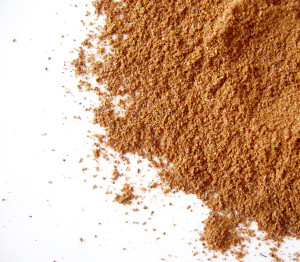
Today, we continue our reader request topics. One reader inquired about the benefits, pros, cons, etc of taking cinnamon for blood sugar control. According to the American Diabetes Association, a study showed an intake of 1,3, or 6 g of cinnamon per day reduces serum glucose, triglyceride, LDL cholesterol, and total cholesterol in people with type 2 diabetes according to the results of a study. One study published in 2009 found that a 500mg capsule of cinnamon taken twice a day for 90 days improved hemoglobin A1C levels in people with poorly controlled type 2 diabetes. More research is needed to confirm these findings and determine how cinnamon supplementation leads to these benefits. For people who have diabetes this is not an alternative to medicine.
There has also been recent studies done where there as been no affect on the participant’s A1C levels. The researches say that it’s possible that the source of the cinnamon and the means by which it’s extracted from cinnamon bark could make a difference as far as its effects on blood glucose levels. This is why cinnamon works in some studies but not in others. Cassia cinnamon is usually what they use in these studies. It is usually the kind that you’re getting at the store. Cassia cinnamon contains a compound called coumarin which may be toxic to the liver at high doses.
People with diabetes still need to keep watching their carbohydrate intake and have a well-balanced diet if they decide to take cinnamon. Compared to drug therapy, we don’t know if cinnamon can reduce the risk of mortality due to diabetes, or the progression to any of the other serious outcomes of diabetes. There still needs to be more evidence-based research to rate the effectiveness of cinnamon in lower blood sugar, but it appears it is not harmful, unless consumed in high doses. Please make special note however, that the use of cinnamon is not an alternative for lifestyle changes and medication if necessary. Following a healthy, balanced, and portion controlled diet with regular activity is still essential to proper blood sugar control!
-Jessica Claussen, SDSU Dietetic Student
by Dan | May 18, 2014 | Exercise, Goals, Motivation, weight lifting, Wellness/Health

We may not know what our future has in mind for us, but we do have a lot of control over certain things. We can choose to take care of our health better by watching what we eat, and staying active. I have been saying this for years. If it was always this easy, then why doesn’t everybody do it? We have to dig deep down inside of us. We have to find whatever it is that will “click” with us to make those changes. This takes motivation, attitude, and ability.

This is the slogan on the wall at Anytime Fitness. I can focus on this quite a bit when I am doing my weight workout. It helps me stay focused and to really think about why I am working out in the first place. Keep these points in mind when we are struggling to keep ourselves going. Working out is working! But remember, anything worth having is worth working for. Keep your head down and stay focused. Keep moving everybody!
Dr. Dan
Consecutive Exercise Day #: 2424
by kelsey | May 15, 2014 | Diabetes, Diet, Food, Weight Management, Wellness/Health

{Photo Referece: http://www.webmd.com/diet/apple-cider-vinegar}
There are claims that apple cider vinegar helps numerous health issues, but is it truly an effective treatment? First off, what is apple cider vinegar? Apple cider vinegar is produced by fermentation of apples. The main ingredient is acetic acid, but many vinegars also have vitamins, minerals, and amino acids (many of these naturally from the apples).
The Claims:
There has been claims that apple cider vinegar is said to help with weight loss. There is little scientific evidence to support these claims. Occasional use of apple cider vinegar is safe for most people, but it won’t likely lead to weight loss.
Apple cider vinegar is an alternative treatment for warts. The wart needs to soak in apple cider vinegar for about 20 minutes. Than the dead skin can be removed and petroleum jelly applied around the wart. The treatment is repeated until the wart falls off.
Apple cider vinegar is also claimed to control blood sugars. It seems that vinegar may be able to inactivate some of the digestive enzymes that break the carbohydrates from food into sugar, thus slowing the absorption of sugar from a meal into the bloodstream. Slowing sugar, absorption gives the insulin-resistant body more time to pull sugar out of the blood and thus helps prevent the blood sugar level from rising so high. This is just a claim and has no scientific evidence to support this.
Apple cider vinegar is said to increase calcium absorption. Vinegar is high in acetic acid, which can increase the body’s absorption of important minerals from the foods we eat.
If you have runny nose, watery eyes, sore throat, or a persistent cough some websites recommend that you mix two teaspoons of apple cider vinegar with two tablespoons of honey and put into a glass of water.
Some articles recommend that taking one to two teaspoonfuls with five to six ounces of water 30 minutes before a meal can help allergies. Than again there is little evidence to support this.
Taking apple cider vinegar for any of these problems, may lead to problems of its own. Apple cider vinegar is very acidic, so it may irritate your throat if you drink it often or in large amounts. Apple cider vinegar may interact with certain supplements or drugs, including diuretics and insulin.
There are many claims that apple cider vinegar cures many diseases and symptoms of colds, but there is little scientific evidence to support these claims. Nothing can be proven, because of the lack of supporting scientific research which can be a problem with alternative therapies. If you are considering using apple cider vinegar for one of these problems, be sure to consult your physician before taking it.
-Jessica Claussen, SDSU Dietetic Student
