by kelsey | Jun 10, 2014 | Diet, Food, Weight Management, Wellness/Health

June is national dairy month, thus it’s a great time to recognize and discuss the benefits we can get from dairy in our diets.
Cow’s milk is the richest source of well-absorbed calcium and is actually absorbed better (about 25%) than the calcium in soy milk. There is about 300 mg of calcium in an 8 oz serving of milk and we recommend getting at least 3 servings of dairy a day. A serving is equal to an 8oz (1 cup) serving of milk, 6 oz tub of yogurt, 1 oz cheese, 1/2 c cottage cheese. In addition to calcium, cow’s milk is an excellent source of phosphorus, vitamin B12, potassium, riboflavin, vitamin A, vitamin D, protein, and niacin…totalling 9 nutrients compared to only 4-5 nutrients found in soy and almond milk.
There are many other types of “milks” out there such as almond, rice, coconut, and soy, however these drinks are not the same as cow’s milk in regards to the nutritional qualities. Many of these milks use fortification (adding nutrients), whereas the nutrients are found naturally in cow’s milk. Below is a list from the Midwest Dairy Association about these beverage’s nutrient sources and nutrition quality (http://www.midwestdairy.com/0p335/dairy-imitators/)
- “Soy beverages are made from soybeans and are a good source of protein. However, according to the Protein Digestibility Corrected Amino Acid Score (PDCAAS), soy protein is a lower quality protein than the whey protein found in dairy products.
- Rice-based beverages are generally processed from brown rice and are fortified with nutrients such as calcium and vitamin D. Rice beverages typically contain only one gram of protein compared to eight grams in cow’s milk.
- Nut-based beverages can be ground from any nut and the most popular is almond. Almond beverages only supply one gram of protein per serving and lack many of the natural benefits found in almonds.
- Seed-based beverages, such as hemp, are newer to the marketplace. Their nutritional benefit is touted to be their omega fatty acid content. Similar to the other beverages, they also fall short on protein.”
Often times, these other “milks” contain higher sugar content, less calcium, less protein, and are absorbed less than those benefits in cow’s milk. Now if you have a lactose intolerance or milk allergy, these are certainly options for you, however if you do not have an allergy or intolerance, I highly encourage you to work towards getting your 3 a day servings of dairy and preferably low fat dairy. It will not only provide you with excellent vitamins and minerals to keep your bones and muscles healthy and strong, it will also provide you with an excellent source of protein.
For more information on the benefits of dairy, you can visit www.midwestdairy.com or contact my good friend and fellow Registered Dietitian Whitney Jerman at wjerman@midwestdairy.com.
I know I will enjoy a nice glass of cold milk tonight with supper, I hope you do too!
-Kelsey
by Dan | Jun 7, 2014 | Exercise, Family, Goals, Motivation, Wellness/Health

This afternoon we went and picked up my new training partner. Meet Zeus, our new purebred German Shephard! I found a new partner to take over where Buddy left off. He has a lot to live up to with Buddy, but so far he is off to a good start. We went for a short walk/jog this evening, and stayed by my side the whole way! He is now 7 weeks old.

Looking forward to having another training partner. I miss Buddy everyday! Hopefully this little guy with help fill that role. He has some big paws to fill, but as you can see, he is off to a great start! Look at the size of his paws already! Getting fired up for this summer, and spending time with my new training partner, and my family, who are all excited about this new addition. He came from the family of one of my daughter’s boyfriends, and we have been anticipating his arrival here since early April. Welcome home Zeus! Keep moving everybody!
Dr. Dan
Consecutive Exercise Day #: 2444
by Dan | Jun 4, 2014 | Exercise, Goals, Motivation, Wellness/Health
The first wednesday in June, today, June 4, is National Running Day, created back in 2009. It is a good time to reflect on why you run, or even better, a good day to begin to run, to encourage others to run and begin taking that first step. It is also a day to sign up for a race, set new goals, or to just run a little further than you ever had.

Here was this years start of the Fargo 5k in May. Over 6,000 people joined in, some running a 5k for the very first time. For the majority of us, we are in competition with ourselves. We are trying to create new goals for ourselves, and to begin with, our minds our the biggest obstacle. It is time to change, put your head down, and start thinking of a new goal. For those wanting a new challenge, the glow run is this friday night beginning at the Elks, at 8:30. No times, just for fun, and for charity! Following that is next weekend, June 14, the Hospital Hill 5k run and walk. Time to expand your horizons. You never know, following this, you may be thinking of a half marathon, or even a marathon, such as these at Disney this January.


There were over 25,000 runners in each of these 2 events in January. Some of us were even crazy enough to do both of them (like Steve and I!). You will never know what you are capable of unless you give it a try. The run club will be meeting at 5:30 PM at Anytime Fitness, so now would be as good a time as any to start to run. Keep moving everybody!
Dr. Dan
Consecutive Exercise Day #: 2441
by kelsey | Jun 3, 2014 | Diet, Food, Weight Management, Wellness/Health
Everyone may have heard on the news that the FDA is making changes to the nutrition label. The FDA is proposing two rules to help consumers.
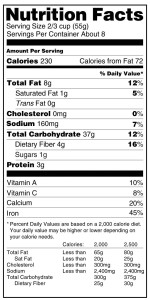
The first rule states the need for a design change on the label. It will make the label easier to read and it will reflect a change in nutrition recommendations from the Dietary Guidelines for Americans, which have been published and updated three times since the first labeling law was enacted.
In the proposed first rule
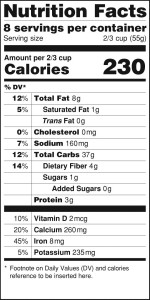
- Added sugars will be distinguished from naturally occurring sugars. The FDA is trying to end the confusion on how much sugar was added to the package versus how much is naturally found in a food.
- Daily values are updated for sodium, fiber, and Vitamin D to reflect current research and health guidelines.
- Potassium and Vitamin D are now required on the label because they are nutrients of concern.
- Total fat, saturated fat, and trans fat are required but calories from fat will be removed because the type of fat is more important than the total amount of fat.
- Calories and serving sizes are more prominent to help address public health concerns today such as obesity, diabetes, and cardiovascular.
- The percent of daily value will be more prominent to help consumers understand how a food fits into their total diet.
The second proposed rule is to update the serving size requirements along with the new labeling requirements for certain package sizes.
- If there is a drink or package that is typically eaten in one setting, the label will reflect that.
- Larger packages that could be consumed in one sitting or multiple sittings will have dual column labels to indicate both per serving and per package calories and nutrient information.
The FDA’s goal is to expand and highlight the information they most need when making food choices. The goal is to make people aware of what they are eating and give them tools to make healthy dietary choices throughout the day.
A comparison between the current and new label are shown below. The current label is shown first with the proposed new label below. What do you think about the changes? Will it be easier for the consumer to make healthy choices? Is it easier to read and understand? We’d love to hear your thoughts and opinions!
-Submitted by Jessica Claussen, SDSU Dietetic Student
by Dan | Jun 1, 2014 | Exercise, Family, Motivation, Wellness/Health

Sarah and I took my mom out to Albuquerque to see my brother and his family. Even though we were not at home, we went running everyday. It was a very nice change of pace. Going out running is a great way to go see sites. After Sarah and I did our run, we were joined each day by my nephew Richie, and their dog Oscar, who loved to go out and run. Here they are with Sarah.

Of course I got to pose with them too. Great scenery there, and the view of the mountains was so nice for watching each day.

Of course, it was always a race back to the house once we got to the halfway point. Great way to exercise for everybody. Oscar was also great to have along. First time running with a dog again since Buddy passed in March. Hopefully I will have some other news coming in the very near future in regards to a new training partner coming. I can’t wait! More to come on that later. Keep moving everybody!
Dr. Dan
Consecutive Exercise Day #: 2438
