by kelsey | Aug 11, 2015 | Diabetes, Diet, Food, Heart Health, Weight Management, Wellness/Health

Breakfast is one of the most important meals of the day! Yes, you have probably heard this before, but are you a breakfast eater!? Having a good breakfast is a great way to start out the day. It’s not only important for our body, but our mind too. Many times we’ll have excuses such as I was running late, I didn’t feel like eating, I’m not hungry in the morning, and this actually accounts for about a 1/4 to a 1/3 of the population! Starting the day without breakfast is like driving your car on a low tank of gas. We know we can’t go on forever on a low tank of gas, so we shouldn’t do that to our bodies either! Those that skip breakfast tend to snack more on high fat and lower nutritious foods…and are more likely to overeat at lunch because they are over-hungry. Studies have also shown that those working on weight loss are more successful when they eat breakfast as this really jump starts their metabolism and starts their day off right. In addition, eating a healthy breakfast helps our kids excel in school as it helps fuel the brain!
So what should you eat for breakfast? It’s important to get a balance at your meals and especially include a source of protein and a whole grain as these provide satiety. Here are some examples for you:
- Ready-to-eat cereal (>3g fiber, <2-3g fat, a ratio of greater than 4 g carbohydrate:1 g sugar)
- Hot cereal (oatmeal)
- Bagel with low-fat cream cheese or peanut butter
- Yogurt Parfait
- Fruit and yogurt smoothie
- Peanut butter or hummus on whole-wheat toast
- Breakfast quesadilla with low-fat cream cheese and sliced fruit
- Breakfast burrito or taco
- Toasted whole-wheat English muffin with lean ham and low-fat cheese
- Toasted pita with scrambled egg and low-fat cheese
- Low-fat milk and 100% fruit
If you are one who is not a fan of breakfast but understands the importance of it, I encourage you to try a variety of these options and see which one works best for you. I also encourage you to plan ahead. You may need to wake up 5 minutes earlier to fit breakfast in or make your smoothie the night before so all you have to do it pull the bottle or container out of the freezer or fridge in the morning and drink it on your way to work. Starting your day with a full tank will provide long lasting benefits to you and your body!
-Kelsey
by Dan | Aug 9, 2015 | Exercise, Motivation, Wellness/Health
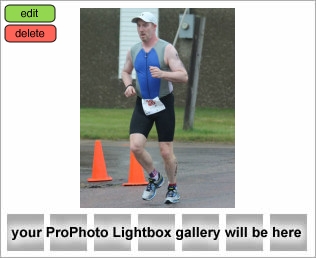
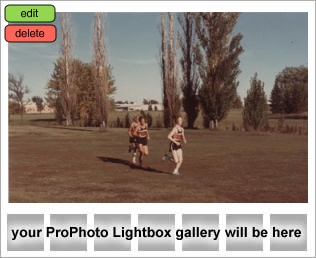
I first started to run in middle school, going out for Cross Country in 7th. Needless to say, I never really liked it then, and quit. I would run on and off on my own, but very sporadic. I started to do a little more in high school, but still never went out for school sports. Then the Spring of my Junior year of high school I entered the Diet Pepsi 10k race in SF. At that point, this was the furthest I had run at one time. In that race was Dick Beardsley, and he won the race in 29:50. I remember seeing one runner out front and literally “flying” down the road. I was running with my mouth open just watching him go. Later that day when I went to work that afternoon, I saw this same guy running down 41st in SF…again, just “flying”. I later found out this was Dick Beardsley, and up and coming marathon runner. He later won Grandma’s Marathon in 1981, a few months after this race, setting the course record that still stands at 2:09:37. He later won again in 1982. He is even more famous for the “Duel in the Sun”, battling Alberto Salazar at the Boston Marathon in 1982, losing by 2 seconds! He ran a 2:08:53! Incredible time! Watching him run set the tone for me. That Diet Pepsi 10K race, and watching him, sparked an interest in me that continues to this day. This is when I first really started running. I went out for Cross Country then that Fall for my senior year, and then also ran track in the Spring of 1982. You can say I definitely had a late start. I then ran Cross Country and Track all 4 years at Augustana…all because of Dick Beardsley! He is without question my running hero! I have seen him twice over the years at different events…the first time in 2002 when I ran at the Twin Cities marathon. He autographed my race number, and a copy of his book: “Duel in the Sun”. Then again 2 years ago at the Fargo Marathon, where I got to have my picture taken with him, and two other very important people…my other training partners– Tom Beaudry and Steve Hauck. Incredible memories! But this is truly how I got started with running, and have kept going since. I am “in it for the long run”! Below are pictures of Dick Beardsley with Tom and Steve, and myself, and from my beginning days as a Washington Warrior as a senior in high school, followed by my autographed race number by Dick Beardsley. Each week I will follow with another in a series of my “In It For the Long Run”, as I chronicle my years of running…to finish up then where I am at today.
Keep moving everybody! Deep down, I bet there is someone out there that influences you, and may help motivate you! Keep them in mind as you continue on with your journey, and live life to the fullest!
Dr. Dan
Consecutive Exercise Day #: 2872



by kelsey | Aug 5, 2015 | Etc.

In about a month, our 12 week wellness program “STRIVE 2 Survive” starts! The first lecture will be held September 8th (the Tuesday after Labor Day) and we will meet in person on the dates listed below (Tuesdays) at the County Fair Banquet Hall from 5:30-6:30pm. The weeks we do not meet, you will be given a take home lesson mailed or emailed to you, thus every week you will be given education, tips, etc on nutrition and activity. In addition, we include lab work (total lipid panel and glucose) and body composition testing (weight, height, BMI, blood pressure, fat%, and muscle mass) at the beginning and end of the program. The total cost is $130, which includes all lessons, lab work, and body composition testing.
Our main goal is to help you learn how to live a healthier lifestyle that promotes disease prevention, longevity, and quality of life. Weight loss, improved lipids, improved glucose, improved blood pressure, and improved overall health are all results of our program.
Enrollment is underway, thus if you are interested or know of someone who is, please contact us to learn more and get signed up! You can call me directly at 884-4226 or email strive2survive@brownclinic.org. We are looking forward to another great session!
September 8: “Healthy Eating Made Easy” Kelsey Raml, MS, RD, LN
September 29: “Exercise for the Health of It” Dr. Dan Reiffenberger & Dr.Torness
October 13: “Your Equation to Success” Dr. Jon McAreavey
October 27: “A Walk thru the Wellness Wheel” Dr. Clark Likness
November 10: “Medications…to do or not to do” Deidra VanGilder, PharmD
November 24: “Making Health a Way of Life” STRIVE Team
-Kelsey
by kelsey | Aug 4, 2015 | Diet, Weight Management, Wellness/Health

Controlling your weight is not an impossible task. When you reach your desired weight, a positive attitude is very important in your efforts to successfully manage it. To lose weight permanently, you must make a commitment to gradually adopt a healthier way of life. Here are a few tips:
- Set realistic weight loss goals, such as 1 to 2 pounds weight loss every couple weeks. Those who lose weight slowly, by eating less and exercising more, tend to keep their weight lost off.
- Eat fewer calories by cutting down on portions and/or decreasing the total amount of fat you eat.
- Do not skip meals. Eating 5 smaller meals a day helps to increase your metabolism.
- Keep low calorie, low fat snacks on hand, such as pretzels, raw vegetables with low calorie dips or fruit.
- Choose foods high in fiber such as whole-grain breads, cereals, pasta, rice, fruits, and vegetables.
- Eat a variety of foods to get all the nutrients you need.
- To ensure you are eating healthy, keep an accurate food journal. Write down everything you eat or drink. Be honest and accurate, otherwise the journal is not as helpful. The food journal will help you learn about your eating habits and help you assess the food choices you are making.
- Establishing a regular exercise routine is equally important. Aim for at least 30-60 minutes/day.
This is a glimpse of what we will cover in our 12 week STRIVE 2 Survive program! Our fall session starts September 8th and enrollment has begun! Contact us today to learn more and get signed up!
-Written by Megan Tschakert, SDSU Dietetic Student
by Dan | Aug 2, 2015 | Etc.
It has been many years since I started running…dating back to middle school. I ran on my own at that time, and then went out for Cross Country my senior year of High School, and then ran competitively all 4 years of college at Augustana. It was a great experience, and truly set the foundation for a lifetime of running. It has now been 29 years since I graduated from college, and am still running. I think it is safe to say I am definitely in it for the long run! I guess that is why I run marathons too…for the long run! Running has taught me so much over the years, and has taken me more places than I could have ever thought possible. I love running, and it is now a part of me forever. Throughout the years, it has helped me meet new people, make new friends, but more importantly, it has helped me be a better husband, Dad, and doctor. I can relate to a lot of the same issues other people have experienced, or are experiencing at the time. There have been memorable things that have occurred over the years, and I think it may be time to start writing about them as well. So I have a plan outlined that could cover the next several months of what running/exercise has done for me. It will include my family, both with my wife Sarah and my kids, but also my extended family, and the times we have spent growing up, and time we spend now. I have had many training partners over the years, all of which have a special place in my heart, and all who have provided different insight into not only running, but also life! Where do I start with all the friends I have made as a result of running? I will write about exercise has challenged me as a doctor, and how I try to promote exercise to all of my patients, and how I have had many success stories, not only with my patients, but even my staff. It has been an adventure all along the way, and hope that it continues for many years to come. I still have a lot to learn yet…and must always remember, nobody knows everything. We are all continuing to learn and grow from our experiences, and we all need to pass that knowledge on. Stay tuned as I share my experiences from all of this, and hope that it can do the same for you! After all, this is about how we need to STRIVE to SURVIVE, and as a result, THRIVE! My life so far has been a definite Thumbs Up, as you will see with the picture below. Following this are a few pictures that include me running, followed by some very important people in my life…my wife Sarah, and very good friends Carletta and Steve Hauck, and great training partners, Tom Beaudry and Steve Hauck. This is just to get things started, as I will expand on more of these issues, and people, in the upcoming months…I just don’t have enough room to put them all in here yet! They will show up later! In this fast pace we call life, sometimes things have to slow down just to reflect back and appreciate everything we have, and have done. By the time I wrap all of this up, you will see that we all need to take the time to smell the roses along the way! Enjoy your life, and the things/people in your life. Keep moving everybody!
Dr. Dan
Consecutive Exercise Day #: 2865