by kelsey | Jul 11, 2012 | Diet, Food

Hello again! I apologize for the lack of posts this last week! I took a little vacation with the 4th of July holiday last week. I hope everyone had a wonderful holiday and holiday week! Despite the warm temps, I hope you were able to get out and enjoy it. Before we know it we’ll be complaining about snow, wind, and ice, so take advantage of these sunny, warm days!
I spent last weekend at the lake fishing and boating. It was fun to spend time with family while enjoying the outdoors. We had a fun time fishing and eating our fresh catch. Many times during my visits with patients who are working to improve their cholesterol levels, we discuss types of fats and the benefits of the good fats such as omega-3 fatty acids. The fresh fish found in our local lakes are a great source of lean proteins, however they do not have much omega-3 fatty acids. The fish that have omega-3’s are fatty fish such as salmon, herring, tuna, trout, seabass, and mackerel. These are harder to get since these fish aren’t as readily available as our walleye, perch, and northern are. This is why many take a fish oil supplement as they aren’t able to get adequate amounts through their diets to provide the benefits needed to improve lipid levels.
Fish oil or omega-3 fatty acids can reduce your total cholesterol and triglycerides. They can also increase your HDL in small amounts, but they can also increase your LDL as well. If you have high LDL cholesterol taking a fish oil supplement may not be the best for you, so you should always discuss it first with your doctor. The recommended dosage varies from 1-4g/day and you want to have at least 1g of DHA and EPA combination.
Now it’s still good to get out and enjoy our local lakes and rivers and your fresh catch, but keep in mind these local fish do not have much omega-3’s, so if you’re looking for that benefit then you’ll want to incorporate more fatty fish into your diet or consider a supplement. In addition, you will also want to consider a healthy cooking method for your fish, such as grilling, broiling, or baking rather than frying. If you do decide to fry, be sure to use a healthy oil such as olive or canola oil.
-Kelsey
by kelsey | Jun 28, 2012 | Cooking Tips, Food
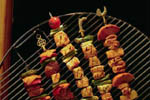
With the 4th of July right around the corner, you may be busy making plans with friends and family which always involves planning a menu. Summer gatherings are known for picnics and outdoor eating, and often times food safety is overlooked. One small mistake of food safety can result in foodborne illness and sicken your whole crew. Here are some tips to avoid foodborne illness.
1) Wash your Hands: many times foodborne illness can be avoided by simply practicing proper hand washing techniques. Be sure to wash your hands before cooking, after handling raw meat, and before eating. If running water is not available, bring hand sanitizer and rub it all over your hands, inbetween fingers, and around your nails.
2) Use sealed containers for packing your coolers: If juices from raw meats drip into your cooler and mix with other items, it creates the perfect environment for bacteria to grown. Use ziplock or sealed tight containers for packing your goods. If running water isn’t available, be sure to wash your produce before you leave home!
3) Avoid cross-contamination: bring two sets of utensils and plates to avoid cross contamination. One set for the raw food and one set for the cooked food.
4) Use a good cooler: Make sure your cooler is up to par for keeping your foods cool and be sure to leave enough room (1/4) of it for ice, ice packs, etc. Pack cool and hot foods separately and be sure to use your thermometer to check the temperature of the cooler throughout the day. Temperatures should be under 40 degrees.
5) Dont’ let food sit out: The danger zone for bacteria growth is between 40 and 140 degress F. Bacteria can double in a matter of 20 minutes when in this zone. Do not let any food sit out for more than 2 hours and if the temperature is higher than 90 degrees F, food should only sit out for an hour. Be especially mindful of meats, salads made with a mayo base, and anything dairy.
6) Use a thermometer: Meats needs to be cooked to certain temperatures to ensure doneness and eliminate bacteria. Hamburger must be cooked to 160 degrees F and chicken- 165 degrees F. If you are unsure of what temp your meat should be cooked to, please refer to this chart: http://homefoodsafety.org/cook
Enjoy and be safe!
-Kelsey
by kelsey | Jun 19, 2012 | Food
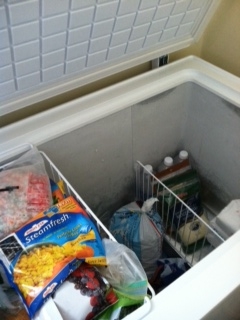
With the recent storms, you may have experienced a power outage. Without power to your refridgerator or freezer for extended periods of time, the safety of the food inside it is being compromised. Proper food safety practices are essential to avoid food borne illness, so here are some tips for you if you lose power in a storm:
- The fridge will keep food safe for up to 4 hours if the door remains closed. So try not to open and close the door as everytime you do that, you’ll lose some cooling inside.
- A full freezer will keep food cold for 48 hours, however a freezer half full will only keep cold for 24 hours as long as the door remains closed.
- For extended power outages, store refridgerated items in dry ice or in a cooler with adequate ice to keep the food below 40 degrees F. You want to keep frozen goods at 0 degrees F or below.
- Keep a thermometer handy to help you monitor the temperatures.
Hopefully we won’t have to worry about this, but it’s always good to be knowledgable of the safe practices!
-Kelsey
by kelsey | Jun 14, 2012 | Diet, Food, Weight Management, Wellness/Health
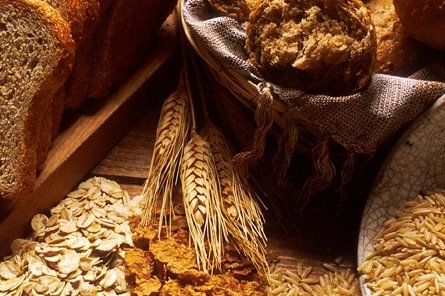
Carbohydrates are a common topic when discussing diets and nutrition. Many people feel carbs are bad for us and can cause weight gain and other issues with our bodies. Many times diet companies promote following a diet low in carbs because it promotes greater weight loss, which in turn leads consumers to believe that carbs are bad for us. The problem with many of these companies is that they are not providing the most scientific evidence and information to their consumers as they are trying to sell a product and make money! In addition, many of the representatives selling the products do not have a formal education in nutritional sciences, physiology, and/or medicine. This is a very important concept to understand about the supplement and diet industry.
When looking at a carb restricted diet, there is always going to be initial weight loss due to hydration because the glycogen (storage form of carbs) attracts water. When the glycogen stores are depleted, the total body fluid levels decrease, resulting in weight loss. This process is ok for the body short term, however following a carb restricted diet long term can result in a state called ketosis. Ketosis is a state where the body burns its own fats for fuel and also produces ketone bodies. Normally the body burns carbohydrates for fuel and is a main source of energy for our brain, heart, central nervous system and many other organs. Ketones are small carbon fragments that are created by the breakdown of fat. When the body is in ketosis, you may feel less hungry, resulting in a decrease in caloric intake, however ketosis can lead to serious health problems.
Results of ketosis include:
- Kidney Failure: a high protein diet can cause signficant stress on the kidneys, thus putting a person at risk for kidney disease
- High Cholesterol: high protein diets are often high in fats coming from the greater consumption of red meats, whole fat dairy products, and other high fat foods. Many credible studies have linked high cholesterol levels to increased risk for heart disease, stroke, and cancer.
- Osteoporosis & Kidney Stones: when following a high protein diet, the body tends to excrete more calcium through urine, thus putting you at risk for osteoporosis and kidney stones.
- Restrictive diets can always cause issues with lactation, menstrual periods, and hormone balance in the body.
The dangerous metabolic state of ketosis may seem pleasing at the beginning as you think it’s ok to burn some fat off, however that state can be very dangerous to the body long term. There is limited research indicating that the body can stay in this state long term due to the negative side effects. Ketosis can be prevented by eating at least 100 grams of carbohydrates a day. Thus a moderate intake of carbohydrates is the best for our bodies.
The diets that have been proven most effective for weight loss and disease prevention are the DASH (Dietary Approaches to Stop Hypertension) and the TLC (Therapeutic Lifestyle Changes) diets. Both of these diets promote a balanced intake that is high in fruits and vegetables and includes lean proteins, low fat dairy products, and moderate higher fiber carbohydrates. This is what we promote in STRIVE 2 Survive. We are aimed at promoting lifestyle changes through dietary and exercise interventions with a long term result of disease prevention. All of us at Brown Clinic and our STRIVE 2 Survive Team have formal education in the science areas, including anatomy, physiology, biology, biochemistry, pharmacology, & medicine. I, myself have specialized education in nutrition sciences and weight management.
Weight loss isn’t easy. If is was, we wouldn’t have over 50% of Americans struggling with it. Next time you’re approached by someone promoting a product or you consider a low carb diet to help you lose weight faster, think about the science behind this process. It’s very important to check with your doctor, pharmacist, or myself to make sure it’s safe for you and your body. The supplement industry is not regulated by the FDA so many ingredients may interact with your medicines and health conditions.
-Kelsey
by kelsey | Jun 12, 2012 | Diet, Food
When people think of summer it brings to mind family reunions, picnics, campfires and consequently hotdogs, potato salads, and s’mores. Here are some tips to make those summer months healthier:
-Summer is the best time of the year for fruits and vegetables! More fruits and vegetables are in season and are wonderful to incorporate in your diet. Try planting your own garden or checking out the local farmer’s market to stock up on a variety of fruits and vegetables.
-Hotdogs and burgers are trademarks for summer. Instead of a sodium and fat packed hotdog or brat try to go for grilled chicken or lean red meats. If you are really craving that hotdog opt for the lower in fat turkey dog and watch your portions.
– Macaroni salad and potato salad are featured at the usual family get-together. The majority of these salads are going to contain high amounts of fat. Opt for fresh fruit or bring your own salad made with a low fat mayonnaise, low-fat Greek yogurt, or low fat sour cream.
-Be sure to drink plenty of water! Having at least eight 8oz. glasses a day is important to stay hydrated during the hot summer months.
– As for the infamous s’more, try dark chocolate and bananas (replacing the marshmallow) which will give you some antioxidants as well as taste great! Or just cut your portion to one s’more since it’s hard to mess with a classic!
*This blog post was wrote by Megan Lauseng, USD Dietetic Intern
-Kelsey
by kelsey | Jun 6, 2012 | Food, Weight Management

As the summer temperatures go up, so does our taste and desire and for frosty drinks. Unfortunately, most of those tasty drinks such as margaritas, mudslides, and daiquiri mixes are loaded with extra calories from sugar…and then more calories are added from the alcohol! A tall glass of a frozen drink such as these can give you anywhere from 300-500 calories! Wheras, a glass of beer will have about 180-250 calories and wine will give you about 225-250 calories in about 10 oz.
If you are one who enjoys these fruity drinks, try using a low calorie or calorie free mixer such as diet soda, lime, or diluted juice. In addition, you’ll want to be careful of the tonic water mixer as that can have alot of calories as well. Another way to lessen the added calories, is to use the real fruit instead of the prepared mix.
In addition to alcoholic beverages, beverages like sweet tea, lemonade, and punch are common in the summer. All of these are very tasty and often times hit the spot on a hot summer day, but they do offer a lot of calories as well. Opt for the unsweetened tea or sweeten it yourself with artificial sugars such as Splenda. You can also choose the low calorie lemonade mixes such as Crystal Light to give you that tasty drink without the extra calories.
Liquid calories are hidden calories that we often don’t realize are adding up, so choose wisely…and enjoy!
-Kelsey
