by kelsey | Mar 26, 2014 | Family, Food
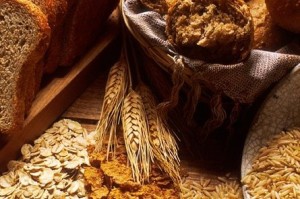
Yesterday was National Ag Day. Many don’t think about where our food comes from or the effort it takes to put it on our tables. We just go to the store, pick up what we want, and eat it…a simple process right! In reality, there is a great deal of planning, hard work, and efforts that go into putting that food on your table. There truly is an art and science to farming, raising cattle, and livestock. This includes planting techniques, seed technology, keeping the plants growing to produce a bountiful harvest, harvest timing, and the markets (selling the product). Successful farmers today truly have to have a vast knowledge of agriculture, animal science, and ag business.
A few fun facts for you about agriculture in South Dakota include:
- 8% of farms in South Dakota are family owned and operated – in fact, over 2,500 South Dakota farms have been in the same family for more than 100 years.
- The average size of a farm in South Dakota is 1,374 acres.
- The average age of a South Dakota farmer is 55.7 years.
- There are 46,000 producers in South Dakota on 31,800 farms.
- Each year, one South Dakota producer raises enough food to feed 155 people in the U.S. and abroad.
- South Dakota’s agriculture industry has a $20.9 billion economic impact each year.
- In addition to generating 20% of our state’s economic activity, production agriculture and its value added industries employ over 80,000 South Dakotans.
- http://sdda.sd.gov/education-outreach/agriculture-industry/
Producing the food that you put on your table, truly is a labor of love and hard work, so in celebration of ag day, I encourage you to thank our local farmers and ranchers for helping put that delicious food on your table… and take extra appreciation of it!
Here are a few pictures from our life on the farm.
Harvesting soybeans.

Dumping the soybeans from the combine to the grain cart, which then gets dumped in a hopper (attached to a semi) and brought to the elevator.

Cattle grazing.

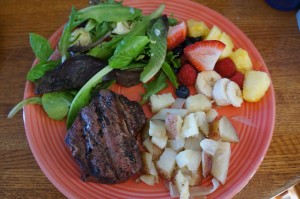
From ranch to table…a healthy plate of fruits, veggies, home grown potatoes, and home grown Raml steak.
Happy Ag Day!
Kelsey
by kelsey | Mar 20, 2014 | Cooking Tips, Diet, Eating Out, Food, Weight Management

Last year during Lent, I posted a comparison chart for fish selections at fast food restaurants. Since we’re now in the middle of Lent, I thought it was worthy of re-posting. Many of you are eating more fish right now than you ever do due to the Lenten season. All of the fish sandwiches you get at fast food restaurants are breaded and fried, but how to do know what’s better than others? I did a little research for you to help you make better choices. When you look at the chart below, please take note of the calories, total fat, saturated fat, trans fat (the only place that has trans fat is Culvers), sodium (recommended to stay below 2400mg/day), and cholesterol (recommended to stay below 300mg/day). The carbohydrates are coming from the bun and a little from the breading and can easily be dropped by taking off half of your bun. Other important things to note is that holding the tarter sauce can save you about 100 calories and 5-10g of fat. Another healthy choice would be to get a side salad, instead of fries with the sandwich. The best choices are the McDonalds Filet of Fish, no tarter sauce or Taco John’s Fish Taco, no sauce. Even better than eating out, would be to make your fish at home like my picture of grilled shrimp above. Choose healthy cooking methods such as baking, broiling, or grilling…try to avoid frying and incorporate some great vegetables with your fish for a well-balanced meal!
-Kelsey
Nutrient Comparison
References: restaurant’s websites, calorieking.com, and myfitnesspal.com.
|
Nutrition Facts |
|
|
|
|
|
|
|
|
| Food Item |
Calories |
Total Fat |
Sat. Fat |
Trans Fat |
Cholesterol |
Sodium |
Total Carbs |
Fiber |
Sugar |
Protein |
| McDonalds Filet of Fish |
380 |
18g |
3.5g |
0 |
40mg |
610mg |
39g |
2g |
5g |
16g |
| *McDonalds Filet of Fish-No Tarter |
290 |
9g |
2g |
0 |
30mg |
530mg |
38g |
1g |
5g |
15g |
| Burger King Fish Sandwich |
590 |
31g |
5g |
0 |
45mg |
1480mg |
57g |
3g |
8g |
21g |
| Burger King Fish Sandwich-No Tarter |
410 |
12g |
2g |
0 |
30mg |
1240mg |
53g |
3g |
6g |
21g |
| *Taco Johns Fish Taco |
280 |
14g |
4.5g |
0 |
35mg |
1160mg |
29g |
2g |
3g |
10g |
| Arby’s Fish Sandwich |
570 |
25g |
4g |
0 |
45mg |
1010mg |
64g |
2g |
9g |
21g |
| Arby’s Fish Sandwich-No Tarter |
450 |
15g |
2.5g |
0 |
35mg |
730mg |
59g |
2g |
6g |
21g |
| Culvers Cod Filet |
663 |
40g |
7g |
1g |
76mg |
979mg |
47g |
1g |
5g |
31g |
| Culvers Cod Filet-No Tarter |
|
553 |
27g |
5g |
1g |
58mg |
877mg |
46g |
1g |
5g |
31g |
| Culvers 3 piece Cod Dinner |
1929 |
132g |
22g |
2g |
196mg |
2444mg |
108g |
8g |
18g |
75g |
| Culvers 3 piece Cod Dinner-No Tarter |
1553 |
96g |
16g |
2g |
148mg |
2172mg |
106g |
8g |
18g |
75g |
|
|
|
|
|
|
|
|
|
|
|

by kelsey | Mar 19, 2014 | Cooking Tips, Diet, Food, Weight Management
Fish is not the most popular protein in our area since we are a land locked, northern state. Our mid-western diet typically includes proteins from beef, chicken, and pork…and fish often gets overlooked. During the Lenten season, it’s a good time to try out some new varieties and types of fish as they are better stocked and often times are better priced (ie- salmon, mahi-mahi, talapia, etc). The frozen bags of fish often have the filets in individual servings or two servings in a wrap so you can just take out as much as you need and then put the rest of the bag back in the freezer. Fish is a very lean and low fat protein so if you are watching your weight, it’s a good choice. Another benefit of some types of fish is the omega 3 fatty acids. Fatty fish such as herring, trout, tuna, mackerel, seabass, and salmon have these good fats. Our fresh water fish from around here such as walleye, northern, and perch, do not have these fats, however they are still lean proteins. It is recommended to incorporate two servings of fish into your weekly intake, so get into the habit of this during Lent and it could stick!
When we eat fish, we often think of it as breaded and fried, however that is not the healthiest choice. Instead of frying try these cooking methods:
- Grill: Season the fish with herbs and spices and a little lemon juice (from real lemons!). Lightly brush the fish with a little olive or canola oil so it won’t stick to the grill and cook for 10-20 minutes. The picture shows one of my favorites: grilled shrimp.
- Saute: You can saute any type of skinless fish. Again, season as desired and then heat a little olive or canola oil in the skillet on medium-high. Cook the fish for 2-3 minutes on both side.
- Poach: Place the fish in a saucepan or deep skillet and add enough stock, water, or wine to barely cover the fish. Add your seasonings, herbs, or spices and bring the liquid to a simmer on medium heat. Simmer for 10 minutes or until the center is opaque. Then you can dress it up with a sauce if desired.
- Bake: lightly coat a baking sheet with cooking spray and arrange the seasoned fish fillets on the sheet with seasoning. Bake for 7-10 minutes…you do not need to flip the fish. You can also put the fish filet in tin foil so the seasonings and herbs really flavor the fish.
- Broil: season the fish filet and brush with olive oil. Place on a broiler pan rack and broil 4-6 minutes on each side.
- If you choose to fry, try making it a little healthier by using an egg white to coat your filet, use canola oil to fry in, and instead of the white flour coating, try whole grain cracker or bread crumbs.
- When your fish is opaque and flakes easily, your fish is fully cooked.
Give it a try…you may be surprised how much you like it!
-Kelsey
by kelsey | Mar 13, 2014 | Cooking Tips, Diabetes, Diet, Food, Weight Management, Wellness/Health


In celebration of RD Day and Nutrition Month, I thought I’d give you some ideas on ways to get your 5 servings a day of fruits and veggies. We all need to work at getting more fruits and veggies in our diets as they are loaded with vitamins and minerals and aid in disease prevention. Including more fruits and veggies in your diet doesn’t have to be a challenging task! Here are some suggestions to help you boost your intake.
1. Variety abounds when using vegetables as pizza topping. Try broccoli, spinach, green peppers, tomatoes, mushrooms and zucchini.
2. Mix up a breakfast smoothie made with low-fat milk, frozen strawberries and a banana.
3. Make a veggie wrap with roasted vegetables and low-fat cheese rolled in a whole-wheat tortilla.
4. Try crunchy vegetables instead of chips with your favorite low-fat salad dressing for dipping.
5. Grill colorful vegetable kabobs packed with tomatoes, green and red peppers, mushrooms and onions.
6. Add color to salads with baby carrots, grape tomatoes, spinach leaves or mandarin oranges.*
7. Keep cut vegetables handy for mid-afternoon snacks, side dishes, lunch box additions or a quick nibble while waiting for dinner. Ready-to-eat favorites: red, green or yellow peppers, broccoli or cauliflower florets, carrots, celery sticks, cucumbers, snap peas or whole radishes.
8. Place colorful fruit where everyone can easily grab something for a snack-on-the-run. Keep a bowl of fresh, just ripe whole fruit in the center of your kitchen or dining table.
9. Get saucy with fruit. Puree apples, berries, peaches or pears in a blender for a thick, sweet sauce on grilled or broiled seafood or poultry, or on pancakes, French toast or waffles.
10. Stuff an omelet with vegetables. Turn any omelet into a hearty meal with broccoli, squash, carrots, peppers, tomatoes or onions with low-fat sharp cheddar cheese.
11. “Sandwich” in fruits and vegetables. Add pizzazz to sandwiches with sliced pineapple, apple, peppers, cucumber and tomato as fillings.
12. Wake up to fruit. Make a habit of adding fruit to your morning oatmeal, ready-to-eat cereal, yogurt or toaster waffle.
13. Top a baked potato with beans and salsa or broccoli and low-fat cheese.
14. Microwave a cup of vegetable soup as a snack or with a sandwich for lunch.
15. Add grated, shredded or chopped vegetables such as zucchini, spinach and carrots to lasagna, meat loaf, mashed potatoes, pasta sauce and rice dishes.
16. Make fruit your dessert: Slice a banana lengthwise and top with a scoop of low-fat frozen yogurt. Sprinkle with a tablespoon of chopped nuts.
17. Stock your freezer with frozen vegetables to steam or stir-fry for a quick side dish.
18. Make your main dish a salad of dark, leafy greens and other colorful vegetables. Add chickpeas or edamame (fresh soybeans). Top with low-fat dressing.*
19. Fruit on the grill: Make kabobs with pineapple, peaches and banana. Grill on low heat until fruit is hot and slightly golden.
20. Dip: Whole wheat pita wedges in hummus, baked tortilla chips in salsa, strawberries or apple slices in low-fat yogurt, or graham crackers in applesauce.
Source: Academy of Nutrition and Dietetics: www.eatright.org.
http://www.eatright.org/nnm/handoutsandtipsheets/#.UyHnjs47Bw0
-Kelsey
by kelsey | Mar 6, 2014 | Cooking Tips, Diet, Food, Heart Health, Weight Management, Wellness/Health
Today’s post is written by USD Dietetic Intern Vanessa Fischer.
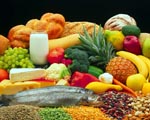
March is National Nutrition Month, and as part of the 2014 celebration, I’d like encouraging everyone to “Enjoy the Taste of Eating Right”. When it comes down to choosing the foods we eat the most, its taste over nutrition most of the time. So why not make taste your top priority when cooking healthy meals at home? Spices can be a great healthy alternative to adding flavor, without all the extra sodium, and a perfect solution to making your meals flavorful and delicious. Here is some spice advice to help you in preparing nutritious meal that taste great!
First, there is not a rule for the amount of spices that can be added to a dish, however herbs and spices should be used to enhance a recipe, not disguise the foods natural flavors. Since we don’t always have time look up recipes, here are some tips to start flavoring foods in your kitchen with some of your favorite spices.
– Start out adding about about ¼ teaspoon for:
- 4 servings
- Per pound of meat
- 2 cups of sauce or soup
– Use less (1/8 teaspoon) for more intense seasoning (red pepper or garlic powder) that increases in flavor when cooked.
– Be sure that your spices are fresh.
- Green leafy herbs should be green in color. Less fresh herbs will be faded.
- Red spices that are browner in color indicate that they should be replaced for freshness and best flavor.
Secondly, when working with spices, timing is everything! Try following these tips to get the best flavor out of the spices you use.
– Add whole spices and those used for soups and sauces at the beginning.
– Crushed or ground (basil, parsley, thyme, etc.) are best-added 10-20 minutes prior to serving because they tend to loose potency in the cooking process.
– For a more distinct flavor, add spices towards the end of cooking. The longer the herbs are cooked the more blended the flavor will be.
Lastly, if you are like me, you’re on the go everyday all day. Who has time to plan out recipes for seasoning? It is a great idea to keep seasoning blends in your cupboard for quick use when you are in a pinch for a speedy meal that is sure to impress. Try some of these easy blends or use them as a basis to create your own!
Chicken Seasoning: Try with your favorite chicken dish or casserole.
- 3 tablespoons dried rosemary
- 3 tablespoons dried oregano
- 3 tablespoons dried sage
- 2 tablespoons dried ginger
- 2 tablespoons dried marjoram
- 2 tablespoons dried thyme
- 1 tablespoon black pepper
Caribbean Jerk Seasoning: Perfect if paired with beef. Try mixing with a small amount of honey and lightly coating your meat of choice for a little sweet with your spice.
- 1/4 cup Onion Powder
- 1 tablespoons Sea Salt (Optional)
- 2 tablespoons Thyme
- 2 teaspoons ground Allspice
- 1 tablespoon Cinnamon
- 1 teaspoon Cayenne Powder
Herbs de Provence: This blend is simple and versatile. Goes great with all types of meat, salads, and soups.
- 1/2 cup Thyme Leaf
- 1/4 cup Marjoram Leaf
- 2 tablespoons of cut and sifted Rosemary Leaf
- 2 tablespoons Savory
- 1 teaspoon of Lavender Flowers (lightly ground-optional)
- 2 teaspoons dried orange zest (optional)
- 1 teaspoon ground Fennel
Asian Seasoning: Can be used in any Asian style dish or stir-fry!
- 2 tablespoons Anise Powder
- 1 tablespoon Ground Pepper
- 1 tablespoon ground Fennel
- 1 tablespoon Cinnamon
- 1 tablespoon ground Cloves
- 1 tablespoon sea salt (optional)
Enjoy the taste of eating right!
by kelsey | Feb 12, 2014 | Cooking Tips, Diet, Food, Heart Health, Wellness/Health
In celebration of National Heart Month I cannot resist reminding you about the significance diet and activity play in promoting a healthy heart. Heart disease is the number one killer of Americans and affects both men and women. Genetics do play a role, however a heart healthy diet and and regular activity can help minimize the effects and complications of heart disease. Whether you have heart disease in your family or not, it’s still good to follow a heart healthy eating plan. Highlights of the diet include:
- Lots of fruits and veggies! I’m sure you already knew this one, but the benefits of getting your 5 a day servings of fruits and veggies are worth reminding you again. Most of us know this, the hard part is doing it. Try adding them to your meals, have fruit as a snack, get a double serving to help you reach this goal.
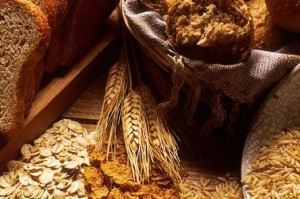
- Fiber! Fiber is very beneficial in combating heart disease. Incorporating more whole grains (and fruits, veggies, and beans/lentils) into your diet will increase your fiber and aid in heart health. Oatmeal, brown rice, wild rice, whole grain noodles, whole grain breads, and even popcorn are considered whole grains. Aim to get at least 25-35 g/day.
- Choose lean proteins. Decreasing the amount of saturated fat in your diet will help reduce plaque buildup. Choose white meat poultry without the skin, 90% or greater lean hamburger, fish, beans, etc….stay away from processed meats! Fatty fish such as salmon, tuna, herring, and trout offer additional benefits as they are loaded with healthy omega 3 fatty acids.
- Choose healthy fats. Incorporating more plant fats such as canola oil and olive oil into your diet and reducing your intake of saturated and trans fats has been shown to improve heart health. You want to choose foods that are lower than 5-8g of total fat per serving and <3g saturated and trans fat per serving. Choosing low fat dairy products will help reduce the amount of saturated fat in your diet as well.
- Hold the salt! Excess sodium can increase blood pressure and cause heart failure. Aim to keep your sodium intake below 2400mg/day. You can do this by doing more home cooking, avoiding boxed or packaged goods, cooking with salt free seasonings, and not using table salt.
- Exercise! At least 30 minutes of exercise a day has been shown to improve heart health. If you can do more, the better!
Making small changes or substitutions will help you have a healthier heart and reduce risk for disease. Reading labels is really essential to help you make good choices, so take some time in the grocery store and really examine the products to ensure you’re making healthy choices!
-Kelsey
