by kelsey | Mar 9, 2011 | Diet, Etc., Food, Heart Health, Weight Management, Wellness/Health

To help celebrate National Registered Dietitian’s Day today, I am going to discuss one of my favorite colors of produce: red! Red fruits and vegetables offer a great deal of vitamins and minerals that help maintain a healthy heart, vision, immunity, and like the other colors, help reduce cancer risks. Each color offers different nutrients, which is why we encourage you to get a balanced and colorful diet, ensuring you are meeting your nutrient requirements and aiding in disease prevention. Try adding some colorful red produce to your diet!
Fruits: cherries, cranberries, pomegranate, red/pink grape fruit, red grapes, watermelon
Vegetables: beets, red onions, red peppers, red potatoes, rhubarb, tomatoes
-Kelsey
by kelsey | Mar 8, 2011 | Diet, Food, Heart Health, Weight Management, Wellness/Health

As we work our way through the color wheel, we come to some of the brightest and richest colors: purple and blue. Purple and blue fruits and vegetables offer great antioxidants and anti-aging benefits. They can also help you with memory, urinary tract infections, and reduce cancer risks. Next time you’re at the grocery store, try adding a few selections of purple and blue produce to your cart!
Fruits: blackberries, plums, purple grapes, and raisins
Vegetables: eggplant, purple cabbage, purple-fleshed potato
-Kelsey
by kelsey | Mar 3, 2011 | Diet, Food, Weight Management, Wellness/Health

Orange and deep yellow frutis and vegetables contain nutrients that help promote vision and immunity. These antioxidants help reduce risk of some cancers as well.
Try adding a few of these tasty fruits and vegetables into your daily diet!
Fruits: apricots, cantaloupe, grapefruit, mango, papya, peach, and pineapple
Vegetables: carrots, yellow peppers, yellow corn, and sweet potatoes
-Kelsey
by kelsey | Mar 2, 2011 | Diet, Food, Wellness/Health
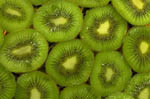
Green colored fruits and vegetables provide great antioxidants (disease fighting properties) and may help promote healthy vision and reduce cancer risk. Try brightening your plate up with some green produce!
Fruits: avocado, apples, grapes, honeydew, kiwi, and lime
Vegetables: artichoke, asparagus, broccoli, green beans, green peppers, and leafy greans such as spinach
-Kelsey
by kelsey | Feb 17, 2011 | Diet, Food, Heart Health, Wellness/Health

Red wine has gotten a lot of “buzz” in the news and media in the last several years regarding it’s link to prevention of heart disease. The main components of red wine that have been shown to be beneficial to us are the flavonoids and antioxidants which come from the red grape. According to the American Heart Association, there have not been any direct comparison studies to determine the specific effect of wine on the development of heart disease. The linkage in these studies may have also been due to other lifestyle factors such as increased activity and a diet low in saturated fats.
Overall, we know that red wine offers more heart healthy benefits than other varieties, however more studies need to be done to determine the exact relationship between red wine and heart health. As always, moderation is key. It is recommended that females have no more than 1 drink a day and males, no more than 2 drinks a day (a drink is one 12 oz. beer, 4 oz. of wine, 1.5 oz. of 80-proof spirits, or 1 oz. of 100-proof spirits).
-Kelsey
by kelsey | Feb 16, 2011 | Diet, Food, Heart Health, Wellness/Health
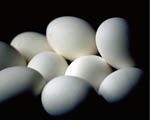
When we’re looking at heart healthy nutrition, eggs often come up in converstation. They seem to have gotten a bad reputation in the last few years as being bad for you and your heart due to the cholesterol found in the yolk. The yolk does have quite a bit of cholesterol, however the egg itself is an excellent source of protein (including several essential proteins) and unsaturated (healthy) fats. If you have heart disease or high cholesterol, it’s recommended to keep your intake to 3-5 eggs/week while still aiming to reduce your saturated and trans fat intake. If you like eggs and want them more than this, try using an egg substitute (liquid eggs) or have 2 egg whites for 1 yolk.
-Kelsey
