by kelsey | Jun 14, 2012 | Diet, Food, Weight Management, Wellness/Health
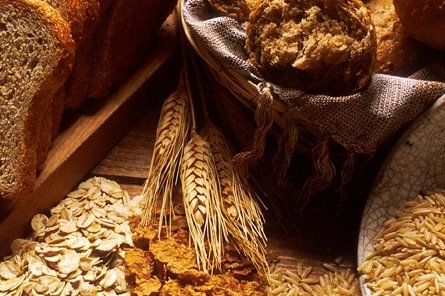
Carbohydrates are a common topic when discussing diets and nutrition. Many people feel carbs are bad for us and can cause weight gain and other issues with our bodies. Many times diet companies promote following a diet low in carbs because it promotes greater weight loss, which in turn leads consumers to believe that carbs are bad for us. The problem with many of these companies is that they are not providing the most scientific evidence and information to their consumers as they are trying to sell a product and make money! In addition, many of the representatives selling the products do not have a formal education in nutritional sciences, physiology, and/or medicine. This is a very important concept to understand about the supplement and diet industry.
When looking at a carb restricted diet, there is always going to be initial weight loss due to hydration because the glycogen (storage form of carbs) attracts water. When the glycogen stores are depleted, the total body fluid levels decrease, resulting in weight loss. This process is ok for the body short term, however following a carb restricted diet long term can result in a state called ketosis. Ketosis is a state where the body burns its own fats for fuel and also produces ketone bodies. Normally the body burns carbohydrates for fuel and is a main source of energy for our brain, heart, central nervous system and many other organs. Ketones are small carbon fragments that are created by the breakdown of fat. When the body is in ketosis, you may feel less hungry, resulting in a decrease in caloric intake, however ketosis can lead to serious health problems.
Results of ketosis include:
- Kidney Failure: a high protein diet can cause signficant stress on the kidneys, thus putting a person at risk for kidney disease
- High Cholesterol: high protein diets are often high in fats coming from the greater consumption of red meats, whole fat dairy products, and other high fat foods. Many credible studies have linked high cholesterol levels to increased risk for heart disease, stroke, and cancer.
- Osteoporosis & Kidney Stones: when following a high protein diet, the body tends to excrete more calcium through urine, thus putting you at risk for osteoporosis and kidney stones.
- Restrictive diets can always cause issues with lactation, menstrual periods, and hormone balance in the body.
The dangerous metabolic state of ketosis may seem pleasing at the beginning as you think it’s ok to burn some fat off, however that state can be very dangerous to the body long term. There is limited research indicating that the body can stay in this state long term due to the negative side effects. Ketosis can be prevented by eating at least 100 grams of carbohydrates a day. Thus a moderate intake of carbohydrates is the best for our bodies.
The diets that have been proven most effective for weight loss and disease prevention are the DASH (Dietary Approaches to Stop Hypertension) and the TLC (Therapeutic Lifestyle Changes) diets. Both of these diets promote a balanced intake that is high in fruits and vegetables and includes lean proteins, low fat dairy products, and moderate higher fiber carbohydrates. This is what we promote in STRIVE 2 Survive. We are aimed at promoting lifestyle changes through dietary and exercise interventions with a long term result of disease prevention. All of us at Brown Clinic and our STRIVE 2 Survive Team have formal education in the science areas, including anatomy, physiology, biology, biochemistry, pharmacology, & medicine. I, myself have specialized education in nutrition sciences and weight management.
Weight loss isn’t easy. If is was, we wouldn’t have over 50% of Americans struggling with it. Next time you’re approached by someone promoting a product or you consider a low carb diet to help you lose weight faster, think about the science behind this process. It’s very important to check with your doctor, pharmacist, or myself to make sure it’s safe for you and your body. The supplement industry is not regulated by the FDA so many ingredients may interact with your medicines and health conditions.
-Kelsey
by kelsey | Jun 13, 2012 | Diet, Weight Management, Wellness/Health

Today I learned that the most recent statistics from the Youth Behavior Risk Survey indicated South Dakota high school students ranked the WORST in the country for fruit intake. The average in the country is about 22% and only about 13% of our high schoolers are meeting the recommendations of at least 3 servings a day. Part me of me couldn’t believe we ranked this terrible, but another part of me was realistic about this serious issue in our diets! Kids learn from their parents and adults in their families so in order to improve this, we need to start at the adult level and be good role models for our kids and teach them at a young age how important a diet rich in fruits and vegetables is to promote health.
Even though it’s just Adam and I (no kids!), I have a rule for meals…we always have a fruit and a vegetable. Even if it’s just carrots with dip or cut up apples that we share…something is better than nothing! I also believe that if it’s on the table, it will be more likely to be eaten, so serving it as an option is important. In addition, it’s very important for us to get a variety of colors in our produce as each color offers specific nutrients. I like to select the produce that is in season as it’s usually a better price and it gives me variety. Getting into the habit of including the produce in your meals will help improve your diets and your health.
Poor fruit and vegetable intake is a direct correlation to our obesity epidemic. Next time you go to the grocery store, make sure you shop the perimeter to fill up on great produce, lean meats, and low fat dairy products…all very important for a healthy and balanced diet.
For more information on ways to increase your fruit and vegetable intake check out: www.fruitsandveggiesmorematters.org.
-Kelsey
by kelsey | Jun 12, 2012 | Diet, Food

When people think of summer it brings to mind family reunions, picnics, campfires and consequently hotdogs, potato salads, and s’mores. Here are some tips to make those summer months healthier:
-Summer is the best time of the year for fruits and vegetables! More fruits and vegetables are in season and are wonderful to incorporate in your diet. Try planting your own garden or checking out the local farmer’s market to stock up on a variety of fruits and vegetables.
-Hotdogs and burgers are trademarks for summer. Instead of a sodium and fat packed hotdog or brat try to go for grilled chicken or lean red meats. If you are really craving that hotdog opt for the lower in fat turkey dog and watch your portions.
– Macaroni salad and potato salad are featured at the usual family get-together. The majority of these salads are going to contain high amounts of fat. Opt for fresh fruit or bring your own salad made with a low fat mayonnaise, low-fat Greek yogurt, or low fat sour cream.
-Be sure to drink plenty of water! Having at least eight 8oz. glasses a day is important to stay hydrated during the hot summer months.
– As for the infamous s’more, try dark chocolate and bananas (replacing the marshmallow) which will give you some antioxidants as well as taste great! Or just cut your portion to one s’more since it’s hard to mess with a classic!
*This blog post was wrote by Megan Lauseng, USD Dietetic Intern
-Kelsey
by kelsey | May 10, 2012 | Diet, Etc., Food, Heart Health, Wellness/Health

Today I had the honor of being part of the Senior Issues Forum at the Codington County Extension Complex. It was a nice event with a good showing! During our open panel discussion, the topic of blood pressure and sodium came up frequently. Deb Sundem, Extention Specialist had a booth displaying various portions of salt and the amount of sodium in them. We recommend limiting your sodium intake to 1500-2400 mg/day. If you have high blood pressure and/or heart disease or are at risk for these diseases, it’s recommended to stay under 1500 mg to reduce risk for complications. This is very hard to do because salt is in everything! I included a picture of fried foods as processed foods and foods eaten out are typically highest in sodium. 1500 mg of sodium is less than 1 tsp of salt. Most Americans are getting anywhere from 3000-5000 mg/day!
It’s very important to choose low sodium options when you can and to try to use a salt substitute or herbs and spices over the regular salt when cooking. I was also asked about sea salt as some think it’s a better choice. Sea salt is processed differently which results in a more vibrant taste which makes some people use less. It does have a little less sodium than our regular iodized salt, however salt is salt! It’s best to use the salt substitute and/or herbs and spices as the sodium can really add up in a day!
In addition, a higher intake (5-9 servings) of fruits and vegetables has shown to improve hypertension and heart disease. Be sure to get plenty of these in your daily intake!
-Kelsey
by kelsey | May 2, 2012 | Diet, Food

Is flavored milk a healthy option for your child?
Flavored milk provides an excellent source of 3 nutrients of concern identified by the 2010 Dietary Guidelines—calcium, potassium and vitamin D. An 8oz serving of low-fat flavored milk provides at least 10% of the daily value of vitamin A and potassium and most flavored milk also provides at least 20% of the daily value of vitamin D and calcium. Flavored milk is also a good source for protein, vitamin B12, niacin, riboflavin and phosphorus. Much of the debate over flavored milk has been the sugar content. When comparing the sugar content between regular soda, orange fruit drink, 100% apple juice and low-fat chocolate milk, the added sugars in flavored milk are much less than regular pop and juices and half of the sugar content is natural sugars coming from the lactose. The total sugar content is comparable, but the juices and soda do not provide the vitamins and minerals that low-fat flavored milk provides, thus when comparing to other beverages such as these, the flavored milk does have favorable qualities.
Submitted by USD Dietetic Intern Ashley Moen
-Kelsey
by kelsey | Apr 26, 2012 | Diet, Wellness/Health

Yesterday I discussed ways to increase vegetable consumption which brought me to the topic of picky eating. Do you have a picky eater in your family? Often times when we have a child that refuses foods it results in a lot of frustration and negative attitudes towards meal time and eating. It’s actually normal for a child to refuse a food they haven’t tried. We know the importance of eating a balanced diet and we want our children to do that too, however sometimes it’s easier said than done! Here are a few tips from ChooseMyPlate.gov to help your picky eater try new foods:
- Sometimes, new foods take time. Kids don’t always take to new foods right away. Offer new foods many times. It may take up to a dozen tries for a child to accept a new food.
- Small portions, big benefits. Let your kids try small portions of new foods that you enjoy. Give them a small taste at first and be patient with them. When they develop a taste for many types of foods, it’s easier to plan family meals.
- Be a good role model by trying new foods yourself. Describe its taste, texture, and smell.
- Offer only one new food at a time. Serve something that you know your child likes along with the new food. Offering too many new foods all at once could be overwhelming.
- Offer new foods first, at the beginning of a meal, when your child is the most hungry.
- Serve food plain if that is important to your preschooler. For example, instead of a macaroni casserole, try meatballs, pasta, and a vegetable. Also, to keep the different foods separate, try plates with sections. For some kids the opposite works and serving a new food mixed in with a familiar item is helpful.
Read more about helping your child eat healthy at: http://www.choosemyplate.gov/preschoolers/picky-eaters/new-foods.html
-Kelsey
