by kelsey | Apr 4, 2012 | Diet, Weight Management
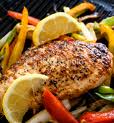
Are you a member of the clean plate club? If so, I’d like to give you permission to drop out! A simple way to eat healthier and achieve a healthy weight is to avoid large portions and eat less. Here are some tips to help you do this:
- Use smaller plates, bowls and glasses.
- Once in a while, get out the measuring cups and measure your portions out into your bowls and plates to give you a better idea for how much you should be eating and what the appropriate portion sizes are.
- Eat slower and make your dining experience last longer…savor each bite!
- Stick to one helping…avoid seconds, thirds, and fourths.
- Fill up on a leafy-green salad or vegetable soup before the main course.
-Kelsey
by kelsey | Mar 29, 2012 | Etc., Food

If you have read, listened, or watched the news lately, most likely you have heard about the “pink slime” or lean finely textured beef. There is a lot of hype about this in the media which results in a lot of confusion and questions. As consumers we want to make sure we access high quality, safe food, thus I wanted to share with you the facts about the lean finely textured beef.
This information is from Registered Dietitian Holly Swee, who works with the South Dakota Beef Industry Council.
- “Lean finely textured beef is just that. Beef. When steaks and roasts are cut, it creates the “trim” that becomes ground beef. The companies supplying lean finely textured beef use a process to remove a lot of the fat from the lean beef in the trim, which is then added to ground beef as a concentrated, lean source of protein. Though some media outlets are reporting this product is a filler, that’s not true. It’s beef plain and simple.
- The nutritional profiles of lean finely textured beef and traditional ground beef are nearly identical. Lean finely textured beef is 90%-to-95% lean (5%-10% fat) and, just like all beef, is a good or excellent source of 10 essential nutrients including protein, iron, zinc and B vitamins.
- Lean finely textured beef offers affordable nutrition for kids, which is critical given shrinking school budgets, rising food costs and the fact that for many kids, school lunch is their best chance at a getting a well-balanced meal during the day.
- Ground beef that includes lean finely textured beef is safe according to independent scientists, safety advocates and the Food Safety and Inspection Service (FSIS). By law, E. coli and Salmonella cannot be in meat supplied for school lunch. In some cases, a small, safe amount of ammonia gas or citric acid is used to produce the lean finely textured beef, which like other safety measures along the way, reduces the potential for bacterial contamination. FSIS has reviewed and approved this practice as safe, and safety advocates have applauded it as an effective way of ensuring safe beef for consumers.
- Processing aids like ammonia gas, citric acid and others do not appear singled out on food labels because by definition and by law, they do not affect the finished food. According to the Food and Drug Administration, labeling of “incidental additives” like these processing aids would be impracticable and might draw undue attention to what essentially amounts to meaningless trace amounts.
You may be wondering if we’re talking about the same product after all you’ve heard or read about “pink slime,” but the fact is, the gross descriptions of this product and process that are circulating out there just aren’t true. Lean finely textured beef is simply a low-fat source of beef protein, that when added to ground beef, is just another ingredient in the ground beef dishes you know and love.
There are a number of resources available if you’re interested in learning more or looking for information to share, including: a fact sheet from the U.S. Department of Agriculture; video of the process from one of the lean finely textured beef suppliers, Beef Products Inc.; an interview and expert Q&A with Dr. Russell Cross, former FSIS administrator and current head of the Department of Animal Science at Texas A&M University; and a “pink slime” myth debunking website.”
If you have any questions, don’t hesitate to contact myself or Holly.
-Kelsey Raml, MS, RD, LN
by kelsey | Mar 22, 2012 | Etc., Food

The warmer weather, turning of green grass, and birds chirping are signs spring is here! Spring is always a great time to do some “spring” cleaning! We often think about spring cleaning in regards to the outside of our house such as cleaning windows, etc, however it’s also really important to take a good look at the inside of your house, especially the inside of your fridge and freezer. Take look at the food products inside your fridge, if anything is expired or has a signficant odor, cleaning is a must! First off, empty your fridge so that you can really clean inside. You can use a vinegar water (equal parts) solution to wipe the inside out. The acid in vinegar helps destroy mildew. Then wash inside the fridge with a baking soda and water solution. Be sure to scrub the gaskets, shelves, sides, and doors. If able, allow several days to air out. If your fridge is extra smelly, you can sprinkly fresh coffee grounds or baking soda loosely in the bottom of your fridge or place them in an open container. Another option is to place a cotton swab soaked with vanilla inside freezer and close the door for 24 hours.
“For more information on how to keep your refrigerator safe and clean, check out our Refrigerator Safety Tips and visit homefoodsafety.org.”
Reference: http://www.eatright.org/Public/content.aspx?id=6442468402
Happy Spring Cleaning!
-Kelsey
by kelsey | Mar 21, 2012 | Food
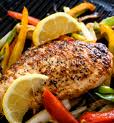
Have you heard that the USDA now requires all meat to be labeled in the grocery store? It’s pretty exciting news as you are now able to know the full nutrition content of these products! Next time you are in the grocery store, I encourage you to take a little time to check out the new labels. Just keep in mind we recommend choosing lean sources of meat such as white meat poultry without the skin, 90% or greater lean hamburger, fish, pork loin, etc. Processed meats such as sausage should be limited. When you examine the meat labels, pay special attention to the fat content and make efforts to choose meats that are lower in total and saturated fat. This will not only help promote heart health, but also help your waist line!
-Kelsey
by kelsey | Mar 20, 2012 | Etc.
Today is an exciting day for us! We are ending our winter STRIVE and starting our spring STRIVE…and it’s the first day of spring! As we look forward to more warmer weather and sunny days, it’s a great time to put YOU first by improving your health and wellness. We still have some room in our spring program, so if you are interested in learning more or getting enrolled, contact us today! Our first meeting is tonight at 5:30pm at the County Fair Banquet Hall. We look forward to another great group as we work together to STRIVE 2 Survive!
-Kelsey
