by kelsey | Apr 18, 2012 | Diet, Food, Wellness/Health
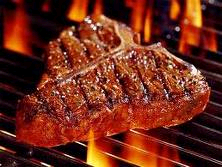
Iron is an essential mineral that aids in a variety of functions in the body. It’s main role is to carry oxygen and carbon dioxide within the red blood cell from one body tissue to another. It’s also needed for energy production and to help our immune system. There are many foods that contain iron, however some are more easily absorbed than others. Typically heme (animal) sources of iron such as beef, chicken, pork, etc are more readily absorbed than the non-home (plant) sources such as green leafy vegetables and beans.
To help increase your absorption of iron, we recommend including vitamin C foods along with your iron sources, as the vitamin C helps increase absorption, especially of those non heme iron sources. An example of this is pairing up a citris fruit along with your whole grain cereal. You will absorb more iron in your cereal when paired with the fruit compared to just eating the cereal alone. Another concept to be mindful of, is to be aware of the iron blockers, ie- foods that inhibit absorption or iron. Foods that inhibit absoprtion include coffee and tea (regular and decaf), whole grains, bran, legumes, spinach, and high fiber foods. To increase your absorption of iron, these foods are best eaten with heme iron sources and/or vitamin C sources. Examples of this would be pairing a chicken breast with brown rice or strawberries with oatmeal.
How much iron do I need in a day?
Males >18 yrs: 8 mg/day
Females 19-50 yrs: 18 mg/day
Females >51 yrs: 8 mg/day
Pregnancy: 27 mg/day
Lactating: 8-9 mg/day
-Kelsey
by kelsey | Apr 17, 2012 | Diet, Food
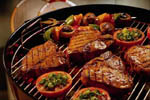
Did you know that more than one million farmers and ranchers raise cattle in every state in the United States?! Since cattle are raised throughout the nation, the producers use their local resources to produce nutritious, safe, and tasty beef. Because of this, there is a wide variety of choices of beef for consumers. You may have heard the terms grain finished, grass finished, natural and certified organic when considering choices of beef. It is important to understand the meanings of these choices to help make the most desirable selection per your personal preferences. One thing is for sure though, no matter what you desire, there is a great choice for you!
Grain Finished: cattle spend most of their lives grazing on pasture and then spend 4-6 mo in a feedlot; fed scientifically and healthy balanced diet of grains such as corn, wheat, or soybeans; may judiciously be given FDA approved antibiotics or growth promoting hormones; may be given vitamin or mineral supplements; have continuous access to clean water and room to grow and roam
Grass Finished: cattle spend their entire lives grazing on pasture, may judiciously be given FDA approved antibiotics or growth promoting hormones; may be given vitamin or mineral supplements; can be difficult to produce year round in North America due to changing seasons and weather conditions
Naturally Raised: cattle can be grain finished or grass finished–look at the label for details; have never received antibiotics or growth promoting hormones, may be given vitamin and mineral supplements; must be certified by USDA’s Agricultural Marketing Service
Certified Organic: cattle can be grain or grass finished as long as the feed is 100% organic; have never received antibiotics or growth promoting hormones, may be given vitamin and mineral supplements; must be certified by USDA’s Agricultural Marketing Service; look for the official label.
For more information check out: www.beefnutrition.org or view the full educational handout regarding this information at: http://www.beefnutrition.org/CMDocs/BeefNutrition/ChoicesofBeef_Final_web.pdf
-Kelsey
by kelsey | Apr 12, 2012 | Diet, Food, Weight Management, Wellness/Health

With spring underway, our house is bustling as this is one of the busiest times of the year for us on the ranch. Spring time is most noted in our house by calving and planting. This lifestyle often results in late night suppers, night checks to ensure the cows are not having any issues, and long hours of work as the farmers and ranchers are working hard to the crops in and ensure their cows and calves are doing well. It’s a type of work that many have been brought up in through generations. As a dietitian and wife of a rancher/farmer, I marvel at the work they do and it reminds me of the importance of promoting our local produce!
Beef is an excellent source of 10 essential nutrients, especially protein, selenium, iron, zinc, and choline. There are 29 lean sources of beef that meet the government guidelines for lean. Red meat often gets a bad rap in the media, however the bottom line is that lean beef does truly offer several health benefits to us including heart health, muscle development, and weight management due to its excellent nutrient content.
Now yes, I may be a little biased since this is a way of life for my family, however nutrionally speaking it truly is a great source of nutrients. I am not telling you go out and get a fatty 20 oz steak, but I am telling you it’s ok to incorporate portion controlled lean sources of beef into your daily intake.
Today I signed up to become a part of Team BEEF. Team BEEF is part of the South Dakota Beef Council and is a community of runners and health enthusiasts who recognize the nutritional benefits of lean beef and the important role high quality protein can play in training. I am excited to represent South Dakota Team BEEF at the Buffalo NY marathon/half marthon my brother and I will be running in May. Next week I plan to discuss a few concepts of beef and its nutrition.
-Kelsey
*The picture just a glimpse of what our ranch looks like right now or as Adam calls it, “the nursery.” 🙂
by kelsey | Apr 11, 2012 | Etc.
We want to inform you that due to a scheduling conflict, we have switched Dr. Jon’s and Deidra’s talks for this spring session of STRIVE. Thus this next Tuesday, April 17th, Deidra Van Gilder, PharmD will speak and Dr. Jon will give his talk on May 15th. Since some of you past participants still come to the lectures or come to some that you missed during your session, we wanted to inform everyone of this change.
Deidra VanGilder, PharmD is a great resource for questions on vitamins, minerals, supplements, and medications, so be sure to bring those questions with you next Tuesday!
-Kelsey
by kelsey | Apr 5, 2012 | Holidays

With Easter just a few days away, you are most likely busy preparing those Easter baskets for your kids, grandkids, etc. Typically Easter baskets are filled with lots of calorie filled candy and sweets, however they don’t nessarily have to be! Easter baskets can still be fun for kids when they are filled with fun non-food items. As you’re preparing those baskets here are some suggestions for you that aren’t loaded with sugar and calories.
- Stickers and sticker bookes
- Temporary tattoos
- Jewelry or beads and string to make your own jewelry
- Barrrettes, hair bands, nail polish
- Music- CDs, Itunes cards, etc
- Small toy cars, small toys
- Playdough
- DVD
- Disposable camera
- Musical instrument
- Mini planters and ssed
- New shovels, pails, sand toys, and sunglasses for spring and summer
We wish you all a very blessed and happy Easter!!
-Kelsey
