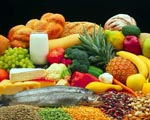
Eating healthy on the go can seem difficult at times, however there are many things you can do to make it a little easier! Here are 4 tips that will save you time while still eating healthy nutritious food!
• Plan Ahead: On Saturday or Sunday, take a look at what your week ahead is going to be like. It can be very helpful to write out your schedule so you can see the times in your week where you may be on the go and extra busy. From there, decide on a few meals that would be easy to prep and that will provide you with energy for those busy days. Also, decide on some easy to grab snacks that you can keep with you. • Meal Prep: If you have looked at your week and you know you will not have time to cook for yourself, meal prep a few staple items that you can easily grab out of the fridge on your way out the door. This can be something as simple as brown rice, baked chicken, and a side of vegetables. A few breakfast ideas include overnight oats, protein balls, hardboiled eggs, and precut fruit that you can throw in a blender and make a smoothie with. Whatever your food choice may be, meal prepping can be a helpful way to prepare meals for a few days at a time.
• Prepare Extra Food: If meal prepping isn’t really your thing, it’s okay! Another easy way to save time is to prepare extra food when you do cook. If you have time to prepare a healthy dinner, make a few extra servings that you can save for lunch the next day.
• Snack Up: Having healthy snacks on hand will keep you from purchasing quick and unhealthy choices when life gets a little busy. A few good ideas include fresh fruit and vegetables, nuts, trail mix, cheese, pretzels and hummus, yogurt, and peanut butter on whole wheat bread.
• Hydrate: This last tip is so important! The last thing you want to happen when your busy is to become dehydrated. Keep water with you at all times and drink it throughout the day. You can always spice your water up by adding in fresh fruit or sipping on unsweetened iced tea.
Utilize a few of these tips to make healthy eating a little bit easier when you have a busy schedule or when you are on the go! Eating healthy and staying hydrated will provide you with the energy that you need to get through your day!
Happy Father’s Day to all you Dad’s out there! All the stress of raising kids: I wonder if I made the right decisions? I wonder if I was too strict, or not strict enough? Did I teach my kids something good that they will remember for a long time, or even forever? Do my kids know how much I love them? How many times I look back and wonder how I could have done something different. No manual came with this job. The majority of the time I was flying by the seat of my pants. I had a family to support, a career to juggle, and so many other stresses involved with this I would not even know where to begin. Hopefully, I did not make any major screw-ups. Every parent wants their kids to know you love them, and care about them, but you also had to be disciplined as well. How were they going to learn the right way? Out of all of the things I have accomplished in my life, I think the biggest thing I want to be remembered for the most is being a “Dad”. Many guys can be a Father, but not everybody can be a Dad. And still yet, many of you guys out there have been unable to have kids of their own, but that does not mean they are not “like a Dad” to someone else!
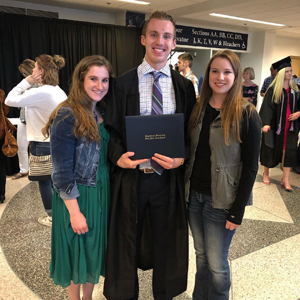
Last month Nick graduated from college, and my three kids were back together. Boy, was that great! I often times find myself looking back at pictures from the past and can remember exactly what things were like at that moment again. Memories you have forever! There may come a time with age that my memory won’t be as good as it once was, but hopefully I will never forget all the good times we had together. We are a family!
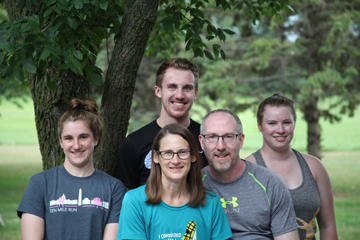
Sarah and I have a lot of time, effort, money…and love invested in them. We both want them all to be successful, and to eventually have their own families. I told them often I want to see how they do with their kids! But then I will get to be a Grandpa then too! More memories. We always keep active yet, and go to races together, as you have seen many times on previous blog posts by me. Running has been so important to me, and hopefully to them as well.
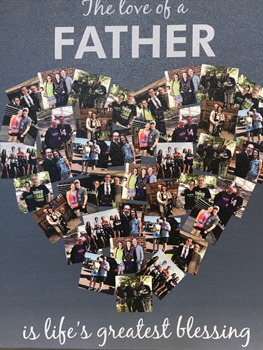
My daughter Megan gave me this shirt last year, so I wore it to our Run Club on Father’s Day today. “I’m a Runner Dad. Just like a normal Dad, except much cooler!” Yay! Hopefully this will always be the case! Megan sent me this picture in the mail that came this week:
One thing will always be true: I love being a Dad, and I love my kids! I may not continue to tell them enough, but I am proud of all of them, and the adults they have become. I will always be their Dad. I will always worry about them! I will always love them! Happy Father’s Day to all you Dad’s out there! Keep moving everybody!
Mindful eating is a way of eating that promotes health, wellness, and peace, control, and balance with food. What is mindfulness? Mindfulness is being aware or conscious of whatever it is you are doing at that moment. It is being fully present. This may seem like an easy concept; however, I think many of us are eating and surrounding our food with very mindless actions and thoughts. What are you doing when you eat? Are you watching TV, driving, reading, or scrolling on your phone? All of these are examples of mindless eating. Even when you are cooking your food, are you paying attention to what you are doing or how you are cooking? Or are you again watching TV or talking on the phone? There are so many places we can incorporate mindfulness into the process of preparing and eating our food.
Benefits of Mindful Eating
• More satisfaction
• Less chance of overeating
• Acknowledge your internal body cues
• Avoid emotional eating
The benefits of mindful eating far out way not being mindful. When preparing your food, paying attention to how you are making it and all the time, energy, and love that goes into it can lead to a greater appreciation for the food. Having a greater appreciation for your food will hopefully lead to a greater appreciation for feeding your body the healthy food it deserves.
When actually eating your food, being mindful of each bite and chewing slowly will allow you to pay attention to your inner cues of being satisfied and stop you from overeating. You will also fully taste the food you spent your energy making and again, create a greater appreciation for the process.
Emotional Eating: Our emotions have a mind of their own and can lead us to do pretty crazy stuff. There have been many times that I chose to eat and eat and didn’t really know why I was eating and it all had to do with my emotions. When I took a step back and asked myself, “Why am I eating right now?”, it wasn’t because I was hungry but usually because I was upset. When I was able to recognize this, I could channel those emotions in a more positive way such as journaling or going for a walk.
Tips for Mindful Eating:
• Pay attention to how you are preparing your food and appreciate the time and energy spent on this.
• Sit down at a table to eat with no outside stimuli.
• Chew slowly- put down your silverware between bites.
• Drink water in between bites.
• Pay attention to your internal cues for when you are full and satisfied.
• Ask yourself, “Why am I eating right now?” or “Is this what my body needs right now?”
• Pay attention to your emotions while you are eating. If you are not even hungry but you continue to eat, slow down. Maybe take out a journal and write down your feelings. It sounds cheesy, but it works.
• Eat foods that are beneficial to your body’s wellbeing.
I hope some of these tips and tricks help you out with your mindful eating! It is hard at first to break certain habits surrounded by mindless eating, but I promise your body and mind will thank you. You may even be able to work through certain emotions and things -Kelsey
Summer time heat raises the risk for dehydration and heat stroke. With the high summer temps and humidity, it’s extra important to make sure you get enough fluids! It is important to stay hydrated throughout the day, as it is too late, if you wait to get a drink when you feel thirsty. Especially for those older adults, it takes longer for them to feel thirsty even though they may be severely dehydrated.
Tips for getting adequate fluids: • Keep a glass or bottle of water with you during the day so you can sip on it. Drink when you are thirsty and even when you are not thirsty.
• Drink more water instead of sugary beverages, milk and juice to avoid those extra hidden calories. Alcohol will increase your water loss. Plain water always works the best.
• Increase your fluid intakes if your diet is high in fiber, protein or salt.
• On days where you may be sweating alot or burning extra calories such as an all day softball tournament in 80-90 degree weather, or doing yardwork/landscaping in the heat all day…you may need to add electrolytes such as Gatorade or Powerade. I prefer G2 Gatorade as it’s lower in sugar, yet still has plenty of electrolytes.
**Please note, these drinks are not necessary when you’re doing less than an hour of light activity or more sedentary activities as they just add extra calories and sugar.
• Consult with your doctor or dietitian if you are on a fluid restricted diet and would like further help with your hydration needs. Use the above chart to determine your hydration level by the color of your urine.
Summer is well underway now! The kids are out of school and home more and they’re going to be eating more of the foods that you keep stocked for them at home. Active children burn through their energy stores very quickly and need to replenish them often. Snacking is an important part of keeping your kids energized for their play-filled summer days. Snacks should be a combination of fiber and protein so that they are filling and satisfying. Pistachios are a good snack as they contain both fiber and protein. You can also pick out two foods that will meet the fiber and protein combination needs.
Some ideas are: •An apple and a teaspoon of peanut butter •String cheese and a few whole wheat crackers •Baby carrots and hummus •Low-fat yogurt and almonds •Mixed nuts and raisins •Celery sticks filled with peanut or almond butter.
Just be sure to keep in mind that snacks are just to get by until the next mealtime, so snacks should not be a significant source of calories. Kids have small stomachs so keep the portion sizes small as well. This is a good time to instill healthy habits in your child so try to avoid having the TV or video games going during snack time in order to discourage mindless munching. Any fruit, vegetable, low-fat dairy product, or whole wheat grain product makes a good snack so find out what your child likes and get creative with the combinations!