by kelsey | Apr 25, 2012 | Cooking Tips, Diet, Food, Weight Management, Wellness/Health
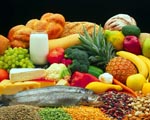
Do you have a child that refuses to eat vegetables? Many prefer fruit over vegetables because of their sweet taste. However the combination of fruit and vegetables offers our body’s a great source of vitamins and minerals and each color offers their own really great nutrients…which is why we encourage you to eat a colorful diet. As many of you know, we recommend getting at least 2 fruits a day and fresh or frozen are best. Be careful of the juices and canned fruit as they often times have more sugar and lack the fiber which is beneficial for us. To help increase vegetable intake (strive to get at least 3 servings/day), try using a variety of preparation methods such as raw, steamed, or roasted. Here are some tips to help your children increase their intake of vegetables:
- Allow your children to pick out the vegetables for dinner
- Use cut-up vegetables with dip as a snack
- Vary the choices to keep it interesting
- Have kids help wash, peel and slice vegetables if they are old enough.
Including them in the decision making and preparation gives them ownership and makes eating them more satisfying! A really great website for learning more about increasing your fruit and veggie consumption is: www.fruitsandveggiesmorematters.org. Check it out!
-Kelsey
Reference: http://www.eatright.org/Public/content.aspx?id=6442450985
by kelsey | Apr 24, 2012 | Diet, Heart Health, Wellness/Health

The American Heart Association recommends limiting sodium intake to ≤1500 mg/day for ideal heart health. The research between sodium intake and heart disease and hypertension is strong, but the link between sodium intake and stroke was not as strong….until now. Sodium is used as a preservative in a lot of foods and it most commonly found in processed, packaged, canned, and fried foods. The majority of Americans consume greater than 2300mg of sodium a day, thus well above where the AHA recommends. This study indicated that those who consumed above the recommendations had a greater risk for stroke. This study also indicated that those who’s sodium intake was higher, were also consuming a greater amount of calories, carbs, protein, fat, and saturated fat.
Overall, this study tells me that watching our sodium intake is even more important! The number one step for reducing sodium in your diet is to remove the salt shaker and/or use a salt substitute instead. Try to not cook with salt, instead cook with herbs and salt free seasonings such as Mrs. Dash. In addition, you’ll want to be more aware of your choices when eating out and choosing packaged foods. It’s ok to ask for special requests, ie- limit the salt or hold the salt. A greater intake of fruits and vegetables is also shown to be beneficial in improving hypertension and heart disease, so make efforts to get your 5 a day!
For the full study, click the link: http://stroke.ahajournals.org/content/early/2012/04/12/STROKEAHA.111.641043.abstract
-Kelsey
by kelsey | Apr 19, 2012 | Wellness/Health

Do you ever feel like there’s never enough time in the day to get everything done on your list? Many of us often feel very stressed out or crazy busy and in today’s society, this feeling and status is becoming a norm for many. Did you know that stressed is “desserts” spelled backwards? I think that this is very fittings as many of us turn to desserts or sweets when we are feeling stressed. Stress is a part of life, so we need to learn how to manage it better and manage our time to include regular activity and healthy home cooked meals versus going out to eat because you’re always on the run. Stress is a result of a situation that has an effect on us primarily because of how we think about it in our mind. By changing our thinking process, we can reduce the stress in our lives. Often times the healthy habits that promote wellness and a clearer mind such as regular activity are pushed to the back burner because you don’t have time. If you are feeling stressed out or have these times in your life, use these tips to help you reduce that stress in your life:
- Make a committment to reduce the stress in your life.
- Focus on the solution rather than the problem.
- Identify and manage the root of your stress, not just the symptoms.
- Practice time management. Manage your priorties and use your time carefully. A calendar or planner can help you with this.
- Get over guilt! Set reasonable standards of what you can realistically accomplish in a day.
- Set boundaries, it’s ok to say no sometimes.
- Don’t forget your self care comes first. Schedule your activity into your day’s schedule and practice menu planning to help prevent you from running through the drive thru.
- Think positive thoughts!
-Kelsey
For more information: http://www.rd411.com/index.php?option=com_content&view=article&id=1081:stress-crazy-busy-no-more-&catid=121:personal-growth-&Itemid=414
by kelsey | Apr 18, 2012 | Diet, Food, Wellness/Health

Iron is an essential mineral that aids in a variety of functions in the body. It’s main role is to carry oxygen and carbon dioxide within the red blood cell from one body tissue to another. It’s also needed for energy production and to help our immune system. There are many foods that contain iron, however some are more easily absorbed than others. Typically heme (animal) sources of iron such as beef, chicken, pork, etc are more readily absorbed than the non-home (plant) sources such as green leafy vegetables and beans.
To help increase your absorption of iron, we recommend including vitamin C foods along with your iron sources, as the vitamin C helps increase absorption, especially of those non heme iron sources. An example of this is pairing up a citris fruit along with your whole grain cereal. You will absorb more iron in your cereal when paired with the fruit compared to just eating the cereal alone. Another concept to be mindful of, is to be aware of the iron blockers, ie- foods that inhibit absorption or iron. Foods that inhibit absoprtion include coffee and tea (regular and decaf), whole grains, bran, legumes, spinach, and high fiber foods. To increase your absorption of iron, these foods are best eaten with heme iron sources and/or vitamin C sources. Examples of this would be pairing a chicken breast with brown rice or strawberries with oatmeal.
How much iron do I need in a day?
Males >18 yrs: 8 mg/day
Females 19-50 yrs: 18 mg/day
Females >51 yrs: 8 mg/day
Pregnancy: 27 mg/day
Lactating: 8-9 mg/day
-Kelsey
by kelsey | Apr 17, 2012 | Diet, Food

Did you know that more than one million farmers and ranchers raise cattle in every state in the United States?! Since cattle are raised throughout the nation, the producers use their local resources to produce nutritious, safe, and tasty beef. Because of this, there is a wide variety of choices of beef for consumers. You may have heard the terms grain finished, grass finished, natural and certified organic when considering choices of beef. It is important to understand the meanings of these choices to help make the most desirable selection per your personal preferences. One thing is for sure though, no matter what you desire, there is a great choice for you!
Grain Finished: cattle spend most of their lives grazing on pasture and then spend 4-6 mo in a feedlot; fed scientifically and healthy balanced diet of grains such as corn, wheat, or soybeans; may judiciously be given FDA approved antibiotics or growth promoting hormones; may be given vitamin or mineral supplements; have continuous access to clean water and room to grow and roam
Grass Finished: cattle spend their entire lives grazing on pasture, may judiciously be given FDA approved antibiotics or growth promoting hormones; may be given vitamin or mineral supplements; can be difficult to produce year round in North America due to changing seasons and weather conditions
Naturally Raised: cattle can be grain finished or grass finished–look at the label for details; have never received antibiotics or growth promoting hormones, may be given vitamin and mineral supplements; must be certified by USDA’s Agricultural Marketing Service
Certified Organic: cattle can be grain or grass finished as long as the feed is 100% organic; have never received antibiotics or growth promoting hormones, may be given vitamin and mineral supplements; must be certified by USDA’s Agricultural Marketing Service; look for the official label.
For more information check out: www.beefnutrition.org or view the full educational handout regarding this information at: http://www.beefnutrition.org/CMDocs/BeefNutrition/ChoicesofBeef_Final_web.pdf
-Kelsey
