by kelsey | Jun 12, 2012 | Diet, Food
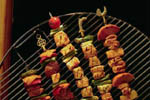
When people think of summer it brings to mind family reunions, picnics, campfires and consequently hotdogs, potato salads, and s’mores. Here are some tips to make those summer months healthier:
-Summer is the best time of the year for fruits and vegetables! More fruits and vegetables are in season and are wonderful to incorporate in your diet. Try planting your own garden or checking out the local farmer’s market to stock up on a variety of fruits and vegetables.
-Hotdogs and burgers are trademarks for summer. Instead of a sodium and fat packed hotdog or brat try to go for grilled chicken or lean red meats. If you are really craving that hotdog opt for the lower in fat turkey dog and watch your portions.
– Macaroni salad and potato salad are featured at the usual family get-together. The majority of these salads are going to contain high amounts of fat. Opt for fresh fruit or bring your own salad made with a low fat mayonnaise, low-fat Greek yogurt, or low fat sour cream.
-Be sure to drink plenty of water! Having at least eight 8oz. glasses a day is important to stay hydrated during the hot summer months.
– As for the infamous s’more, try dark chocolate and bananas (replacing the marshmallow) which will give you some antioxidants as well as taste great! Or just cut your portion to one s’more since it’s hard to mess with a classic!
*This blog post was wrote by Megan Lauseng, USD Dietetic Intern
-Kelsey
by kelsey | Jun 7, 2012 | Wellness/Health

With the nicer weather, we tend to spend more time outdoors in the summer. With the high temps and humidity – make sure you get enough fluids! It is too late if you wait to get a drink when you feel thirsty. Especially for those older adults, it takes longer for you to feel thirsty even though you may be severely dehydrated.
Tips for getting adequate fluids:
- Keep a glass or bottle of water with you during the day so you can sip on it. Drink when you are thirsty and even when you are not thirsty.
- Start some of your meals with soup
- Drink more water instead of sugary beverages, milk and juice to avoid those extra hidden calories. Alcohol will increase your water loss. Plain water always works the best.
- Increase your fluid intakes if your diet is high in fiber, protein or salt
- Consult with your doctor or dietitian if you are on a fluid restricted diet and would like further help with your hydration needs.
Use the above chart to determine your hydration level by the color of your urine.
This blog post was written by USD Dietetic Intern Mimi To.
-Kelsey
Graphic Reference:http://www.brownsburgathletics.com/images/urine.gif
by Dan | Jun 6, 2012 | Exercise, Family, Goals, Motivation, Wellness/Health
This saturday, June 9, is the 16th annual Hospital Hill run/walk. It will begin at 8AM. Registration fee is now $20 if not pre-registered. There is a 5k run, 5k walk, and a 1 mile walk. All are welcome. Attached is the following registration form which can also be found at the clinics in town, and at the Prairie Lakes Hospital website. Hope to see you there!

Dr. Dan
Consecutive Exercise Day #: 1714
by kelsey | Jun 6, 2012 | Food, Weight Management

As the summer temperatures go up, so does our taste and desire and for frosty drinks. Unfortunately, most of those tasty drinks such as margaritas, mudslides, and daiquiri mixes are loaded with extra calories from sugar…and then more calories are added from the alcohol! A tall glass of a frozen drink such as these can give you anywhere from 300-500 calories! Wheras, a glass of beer will have about 180-250 calories and wine will give you about 225-250 calories in about 10 oz.
If you are one who enjoys these fruity drinks, try using a low calorie or calorie free mixer such as diet soda, lime, or diluted juice. In addition, you’ll want to be careful of the tonic water mixer as that can have alot of calories as well. Another way to lessen the added calories, is to use the real fruit instead of the prepared mix.
In addition to alcoholic beverages, beverages like sweet tea, lemonade, and punch are common in the summer. All of these are very tasty and often times hit the spot on a hot summer day, but they do offer a lot of calories as well. Opt for the unsweetened tea or sweeten it yourself with artificial sugars such as Splenda. You can also choose the low calorie lemonade mixes such as Crystal Light to give you that tasty drink without the extra calories.
Liquid calories are hidden calories that we often don’t realize are adding up, so choose wisely…and enjoy!
-Kelsey
by Dan | May 31, 2012 | Exercise, Goals, Heart Health, Wellness/Health

Cardiovascular disease is the most common cause of death in the United States, and includes coronary heart disease, cerebrovascular disease (stroke), hypertension, and peripheral vascular disease (claudication of the legs).
An estimated 6 million people in the US have coronary heart disease, 2 million have cerebrovascular disease, and 58 million people have hypertension. The American Heart Association estimates that 63,290,000 people in the US have cardiovascular disease. So, nobody out there can say that they either do not suffer with it themselves, or that they do not nobody somebody directly who deals with this disease.
The chance of an American male developing coronary artery disease before age 60 is one in 5.
The American Heart Association estimates that 4,740,000 Americans alive today have a history of a heart attack, angina (chest pain), or both.
The even scarier statistic: Sudden death is the presenting symptom in 1 out of every 5 coronary attacks.
I could go on and on with statistics. For many of us, it is really not thought about until it affects either someone close to us, such as family, friends, or even ourselves, before we get the wake up call. There are many risk factors that go into this as well, some of which we can control, and others we cannot. These can range from our age/sex; smoking history; cholesterol levels; race; family history; obesity; hypertension itself; diabetes. We have to be able to control the factors that we can as much as possible. We need to be starting now, not after an event happens.
As I go forward on this topic, I will talk about what things can be done to test and evaluate for some of these problems, and what we can do to try and change our risk factors going forward. For a lot of these risk factors, we are “the drivers in control”. The more we know about our individual risk factors, the more we can do to change them, or at least improve our odds.
Keep moving everybody!
Dr. Dan
Consecutive Exercise Day #: 1708

