by kelsey | May 21, 2013 | Diet, Heart Health, Weight Management, Wellness/Health
Tonight is our last lecture of our 12 week STRIVE 2 Survive spring wellness program. It seems like 12 weeks always flies by and before we know it we’re celebrating our participant’s success and accomplishments which consist of weight loss, improved cholesterol, blood pressure, blood sugars, and just overall healthy living with healthier diets and more activity. We had to cancel one of our lectures this winter due to a blizzard so Deidra Van Gilder, our Doctor of Pharmacy will be making up her lecture tonight along with Dr. Dan and I doing some recap of the 12 week program. Deidra’s lecture tends to be a favorite as she discusses the hot topic of supplements, vitamins, minerals, and medications and their influence on wellness and weight. The supplement industry is not regulated like our prescription drugs are. The manufacturers are responsible for producing a safe product and if there is indication a product is not safe, then the FDA steps in. Since there is not much regulation with these products, it’s very important to know what you’re purchasing and discuss it with your doctor before taking it.
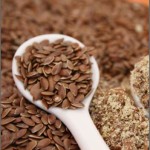
Fish oil and flaxseed are common supplements used to improve cholesterol or lipid levels. I purchased some fish oil a few weeks ago and couldn’t believe how many kinds there were to choose from! Below are some recommendations for you from Deidra to give you a little insight into what her talk is like and to help you make appropriate choices when purchasing these. If you have any questions, don’t hesitate to contact us!
Fish Oil
Fish oil contains two important components: DHA (docosahexaenoic acid) and EPA (eicosapentaenoic acid). Another substance called ALA (alpha-linolenic acid) may be as effective as DHA and EPA although it doesn’t have as much evidence for its use. ALA is the component of flax seed that is thought to lower cholesterol.
Foods that contain Fish Oil: Anchovies, Carp, Catfish,Halibut, Herring, Salmon, Albacore Tuna
- There is strong evidence for the use of fish oil to reduce blood pressure. DHA has more benefit in lowering blood pressure than EPA.
- There is strong evidence for the use of fish oil to lower triglycerides and increase HDL. Be aware that it may increase LDL.
- There is strong evidence for the use of fish oil in primary and secondary cardiovascular disease prevention.
- There is some evidence for the use of fish oil in rheumatoid arthritis to reduce morning stiffness and joint tenderness. It is the most beneficial when used in conjunction with anti-inflammatory medications.
Dose:1000 – 4000 mg daily (Use divided dosing in increments of 1000 mg as that is all that can be absorbed at a time). Keep medicine in freezer to avoid burping fishy taste. Each capsule should contain at least 1g of DHA and EPA combination.
Adverse Effects: GI upset, loose stools, nausea, alterations in glycemic control, hypotension
Interactions: Warfarin, aspirin, clopidogrel
Flaxseed: reduces total cholesterol and LDL cholesterol. The fiber content aids in cardiovascular health.
Recommended dose: 1 tablespoon of freshly ground (may use coffee grinder) flaxseed 2-3 times per day. May be mixed with food or in 6 oz of liquid.
Flaxseed oil: 15-30 mL/day. We typically recommend the ground flaxseed over the oil as it offers greater benefits than the oil does.
Side Effects: Increases the number of bowel movements, constipation if insufficient fluid intake.
-Kelsey
by kelsey | May 16, 2013 | Etc.

Last week SDSU dietetic student, Amanda guest blogged for me and today I was fortunate to have another SDSU student Brett Delaney with me. These students are spending some time with me at the clinic as part of their 80 hour practicum experience in between their junior and senior year. It’s a great time for them to explore the field of dietetics and see what areas interest them most. Brett chose to discuss activity in today’s post. He makes activity a priority in his life and has some great tips to help you stay fit while living a busy life. I think the best role model for us all with this topic is Dr. Dan….despite being super busy with work and family, he still makes time to exercise. The picture I included is of me and my friends after we ran a 5k last summer…of which is one of Brett’s suggestions for you and a great way to keep you motivated! -Kelsey
Get Active!
Almost all of us find it difficult to find the time to exercise. We have so much to accomplish on any given day, juggling between family and work life at the same time. These two separate worlds collide and leave us feeling emotionally and physically drained day after day, often causing us to kick the exercise routine to the curb. We all have the same 24-hour period to get everything done, so how do some manage family and work so well? Even better, how can we add a simple exercise regime into our hectic lifestyles?
Here are some tips to fit exercising into our busy lives. The hardest part of exercising is finding the right time. Use the unproductive time spend glued to a screen whether it be a computer or TV and apply it towards exercising. These changes lead to tough choices and some sacrificing of fun activities but maybe once they are switched for physical activity, it could become a fun activity for you.
Try to set a simple, reachable goal like run in a 5K or lose 5 pounds, these goals get your foot into the door of physical activity and help you turn this new change into a constant lifestyle. Make the workout convenient for you and use advanced planning to give you the most efficient use of your free time. By taking small steps and even finding a partner who enjoys the same activity as you, the goal will become that much more attainable and in the end you’ll be happy with the results.
Once you establish a routine, exercising will trump other activities that were once deemed important. By committing to a schedule, it becomes much easier to continue the plan and make the workout not seem like a daunting task. In the end, do something you enjoy because then the workout won’t seem like a chore but rather an activity that helps you manage life’s other chores and deal with the fast-paced lifestyle.
-Brett Delaney, SDSU Senior Dietetic Student
by Dan | May 15, 2013 | Exercise, Goals, Motivation, Wellness/Health
The Fargo marathon and half marathon are this saturday. The time is now…the nerves are building, the excitement, anxiety building…what will the weather be like? Did I do enough to get ready? Above all…Remember to have FUN! There will be a large group of “Watertownians” there this weekend, and a lot of us are meeting friday night to have some good food. Jill, Jackie, Steve A, Tim, Tracy, Holly, Beth, Megan, Tom and Sue, Steve H and Carletta, and Sarah and I. “Gettin’ ready for a good time!” This morning when I went out for a short run, the double rainbow was staring right at me…I had to quit go back in the house to get the camera, as it was all done in about 10 min.

Now, I don’t know if there is actually a “pot of gold” at the end of the rainbow, but it was sure cool to look at. It made for a great, relaxing run. Just time to think. Maybe today this meant I was going for my goals, that I had worked hard to get ready for this day coming on saturday. The biggest joy of all of this is I run because I can! Many people cannot. Sometimes for those of us who do run, we get more worried about our times, when we should be realizing what we really are getting out of all of this. We run because we like it. It does not really matter our time. We made the effort to go for this goal, and it is coming soon. I felt really relaxed running seeing this before hand. Maybe the marathon should have been today…I think I would have been flying!

So, to all of my fellow Watertown friends going this weekend…Good Luck! Be safe! Have fun! This is what it is all about. Don’t make this another stress to have in your life. Enjoy it for what it is. Relax, and go show YOURSELF how YOU can do, because YOU are the ones who put in all the work! Good Luck!
Keep moving everybody!
Dr. Dan
Consecutive Exercise Day #: 2058
by kelsey | May 15, 2013 | Etc.

We discuss eating strategies for your weight, heart, etc, but we also have to eat right to keep our skin healthy and glowing! The beauty industry has a variety of products to help promote healthy and glowing skin, however diet is also an important factor. Research on the best foods for healthy skin is limited, but what we do know is that antioxidant rich foods are effective in promoting healthy and glowing skin. Antioxidants are substances that protect our cells against free radical damage. Free radicals are molecules made when our body breaks down food or by environmental exposures such as tobacco use or radiation. They damage the cells and may play a role in diseases such as heart disease and cancer. A colorful diet is most effective for skin health and each color offers specific vitamins and minerals such as: beta-carotene, lutein, lycopene, vitamin A, vitamin C, and vitamin E. A diet rich in the following foods will help you get beautiful and healthy skin you’re wanting!
- Red, Orange, & Yellow Produce: carrots, tomatoes, red and yellow peppers, apricots, etc
- Green Leafy Vegetables: spinach, romaine lettuce, broccoli, etc
- Blue & Purple Produce: blueberries, raspberries, eggplant, etc
- Lean Proteins: beans, lentils, nuts
- Fatty Fish: salmon, mackerel, sea bass
It’s also important to be mindful of foods that can cause greasy and oily skin such as high sugar and high fat foods: pastries, cookies, fried foods, etc. These foods should be avoided or limited and instead focus on a balanced diet rich in fruits, vegetables, lean proteins, low fat dairy, and whole grains. In addition to diet, eliminating tobacco abuse and using sunscreen are effective in promoting healthy skin. These recommendations are not only going to benefit your skin, but also your overall health. Color and variety in your diet will help you look stunning always!
-Kelsey
by kelsey | May 14, 2013 | Food

Before I started dating (and then married) a farmer/rancher, I didn’t put too much thought into where my food came from. I went to the store, selected what I wanted, and ate it…that was it. My dad’s parents did some farming and I have friends who were farmers but I never really knew how much went into putting that food on my table until about 5 years ago.
It seems like my household has been running at 100mph for the last few months and when I think about why, it’s all for YOU! Our ranchers work very hard to ensure their calving process goes well and with those spring storms we had, it sure made for a tough calving season. Calving typically involves checking on the cows every few hours to ensure things are going well. If they aren’t, then they have to take proper action that the calf and cow are safe and thriving. And since the snow just melted 2 weeks, ago, the farmers have finally been able to get into the fields to plant the crops. The calving produces cows that the consumers purchase as selections of beef, an excellent source of protein…and the farming produces crops such as wheat, soybeans, and corn of which are all used in a variety of food products and essential to our nutrition and health.
The picture above is from my view riding with Adam in the tractor while he was planting corn….if I want to see him right now, this is about the only way as he and all of the other farmers are working day and night to get the crop in…in efforts to put food on your table. So next time you go to the grocery store or you see a tractor in the field, think about this process: the seed is purchased by the farmer, planted by the farmer, we pray for good weather to help it grow, the farmer harvests the crop, sells the crop to the elevator, which then is sold and transported to food producing companies, products are created, you purchase the product at your store, you eat it. All of that effort starts with your farmer….pretty amazing huh! As I said earlier, I have learned more about farming and ranching than I never imagined, but I wouldn’t change it for the world. Since I have a nutrition/food science knowledge, learning more about the agricultural part of food production has been fascinating and it makes me appreciate the food I eat a lot more when I think about where it came from and how much effort and time was put into the production of it….I hope you do too!
-Kelsey
