by Dan | Oct 5, 2014 | Etc.
Sarah surprised me today…early…for my 50th Birthday. It is actually the 24th this month, but she had a surprise party today. Totally took me by surprise!!!!! My true training partner…in good times, and in bad. She has always been at my side. I appreciate it this more and more all of the time.
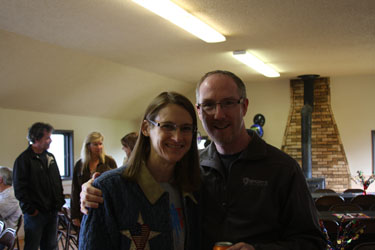
Lots of friends…lots of family, including my twin brother, so we were celebrating together. It was a great surprise. 2 of my 3 kids were there, and Megan was there on face time from school in Virginia. Great food. My nurse Chris did a great job with making the cake, and the cupcakes. Delicious as usual.
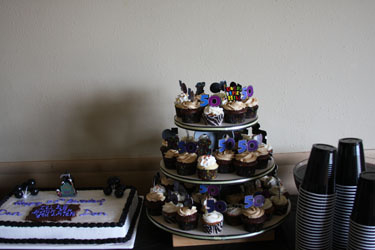
This is why I do all of the exercise…sometimes you need to splurge a little when it comes to your diet. These types of events make it all worthwhile. The other reason is that I am around to be able to enjoy these types of celebrations. I hope to enjoy many more, and especially events involving my kids. That is truly what it is all about! Make time for your friends and family. That is what is important. Enjoy life. Thank you very much Sarah! I love you more than words can say!
Keep moving everybody!
Dr. Dan
Consecutive Exercise Day #: 2564
by kelsey | Oct 2, 2014 | Etc.

Our next flu shot clinic will be Saturday, October 11th from 8-11am at Northridge. If that does not work for your schedule, you can stop in anytime at either clinic to get your flu shot or to guarantee the time slot you want, please call us at 886-8482 to schedule a time. Walk ins are welcome, but they are first come first serve, so if you have a specific time you want to come in, please give us a call first.
Be sure to add this to your health checklist or “to-do” list to ensure you are protected from the flu this year!
by kelsey | Oct 1, 2014 | Family, Goals, Motivation, Weight Management, Wellness/Health
As many of you know my maiden name is Likness and my father is Dr.Clark Likness. I have discussed in previous posts about how growing up in a home where medical terms and science were discussed on a regular basis helped shape my interest and passion for health, wellness, and nutrition. Healthy eating and regular activity were norms in our household and have continued to be a focus for us as we all get older. Many of you have probably heard stories, rumors, or maybe the actual truth about what has been going on about my Dad recently. There seems to be a lot more of the rumors versus the actual truth going around about what happened, that Dad and I decided it was time to discuss it on our wellness blog to not only inform you all of the truth, but show how important healthy living, choices, and wellness checks with your regular doctors are.
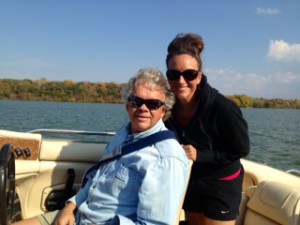
“Dr.Likness” to many of you, “Dad” to me, “Clark” to friends, and “Grandpa Clarky” to my nieces and nephew has been out of the clinic on medical leave since the middle of August. He is doing well and will be coming back to the clinic to see patients in a few weeks. In the early summer, he noticed he was having some issues with his veins in his legs and decided to get it checked out. A small tumor was found on his kidney and after multiple tests and consults with various top notch health professionals, they concluded the tumor needed to be removed as there was a possibility of it being cancer. If removed, he was cured, no matter if it was benign or malignant. In the meantime, he was working on some landscaping at my parent’s lake cabin and blew out his rotator cuff in his shoulder and developed a hernia. In Dad’s early years (before becoming a doctor), he helped his grandparents and parents on the farm and worked road construction. The years of manual labor and hard work caught up to him this summer and basically his body was falling apart! So facing the fact that he needed to have all of these issues taken care of, he decided to do them all at once so that he could be out at the same time for them and not have to take multiple medical leaves of absence from the clinic. It may seem crazy to have it all done in the same time period, but he thought it was best for himself and his patients to not be out multiple times. In August he had the tumor on his kidney removed and the surgery was successful. The pathology report came back that it was benign, which means NO CANCER! We were relieved and thrilled with the news. A few weeks later, he had the hernia and his shoulder repaired. He is now recovering from that and engaging in therapy to get himself back up to steam and have full range of motion again. The picture above is from our last short boat ride around the lake this last weekend before we pulled everything out for winter. As you can see he’s looking good!
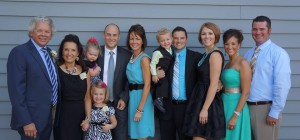
There have been multiple rumors going around that he has liver cancer, lung cancer, and is retiring, and we want you all to know NONE of these are true!! He is doing great and will be back to work and 100% health soon! Each doctor he saw through all of this remarked how he went into surgeries, surgeries were successful, and the recovery will be better all because he has kept himself in good shape. He exercises regularly and makes efforts to eat healthy. The benefits of making these daily choices are rewarding! In addition, regular check ups and screenings are essential for good health and prevention as if he wouldn’t have gotten checked out, there is a chance that the tumor in his kidney could have progressed into a cancerous tumor. Even though making healthy choices, practicing portion control and moderation, and making time for regular activity aren’t always appealing (yes it does take some effort and motivation!), we need to make these efforts to take good care of our bodies as we only get one! We decided to share his story to show you how important healthy living and proper self care is…and a little piece of me wanted to help set the record straight! 😉 Dad’s motivation continues to be his family (all of us below minus the newest addition, my niece Blair who was born in the spring) as he wants to be around to enjoy all of life’s events with us! We all need to find that certain motivation to help us stay on track with our goals and efforts! If you don’t have it now, I encourage you to do some serious thinking on what motivates you to live healthy. That motivation and incentive is your key for a long and healthy life!
-Kelsey
by Dan | Sep 27, 2014 | Exercise, Goals, Heart Health, Motivation, Wellness/Health
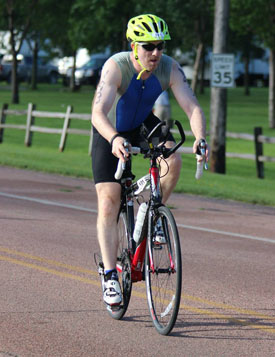
Yesterday, September 26, was the official completion of my 7th year of consecutive exercise days, and went on to begin year 8 today. I still have as much enjoyment now as I ever did. I still have to plan everyday when I am going to exercise, and what type of exercise for that day, but it is a habit. A very enjoyable habit. I can’t see myself doing it any other way. Whether biking, running, walking, lifting weights…and even swimming…I thoroughly enjoy staying active.
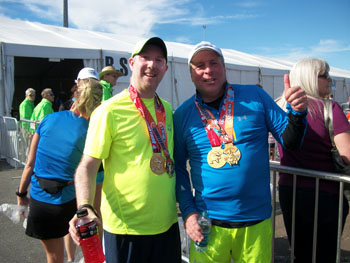
My exercise has taken me on many adventures, and with many different people. I would not trade it for anything! Hopefully the adventures still keep coming, and with other people as well. How far can I go without missing a day? I don’t know, but we will all be finding out together. Keep moving everybody!
Dr. Dan
Consecutive Exercise Day #: 2556
by kelsey | Sep 25, 2014 | Cooking Tips, Diet, Etc., Family, Food, Weight Management, Wellness/Health
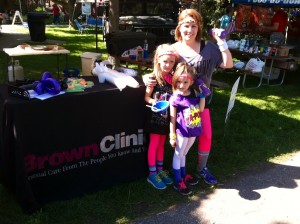
This last weekend, our Nurse Practitioner Beth Schultz and her family represented Brown Clinic in the Chili Cookoff. They made up an outstanding batch of chili that won 1st Place-Judge’s Choice! Chili is a great way to combine a bunch of healthy ingredients into one dish that everyone loves! Incorporating lean meats, beans loaded with fiber and protein, and plenty of great vegetables makes chili a balanced and healthy meal! Beth and her husband Auston along with their girls did a great job representing the clinic and showed how eating healthy can be enjoyable and taste great! Congratulations Beth, Auston, and girls!
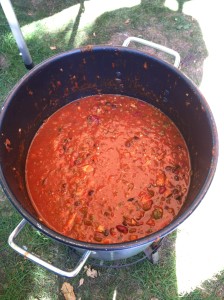
Delicious Chili
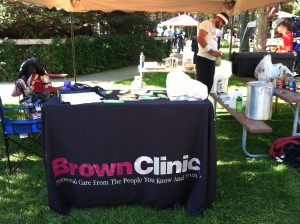
BC’s Booth with Auston hard at work!