by Dan | Nov 29, 2014 | Etc.
There was not a shortage of things to do to be active this Holiday weekend. It started off right on Thanksgiving with the Turkey Day 5K. Here are some picture of us getting ready before hand. The first one is Nick, Sarah, and I, and then my nurse Chris and I, and finally Sarah and I coming across the finish line.



It was a cold day, with temps below zero, but it did not stop the diehards from showing up that morning. It was a great way to start out the day before spending the rest of the day eating!
Then the lighted parade Friday night. It was a good way to walk another couple of miles, and we handed out candy to as many kids as we could see. Brown clinic had our float, and it was a Jingle Bells theme. We won first for best music presentation! Way to go Brown Clinic, and especially to Stef Carlson and her husband Tim for doing the work getting the float ready!


It was a great extended holiday weekend. You can still enjoy the holiday, and still find ways to be active. You may just have to plan a little more! Keep moving everybody!
Dr. Dan
Consecutive Exercise Day #: 2619
by Dan | Nov 24, 2014 | Etc.

What things are common when it comes to Thanksgiving? First of all…Family. And with family, we will be spending time together, eating, laughing, and talking. Most of us will have turkey, and pumpkin pie. But how many of us will go out for a run or a walk? Well, you don’t have to wonder anymore. The 15th Annual Turkey Day run is coming up this Thursday, on Thanksgiving. Apple cider, pumpkin pie, and we all gather to run/walk a 5k. Then we all go home to have our turkey, and spend the rest of the day with our family.

Registration can still be from 8-9:45, with the race starting at 10AM. It will be held at Great Plains Lutheran High school. Come out and earn your food for the day. Come out and exercise with hundreds of other people, and then go “stuff” our face for the rest of the day without feeling guilty. Come join the fun. It is a great family affair as well. Keep moving everybody!
Dr. Dan
Consecutive Exercise Day #: 2614
by kelsey | Nov 20, 2014 | Cooking Tips, Diet, Food, Weight Management, Wellness/Health

The Thanksgiving holiday is always a fun one enjoyed by all as we stuff ourselves and then resort to the couch to watch football or the start of the holiday tv shows. Since Thanksgiving is less than a week a way, I wanted to give you some tips to get through the holiday without putting on all those undesired extra pounds.
- Survey the entire table before you take any food. Decide what foods are worth eating and what can be ignored, and then stick to that decision. Why waste calories on foods that don’t bring you pleasure?
- Eat a snack before you leave home. If you arrive at a party starving, you’ll be more likely to overindulge.
- Eat your calories instead of drinking them. Stick to lower calorie or calorie-free drinks (diet sodas, water, light beer, or wine spritzer) instead of punches, eggnogs, and mixed drinks that can have up to 500 calories per cup.
- Sip a large glass of water between every alcoholic drink or non-alcoholic punch or eggnog. This will help keep you hydrated and you’ll drink fewer calories by the end of the night.
- When you are the host or hostess, include nutritious and lower-calorie foods like fruits, vegetables, and lean meats on the menu. When you are a guest, bring along a lower-calorie dish to share.
- Try not to hang out near the food. Find a comfortable spot across the room and focus on people instead of eating.
- Watch your portion sizes. Don’t cover your plate completely with food. In most cases, especially when it comes to holiday sweets and alcoholic beverages, less is better. Use a smaller plate or bowl and have just a sliver of pie like the picture shows.
- Drop out of the “clean plate club”. Leave a few bites behind every time you eat, especially if you are eating something you don’t really care for.
- Enjoy your favorite holiday treats but take a small portion, eat slowly, and savor the taste and texture of the wonderful foods of the season.
- Skip the pie crust and go for the filling.
- Choose light meat over dark meat.
- Use home-made cranberry sauce over canned cranberries that are jam packed with added sugars.
- In soups, sauces, puddings, and desserts: Replace whole milk or cream with low-fat milk, evaporated fat-free milk, or nonfat dry milk.
Lighten up your recipes:
- To make dips and toppings: Use low-fat or nonfat cottage cheese or sour cream, or non-fat Greek yogurt.
- To make salad dressings: Use nonfat Greek yogurt or low-fat buttermilk.
- In place of 1 whole egg in recipes: Use 2 egg whites or 1/4 cup egg substitute.
- In place of regular cheese: Use fat-free or reduced-fat cheese.
- In place of full sugar: replace half with Splenda or reduce half completely.
- In place of fats: use unsweetened applesauce or oil (1-1 replacement), or prune puree (1 cup of fat=1/2 cup puree).
More importantly is ENJOY your family and friends and all that have to the THANKful for!
-Kelsey
by kelsey | Nov 19, 2014 | Cooking Tips, Diabetes, Diet, Food, Weight Management, Wellness/Health
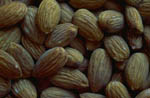
Today’s post is another reader request and written by Dietetic Intern Brett Delaney. It corresponds with yesterday’s post about the paleo diet. Using almond flour, coconut flour, and coconut sugar are becoming more popular. I hope today’s post gives you a better education on them so you are more aware of the facts and recommendations. Thank you for your requests and keep them coming!! -Kelsey
*********************************************************************************************************************************************
Ignoring my terrible play on words (in regards to the title), almond and coconut flours have come to the forefront of food fads and have become new alternatives to wheat based flour. First, it is important to understand gluten-free flours, such as almond, rice, and coconut flours, do not behave like the traditional, wheat based flours do. Since these flours lack gluten, you must adjust other ingredients to compensate or your products may leave the oven too gritty, crumbly, dry or dense.
Almond flour is typically just ground, whole almonds with the skin removed. Along with being gluten free, almond flour is low in carbohydrates, high in fiber and protein while also being packed with vitamins and minerals. These include iron; riboflavin, magnesium, potassium, calcium, and vitamin E. Almonds have been shown to be beneficial for health heart and lowering cholesterol but tend to be high in fats. Almond flour adds rich, nutty sweetness to breads and cakes and does not hold together as well as wheat flour, so adding liquid to the recipe or reducing the total amount of flour could help achieve the right consistency.
Other important information on Almond Flour
- Store flour in fridge or freezer as it tends to go rancid at room temperature or if not used promptly.
- Almond meal is not the same product as almond flour. It is more considerably courser and doesn’t work as well with baking.
- You can add xanthan gum as a gluten-free binding agent to help with the dryness or grittiness.
Coconut flour tends to create very dense baked goods and contains high amounts of protein and fiber. Coconut flour is not a 1:1 equivalent to wheat/grain based flours. It is best to substitute ¼ cup coconut flour per 1 cup grain-based flour. Since coconut flour is extremely absorbent each cup of coconut flour will absorb as much liquid as 3-4 cups of wheat flour so someone using coconut flour should expect to add about 6 eggs and 1 cup of liquid for each cup of coconut flour used. Beth Hillson, writer for Living Without’s: Gluten Free & More website, recommends beating and mixing the batter thoroughly as it tends to clump densely. She also says that it is best to blend with other alternative flours like rice and almond flours for best results. If using flour blends, 15% coconut works best.
Reference websites
1) Living Without: Gluten-Free Flour Power
2) FunksjonellMat: Baking With Almond Flour
3) Nourished Kitchen: How to Bake With Coconut Flour: Tips and Tricks for Using This Gluten-Free Flour
*********************************************************************************************************************************************
Coconut Palm Sugar – Nature’s Low Glycemic Index Sugar?
Coconut palm sugar is produced from the nectar of coconut flower buds. The sugar is caramel colored and very similar to brown sugar. Almost all forms of sugar are fairly similar – in the nutrition sense — with roughly 16 calories and 4 grams of sugar per teaspoon and coconut sugar is not an exception. The proponents of coconut sugar, Dr. Oz among them, claim that it does not raise blood sugar as much as other sugars and use a study produced by the Philippines Food as their crutch and Nutrition Institute which states that the glycemic index of “coco sugar” was calculated to be 35, much lower than normal 65 range receives, based on 10 test subjects. Sweet Tree, a brand of coconut sugar seems to agree with the skepticism of the study stating this disclaimer on their package, “Sweet Tea Tree does not believe GI is a safe indicator of a sugar’s “friendliness” toward diabetics. In our experience we have found that while coconut sweeteners have been shown to have GI levels as low as 35, continued tests have shown fluctuations. We believe this is due to natural variables. Because of this fluctuation, we do not endorse the use of this product by diabetics.” The supporters of coconut sugar also claim that it is ultimately fructose free being that is it made of 70-80% sucrose but sucrose is made up of half glucose and half fructose. Basically, gram for gram, coconut sugar provides the same amount of fructose as regular sugar. These supporters also state that coconut sugar has a larger amount of trace minerals but in order for these to be beneficial, one must consume a large amount of coconut sugar.
It is important to understand that coconut sugar is no miracle product. The American Diabetes Association observed coconut sugar and states: “it is okay for individuals with Diabetes to use coconut palm sugar as a sweetener, but they should not treat it any differently than regular sugar. It provides just as many calories and carbohydrates as regular sugar.” Since there is no evidence or research that back up claims of coconut sugar and its effect on raising blood sugar, it would be best to consider coconut sugar the same as regular sugar.
Reference Websites
1) http://www.drweil.com/drw/u/QAA401323/Is-Coconut-Sugar-a-Healthier-Sweetener.html
2) http://authoritynutrition.com/coconut-sugar/
3) http://www.livestrong.com/article/367337-what-are-the-benefits-of-coconut-sugar/
4) The Glycemic Index Study http://www.pca.da.gov.ph/coconutrde/images/sugarpdfs/TPTrinidad_FNRI.pdf
Written by Brett Delaney, USD Dietetic Intern
by kelsey | Nov 18, 2014 | Cooking Tips, Diabetes, Diet, Food, Weight Management, Wellness/Health

We have had a few reader requests to discuss the Paleo diet. Today’s post is written by Brett Delaney, Dietetic Intern and it covers the basics of the diet. As always, if you have further questions, don’t hesitate to contact us!
Eating Like a Caveman – The Paleo Diet
The Paleolithic (Paleo) diet, also referred to as the ‘Caveman or “Stone Age” diet, has gained a large group of supporters and interest in recent years. The diet is loosely based on the concept that our bodies are accustomed to eating like a caveman because our ancestors did for millennia, well before the birth of farming and processed foods. The diet allows meat, fish, shellfish, poultry, eggs, veggies, roots, fruits, and berries but eliminates grains, potatoes, rice, legumes, dairy, sugar, and salt. Basically any food that was cultivated, farmed or processed should be left out of your diet. According to proponents of the Paleo diet, our genetics have been predisposed to these foods and the today’s common diseases like heart disease, diabetes, and obesity are the result from eating food our bodies are not ready to process, evolutionarily speaking. It does have an enticing tag line, “eat like a caveman, shed pound” but does only eating food that can be hunted, fished, or gathered really the best way towards weight loss and good nutritional status?
The Paleo diet does promote the consumption of more fruits and vegetables along with the elimination of sugars and salts, all of which corresponds with the 2010 Dietary guidelines for Americans. Another positive is that a diet rich in both protein and plant foods can contribute to weight loss, regulate blood pressure, control blood sugar, and may help prevent type 2 diabetes. Some areas of concern regarding the Paleo diet are showcased in its recommendation of an excess in daily fat intake while falling short on carbohydrate consumption. By excluding grains, legumes, rice, dairy, and potatoes, you run the risk of developing certain deficiencies. These foods are nutrient-rich and contain various important minerals and vitamins like vitamin D and calcium. Whole grains, which contain dietary fiber, may lower the risk of heart disease, cancer, and diabetes along with many other health complications. The core reason many people give dairy and grain such a bad rap derives from over consumption, and just like everything else, extra servings become troublesome. Another area of concern is the sustainability of the Paleo diet. The diet can be expensive and difficult since removing grain and all processed foods for your diet entirely can be almost impossible.
If you are looking for a diet, take away the positives from the Paleo diet such as eating more fruits and vegetables, choosing leaner meats, lowering consumption of processed foods, and eating more home cooked meals but include variety, smaller portion sizes, dairy products, and whole, unprocessed grains. Remember, the best diet has to fit the individual’s lifestyle while being affordable and easy to follow.
References:
1) Cunningham, Eleese. Are diets from Paleolithic times relevant today? Journal of the Academy of Nutrition and Dietetics, 2012 (vol. 112, issue 8): p. 1296. doi: 10.1016/j.jand.2012.06.019
2) Lucas, Debbie. (2014, January 14). The Paleo Diet [Healthy Living Blog].
https://www.mylifestages.org/blog/healthy-living-blog/the-paleo-diet-thoughts-from-a-registered-dietitian
