by kelsey | Apr 13, 2016 | Cooking Tips, Diabetes, Diet, Food, Heart Health, Weight Management, Wellness/Health
Last night’s STRIVE treats were extra tasty and healthy! Be sure to give these recipes a try!
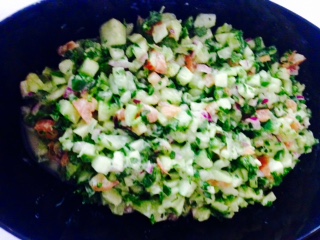
Crisp Cucumber Salad
Ingredients:
2 c finely chopped, seeded, peeled cucumbers
1/4 c chopped red onion
1 jalepeno pepper, seeded and chopped
1 garlic clove, minced or pressed
1 1/2 tsp lemon juice
1/4 tsp ground cumin
1/2 c finely chopped and seeded tomato
2 Tbsp minced fresh parsley
4 1/2 tsp minced fresh cilantro
1/4 c low fat Greek yogurt
1 1/2 tsp lime juice
1/4 tsp seasoned salt
Baked or whole grain tortilla chips
Directions: In a small bowl, combine first seven ingredients. In another bowl, combine the yogurt, lemon juice, lime juice, cumin, and seasoned salt. Pour over cucumber mixture and toss gently to coat. Serve immediately with whole grain chips or crackers.
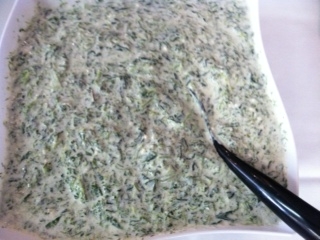
Creamy Feta-Spinach Dip (pictured above)
8 oz fat free yogurt
3/4 cup crumbled feta cheese
2 oz reduced fat cream cheese, cubed
1/4 cup reduced fat sour cream
1 garlic clove, minced
1 1/2 cups finely chopped fresh spinach
1 tsp dill weed
1/8 tsp pepper
Fresh veggies, pretzels, or sliced bread
- Line a strainer with a coffee filter; place over bowl. Place yogurt in prepared strainer; cover yogurt with coffee filter. Refrigerate for 2 hours or until yogurt has thickened to the consistency of whipped cream.
- Transfer yogurt to a food processor (discard liquid from bowl). Add the feta cheese, cream cheese, sour cream, and garlic; cover and process until smooth.
- Transfer to a small bowl. Stir in spinach, dill, and pepper. Cover and refrigerate until chilled. Serve with vegetables or bread.
Enjoy!
by Dan | Apr 10, 2016 | Exercise, Family, Goals, Motivation, Wellness/Health
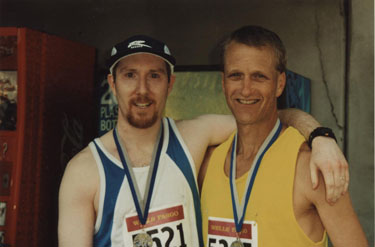
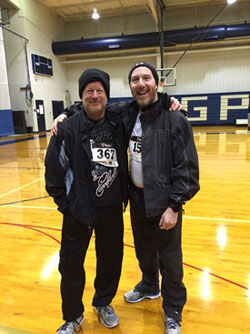
Be true to yourself, help others, make each day your masterpiece, make friendships a fine art. Friends? Where would we be without them? They are some of the people closest to us, and for me, have also been training partners. Here Tom and I are after one of our early Grandma’s Marathon events. As I have said in the past, it is not the marathon itself that was important, it was all of the training runs and talks we had getting ready for the marathon. Tom just texted me this week telling me he thinks his “racing days are over”, as he is struggling to keep up with a pace that we had once done. I reminded him it does not matter the time anymore. We have already done it. As he said, it gets tough to admit that. We are competitive, and don’t want to admit we are “slowing down”. I reminded him of what I have on a poster of mine:
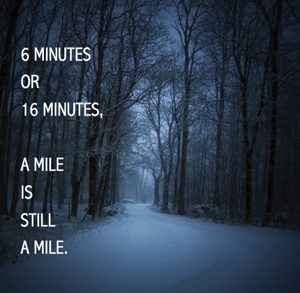
Who cares how slow we are anymore! I reminded him that it is just a way now to spend more time enjoying the scenery along the way…something we did not get to appreciate as much in the early days as we were worried about our time. Enjoy life…at a slower pace!
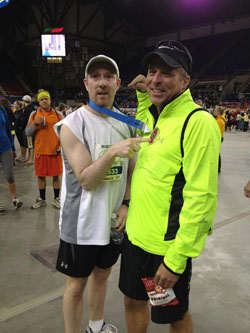
There was Steve, when he could not run at Fargo due to his heart. I still ran, but something was definitely missing. My competitive days are in the past. I missed running with my friend, talking, working things out, discussing all of life’s issues and problems. Friendship means so much more than a time!

Don’t take for granted those people who are important in your life now…we will not always get to have them. Appreciate life for what it is. Those people extend to many…
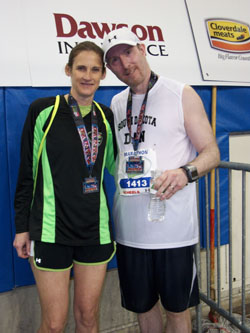
Sarah of course! My wife, my “always training partner”, and my best friend!
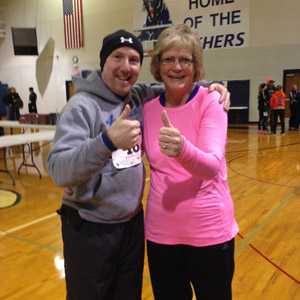
Chris…my nurse ever since I have been at Brown Clinic. She is now a runner, and loving it. I want her around for a long time too.
New friends develop by attempting things that may not be in our comfort zone. Rich is involved with me in our Fun Fit program, doing a lot of resistance/weight training. I got him going more into running now as well.
Then there are the new “runner” friends…made from the Watertown Area Running Club…who all have the enjoyment of just wanting to run. This first is one of the original ones of us all after competing at Fargo.
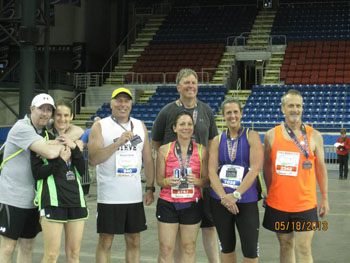
We hang together, and we love to run…but best of all, we have become friends. Over the past few years we continue to recruit others, and we love to show how much we love to be active, and stay healthy.
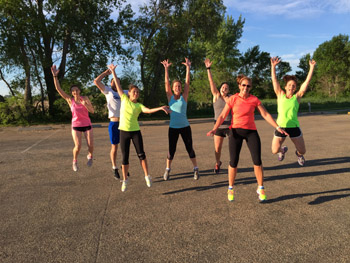
Never forget those people we meet along the way in our lives…they become friends…people we care about, like spending time with them, help them through things in life just like they help us. Working together helps to stay motivated to keep going, and working on staying healthy, and active. Bottom line though, it is not about the exercise. It is about those bonds of friendship we make along the way. Those are the things, and the people we will remember forever. Who cares what are time is, or what place we get, or who we beat. Enjoy the ride along the way, and don’t miss out on the good things, the good times, that are right in front of us. That is what life is all about. I would definitely say having friends is having Success in Life!

I can’t say it any better than this! Friendships are for a lifetime…Keep moving everybody, and enjoy these people who make your life a success!
Dr. Dan
Consecutive Exercise Day #” 3117
by kelsey | Apr 7, 2016 | Etc.
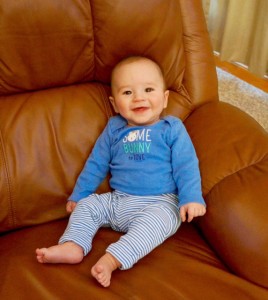
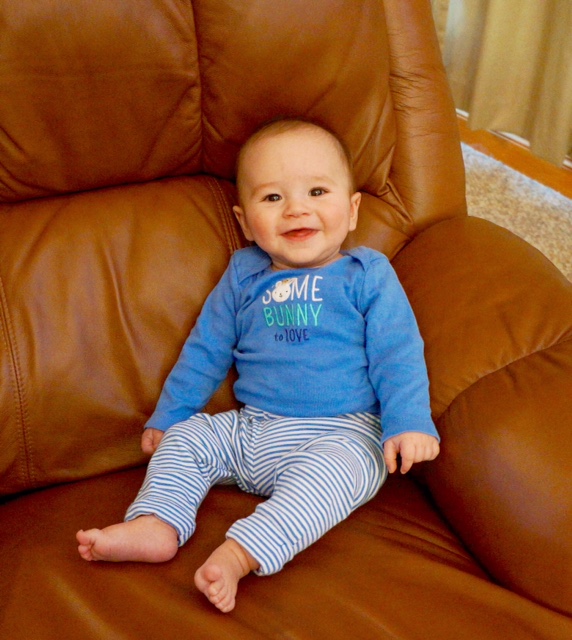
Brown Clinic has a new Facebook page! Brown Clinic Kids! Tips, recommendations, and the latest news for kid’s health and wellness will be posted there! Be sure to visit the page at https://www.facebook.com/Brown-Clinic-Kids-465607330293519/ and give it a “like” to get the latest on kid’s health and wellness! My sweet baby boy Corbin (pictured above) is proud to be a “Brown Clinic Kid” as he gets the best care possible from our great team of experts! 🙂
-Kelsey
by kelsey | Apr 6, 2016 | Etc.
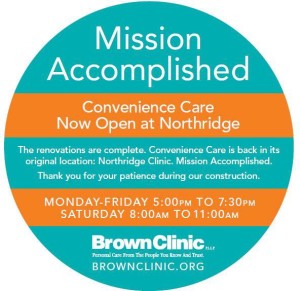
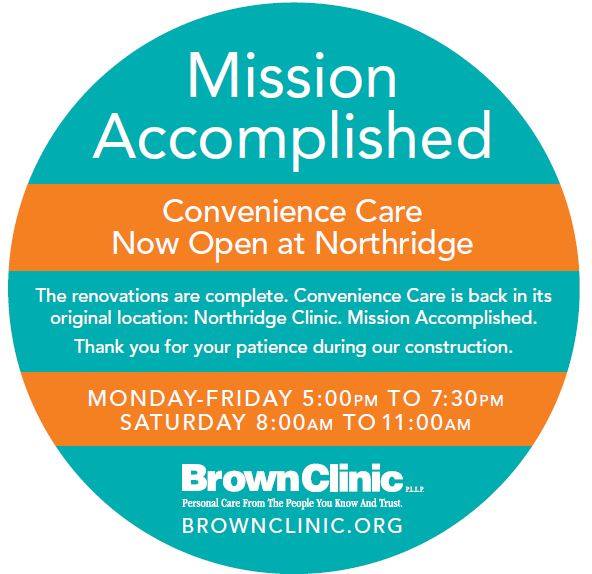
Just wanted to let you all know our renovations are complete at Northridge so Convenience Care is moved back to Northridge! Our hours at Northridge are 7:30am-7:30pm with Convenience Care open from 5-7:30pm and Saturday 8-11am. Main continues to be open 7:30am-5pm. Thank you for your patience during our construction!
by kelsey | Apr 5, 2016 | Exercise, Weight Management, Wellness/Health
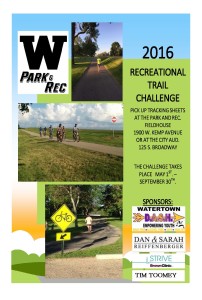
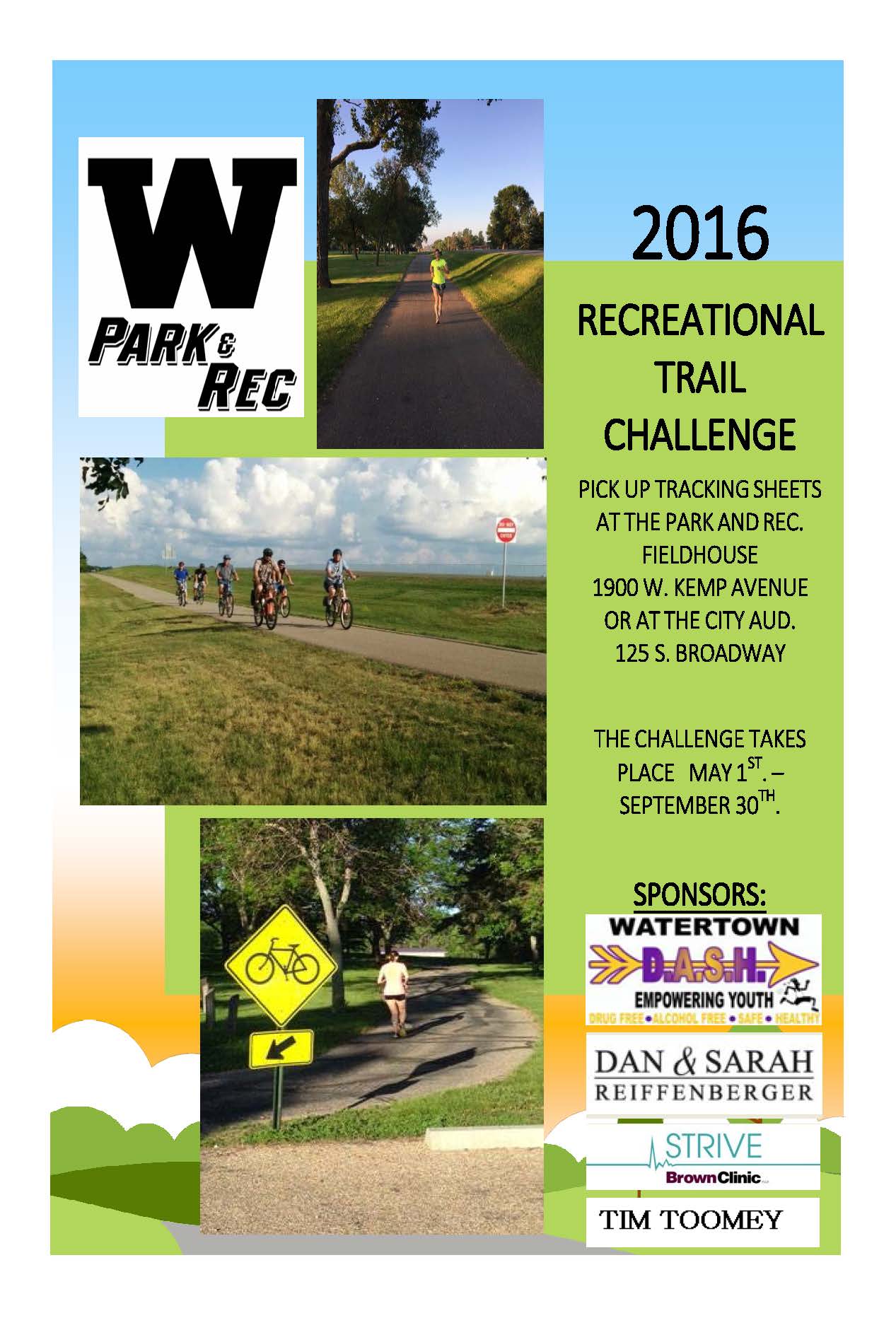
Watertown Recreational Trail Challenge
Have you ever wonder how many miles you have biked, run or walked on the Watertown Recreational Trail? This summer we want you to join the second annual Watertown Recreational Trail Challenge. Starting May 1 Keep track of how many miles you bike, run or walk, then at the end of summer by September 30 just turn your tracking sheets back in and we will tabulate who the three people are who have biked, walked or run the most miles and those three will receive awards and be recognized later in the month of October as the ones who put on the most miles on our beautiful trail system. You can pick up your tracking sheets at the Park and Rec Offices at the Fieldhouse or at the City Aud. now! Thank you to sponsors: Watertown DASH, Tim Toomey, Dr.Dan and Dr.Sarah Reiffenberger, and Brown Clinic STRIVE for making this challenge a success!
Dates: May 1-September 30
Fee: Free
Location: All miles must be on the Watertown Recreational Trail
For more information contact Jeremy at the Park and Rec: 882-6260.