by kelsey | Nov 18, 2014 | Cooking Tips, Diabetes, Diet, Food, Weight Management, Wellness/Health

We have had a few reader requests to discuss the Paleo diet. Today’s post is written by Brett Delaney, Dietetic Intern and it covers the basics of the diet. As always, if you have further questions, don’t hesitate to contact us!
Eating Like a Caveman – The Paleo Diet
The Paleolithic (Paleo) diet, also referred to as the ‘Caveman or “Stone Age” diet, has gained a large group of supporters and interest in recent years. The diet is loosely based on the concept that our bodies are accustomed to eating like a caveman because our ancestors did for millennia, well before the birth of farming and processed foods. The diet allows meat, fish, shellfish, poultry, eggs, veggies, roots, fruits, and berries but eliminates grains, potatoes, rice, legumes, dairy, sugar, and salt. Basically any food that was cultivated, farmed or processed should be left out of your diet. According to proponents of the Paleo diet, our genetics have been predisposed to these foods and the today’s common diseases like heart disease, diabetes, and obesity are the result from eating food our bodies are not ready to process, evolutionarily speaking. It does have an enticing tag line, “eat like a caveman, shed pound” but does only eating food that can be hunted, fished, or gathered really the best way towards weight loss and good nutritional status?
The Paleo diet does promote the consumption of more fruits and vegetables along with the elimination of sugars and salts, all of which corresponds with the 2010 Dietary guidelines for Americans. Another positive is that a diet rich in both protein and plant foods can contribute to weight loss, regulate blood pressure, control blood sugar, and may help prevent type 2 diabetes. Some areas of concern regarding the Paleo diet are showcased in its recommendation of an excess in daily fat intake while falling short on carbohydrate consumption. By excluding grains, legumes, rice, dairy, and potatoes, you run the risk of developing certain deficiencies. These foods are nutrient-rich and contain various important minerals and vitamins like vitamin D and calcium. Whole grains, which contain dietary fiber, may lower the risk of heart disease, cancer, and diabetes along with many other health complications. The core reason many people give dairy and grain such a bad rap derives from over consumption, and just like everything else, extra servings become troublesome. Another area of concern is the sustainability of the Paleo diet. The diet can be expensive and difficult since removing grain and all processed foods for your diet entirely can be almost impossible.
If you are looking for a diet, take away the positives from the Paleo diet such as eating more fruits and vegetables, choosing leaner meats, lowering consumption of processed foods, and eating more home cooked meals but include variety, smaller portion sizes, dairy products, and whole, unprocessed grains. Remember, the best diet has to fit the individual’s lifestyle while being affordable and easy to follow.
References:
1) Cunningham, Eleese. Are diets from Paleolithic times relevant today? Journal of the Academy of Nutrition and Dietetics, 2012 (vol. 112, issue 8): p. 1296. doi: 10.1016/j.jand.2012.06.019
2) Lucas, Debbie. (2014, January 14). The Paleo Diet [Healthy Living Blog].
https://www.mylifestages.org/blog/healthy-living-blog/the-paleo-diet-thoughts-from-a-registered-dietitian
by kelsey | Nov 13, 2014 | Cooking Tips, Diabetes, Diet, Food, Weight Management, Wellness/Health

The Holidays are almost here! Many of you are working very hard to get ready for your family and friend holiday functions….which usually involves alot of baking and cooking! The following are a few ways to lighten your recipes so you can still enjoy…just without all of the extra calories, fat, and sugar.
Butter, shortening, margarine, or solid fat: Use 1/4 less liquid oil or solid fat called for in the recipe–so if the recipe calls for 1 cup, you could use 3/4 c. If the recipe uses shortening, use 3 Tbsp oil. Use equal amounts of oil for melted shortening, margarine, or butter. You can also replace 1 c of fat with 1/2 c. prune puree or 1 c of fat with 1 c unsweetened applesauce. Oil in place of a solid fat is also a healthier substitution. If you use any of these, you will want to monitor your baking time as it may need to be reduced by 25%.
Whole milk, half and half, or evaporated milk: Use skim milk, 1% milk, evaporated skim milk, fat free half and half, or plain soy milk with calcium
Cream Cheese: use nonfat or reduced fat.
Sour cream or mayo: use nonfat or reduced fat…or use nonfat Greek yogurt and get a little extra protein and calcium.
Cream or whipping cream: use evaporated skim milk or non fat whipped topping or cream.
Eggs: use 2 whites in place of 1 egg or 1/4 egg substitute.
Sugar: Reduce sugar by 1/4 to 1/3- if recipe calls for 1 c, use 2/3 c. You can also use sugar substitutes such as Splenda and use the equivalent chart on the back of the bag. Baking time may be shorter, so be sure to watch it closely!
If you choose not to lighten your recipes, practicing portion control is another great tool to use. Allow yourself to enjoy your favorite holiday treats, but in moderation and be sure to get your exercise in!
-Kelsey
by kelsey | Nov 12, 2014 | Cooking Tips, Diet, Food, Weight Management, Wellness/Health

As Thanksgiving approaches, you may be thinking about your grocery list and all the goodies you will be making. County Fair Foods has a great recipe that is healthy and tasty! The recipe has some great substitutions for lightening the sugar, fat, and calories. Give it a try and enjoy!
Healthy Pumpkin Pie 15 oz can pumpkin
8 oz skim or low fat soy milk
3 egg whites
2/3 reduced fat graham cracker crust (take off the sides of the crust and discard)
¾ c Splenda
Pumpkin pie spice
2 egg whites for the crust
Preheat oven to 425 degrees. Mix pumpkin, milk, and egg whites until smooth. Gradually stir in Splenda ¼ c at a time. Add the pumpkin pie spice, taste and add more if needed. Pour into crust and spread evenly. Bake for 15 min then reduce the temp to 350 degrees and bake for another 45 min. Let cool and serve your favorite way. To make the crust less soggy beat the egg whites and brush over the crust and bake for about 5 min. at 350 degrees.
-Kelsey
by kelsey | Nov 6, 2014 | Diabetes, Diet, Food, Weight Management, Wellness/Health

There’s a lot of buzz about carbohydrates….are they good? Are they bad? How much should you have? , etc etc etc. In celebration of National Diabetes Month, I thought it would be appropriate to discuss carbohydrates. Carbohydrates are the main (and best) source of energy for your brain and central nervous system. Carbohydrates are essential for energy; however they raise your blood sugar levels higher and faster than any other kind of food. Carbohydrates are essential for your body to be able to sustain energy, so just like a car needs the right type of fuel (gas) to run, you need the right kind of fuel (food) to function and be healthy. To sustain energy, your body needs adequate carbohydrates: 50% of your total calories should come from carbohydrates. Cutting out all carbs can be very detrimental to our body, especially our brain, central nervous system, liver, kidneys, and heart. Because they are an excellent source of energy, but they do raise blood sugars, it’s important to recognize the types of carbohydrates and how to count them in efforts of controlling your blood sugars while still maintaining good health and adequate energy..
Carbohydrates are found in the following:
Starches: found in grains, some vegetables, and beans.
- Grains: bread, pasta, cereal, tortillas, rice
- Starchy Vegetables: potatoes, peas, corn, yams, squash
- Beans: kidney beans, pinto beans, black beans, garbanzo beans, and lentils
- **The best and recommended sources of starches are whole grains…choose them over the white, refined grains!
Sugars: found naturally in foods or added to foods.
- Natural Sugars: fruits, fruit juices, dairy products, honey, and molasses.
- Added Sugars: desserts, processed foods, candy, regular soda, and fruit drinks.
- **Natural sugars are better than added sugars, but large quantities of them can still raise your blood sugars…we recommend getting at 2-3 fruits and 3 servings of veggies/day. Anytime you can limit or eliminate the added sugars, do so!
To aid in ideal blood sugar control, we recommend a moderate intake of carbohydrates which means about 45-60g/meal and 15-30g/snack with several small meals and snacks throughout the day. I visit with patients daily about finding the right balance in their intake. If you would like help managing your blood sugars, to learn more about diabetes self care, or a personalized nutrition plan, be sure to contact me for further help!
-Kelsey
by kelsey | Nov 5, 2014 | Diabetes, Diet, Food, Heart Health, Weight Management, Wellness/Health
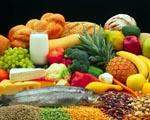
Today is a fun day for us…it’s National Eating Healthy Day! Just another reminder how making healthy choices can improve and impact your health and wellness tremendously! Whether you have heart disease or not, we all should strive to eat a heart healthy diet that keeps us healthy long term and aids in disease prevention! Eatings a colorful diet with moderate portions and engaging in regular activity are keys to success.
For a healthy heart you want to consume a diet low in sodium, low in saturated and trans fat, and cholesterol. Challenge yourself to replace these with some of the foods and food components listed below:
- Fruits and Vegetables- Many fruits and vegetables contain fiber, which helps your body take in more nutrients, can lower cholesterol levels, aid in achieving a healthy weight. Fruits and vegetables not only contain fiber, but they also contain potassium and antioxidants. Potassium can help with blood pressure by blunting the effects of sodium on blood pressure. Antioxidants may help prevent disease and keep your body working properly.. At the grocery store, be sure to choose a variety of deeply colored fruits and vegetables like carrots, apricots, broccoli, beets, berries and kidney beans to maximize your intake of vitamins and minerals.
- Whole Grains-There are many components within whole grains which provide benefits. Whole grains provide fiber, vitamins and minerals, and antioxidants. To reap the benefits, aim for at least 3 daily servings of whole grains. On the label, look for the phrase “whole grain” or “whole” before the grain’s name. Some examples include: whole grain breads, cereals and pasta, brown rice, oatmeal and popcorn.
- Heart Healthy Fats- A diet of moderate fat intake is beneficial to your health. You can enjoy the healthy benefits by choosing oils and spreads rich in unsaturated fat, such as olive, canola, safflower, sunflower, corn, or soybean oils. Salmon, sardines, herring, trout, and tuna are terrific sources of the omega-3 fatty acids, docosahexaenoic acid (DHA) and eicosapentaenoic acid (EPA), which are types of polyunsaturated fats that may reduce the risk of heart disease.
- Lean Meats- lean proteins such as white meat poultry, fish, pork and lean cuts of beef such as 90% or greater lean hamburger, sirloin, or round cuts are recommended. Also plant proteins such as beans and lentils offer an excellent source of protein, fiber, and other essential nutrients.
- Low Fat Dairy– skim or 1% dairy products are recommended for helping you meet your calcium and vitamin D neeeds to help keep your bones strong and healthy.
Healthy eating doesn’t have to be challenging. Start by picking a few little things to focus on improving and over time those little things will add up to big successes in the long run. Remember you are what you eat, so exchange out the junk food for healthy foods and your body will reward you!
-Kelsey
by Dan | Oct 26, 2014 | Diet, Exercise, Food, Goals, Motivation, Wellness/Health
You only turn 50 once, so you better make it count when that time comes. I try to be health conscious and stay fit, but sometimes, you need to splurge a little. When I came into work on Friday, my staff had the place decorated for my 50th birthday, and my nurse Chris made this cake for me.

About the only candy I will eat is peanut M & M’s, and she made this cake with it covered in them! The top was a carrot cake, and the bottom was marble. She did a great job. This was the best cake! Here is a close-up view of it.

Did this cake have a lot of calories? Yes. Did it stop me from eating several pieces, including over the weekend. Not on your life! You need to enjoy these types of things in life when it comes along. If you eat these type of things in moderation, then you can have them, and enjoy them without guilt. If we restrict ourselves too much, then we end up crabby, and depressed. I will make up for things with my diet after this, and I still exercise everyday so I can have these “good things” in life. So can you! It is OK to reward yourselves once in a while, but then get back on track, and take care of yourself. For me, I just told myself “I only turn 50 once, so take advantage of it”. That is truly what life is about. Enjoy it! Keep moving everybody!
Dr. Dan
Consecutive Exercise Day #: 2585
