by kelsey | Aug 11, 2015 | Diabetes, Diet, Food, Heart Health, Weight Management, Wellness/Health

Breakfast is one of the most important meals of the day! Yes, you have probably heard this before, but are you a breakfast eater!? Having a good breakfast is a great way to start out the day. It’s not only important for our body, but our mind too. Many times we’ll have excuses such as I was running late, I didn’t feel like eating, I’m not hungry in the morning, and this actually accounts for about a 1/4 to a 1/3 of the population! Starting the day without breakfast is like driving your car on a low tank of gas. We know we can’t go on forever on a low tank of gas, so we shouldn’t do that to our bodies either! Those that skip breakfast tend to snack more on high fat and lower nutritious foods…and are more likely to overeat at lunch because they are over-hungry. Studies have also shown that those working on weight loss are more successful when they eat breakfast as this really jump starts their metabolism and starts their day off right. In addition, eating a healthy breakfast helps our kids excel in school as it helps fuel the brain!
So what should you eat for breakfast? It’s important to get a balance at your meals and especially include a source of protein and a whole grain as these provide satiety. Here are some examples for you:
- Ready-to-eat cereal (>3g fiber, <2-3g fat, a ratio of greater than 4 g carbohydrate:1 g sugar)
- Hot cereal (oatmeal)
- Bagel with low-fat cream cheese or peanut butter
- Yogurt Parfait
- Fruit and yogurt smoothie
- Peanut butter or hummus on whole-wheat toast
- Breakfast quesadilla with low-fat cream cheese and sliced fruit
- Breakfast burrito or taco
- Toasted whole-wheat English muffin with lean ham and low-fat cheese
- Toasted pita with scrambled egg and low-fat cheese
- Low-fat milk and 100% fruit
If you are one who is not a fan of breakfast but understands the importance of it, I encourage you to try a variety of these options and see which one works best for you. I also encourage you to plan ahead. You may need to wake up 5 minutes earlier to fit breakfast in or make your smoothie the night before so all you have to do it pull the bottle or container out of the freezer or fridge in the morning and drink it on your way to work. Starting your day with a full tank will provide long lasting benefits to you and your body!
-Kelsey
by Dan | Aug 9, 2015 | Exercise, Motivation, Wellness/Health
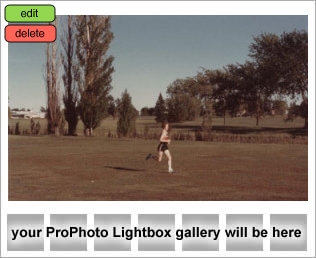
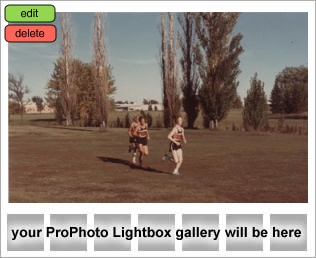
I first started to run in middle school, going out for Cross Country in 7th. Needless to say, I never really liked it then, and quit. I would run on and off on my own, but very sporadic. I started to do a little more in high school, but still never went out for school sports. Then the Spring of my Junior year of high school I entered the Diet Pepsi 10k race in SF. At that point, this was the furthest I had run at one time. In that race was Dick Beardsley, and he won the race in 29:50. I remember seeing one runner out front and literally “flying” down the road. I was running with my mouth open just watching him go. Later that day when I went to work that afternoon, I saw this same guy running down 41st in SF…again, just “flying”. I later found out this was Dick Beardsley, and up and coming marathon runner. He later won Grandma’s Marathon in 1981, a few months after this race, setting the course record that still stands at 2:09:37. He later won again in 1982. He is even more famous for the “Duel in the Sun”, battling Alberto Salazar at the Boston Marathon in 1982, losing by 2 seconds! He ran a 2:08:53! Incredible time! Watching him run set the tone for me. That Diet Pepsi 10K race, and watching him, sparked an interest in me that continues to this day. This is when I first really started running. I went out for Cross Country then that Fall for my senior year, and then also ran track in the Spring of 1982. You can say I definitely had a late start. I then ran Cross Country and Track all 4 years at Augustana…all because of Dick Beardsley! He is without question my running hero! I have seen him twice over the years at different events…the first time in 2002 when I ran at the Twin Cities marathon. He autographed my race number, and a copy of his book: “Duel in the Sun”. Then again 2 years ago at the Fargo Marathon, where I got to have my picture taken with him, and two other very important people…my other training partners– Tom Beaudry and Steve Hauck. Incredible memories! But this is truly how I got started with running, and have kept going since. I am “in it for the long run”! Below are pictures of Dick Beardsley with Tom and Steve, and myself, and from my beginning days as a Washington Warrior as a senior in high school, followed by my autographed race number by Dick Beardsley. Each week I will follow with another in a series of my “In It For the Long Run”, as I chronicle my years of running…to finish up then where I am at today.
Keep moving everybody! Deep down, I bet there is someone out there that influences you, and may help motivate you! Keep them in mind as you continue on with your journey, and live life to the fullest!
Dr. Dan
Consecutive Exercise Day #: 2872


by kelsey | Aug 4, 2015 | Diet, Weight Management, Wellness/Health
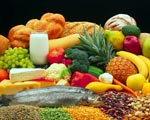
Controlling your weight is not an impossible task. When you reach your desired weight, a positive attitude is very important in your efforts to successfully manage it. To lose weight permanently, you must make a commitment to gradually adopt a healthier way of life. Here are a few tips:
- Set realistic weight loss goals, such as 1 to 2 pounds weight loss every couple weeks. Those who lose weight slowly, by eating less and exercising more, tend to keep their weight lost off.
- Eat fewer calories by cutting down on portions and/or decreasing the total amount of fat you eat.
- Do not skip meals. Eating 5 smaller meals a day helps to increase your metabolism.
- Keep low calorie, low fat snacks on hand, such as pretzels, raw vegetables with low calorie dips or fruit.
- Choose foods high in fiber such as whole-grain breads, cereals, pasta, rice, fruits, and vegetables.
- Eat a variety of foods to get all the nutrients you need.
- To ensure you are eating healthy, keep an accurate food journal. Write down everything you eat or drink. Be honest and accurate, otherwise the journal is not as helpful. The food journal will help you learn about your eating habits and help you assess the food choices you are making.
- Establishing a regular exercise routine is equally important. Aim for at least 30-60 minutes/day.
This is a glimpse of what we will cover in our 12 week STRIVE 2 Survive program! Our fall session starts September 8th and enrollment has begun! Contact us today to learn more and get signed up!
-Written by Megan Tschakert, SDSU Dietetic Student
by kelsey | Jul 30, 2015 | Diet, Weight Management, Wellness/Health
In today’s society we are often consumed by the next best diet. There are many kinds of shakes, supplements, the next best diet gimmick to help you lose that 20lbs in 2 weeks. The predicted weight loss is usually what intrigues us to learn more and want to try it…especially when it says “no exercise recommended.” Note–this is a red flag that this diet is not a good one! More often than not, the representatives promoting the products and plans for these fad diets do not have credible and substantial education in health and nutrition. In addition, the supplement and diet industry is huge and everyone in it is trying to make the big bucks, thus they are going to tell you exactly what you want to hear! These plans are very tempting to try, but it’s very important to be aware of the consequences some of these diet plans and supplements can have on our bodies and take the proper precautions.
A few years ago an article was published in the British Journal of Medicine that showed a high protein, low carbohydrate diet (typical of diets like the Atkins Diet, True Weigh/Ideal Protein Diet, and the Paleo Diet) increased risk for heart disease in women. In addition, this high protein, low carb diet can result in damage to our liver and kidneys. In regards to the supplements, it’s important to be mindful of the ingredients and the nutrient content as many contain ingredients that can act as stimulants and cause elevated blood pressure, heart palpitations, and overall stress to the heart. Most of these fad diets will result in weight loss as you are often cutting your calories very low and as a result you lose that superficial weight also known as water weight. The odds of you keeping this weight off when following a fad diet are minimal, which is why we come back to the good old fashioned diet and exercise as our best plan for weight loss and weight management.
Sometimes we need that reassurance that dieting the old fashioned way is best because there are so many other temptations out there…but what you need to know is YES, this is best for you and your body! Following a lower calorie, balanced diet plan that includes lean proteins, low fat dairy, whole grains, and plenty of fruits and vegetables will not only help you lose weight and keep it off in the long run, but it will also keep your body healthy inside and out. A healthy and balanced diet paired up with an activity routine is your ticket to success and has been heavily researched to prove this. US News and World Report ranked the best diets recently and the top ones are consistent with our recommendations: the heart healthy and mediterranean diets are the best for us! [http://health.usnews.com/best-diet/best-overall-diets?int=9c2508]. Sometimes doing it the old fashioned way takes a little longer than we’d like, but be patient!! We really like to see a slower, steadier weight loss than a quick one so stay strong and true and eventually you will reach your goal!
If you need help with improving your weight and wellness or have questions don’t hesitate to contact us! We’re excited to start our fall session of STRIVE 2 Survive September 8th! Enrollment is beginning now so contact us today to get signed up for a great session of learning and working on improving your health and wellness!
-Kelsey
by kelsey | Jul 28, 2015 | Cooking Tips, Food, Wellness/Health

The recent storms have resulted in power outages along with a lot of destruction and damage, thus I thought it was time to review proper food safety recommendations when power is lost. Without power to your freezer or fridge, the safety of your food is at risk…especially when it’s 80 degrees out. If you don’t have one already, be sure to get a thermometer for your fridge and freezer so you are able to monitor and track temperatures appropriately…and be sure to follow these recommendations below.
Keeping cold foods cool and hot foods hot may be a challenge without power so follow these recommendations to keep your food safe in an emergency.
- Keep the refrigerator and freezer doors closed as much as possible to maintain the cold temperature. Watch the temp on both using a thermometer. You want your fridge to stay under 40 degrees and your freezer under zero degrees F.
- The refrigerator will keep food safely cold for about 4 hours if it is unopened.
- A full freezer will hold the temperature for approximately 48 hours (24 hours if it is half full) if the door remains closed.
- If are you able to, get dry or block ice to keep your refrigerator as cold as possible if the power is going to be out for a prolonged period of time. Fifty pounds of dry ice should hold an 18-cubic foot full freezer for 2 days.
- If you are wondering if your food is safe to consume, you need to evaluate each item separately using a thermometer as you cannot rely on the appearance or odor! If the food still contains ice crystals or is 40 °F or below, it is safe to refreeze. Refrigerated food should be safe as long as power is out no more than 4 hours. Keep the door closed as much as possible. Discard any perishable food (such as meat, poultry, fish, eggs, and leftovers) that have been above 40 °F for 2 hours. Remember…it’s better to discard and buy new than risk it and get sick!
For more tips and detailed recommendations please visit the USDA’s website: http://www.fsis.usda.gov/Fact_Sheets/keeping_food_Safe_during_an_emergency/index.asp .
-Kelsey
by kelsey | Jul 23, 2015 | Diet, Food, Weight Management, Wellness/Health

The aging process is not a real fun one, so most of us want to do everything we can to make the process go well. One common concern as we get older is forgetfulness. Staying active and keeping your brain engaged with regular tasks are good practices, but it’s also important to eat healthy as certain foods promote brain function and memory. As always, eating a colorful diet will help you, but here are some more specifics!
Eat your veggies: strive to get a variety of vegetables in your diet (each color offers specific nutrients!). The cruciferous vegetables like broccoli, cabbage and dark leafy greens are especially benefecial.
Berries: eat more berries, especially dark ones like blackberries, blueberries and cherries are a rich source of anthocyanins and other flavonoids that may boost memory function.
Omega-3 fatty acids: Omega-3 fatty acids, docosahexaenoic acid (DHA) in particular, may also help improve memory. Fatty fish such as salmon, tuna, sardines and herring are great sources of omega-3 fatty acids. Aim to get at least 2 servings (3 oz) of fatty fish a week and choose healthy cooking methods such as grilling, baking, or broiling over frying. You may also consider taking a fish oil supplement, but be sure to visit with your doctor about proper dosing before taking it.
As you probably noticed, these foods are foods I have discussed before, so eating a healthy and well balanced intake, will not only aid in a healthy weight and heart, but a healthy and active brain!
-Kelsey
