by kelsey | May 3, 2012 | Food, Holidays, Weight Management

Are you going to celebrate Cinco de Mayo with a Mexican feast this weekend? When we think of Mexican cuisine, we often think of chips and salsa, largely stuffed burritos, and Mexican rice and beans. In addition to the tasty foods, Cinco de Mayo is often celebrated with alcoholic beverages as well. The calories in these foods and drinks can add up quickly if you are not mindful and careful! If you are able to help plan part of the menu, try incorporating produce into your menu, such as fresh fruits and vegetables such as a crisp salad, mangos, tomatoes, and peppers. In addition, you’ll want to be careful of the added fats that come in the fried tortilla chips, sour cream, and cheese. Try using more seasonings versus the extra cheese and sour cream to add flavor. You can also choose low fat options to lighten the calories. In addition, baking, broiling, and grilling will reduce the fat in your dishes as well. Lastly, the calories in your alcoholic beverages add up quickly, especially in mixed drink choices such as margaritas and daqueries. Choosing a ‘on the rocks’ drink versus the slushy drinks and skip the sugar and salt on the rim of the glass to lessen calories. If you prefer beer, a light beer will greatly reduce calories compared to the regular. And most of all have fun! We often put so much focus on the food, we forget about the real meaning of celebrations…family, friends, and fellowship! Enjoy visiting and socializing and practice moderation with the food!
For more tips and recipes visit: http://www.eatright.org/Public/content.aspx?id=6442469607
Happy Cinco de Mayo!
-Kelsey
by kelsey | Apr 25, 2012 | Cooking Tips, Diet, Food, Weight Management, Wellness/Health
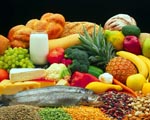
Do you have a child that refuses to eat vegetables? Many prefer fruit over vegetables because of their sweet taste. However the combination of fruit and vegetables offers our body’s a great source of vitamins and minerals and each color offers their own really great nutrients…which is why we encourage you to eat a colorful diet. As many of you know, we recommend getting at least 2 fruits a day and fresh or frozen are best. Be careful of the juices and canned fruit as they often times have more sugar and lack the fiber which is beneficial for us. To help increase vegetable intake (strive to get at least 3 servings/day), try using a variety of preparation methods such as raw, steamed, or roasted. Here are some tips to help your children increase their intake of vegetables:
- Allow your children to pick out the vegetables for dinner
- Use cut-up vegetables with dip as a snack
- Vary the choices to keep it interesting
- Have kids help wash, peel and slice vegetables if they are old enough.
Including them in the decision making and preparation gives them ownership and makes eating them more satisfying! A really great website for learning more about increasing your fruit and veggie consumption is: www.fruitsandveggiesmorematters.org. Check it out!
-Kelsey
Reference: http://www.eatright.org/Public/content.aspx?id=6442450985
by kelsey | Apr 12, 2012 | Diet, Food, Weight Management, Wellness/Health

With spring underway, our house is bustling as this is one of the busiest times of the year for us on the ranch. Spring time is most noted in our house by calving and planting. This lifestyle often results in late night suppers, night checks to ensure the cows are not having any issues, and long hours of work as the farmers and ranchers are working hard to the crops in and ensure their cows and calves are doing well. It’s a type of work that many have been brought up in through generations. As a dietitian and wife of a rancher/farmer, I marvel at the work they do and it reminds me of the importance of promoting our local produce!
Beef is an excellent source of 10 essential nutrients, especially protein, selenium, iron, zinc, and choline. There are 29 lean sources of beef that meet the government guidelines for lean. Red meat often gets a bad rap in the media, however the bottom line is that lean beef does truly offer several health benefits to us including heart health, muscle development, and weight management due to its excellent nutrient content.
Now yes, I may be a little biased since this is a way of life for my family, however nutrionally speaking it truly is a great source of nutrients. I am not telling you go out and get a fatty 20 oz steak, but I am telling you it’s ok to incorporate portion controlled lean sources of beef into your daily intake.
Today I signed up to become a part of Team BEEF. Team BEEF is part of the South Dakota Beef Council and is a community of runners and health enthusiasts who recognize the nutritional benefits of lean beef and the important role high quality protein can play in training. I am excited to represent South Dakota Team BEEF at the Buffalo NY marathon/half marthon my brother and I will be running in May. Next week I plan to discuss a few concepts of beef and its nutrition.
-Kelsey
*The picture just a glimpse of what our ranch looks like right now or as Adam calls it, “the nursery.” 🙂
by kelsey | Apr 4, 2012 | Diet, Weight Management
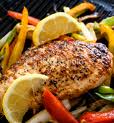
Are you a member of the clean plate club? If so, I’d like to give you permission to drop out! A simple way to eat healthier and achieve a healthy weight is to avoid large portions and eat less. Here are some tips to help you do this:
- Use smaller plates, bowls and glasses.
- Once in a while, get out the measuring cups and measure your portions out into your bowls and plates to give you a better idea for how much you should be eating and what the appropriate portion sizes are.
- Eat slower and make your dining experience last longer…savor each bite!
- Stick to one helping…avoid seconds, thirds, and fourths.
- Fill up on a leafy-green salad or vegetable soup before the main course.
-Kelsey
by kelsey | Mar 8, 2012 | Cooking Tips, Diet, Weight Management, Wellness/Health
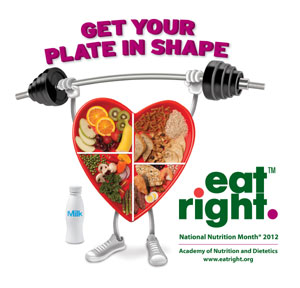
Grocery store aisles are filled with foods high in sodium, fats, and sugars. It’s ok to treat yourself to these foods, such as a donut or cookie every once in awhile, however they should be considered occasional and not a regular habit. Try replacing these foods with more whole choices such as fruits and vegetables, whole grains, lean meats, and low-fat dairy products. Packaged, frozen, and canned goods typically contain higher amounts of sodium and can also contain greater amounts of bad fats (saturated and trans) and excess sugars. These processed foods are major contributors to high blood pressure, heart disease, and diabetes.
Here are a few tips to help get your plate in shape!
Choose foods and drinks with little or no added sugars.
- Drink water throughout the day. For variety, add lemons, limes or cucumbers to your water or try carbonated water.
- Choose low-fat or fat-free milk or 100-percent fruit juices.
- Eat fresh fruit salad for dessert.
Eat fewer foods that are high in solid fats.
- Instead of regular ground beef, opt for extra-lean ground beef. Ground turkey and chicken are also available in lean options.
- Grill, broil, bake or steam your foods instead of frying.
- Cook with healthy oils like olive, canola and sunflower oils in place of hydrogenated and partially-hydrogenated oils.
- Opt for fat-free or low-fat milk, yogurt and cheese.
Cut back on sodium.
- Instead of salt, use herbs and spices to season foods, and avoid salting food before tasting it.
- Do not add salt when cooking pasta, rice and vegetables.
- Read the Nutrition Facts Panel to compare sodium content of foods such as soups, broths, breads and frozen dinners, and choose the healthiest option.
- Eat fresh fruits and vegetables, fresh meats, poultry and fish, beans and peas, unsalted nuts, eggs and low-fat or fat-free milk and yogurt.
-Kelsey
by kelsey | Feb 23, 2012 | Cooking Tips, Diet, Weight Management, Wellness/Health

With Lent underway, many will be eating more fish in the next 40 days than they do all year round. Fish is a staple food in many parts of the world, but us Mid-Westerners have to work on this a bit as our typical meats are beef, poultry, and pork over fish. Fish is a great source of lean protein. Some fish have more omega 3 fatty acids than others which does offer additional heart health benefits. These fish include salmon, herring, trout, tuna, sea bass, and mackerel. Our area lake fish are lean sources of protein, however most of these fish (walleye, northern, etc) are not a rich source of omega 3 fatty acids.
A popular way to eat fish in the Midwest is breaded and fried. This preparation and cooking method can add a great deal of extra calories and fat. Next time you have fish, opt for the grilled, broiled, or baked without the breading as it’s much healthier for you!
Below is one of my favorite salmon recipes. You can visit the All Recipes website below for the exact recipe and can change the serving size to fit your needs individually.
Alaska Salmon Bake with Pecan Crunch Coating
Prep Time: 20 Min
Cook Time: 10 Min
Ready In: 30 Min
Original Recipe Yield 6 servings
Ingredients
- 3 tablespoons Dijon mustard
- 3 tablespoons butter, melted –can substitute olive oil
- 5 teaspoons honey
- 1/2 cup fresh bread crumbs—can use whole grain bread crumbs
- 1/2 cup finely chopped pecans
- 3 teaspoons chopped fresh parsley
- 6 (4 ounce) fillets salmon
- salt and pepper to taste
- 6 lemon wedges
Directions
- Preheat the oven to 400 degrees F (200 degrees C). In a small bowl, mix together the mustard, butter, and honey. In another bowl, mix together the bread crumbs, pecans, and parsley.
- Season each salmon fillet with salt and pepper. Place on a lightly greased baking sheet. Brush with mustard-honey mixture. Cover the top of each fillet with bread crumb mixture.
- Bake for 10 minutes per inch of thickness, measured at thickest part, or until salmon just flakes when tested with a fork. Serve garnished with lemon wedges.
Nutritional Information
Amount Per Serving Calories: 368 | Total Fat: 22.4g | Cholesterol: 91mg
http://allrecipes.com/recipe/alaska-salmon-bake-with-pecan-crunch-coating/detail.aspx
Enjoy!
Kelsey
