by kelsey | Feb 6, 2013 | Cooking Tips, Diet, Food, Weight Management

We had some excellent treats last night at STRIVE 2 Survive thanks to County Fair Foods. Both are very tasty and healthy! Be sure to give these a try!
Angel Lush (above picture)
1 can (20 oz) crushed pineapple in juice, undrained
1 pkg (1 oz) vanilla fat free/sugar free instant pudding
1 c thawed lite cool whip topping
1 pkg (10 oz) round angel food cake cut into three layers
10 small fresh strawberries
Mix pineapple and dry pudding mix. Gently stir in cool whip. Stack cake layers on plate, spreading pudding mixture between layers and on top of cake. Refrigerate for one hour. Top with berries.
Chicken Veggie Wrap
Garden vegetable wraps
Cooked chicken breast
Garden vegetable 1/3 less fat cream cheese
Cucumbers
Tomatoes
Bell Peppers
Alfalfa sprouts
Lettuce
Dice chicken and vegetables. Spread cream cheese on wrap. Layer chicken and vegetables. Roll, slice, and enjoy!

by kelsey | Jan 31, 2013 | Cooking Tips, Food, Weight Management, Winter

The weather is making headlines today as we woke up to -40-50 below with wind chill. It’s very hard to get motivated to do anything on days like today as we’d rather just curl up in a blanket in our sweatpants and watch a movie. Even though we may feel like being a bum, it’s still a good time to get a little workout in which will help raise your body temperature and give you more energy throughout the day. We also typically eat more soups, stews, and hot-dishes on days like this. If you are watching your waist line, it’s important to be careful of how much you consume of these foods as they can be high in calories, fat, and carbs… depending on how you prepare them. Broth based soups and stews are lower in calories and fat than cream based. In addition, if you’re making a hot dish, you may consider cutting calories by choosing fat free soups to add to your dish, such as fat free cream of chicken or mushroom soup. They also have low sodium varieties of these so if you’re watching your blood pressure or sodium intake, you may consider using this variety. And, as always, be sure to incorporate your lean proteins and plenty of fruits and veggies to your meal. Two of my favorite cold weather meals are my mom’s beef stew that has carrots, peas, potatoes, onion, and roast meat and her chicken noodle soup that also has plenty of veggies with white meat chicken. Nothing beats either of these on a cold winter day!
If you venture out today, be sure to dress appropriately and cover up!
-Kelsey
by kelsey | Jan 30, 2013 | Diet, Food, Weight Management, Wellness/Health
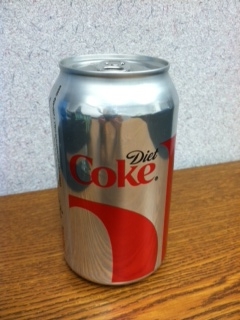
Do you ever feel like you just don’t have any energy or can’t get your steam up to get that list done? I’m sure most of us have felt this way before! Many people turn to caffeine to help give them a boost…and that caffeine is found in a variety of sources from coffee, tea, pop, to energy drinks. Energy drinks have gotten very popular over the last few years and are more prominent in the younger generation. Recently, the FDA has cracked down on makers and suppliers of energy drinks as there have been several reports of adverse affects including 18 deaths related to consumption of energy drinks. Energy drinks have a lot of sugar and caffeine. Caffeine can act as a stimulant and cause a variety of adverse effects, which is why we recommend limiting your caffeine to 200-300mg a day. To put this in perspective, this would be equivalent to 2-4 cups of coffee. A can of Diet Coke has about 42 mg, Mtn Dew has about 55 mg, a latte about 150 mg, and a cup of green tea has about 24-40 mg. The energy drinks have have a lot more than these options. For example, Rockstar drinks can range from 80-240mg depending on the kind, a Red Bull has about 75-80 mg, 5 hr Energy has about 215-240 mg of caffeine.
Many times, a person may have a combination of an energy drinks and other caffeine sources such as coffee or pop, thus making their total consumption of caffeine very high. I encourage you to reflect on the amount of caffeine you take in and if you are getting over the 200-300 mg/day, you may consider switching to decaf or caffeine free products. If you are using caffeine to keep you awake, you may consider reflecting on your sleep habits as well and work at improving them to keep you more alert during the day! For more information on energy drinks and caffeine content, click the link for a complete list from the Natural Medicines Comprehensive Database: http://naturaldatabase.therapeuticresearch.com/ce/ceCourse.aspx?cs=&referer=EUPDATE201301&utm_source=default&utm_campaign=eupdate&pm=5&pc=13-900&utm_content=block1link5&utm_medium=012013eupdate.
-Kelsey
by kelsey | Jan 29, 2013 | Goals, Weight Management, Wellness/Health

As we look to the end of the week, the long month of January comes to an end and February greets us. This also means that for those that made New Year’s resolutions, you’re a month into your new plan. How’s it going? What are you doing really well? What needs work? Take some time for reflection and think about these questions. When I work with my patients, we talk about a lot of different things from activity, nutrition, and behavior modification and it’s hard to tackle it all at once….and usually when we do we become overwhelmed and throw in the towel and start that viscous cycle all over again! In efforts of promoting life long habits, focus on a few things at a time and as you feel you have mastered those new habits, pick another few to focus on. Over time you will have a new healthy lifestyle that you can maintain! Use your calendar or your journal to keep track of your goals and be sure to reward yourself along the way!
-Kelsey
by kelsey | Jan 24, 2013 | Diet, Weight Management
Thanks to the popular Dr. Oz show, raspberry ketones became a craze in the last few years as Dr.Oz discussed them as being helpful for weight loss. I was recently asked about them and if they’re effective so I thought I’d discuss this topic on the blog for everyone to learn the facts about this supplement. When we hear “raspberry ketones” we may think of the raspberry fruit, but in reality this is a supplement…not a fruit. Raspberry ketone is a chemical derived from red raspberries and is thought to increase lean body mass and increase metabolism. Even though the very popular doctor and tv host promotes this for weight loss, it is important to note that there is no sufficient or reliable research indicating this is effective for weight loss. It’s also important to note that the supplement industry is not regulated by the FDA like prescription drugs are so many companies promote their products just to earn the big bucks, not necessarily telling you the truth about their products. To date, there is no magical pill that aids in weight loss (whoever finds it will be rich I’m sure!). There are several new prescription drugs that may work, however the best way to speed up your metabolism and lose weight for good is a balanced, portion controlled diet with regular activity…which includes at least 30-60 minutes of aerobic activity most days of the week and at least 2 days of body resistance activities to aid in muscle toning. We are always looking for the quick fix and easy way out, but the best way to improve your health is making lifestyle changes that you can stick with rather than the quick fix. If you are ever wondering about a supplement, don’t hesitate to contact us as many supplements can interact with your medications and body and we can look them up for you and provide proper guidance and instructions for you!
-Kelsey
by kelsey | Jan 16, 2013 | Diet, Weight Management

With the obesity epidemic comes a push for healthy eating and wellness and this is ever more prevalent as we ring in the new year. You may get mixed messages about who to go to for your nutrition advice as every where you go it seems like someone is trying to promote their product or message….and if you search the internet, you will find just about everything you’d want to know, accurate or not! I am thrilled that our society has put more of a focus on health and wellness but I also get concerned that consumers are misinformed at times. Many of you who follow our blog know me and know what my work as a Registered Dietitian entails as well as my educational background, but many do not, so I decided to put today’s focus on discussing what I, as a Registered Dietitian can do for you!
The Academy of Nutrition and Dietetics recently had this description on their website and I really can’t put it any better way, so I am quoting them and you can view their website at the link below. This is a great description and explanation about what an RD can do for you.
“Here are just a few of the benefits of working with a registered dietitian:
The highest level of nutrition counseling: Anyone can call him- or herself a nutritionist, but only a registered dietitian (or RD for short) has completed multiple layers of education and training established by the Academy of Nutrition and Dietetics. In addition to holding a bachelor’s degree, an RD must fulfill a specially designed, accredited nutrition curriculum, pass a rigorous registration exam, and complete an extensive supervised program of practice at a health care facility, foodservice organization or community agency. What’s more, roughly half of all RDs hold graduate degrees and many have certifications in specialized fields such as sports, pediatric, renal, oncology or gerontological nutrition.” –A personal note here…In addition to holding the credential of Registered Dietitian, I am also licensed in the state of South Dakota with their Board of Osteopathic Examiners (the “LN’ behind my name means Licensed Nutritionist). The RD and LN are important to recognize when looking for nutrition advice. In addition, I have my Master’s in Nutritional Sciences, completed the CDR Certificate of Training Adult Weight Management, and have done extensive research in wellness and weight gain prevention.
“Personally tailored advice: When you see an RD, the last thing you’ll get is one-size-fits-all diet advice. “A dietitian is like an investigator seeking to learn about your current and desired state of health,” says McDaniel. “At your initial visit, expect to do a lot of talking while the dietitian does a lot of listening.” After learning about your health history, favorite foods, eating and exercise habits, an RD will help you set goals and prioritize. Follow-up visits will focus on maintenance and monitoring your progress.
Help managing chronic diseases: If you have high cholesterol, high blood pressure, diabetes or cancer it can be hard to know what to eat. “An RD can review your lab results with you, help you understand your condition and provide education about the nutrients that affect it,” says Angela Ginn, RD, a spokesperson for the Academy of Nutrition and Dietetics. “Then, he or she will help you create an eating plan that includes all the important nutrients that can help you manage your condition.”
Guidance navigating food allergies, sensitivities and intolerances: When you suffer from conditions like celiac disease, food allergies or lactose intolerance, it’s easy to be overwhelmed by what you think you can’t eat. That can translate into a boring diet and may even lead to nutrient deficiencies. An RD can teach you how to read food labels so you’ll know which ingredients to avoid and a help you find substitutions to keep your diet balanced and tasty, too.
A weight-loss program that really works: Fad diets may sound like the quick ticket to weight loss but they rarely work for very long. A registered dietitian will partner with you to develop a safe, effective weight-loss plan that you can stick with for the long haul. To guide and motivate you, a registered dietitian will use creative and out-of-the-box strategies to help with meal planning, grocery shopping, food journaling and mindful eating.”
The direct link for this story is: http://www.eatright.org/Public/content.aspx?id=6442472620#.UPbLpazlDsc.
As you can see, there are a variety of services Registered Dietitians can offer you and the important thing to consider is that we have the educational background to provide you with evidence based and accurate medical nutrition therapy personalized for you. We have extensive education in biology, chemistry, and physiology all of which your physician, pharmacist, and midlevel providers (PA, NP, etc) also have. These classes are challenging to take, but it does give us the proper education to understand nutrient metabolism to provide you with the most accurate and evidence based nutrition education. Whenever you are wanting nutrition advice or help, I encourage you to consider asking a Registered Dietitian as we are your expert in this field!
-Kelsey Raml, MS, RD, LN
