by kelsey | Jun 24, 2015 | Diet, Weight Management, Wellness/Health
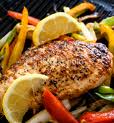
Portion Vs Serving
While these two terms are often used interchangeably, they mean completely different things. Knowing the difference between the two will help you make healthy choices and practice appropriate portion control.
A serving is how much of a food is recommended by consumer education materials, like MyPlate.
A portion is how much food you choose to eat at one time.
Estimating Serving Size:
3 oz of meat is the size of a deck of cards
1 cup of pasta is the size of a baseball
1 oz of cheese is the size of your thumb
½ cup of fresh fruit is the size of a tennis ball
1 teaspoon of butter is the size of a dice
Tips:
Use a smaller plate so less food will seem like more.
Don’t eat from the package so you don’t lose track of how much you eat.
-Written by Kara Schmidt, SDSU Dietetic Student
by kelsey | Jun 23, 2015 | Diet, Food, Weight Management, Wellness/Health

The gluten free diet has become a very popular fad diet and the low carb craze is coming back in full force. There are some important things to know and understand about gluten and SDSU Dietetic Student Kara Schmidt explains them for you here.
1. What gluten is: gluten is a protein found in wheat, rye, and barley. Therefore, many pastas, breads, and cereals have gluten in them. It can also be found in many salad dressings, sauces, and beers. Gluten helps food to maintain their shape, acting as a sort of glue.
2. Who needs to avoid gluten: people with celiac disease, an autoimmune disorder, cannot have gluten. Their body’s immune response to gluten damages their intestinal wall, causing abdominal pain, bloating, nausea, and diarrhea.
3. Gluten and weight loss: people who choose not to eat gluten tend to avoid foods like bread, pastas, and cereals. These foods are also full of carbohydrates, which get broken down into sugars so that the body can use them for energy. Too many carbohydrates can cause your body to store the excess energy in fat, causing weight gain. If a person is avoiding eating these carbohydrate-rich foods, they will have to get their energy elsewhere, such as from fruits, vegetables, legumes, and lean meats. This healthy change in diet doesn’t have to mean cutting out gluten, just making healthier choices and practicing portion control. A gluten free diet is only recommended for those who truly are gluten intolerant and should not be used as a fad diet!
by kelsey | Jun 18, 2015 | Exercise, Weight Management, Wellness/Health

The FitBit is a health tracker that has capabilities to track activity, exercise, food, weight, and sleep and it has become very popular in the last year or two. There are seven different products ranging in price from $60-$250, all with multiple color choices. The FitBit works by tracking your stats, syncing them wirelessly to your phone, tablet, or computer, allowing you to view your progress charts online, and even has a feature that lets you compete with friends and family. All of the batteries can be recharged except for the one in the Zip, which is a replaceable watch battery. All of them also monitor sleep and can wake you with a silent, vibrating alarm, except the Zip. The FitBit could be that extra motivational push to meet your fitness needs!
FitBit Zip: What makes it unique: clips to clothing, has up to a six-month battery life; costs $59.95
FitBit One: What makes it unique: tracks floors climbed, clips to clothing; costs $99.95
FitBit Flex: What makes it unique: wristband, LED lights report progress towards goal; costs $99.95
FitBit Charge HR: What makes it unique: wristband, monitors heart rate, tracks run stats; costs $149.95
FitBit Surge: What makes it unique: wristband, monitor heart rate, multi-sport tracking; costs $249.95
-Written by Kara Schmidt, SDSU Dietetic Student
by kelsey | Jun 16, 2015 | Cooking Tips, Diet, Food, Weight Management, Wellness/Health

June is national dairy month, thus it’s a great time to recognize and discuss the benefits we can get from dairy in our diets.
Cow’s milk is the richest source of well-absorbed calcium and is actually absorbed better (about 25%) than the calcium in soy milk. There is about 300 mg of calcium in an 8 oz serving of milk and we recommend getting at least 3 servings of dairy a day. A serving is equal to an 8oz (1 cup) serving of milk, 6 oz tub of yogurt, 1 oz cheese, 1/2 c cottage cheese. In addition to calcium, cow’s milk is an excellent source of phosphorus, vitamin B12, potassium, riboflavin, vitamin A, vitamin D, protein, and niacin…totalling 9 nutrients compared to only 4-5 nutrients found in soy and almond milk.
There are many other types of “milks” out there such as almond, rice, coconut, and soy, however these drinks are not the same as cow’s milk in regards to the nutritional qualities. Many of these milks use fortification (adding nutrients), whereas the nutrients are found naturally in cow’s milk. Below is a list from the Midwest Dairy Association about these beverage’s nutrient sources and nutrition quality (http://www.midwestdairy.com/0p335/dairy-imitators/)
- “Soy beverages are made from soybeans and are a good source of protein. However, according to the Protein Digestibility Corrected Amino Acid Score (PDCAAS), soy protein is a lower quality protein than the whey protein found in dairy products.
- Rice-based beverages are generally processed from brown rice and are fortified with nutrients such as calcium and vitamin D. Rice beverages typically contain only one gram of protein compared to eight grams in cow’s milk.
- Nut-based beverages can be ground from any nut and the most popular is almond. Almond beverages only supply one gram of protein per serving and lack many of the natural benefits found in almonds.
- Seed-based beverages, such as hemp, are newer to the marketplace. Their nutritional benefit is touted to be their omega fatty acid content. Similar to the other beverages, they also fall short on protein.”
Often times, these other “milks” contain higher sugar content, less calcium, less protein, and are absorbed less than those benefits in cow’s milk. Now if you have a lactose intolerance or milk allergy, these are certainly options for you, however if you do not have an allergy or intolerance, I highly encourage you to work towards getting your 3 a day servings of dairy and preferably low fat dairy. It will not only provide you with excellent vitamins and minerals to keep your bones and muscles healthy and strong, it will also provide you with an excellent source of protein.
For more information on the benefits of dairy, you can visit www.midwestdairy.com or contact my good friend and fellow Registered Dietitian Whitney Jerman at wjerman@midwestdairy.com.
I know I will enjoy a nice glass of cold milk tonight with supper, I hope you do too!
-Kelsey
by kelsey | Jun 10, 2015 | Cooking Tips, Diabetes, Diet, Food, Weight Management, Wellness/Health

When people think of summer it brings to mind family reunions, picnics, campfires and consequently hotdogs, potato salads, and s’mores. Here are some tips to make those summer months healthier:
-Summer is the best time of the year for fruits and vegetables! More fruits and vegetables are in season and are wonderful to incorporate in your diet. Try planting your own garden or checking out the local farmer’s market to stock up on a variety of fruits and vegetables. Our farmer’s market is open every Saturday morning in the Runnings parking lot.
-Hotdogs and burgers are trademarks for summer. Instead of a sodium and fat packed hotdog or brat try to go for grilled chicken or lean red meats. If you are really craving that hotdog opt for the lower in fat turkey dog or all beef dog and watch your portions.
– Macaroni salad and potato salad are featured at the usual family get-together. The majority of these salads are going to contain high amounts of fat. Opt for fresh fruit or bring your own salad made with a low fat mayonnaise, low-fat Greek yogurt, or low fat sour cream.
-Be sure to drink plenty of water! Having at least eight 8oz. glasses a day is important to stay hydrated during the hot summer months.
– As for the infamous s’more, try dark chocolate and bananas (replacing the marshmallow) which will give you some antioxidants as well as taste great! Or just cut your portion to one s’more since it’s hard to mess with a classic!
-Get active! If you do indulge in some tasty, not-so-healthy treats this summer, just be sure to get in a little extra activity to balance your calories in with your calories out. Take advantage of the nice weather and get outside!
-Kelsey
by kelsey | Jun 9, 2015 | Etc., Exercise, Family, Heart Health, Motivation, Weight Management, Wellness/Health



The first outdoor walking club get together was a success! This is a great way to get out and enjoy the beautiful trail system while getting some activity! Be sure to check out the next get together this Friday Stokes-Thomas City Park (at the Veterans Memorial)!
When: Each Friday morning at 9:00 a.m. for around an hour each week.
Cost: Free of charge
We will walk at a comfortable pace, so come and join the social aspect of being outside with friends and getting some exercise.
Dates:
June 12 Stokes-Thomas City Park (at the Veterans Memorial)
June 19 Mt. Hope Cemetary (by the front entrance)
June 26 Redlin Art Center (by the front entrance)
July 3 No Walk Scheduled
July 10 Joy Ranch (parking lot near SE side of Main St.)
July 17 Jackson Park (in the parking lot across from Cattail Crossing)
July 24 Bramble Park Zoo (by the picnic shelter)
July 31 Eastwoods Park (by the playground)
August 7 Slumberland Disc Golf Course (in the parking lot)
August 14 Stokes-Thomas City Park (at the Veterans Memorial)
For more information call Jeremy @ 882-6260
