by kelsey | Aug 16, 2016 | Weight Management, Wellness/Health
I think I speak for most people when I say, receiving the right amount of every single nutrient each day can be very difficult. Some struggle eating vegetables, while others may struggle incorporating enough protein into their diet. Each food group provides nutrients essential for our body to function at it’s maximum potential. Not receiving proper amounts of these nutrients is harmful to our health and that’s where supplements come into play.
Supplements are products made to basically fill the deficits in our diets. They come in many forms; powders, pills, tablets, and bars. Supplements are made to contain the daily amount (sometimes more) of the nutrient being advertised. Sounds great, right? Not so fast.
Dietary supplements were once regulated strictly by the Food and Drug Administration (FDA), today they are not. Unlike drugs, supplements are not required to undergo tests that prove them safe and effective. Supplements are basically treated as a type of food, and are considered to be safe unless proven otherwise. Manufacturers are not required to prove that their advertisements are accurate or truthful to the FDA’s standards either. The FDA basically has no say in production of the supplement until after it hits the market, but even then, the FDA doesn’t give a strict revision. Supplement firms must report any drastic effects provided by a supplement, then the FDA may choose to act upon removal of the supplement.
In recent years, there have been times where ingredients are slipped into products that are mislabeled. Most often times these ingredients have no harmful effects, but there have been cases where heart attack and strokes have occurred due to food-drug interactions, that users were unaware of.
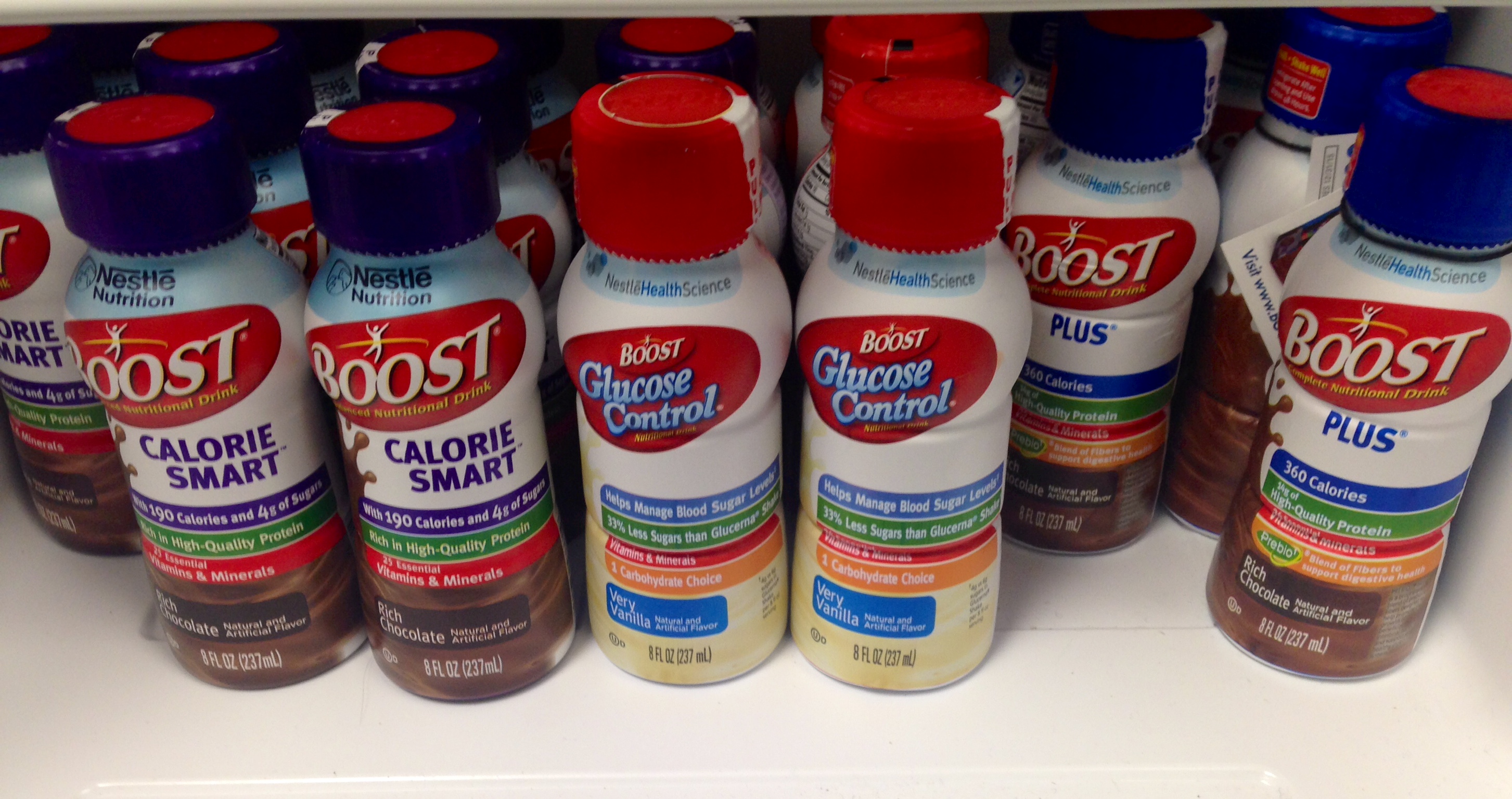
There are certain groups of people who do need to take supplements, though. Pregnant women need to focus on a folate supplement, while vegetarians may need to take a Vitamin D and B12 supplements. Athletes have also seen some benefits from using supplements such as protein, that can aid in muscle development and recovery. Meal replacement shakes, such as Boost and Ensure, provide a variety of nutrients with convenience. These are very beneficial when patients are diagnosed with an illness or health defect that doesn’t allow them to eat real food adequately. These meal replacement shake are found commonly throughout nursing homes and clinics because of the wide array of patients in need of these products.
Supplements are usually self-prescribed, meaning we pick and choose when we need them and take them, which causes a delay in reporting side effects and different reactions. You should consult with a health professional before taking a dietary supplement.
Here’s a list of the 5 most common supplements:
- Probiotics 2. Protein 3. Omega 3’s (fish oil) 4. Whole-Food concentrate 5. Multivitamin
It is important to educate yourself before taking a supplement because you need to know what you’re really buying. Supplements can be beneficial, but they can also be a waste of money. Don’t waste your time unless you truly need them. Nothing beats a diet rich in nutrient-dense whole foods.
-Written by Braden Carmody, SDSU Dietetic Student
by kelsey | Aug 9, 2016 | Diet, Food, Weight Management, Wellness/Health

I think I speak for almost everyone when I say it’d be nice to lose a couple extra pounds or tone up a little. There are many approaches one can take to help lose weight; cutting calories, increasing protein intake, exercising more frequently, etc.
When it comes to dieting, the public generally thinks to avoid having large amounts of fat in their diet. This is mainly due to the misconception that eating fat means producing fat on our bodies, which is not the case. Eating fat can actually be very beneficial for our health and can assist in weight loss, as long as you know what kind of fat you’re eating.
There are four different types of fat that are found in the food we consume; unsaturated fats (poly and monounsaturated), saturated fat, and trans fat. A dietary increase in unsaturated fats has been proven to be very beneficial to our health and can ultimately aid in weight loss. Monounsaturated fats take credit for raising our good HDL cholesterol and lowering our bad LDL cholesterol. These fats help reduce hunger and keep you satiated longer than foods that are considered to be low-fat. Saturated and Trans fats impact cholesterol levels in negative ways. Saturated fats are responsible for increasing LDL (bad cholesterol) levels, while trans fats are responsible for increasing our LDL levels and lowering our HDL levels (good cholesterol.)
Different ways to increase your fat intake in a healthy way:
- Replace vegetable oils with Canola and Olive oil
- Add tree nuts and avocados to salads, or eat plain.
- Increase consumption of fatty fish such as; salmon, mackerel, and sardines
- Supplementing with fish oil
- Adding peanut butter to bread, bagels, etc. (this one is very easy!!)
Foods to avoid that have Trans fats:
- Donuts, pastries, and pies
- Margarine and shortenings
- Other processed foods like cookies, cakes, and chips
The idea that fat is bad for you is often misconstrued. If you need a different approach to losing weight or can’t seem to find something that works for you; add some fat! Just remember, pick the right kind because knowing what you’re eating is very important.
Braden Carmody, SDSU Dietetic Student
by kelsey | Aug 3, 2016 | Cooking Tips, Diabetes, Diet, Food, Weight Management, Wellness/Health

Breakfast is one of the most important meals of the day! Yes, you have probably heard this before, but are you a breakfast eater!? Having a good breakfast is a great way to start out the day. It’s not only important for our body, but our mind too. Many times we’ll have excuses such as I was running late, I didn’t feel like eating, I’m not hungry in the morning, and this actually accounts for about a 1/4 to a 1/3 of the population! Starting the day without breakfast is like driving your car on a low tank of gas. We know we can’t go on forever on a low tank of gas, so we shouldn’t do that to our bodies either! Those that skip breakfast tend to snack more on high fat and lower nutritious foods…and are more likely to overeat at lunch because they are over-hungry. Studies have also shown that those working on weight loss are more successful when they eat breakfast as this really jump starts their metabolism and starts their day off right. In addition, eating a healthy breakfast helps our kids excel in school as it helps fuel the brain!
So what should you eat for breakfast? It’s important to get a balance at your meals and especially include a source of protein and a whole grain as these provide satiety. Here are some examples for you:
- Ready-to-eat cereal (>3g fiber, <2-3g fat, a ratio of greater than 4 g carbohydrate:1 g sugar)
- Hot cereal (oatmeal)
- Bagel with low-fat cream cheese or peanut butter
- Yogurt Parfait
- Fruit and yogurt smoothie
- Peanut butter or hummus on whole-wheat toast
- Breakfast quesadilla with low-fat cream cheese and sliced fruit
- Breakfast burrito or taco
- Toasted whole-wheat English muffin with lean ham and low-fat cheese
- Toasted pita with scrambled egg and low-fat cheese
- Low-fat milk and 100% fruit
- Meal replacement drink
If you are one who is not a fan of breakfast but understands the importance of it, I encourage you to try a variety of these options and see which one works best for you. I also encourage you to plan ahead. You may need to wake up 5 minutes earlier to fit breakfast in or make your smoothie the night before so all you have to do it pull the bottle or container out of the freezer or fridge in the morning and drink it on your way to work. Starting your day with a full tank will provide long lasting benefits to you and your body!
-Kelsey
by kelsey | Jul 27, 2016 | Diet, Etc., Weight Management, Wellness/Health

Why Exercise Alone Might Not Lead to Weight Loss
Exercise is an integral piece to the weight-loss puzzle, but it certainly doesn’t stand alone. Eating right is just as important for weight loss as exercise alone. The best weight-loss prescription, of course, is to do both—watch what you eat and exercise regularly. These tips can help you get maximum results from your hard work and diligence.
Level of exertion
Make sure that your exercise gets results by working at your ideal level of exertion. The best way to do this is to check your pulse against your maximum heart rate. You can calculate your maximum heart rate by subtracting your age from 220. You should have the ability to speak without gasping for air, but should work hard enough that you don’t really want to have to talk much. You will need to take in 500–1000 calories/day less than what you expend in order to lose 1–2 pounds/week.
Extra food
Avoid the tendency to eat extra food on days that you’ve exercised. Remember that all of those extra bites and spoonfuls can really add up.
Exercise routine
Doing the same exercise routine every day can lead to less energy expenditure over time, because you burn more calories when you’re first learning a routine. Interval training, such as walking fast for 2 minutes and then jogging or running for 30 seconds, is recommended to increase the number of calories burnt.
Sports drinks and supplements
Many sports drinks and bars contain nearly a meal’s worth of calories. They are more appropriate for a person who is running a marathon than for a person who is taking an aerobics class or going for a brisk walk.
Time vs intensity of workout
Rather than increasing the length of time that you spend exercising, most experts agree that it can be more beneficial to increase the intensity of your workout to promote weight loss, while keeping the time spent the same or decreasing it.
If you are struggling with weight loss and need some extra help, please send me an email or call! I would love to work with you and help you improve your health and wellness!
-Kelsey
by kelsey | Jul 26, 2016 | Cooking Tips, Diet, Food, Weight Management, Wellness/Health

Homemade fruit and vegetable smoothies are a great way to guarantee your 5-A-Day natural nutrients while keeping you cool in these hot temps. Consumption of fruits and vegetables may help prevent chronic diseases such as cancer, heart disease, and diabetes while delivering fiber and vitamins. Contrary to the common belief, consuming the recommended amounts of fruits and vegetables can be inexpensive and in the long run will save you money in terms of medical bills.
There are endless smoothie recipes you can use to make a quick breakfast, after a workout, or for an afternoon snack. Adding an extra boost to your smoothie such as protein powder or Greek yogurt will additionally provide other valuable nutrients. Here’s a guide to help get started
Add Fruit/Vegetable
|
Add Liquid
|
Add Thickener
|
Extra
|
| Banana, Berries, Apple, Pear, Peach, Kiwi, Pineapple, Cherries, Mango, Orange, Spinach, Kale, Beets, Carrots |
Dairy, Soy, Rice, or Almond Milk, Fruit Juice, Water, Iced Tea |
Peanut butter, Yogurt, Frozen yogurt, ice cubes, or oats. |
Honey, Cinnamon, Protein Powder, Mint, Figs, Dark Chocolate, Flaxseed. |
| Choose 2-3 |
Add 1-2 cups of liquid |
Pick your consistency |
Your preference |
Here are some examples:
Green Smoothie: Mango Chunks, Banana, Kale or Spinach, Apple Slices, Water, Plain low fat yogurt
Carrot Smoothie: Carrots, Orange, Pineapple, Low-sugar Apple Juice, Ice Cubes, Cinnamon
Desert Smoothie: Banana, Apple Slices, Low Fat/Skim Milk, Peanut Butter, Top with Dark Chocolate Shavings
Enjoy!
-Kelsey
by kelsey | Jul 20, 2016 | Cooking Tips, Diet, Food, Weight Management, Wellness/Health
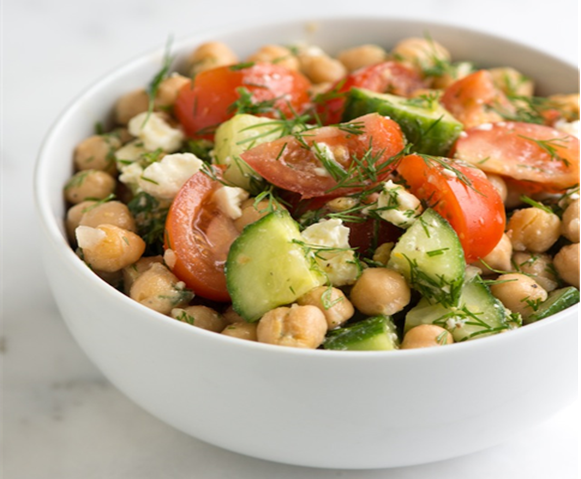
Looking to spice up your normal meal routine with some fun and healthy recipes but not sure where to start? Below is a list of online links you can access for healthy recipes. Sometimes we need to take a little time to check out some new options and give them a try! It’s also helpful to look at new recipes for exploring healthy ways of cooking and ways to make substitutions for making your foods healthier!
Healthy Recipe Websites
Helpful Nutrition Websites