by kelsey | Dec 15, 2016 | Diet, Food, Weight Management, Wellness/Health, Winter

5 of the Healthiest Winter Foods
As the official start of winter is approaching, I thought it was timely to discuss some of the healthiest winter foods. Winter is always challenging to get fresh produce at a reasonable price, but these top 5 winter foods are not only reasonably priced, but offer a great source of nutrients. Be sure to add them to your grocery list and include them in your meal planning!
1. Pomegranates: this heart-healthy food is rich in antioxidants that can contribute to improving blood flow to the heart and keep arteries unblocked.
2. Dark Leafy Greens: kale, chard, and collards thrive during the winter season while the rest of the produce section looks bleak. These greens are rich in vitamin A, C, and K. They are also an excellent source of folate.
3. Citrus fruits: limes, oranges and grapefruits are juiciest in the wintertime and can brighten up a dull winter. They are loaded with vitamin C. Citruses are a rich source of flavonoids like hesperidin, which is credited for boosting HDL (good) cholesterol while lowering LDL (bad) cholesterol and triglycerides.
4. Potatoes: they often given a bad rap for being one of the white starches along with white rice and white bread but unlike those starches, potatoes are a whole food and contain many beneficial nutrients. They have two excellent immune boosters – Vitamin C and B6—while also providing a good source of folate and fiber.
5. Winter Squash: comes in a variety from butternut to acorn to delicata and even spaghetti squash and they are all excellent choices in the winter. One cup of squash has 80 calories and is high in both vitamin A, C and K while also boasting a good source of potassium, B6, and folate.
-Kelsey
by kelsey | Dec 1, 2016 | Etc., Exercise, Family, Heart Health, Weight Management, Wellness/Health

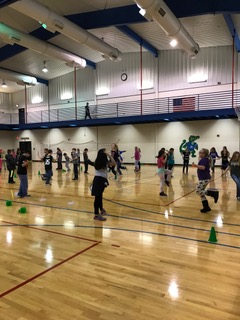
We had a fun afternoon at the Boys and Girls Club yesterday! We were able to be a part of a great event that promoted wellness and activity to the children of the Club! Dr.Dan Reiffenberger and Dr.Jon McAreavey talked to the kids about activity and wellness and then we had a jump rope challenge! The kids received some goodies to take home and we donated about 200 jumpropes for the club to use with their kids. What a fun way to promote activity and wellness to the kids in our community! You can read more below from KXLG’s press release and if you click the link, it will bring you to their website where the audio links from Dr.Dan’s and Dr.Jon’s talks can be found. Keep moving everyone!!
“Brown Clinic’s Jump Start Your Health Promotion came alive at the Watertown Boys and Girls Club Wednesday afternoon where more than 200 backpacks with wellness books and jump ropes were handed out to the kids at the club to help jumpstart their wellness. Among the gifts in the backpacks were Subway coupons for all the boys and girls. Among the nearly one-dozen employees from Brown Clinic who were at the event was Dr. Jon McAreavey who is a family physician at the clinic and Boys and Girls Club Board member.” http://www.mykxlg.com/40252-2/
 ]]]
]]]
Dr.Jon giving his talk.

Dr.Dan giving his talk.

Great presentation and talk to the kiddos.

Jump rope challenge!

Practice what you preach!! Dr.Jon and Dr.Dan jumping rope with the kids!
-Kelsey
by kelsey | Nov 29, 2016 | Cooking Tips, Diet, Food, Weight Management, Wellness/Health

Breakfast is one of the most important meals of the day! Yes, you have probably heard this before, but are you a breakfast eater!? Having a good breakfast is a great way to start out the day. It’s not only important for our body, but our mind too. Many times we’ll have excuses such as I was running late, I didn’t feel like eating, I’m not hungry in the morning, and this actually accounts for about a 1/4 to a 1/3 of the population! Starting the day without breakfast is like driving your car on a low tank of gas. We know we can’t go on forever on a low tank of gas, so we shouldn’t do that to our bodies either! Those that skip breakfast tend to snack more on high fat and lower nutritious foods…and are more likely to overeat at lunch because they are over-hungry. Studies have also shown that those working on weight loss are more successful when they eat breakfast as this really jump starts their metabolism and starts their day off right. In addition, eating a healthy breakfast helps our kids excel in school as it helps fuel the brain!
So what should you eat for breakfast? It’s important to get a balance at your meals and especially include a source of protein and a whole grain as these provide satiety. Here are some examples for you:
- Ready-to-eat cereal (>3g fiber, <2-3g fat, a ratio of greater than 4 g carbohydrate:1 g sugar)
- Hot cereal (oatmeal)
- Bagel with low-fat cream cheese or peanut butter
- Yogurt Parfait
- Fruit and yogurt smoothie
- Peanut butter or hummus on whole-wheat toast
- Breakfast quesadilla with low-fat cream cheese and sliced fruit
- Breakfast burrito or taco
- Toasted whole-wheat English muffin with lean ham and low-fat cheese
- Toasted pita with scrambled egg and low-fat cheese
- Low-fat milk and 100% fruit
If you are one who is not a fan of breakfast but understands the importance of it, I encourage you to try a variety of these options and see which one works best for you. I also encourage you to plan ahead. You may need to wake up 5 minutes earlier to fit breakfast in or make your smoothie the night before so all you have to do it pull the bottle or container out of the freezer or fridge in the morning and drink it on your way to work. Starting your day with a full tank will provide long lasting benefits to you and your body!
-Kelsey
by kelsey | Nov 22, 2016 | Cooking Tips, Diet, Food, Holidays, Weight Management, Wellness/Health

Happy Thanksgiving to you! The Thanksgiving holiday is always a fun one enjoyed by all as we stuff ourselves and then resort to the couch to watch football or the start of the holiday tv shows. Here are some tips for you to get through the holiday without putting on all those undesired extra pounds.
- Survey the entire table before you take any food. Decide what foods are worth eating and what can be ignored, and then stick to that decision. Why waste calories on foods that don’t bring you pleasure?
- Eat a snack before you leave home. If you arrive at a party starving, you’ll be more likely to overindulge.
- Eat your calories instead of drinking them. Stick to lower calorie or calorie-free drinks (diet sodas, water, light beer, or wine spritzer) instead of punches, eggnogs, and mixed drinks that can have up to 500 calories per cup.
- Sip a large glass of water between every alcoholic drink or non-alcoholic punch or eggnog. This will help keep you hydrated and you’ll drink fewer calories by the end of the night.
- When you are the host or hostess, include nutritious and lower-calorie foods like fruits, vegetables, and lean meats on the menu. When you are a guest, bring along a lower-calorie dish to share.
- Try not to hang out near the food. Find a comfortable spot across the room and focus on people instead of eating.
- Watch your portion sizes. Don’t cover your plate completely with food. In most cases, especially when it comes to holiday sweets and alcoholic beverages, less is better. Use a smaller plate or bowl and have just a sliver of pie like the picture shows.
- Drop out of the “clean plate club”. Leave a few bites behind every time you eat, especially if you are eating something you don’t really care for.
- Enjoy your favorite holiday treats but take a small portion, eat slowly, and savor the taste and texture of the wonderful foods of the season.
- Skip the pie crust and go for the filling.
- Choose light meat over dark meat.
- Use home-made cranberry sauce over canned cranberries that are jam packed with added sugars.
- In soups, sauces, puddings, and desserts: Replace whole milk or cream with low-fat milk, evaporated fat-free milk, or nonfat dry milk.
Lighten up your recipes:
- To make dips and toppings: Use low-fat or nonfat cottage cheese or sour cream, or non-fat Greek yogurt.
- To make salad dressings: Use nonfat Greek yogurt or low-fat buttermilk.
- In place of 1 whole egg in recipes: Use 2 egg whites or 1/4 cup egg substitute.
- In place of regular cheese: Use fat-free or reduced-fat cheese.
- In place of full sugar: replace half with Splenda or reduce half completely.
- In place of fats: use unsweetened applesauce or oil (1-1 replacement), or prune puree (1 cup of fat=1/2 cup puree).
More importantly is ENJOY your family and friends and all that have to the THANKful for!
-Kelsey
by kelsey | Nov 17, 2016 | Cooking Tips, Diet, Food, Holidays, Weight Management

As Thanksgiving approaches, you may be thinking about your grocery list and all the goodies you will be making. County Fair Foods has a great recipe that is healthy and tasty! The recipe has some great substitutions for lightening the sugar, fat, and calories. Give it a try and enjoy!
Healthy Pumpkin Pie 15 oz can pumpkin
8 oz skim or low fat soy milk
3 egg whites
2/3 reduced fat graham cracker crust (take off the sides of the crust and discard)
¾ c Splenda
Pumpkin pie spice
2 egg whites for the crust
Preheat oven to 425 degrees. Mix pumpkin, milk, and egg whites until smooth. Gradually stir in Splenda ¼ c at a time. Add the pumpkin pie spice, taste and add more if needed. Pour into crust and spread evenly. Bake for 15 min then reduce the temp to 350 degrees and bake for another 45 min. Let cool and serve your favorite way. To make the crust less soggy beat the egg whites and brush over the crust and bake for about 5 min. at 350 degrees.
-Kelsey
by kelsey | Nov 16, 2016 | Cooking Tips, Diet, Eating Out, Food, Weight Management, Wellness/Health

The American Dietetic Association has a great public feature to their site that offers great nutrition tips. I thought I’d share these with you as you work to trim your waistline. These tips don’t require huge changes, however will give you great results!
- Downsize Your Dishes. Use smaller plates and bowls to help you eat less. We tend to fill up the dish we’re using and then eat it all. Our brains also think we are getting more when the same amount of food is placed in a smaller dish.
- Savor Your Meals. Eating slowly helps you consume only what your body needs to feel satisfied. Eating too quickly, in less than 20 to 30 minutes, leads to overeating and feeling uncomfortably full afterwards.
- Leave Some Food on Your Plate. This is especially important if you grew up in the “clean plate club.” By leaving even a few bites, you can focus more on your internal signals of satisfaction and less on eating food just because it is there.
- Don’t Eat Out of a Bag or Box. When you eat out of a package, you are likely to keep eating until it’s all gone – no matter how many servings the package actually contains. Pour one serving into a small bowl.
- Choose Your Glass Wisely. Here’s another place where our eyes play tricks on us. When glasses are short and wide, we tend to fill them with more fluid and to drink more. Use a slender glass for any beverage except water.
- Rethink Your Drinks. High-calorie beverages like soft drinks, juice drinks, energy drinks, specialty coffees and alcohol add calories just like solid foods. Whenever possible, replace these drinks with plenty of water.
http://www.eatright.org/Public/content.aspx?id=6849
-Kelsey