by kelsey | Aug 24, 2017 | Cooking Tips, Diabetes, Diet, Exercise, Family, Heart Health, Motivation, Weight Management, Wellness/Health

I have enjoyed seeing first day of school pictures this week! As we enter the new school year, I thought it was fitting to discuss some tips to help us get on a healthy living routine! There are many components to living a healthy life, but healthy eating and exercise are at the top of that list. So, what does it take to provide you and your family with healthy meals and regular exercise….with an already busy schedule? Here are a few tips to get you on the right track:
- Drink water – Drinking enough water during the day will help you feel fuller at meals, clear out unwanted “junk” from your body, and can aid in weight loss. Aim to get at least 8 glasses (64oz) of water every day. Send a water bottle to school with your kids and also keep one with you throughout your day.
- Get adequate sleep – Getting adequate sleep can be difficult with a busy schedule, but it is very important to provide proper recovery from exercise and to help manage stress and mood. It also helps keep you and your family focused throughout the day. Aim to get at least 7-8 hours of restful sleep a night.
- Get moving – Try to get outside a few nights every week with your family. Exercise boosts calorie burn and promotes healthy bones, muscles, and hearts. Get active 30-60 minutes every day to maximize these benefits. Biking, walking, swimming, are a few ideas.
- Prepare meals ahead of time – Grabbing fast food has become an easy way to fill up without spending much time doing it, but it is not a great option when it comes to overall health. Meal preparation is a great way to eat healthy while also saving some time during a busy day. You can control what goes into these meals, and will help cut back on eating fast food when in a hurry. You can also try batch cooking where you make a bigger batch of a meal, separate into smaller containers, and freeze. They are easy to grab and prepare in a pinch! Chili, casseroles, taco meat, and soups are great to try with this.
- Spend time with healthy people – The people you spend the most time with have a large impact on your habits. Being around people with healthy habits will have a positive impact on your own personal habits. Along the same lines, your children learn from the examples you set for them. The habits they form now are habits they will have as they grow up. Make time to sit down and have meals together, engage in family activities, and involve your children in healthy living practices.
There are many pieces that go into living a healthy lifestyle and it is important for us to practice improving each one of them. Keep in mind that simple, small changes can lead to large benefits in the end! Focusing on lifestyle changes and improvements is key to success long term. If you would like more help improving you and your family’s nutrition, activity, and wellness, contact us today!
-Written by Kala Nurnberg, SDSU Dietetic Student
-Kelsey Raml, MS, RD, LN
by kelsey | Aug 15, 2017 | Diet, Weight Management, Wellness/Health

It seems that on social media today, many people are self-proclaimed nutrition experts. Log on to Facebook or Pinterest and you won’t search long before you find someone selling workout plans, meal plans, diet supplements, or other weight-loss aids. Google “diets” or “weight-loss” and you will find hundreds of popular and even crazy diets for weight-loss. So if all of this is available, who are the real experts? How do you know if these products and diets are safe? What will work for you?
Although there are many reliable nutritional resources online, it is important to always question the source. Many of the information obtained from Pinterest or Facebook or from people selling these products is not necessarily reliable or the best fit for your body and health.
Registered Dietitians are trained and educated to provide the most accurate, science-based, and up-to-date nutritional information. Dietitians are one of the best ways to seek out questions about supplements, eating habits, weight-loss goals, or other nutrition concerns with a clinical and healthy approach.
So next time you see an add for weight-loss or nutritional programs online, ask yourself a few important screening questions:
Is the program supervised or created by a health professional?
Does this program sound safe for my body?
Does this program sound like something I could enjoy doing?
Is the cost of this program financially feasible?
Is this a program I want to use forever?
The truth is that healthy living and mindful choices are a lifelong endeavor. No program, supplement, or magic pill is typically going to be something you want to commit to using (or spending money on) for the rest of your life. It is important to remember and value sustainability when choosing a wellness and nutritional lifestyle. Making the choice to fuel your body with good foods and be active for life is the key to good health and weight management. If you have questions or seek guidance for your nutritional or wellness needs, call or visit your Brown Clinic Registered Dietitian, Kelsey Raml!
-Written by Mariah Hodne, SDSU Dietetic Student
by kelsey | Aug 9, 2017 | Diet, Exercise, Food, Weight Management, Wellness/Health
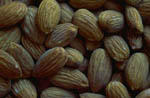
Some fall sports are starting practices now and with practices running multiple times a day and running from sport to sport it is important to keep your athletes energized and properly hydrated. Healthy snacks are important for athletes to have the energy necessary for practice. A snack higher in protein and sufficient carbohydrates is recommended before a long practice. Some snacks before practice could include: a cheese stick, crackers and cheese or a little meat, almonds, hard boiled egg, or a small sandwich. It is important that athletes stay hydrated. Water is the preferred and recommended beverage for proper hydration during exercise. Vigorous practices that are over a hour may require a sports drink to replenish electrolytes but water should be the go-to drink before sports drinks. Remember to keep your athlete properly hydrated and energized!
-Written by Elizabeth Honner, SDSU Dietetics Student
by kelsey | Aug 1, 2017 | Diet, Family, Food, Weight Management, Wellness/Health

If you’re a parent with school age children, you have probably witnessed this scenario many times: your child comes home from school or an activity and they are starving! They rummage through the cupboards and try to find something “good” to snack on until supper is ready. Snacks in between meals help provide the body with energy and aid in metabolism and blood sugar control, but the key is making a healthy snack as junk foods will only provide empty calories, leaving you hungry and looking for more later on.
Below are some healthy snacks for kids. This is just a glimpse of what we discuss in our STRIVE Kids program. We invite you to contact us today to learn more!
Healthy Snacks for Kids
Inside-Out Sandwich: Spread mustard on a slice of deli turkey. Wrap around a sesame breadstick.
Rocky Road: Break a graham cracker into bite-size pieces. Add to low-fat chocolate pudding along with a few miniature marshmallows.
Mini Pizza: Toast a whole-wheat English muffin, drizzle with pizza sauce and sprinkle with low-fat mozzarella cheese.
Spread mustard on a flour tortilla. Top with a slice of turkey or ham, low-fat cheese and lettuce. Then roll it up.
Sandwich Cut-Outs: Make a sandwich on whole grain bread. Cut out your favorite shape using a big cookie cutter. Eat the fun shape and the edges, too!
Banana Split: Top a banana with low-fat vanilla and strawberry frozen yogurt. Sprinkle with your favorite whole-grain cereal.
Apple Pie Oatmeal: Make one packet of microwave oatmeal with low-fat milk. Mix in 1/4 cup unsweetened applesauce. Sprinkle with apple pie spice or cinnamon.
Mix together peanut butter and cornflakes in a bowl. Shape into balls and roll in crushed graham crackers.
Microwave a cup of tomato or vegetable soup and enjoy with whole-grain crackers.
Fill a waffle cone with cut-up fruit and top with low-fat vanilla yogurt.
Sprinkle grated Parmesan cheese on hot popcorn.
Peel a banana and dip it in yogurt. Roll in crushed cereal and freeze.
Spread celery sticks with peanut butter or low-fat cream cheese. Top with raisins.
Stuff a whole-grain pita pocket with ricotta cheese and Granny Smith apple slices. Add a dash of cinnamon.
Mix together ready-to-eat cereal, dried fruit and nuts in a sandwich bag for an on-the-go snack.
Smear a scoop of frozen yogurt on two graham crackers and add sliced banana to make a yummy sandwich.
Microwave a small baked potato. Top with reduced-fat cheddar cheese and salsa.
Make snack kabobs. Put cubes of low-fat cheese and grapes on pretzel sticks.
Toast a whole-grain waffle and top with low-fat yogurt and peaches.
Mix together low-fat cream cheese, mixed dried fruit bits and shelled sunflower seeds. Spread on a toasted English muffin.
Blend low-fat milk, frozen strawberries and a banana for thirty seconds for a delicious smoothie.
Make a mini-sandwich with tuna or egg salad on a whole-grain dinner roll.
Sprinkle grated Monterey Jack cheese over a corn tortilla; fold in half and microwave for twenty seconds. Top with salsa.
Spread peanut butter on apple slices.
Reference: Academy of Nutrition & Dietetics
-Kelsey
by kelsey | Jul 26, 2017 | Weight Management, Wellness/Health

July and August are typically known to be our hottest months out of the year, which is why I thought it was perfect timing to discuss proper hydration procedures to ensure you do not suffer from any heat related illnesses such as heat stroke or dehydration. With the high temps and humidity, it’s extra important to make sure you get enough fluids! It is important to stay hydrated throughout the day, as it is too late, if you wait to get a drink when you feel thirsty. Especially for those older adults, it takes longer for them to feel thirsty even though they may be severely dehydrated.
Tips for getting adequate fluids:
- Keep a glass or bottle of water with you during the day so you can sip on it. Drink when you are thirsty and even when you are not thirsty.
- Drink more water instead of sugary beverages, milk and juice to avoid those extra hidden calories. Alcohol will increase your water loss. Plain water always works the best.
- Increase your fluid intakes if your diet is high in fiber, protein or salt.
- On days where you may be sweating alot or burning extra calories such as an all day softball tournament in 80-90 degree weather, or doing yardwork/landscaping in the heat all day…you may need to add electrolytes such as Gatorade or Powerade. I prefer G2 Gatorade as it’s lower in sugar, yet still has plenty of electrolytes. **Please note, these drinks are not necessary when you’re doing less than an hour of light activity or more sedentary activities as they just add extra calories and sugar.
- Consult with your doctor or dietitian if you are on a fluid restricted diet and would like further help with your hydration needs.
Use the above chart to determine your hydration level by the color of your urine.
-Kelsey
Graphic Reference:http://www.brownsburgathletics.com/images/urine.gif
by kelsey | Jul 13, 2017 | Diabetes, Diet, Food, Weight Management, Wellness/Health

There’s a lot of buzz about carbohydrates….are they good? Are they bad? How much should you have? , etc etc etc. Many fad diets that are very popular right now are no carb diets so I thought it would be appropriate to discuss carbohydrates and give you a better idea of the professional recommendations! Carbohydrates are the main (and best) source of energy for your brain and central nervous system. Carbohydrates are essential for energy; however they raise your blood sugar levels higher and faster than any other kind of food. Carbohydrates are essential for your body to be able to sustain energy, so just like a car needs the right type of fuel (gas) to run, you need the right kind of fuel (food) to function and be healthy. To sustain energy, your body needs adequate carbohydrates: 50-60% of your total calories should come from carbohydrates. Cutting out all carbs can be very detrimental to our body, especially our brain, central nervous system, liver, kidneys, and heart. Because they are an excellent source of energy, but they do raise blood sugars, it’s important to recognize the types of carbohydrates and how to count them in efforts of controlling your blood sugars while still maintaining good health and adequate energy..
Carbohydrates are found in the following:
Starches: found in grains, some vegetables, and beans.
- Grains: bread, pasta, cereal, tortillas, rice
- Starchy Vegetables: potatoes, peas, corn, yams, squash
- Beans: kidney beans, pinto beans, black beans, garbanzo beans, and lentils
- **The best and recommended sources of starches are whole grains…choose them over the white, refined grains!
Sugars: found naturally in foods or added to foods.
- Natural Sugars: fruits, fruit juices, dairy products, honey, and molasses.
- Added Sugars: desserts, processed foods, candy, regular soda, and fruit drinks.
- **Natural sugars are better than added sugars, but large quantities of them can still raise your blood sugars…we recommend getting at 2-3 fruits and 3 servings of veggies/day. Anytime you can limit or eliminate the added sugars, do so!
To aid in ideal blood sugar control, we recommend a moderate intake of carbohydrates which means about 45-60g/meal and 15-30g/snack with several small meals and snacks throughout the day. I visit with patients daily about finding the right balance in their intake. If you would like help managing your blood sugars, to learn more about diabetes self care, or a personalized nutrition plan, be sure to contact me for further help!
-Kelsey Raml, MS, RD, LN

