by kelsey | Dec 13, 2017 | Diet, Etc., Motivation, Weight Management, Wellness/Health

Everyone’s eating habits are a little different from each other’s. The differences are usually dependent on our daily schedules, routines, choices, preferences, culture, etc. Many factors play into our eating habits. Alot of us use food for other purposes than nourishing our body–could be a stress reliever, emotional purpose, enjoyment, etc. Typically these other reasons play into what and how much we are eating. Emotional eating can lead to obesity and disease so finding that balance and making healthy choices is especially important for success long term with wellness. Mindful or intuitive eating is a concept dietitian Ellyn Satter has explored greatly. She has some basics tips about this type of eating below and I wanted to share this with you as it really gives some food for thought as we examine our eating habits.
What is Normal Eating?
•Normal eating is going to the table hungry and eating until you are satisfied.
•Normal eating is being able to give some thought to your food selection so you get nutritious food, but not being so wary and restrictive that you miss out on enjoyable food.
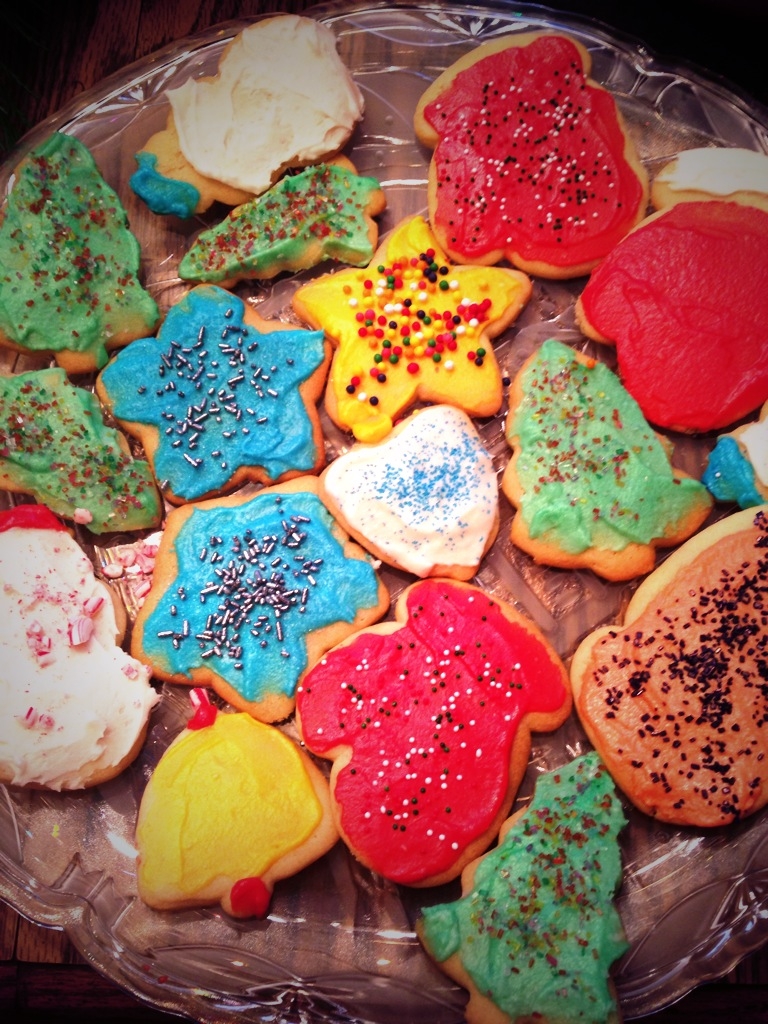
•It is leaving some cookies on the plate because you know you can have some again tomorrow, or it is eating more now because they taste so wonderful.
•Normal eating is trusting your body to make up for your mistakes in eating.
•Normal eating takes up some of your time and attention, but keeps its place as only one important area of your life
For more information visit Ellyn’s site at : http://www.ellynsatter.com
As you work to improve your diet and choices think about these concepts and work at incorporating them into your eating habits and thought process! Mindful eating is an excellent concept and promotes life long healthy eating habits.
-Kelsey
by kelsey | Dec 6, 2017 | Cooking Tips, Diet, Food, Weight Management, Wellness/Health

One of the most challenging aisles in the grocery store is the cereal and granola bar aisle as there are so many choices and it’s hard to know what’s good and what’s not! For those regular followers of our blog, you probably know by now that you should choose a whole grain cereal, but from there…how do you decipher which choice is better than another?! Well, let’s start with the basics…you want to avoid any of the real high sugar cereals such as Lucky Charms, Cocoa Pebbles, etc due to their high levels of white, refined sugars.
Here are some tips to help you make a healthy choices:
• 8 grams (g) of sugar or less/serving, if the cereal contains 3 g or less of fiber/serving
• 16 g or less of sugar/serving, if the cereal contains 5 g or more of fiber/serving
Note: raisin bran contains 20 g of sugar/serving and is the exception to the rule—still a great choice due to its higher fiber content)
• Instant hot cereals should contain no more than 100-150 milligrams (mg) of sodium/serving. A better choice is cooking oatmeal the old fashioned way on the stove from the canister as the instant packets have a lot of sodium.
In addition, be sure to fully read the nutrition facts label and not rely on the manufacturers marketing claims as they can often be misleading!
A way to make breakfast a more balanced meal is to add a source of protein and a serving of fruit to your meal. With the balance of protein, fiber found in your cereal, and some natural sugars, you are set to start your day off in a great way!
-Kelsey
by kelsey | Nov 30, 2017 | Diet, Food, Weight Management, Wellness/Health

The gluten free diet has become a very popular fad diet and the low carb craze is coming back in full force. There are some important things to know and understand about gluten…check them out below:
1. What gluten is: gluten is a protein found in wheat, rye, and barley. Therefore, many pastas, breads, and cereals have gluten in them. It can also be found in many salad dressings, sauces, and beers. Gluten helps food to maintain their shape, acting as a sort of glue.
2. Who needs to avoid gluten: people with celiac disease, an autoimmune disorder, cannot have gluten. Their body’s immune response to gluten damages their intestinal wall, causing abdominal pain, bloating, nausea, and diarrhea.
3. Gluten and weight loss: people who choose not to eat gluten tend to avoid foods like bread, pastas, and cereals. These foods are also full of carbohydrates, which get broken down into sugars so that the body can use them for energy. Too many carbohydrates can cause your body to store the excess energy in fat, causing weight gain. If a person is avoiding eating these carbohydrate-rich foods, they will have to get their energy elsewhere, such as from fruits, vegetables, legumes, and lean meats. This healthy change in diet doesn’t have to mean cutting out gluten, just making healthier choices and practicing portion control. It is important to note that many gluten free packaged foods can be highly processed and a lot of times higher in fats or sodium so not always the healthier choice! A gluten free diet is only recommended for those who truly are gluten intolerant and should not be used as a fad diet!
-Kelsey
by kelsey | Nov 29, 2017 | Cooking Tips, Diet, Food, Holidays, Weight Management, Wellness/Health

“Want to have a healthier holiday season this year? Take this quiz to test your knowledge of calories and fat in traditional holiday foods.
- Which appetizer contains the least amount of fat?
- 1 ounce (oz) of brie cheese
- 1 oz of mixed nuts
- 1 tablespoon of hummus
- Which cookie has the most calories?
- 2″ lemon square
- One medium chocolate chip cookie
- Five commercial gingerbread cookies
- Which cocktail has the least calories?
- A rum and Coke®
- A martini
- A whiskey sour
- Which candy has the least fat?
- 2″ square cube of chocolate fudge
- One medium piece of peanut brittle
- One medium piece of homemade toffee
- Which meat has the most fat?
- 3 oz of boneless ham (lean and fat eaten)
- 3 oz of boneless duck (skin eaten)
- 3 oz of boneless cooked chicken leg (skin eaten)
- Which food has the most sodium?
- ½ cup (C) of homemade bread stuffing
- ½ C of homemade mashed potatoes
- One dinner roll
- Which warm beverage has the fewest calories?
- 1 C of hot chocolate made with whole milk
- 1 C of apple cider
- 1 C of eggnog made with whole milk
- Which of the following contains the most sugar?
- 2″ square brownie
- One piece of fruit cake
- 10 chocolate-covered peanuts
Answers
- c. 1 tablespoon of hummus
The hummus contains 1.3 grams (g) of fat, the brie contains 8 g, and the nuts contain 15 g.
- c. Five commercial gingerbread cookies
The gingerbread cookies contain 147 calories, the lemon square contains 140 calories, and the chocolate chip cookie contains 50 calories.
- b. A martini
The martini contains 135 calories, the whiskey sour contains 158 calories, and the rum and Coke contains 211 calories.
- c. One medium piece of homemade toffee
The toffee contains 4 g of fat, the peanut brittle contains 5 g, and the fudge contains 6 g.
- b. 3 oz of boneless duck (skin eaten)
The duck contains 9 g of fat, the ham contains 3 g, and the chicken leg contains 8 g.
- a.½ C of homemade bread stuffing
The stuffing contains 479 milligrams (mg) of sodium, the mashed potatoes 119 mg, and the dinner roll 117 mg.
- b. 1 C of apple cider
The apple cider has 104 calories, the hot chocolate 192 calories, and the eggnog contains 244 calories.
- a. 2″ square brownie
The brownie contains 21 g of sugar, the chocolate-covered peanuts 15 g, and the fruit cake 13″ https://www.consultant360.com/n411/content/holiday-party-quiz-prepare-healthier-holiday
by kelsey | Nov 28, 2017 | Cooking Tips, Diet, Food, Weight Management, Wellness/Health

Holiday parties are starting up now and will go for the next month or so, which poses a challenge to your efforts of healthy eating. You can always bring your own dish to share and use substitutions to lighten your recipes, but if you can’t bring your own dish to share, you may consider using these behavior strategies to help you enjoy the parties in a healthy way!
- “If you plan on treating yourself later, start your day with a small meal that includes whole grains, fruit, low-fat or fat-free dairy and protein, such as eggs, ham or peanut butter.
- Don’t starve yourself beforehand. Rather, eat a small, lower-calorie meal or snack including fruit or a bagel so you aren’t tempted to overdo your calorie intake for the day.
- Choose carefully between foods you definitely will eat, those you will sample and those you will skip.
- Don’t rush to eat. Socialize and settle into the festivities before you eat.
- Move your socializing away from the buffet or appetizer trays. This will minimize the unconscious nibbling.” http://www.eatright.org/Public/content.aspx?id=11644
The holidays are a great time for celebrating with friends and family and food is always involved. Allow yourself to enjoy, but in moderation. You can keep the extra holiday pounds off, while still enjoying the holidays and festivities in a healthy way with these tips!
-Kelsey
by kelsey | Nov 21, 2017 | Cooking Tips, Diabetes, Diet, Food, Weight Management, Wellness/Health

Happy Thanksgiving to you! The Thanksgiving holiday is always a fun one enjoyed by all as we stuff ourselves and then resort to the couch to watch football or the start of the holiday tv shows. Here are some tips for you to get through the holiday without putting on all those undesired extra pounds.
- Survey the entire table before you take any food. Decide what foods are worth eating and what can be ignored, and then stick to that decision. Why waste calories on foods that don’t bring you pleasure?
- Eat a snack before you leave home. If you arrive at a party starving, you’ll be more likely to overindulge.
- Eat your calories instead of drinking them. Stick to lower calorie or calorie-free drinks (diet sodas, water, light beer, or wine spritzer) instead of punches, eggnogs, and mixed drinks that can have up to 500 calories per cup.
- Sip a large glass of water between every alcoholic drink or non-alcoholic punch or eggnog. This will help keep you hydrated and you’ll drink fewer calories by the end of the night.
- When you are the host or hostess, include nutritious and lower-calorie foods like fruits, vegetables, and lean meats on the menu. When you are a guest, bring along a lower-calorie dish to share.
- Try not to hang out near the food. Find a comfortable spot across the room and focus on people instead of eating.
- Watch your portion sizes. Don’t cover your plate completely with food. In most cases, especially when it comes to holiday sweets and alcoholic beverages, less is better. Use a smaller plate or bowl and have just a sliver of pie like the picture shows.
- Drop out of the “clean plate club”. Leave a few bites behind every time you eat, especially if you are eating something you don’t really care for.
- Enjoy your favorite holiday treats but take a small portion, eat slowly, and savor the taste and texture of the wonderful foods of the season.
- Skip the pie crust and go for the filling.
- Choose light meat over dark meat.
- Use home-made cranberry sauce over canned cranberries that are jam packed with added sugars.
- In soups, sauces, puddings, and desserts: Replace whole milk or cream with low-fat milk, evaporated fat-free milk, or nonfat dry milk.
Lighten up your recipes:
- To make dips and toppings: Use low-fat or nonfat cottage cheese or sour cream, or non-fat Greek yogurt.
- To make salad dressings: Use nonfat Greek yogurt or low-fat buttermilk.
- In place of 1 whole egg in recipes: Use 2 egg whites or 1/4 cup egg substitute.
- In place of regular cheese: Use fat-free or reduced-fat cheese.
- In place of full sugar: replace half with Splenda or reduce half completely.
- In place of fats: use unsweetened applesauce or oil (1-1 replacement), or prune puree (1 cup of fat=1/2 cup puree).
More importantly is ENJOY your family and friends and all that have to the THANKful for!
-Kelsey