by Dan | Oct 17, 2013 | Exercise, Family, Goals, Heart Health, Motivation, Wellness/Health

When I am talking to patients, it is much easier to tell them that they need to work on doing more exercise and staying active if I am doing it as well. When in medical school, I had an attending physician that would tell his patients they had to lose weight, and quit smoking. He weighed around 300 pounds, and had his cigarette pack hanging out of his pocket. I am not sure too many people really listened to him with this advice, if he was not going to even follow it himself. I will admit, it is not always easy. But, it is much easier to try and convince someone else to do it, if you believe in it enough yourself to follow your own advice. This not only applies to my practice, but to my own household and family.

Here Nick is last week at his Cross Country meet. You parents out there, if you believe in a healthy lifestyle, and staying active, you too have to commit to it also. There is no better way to get your family and kids to do the same, then if you do it yourself! As for the kids, there is no better way than to teach a healthy lifestyle then seeing it first hand. The famous movie line: “Build it, and they will follow.” Lead by example! There is no method that is more effective than this. This is also what we at Brown Clinic are trying to push and create with our new program, Strive for Kids. A 12 month program of education for kids, parents, and families on healthy lifestyle, and correct eating habits. See our web page for more details as well. Keep moving everybody!
Dr. Dan
Consecutive Exercise Day #: 2213
by Dan | Sep 29, 2013 | Exercise, Goals, Heart Health, Motivation, Weather, Wellness/Health

Life is busy. This never changes. The weather is starting to get cooler, and you can tell we are in the Autumn season. When everything is changing color, it is easy to get lost in amazement going outside. Take advantage of these changes. Time to commit yourself to change. Go out walking, biking, whatever. Go out and sit and watch, and take time to think! Before too long we will be stuck inside, just looking out at snow. Go out by the bike trail, pull up a chair by the lake, and just take it in. It is amazing how your mind just takes off, and you can think, relax, figure out things in your life. Soak it up. Everybody needs this time to reflect, and slow down from a fast paced life.

When you take some time to explore, you never know where that path is going to take you. When I am out running, biking, or walking, it is a great time for me to stay healthy, but it is my time to relax, think, and reflect on things for the day. I especially like it early in the morning, and it is quiet, before everybody else is out and about. I can plan for the day. Think about what lies ahead, and what I may do under certain situations. It is relaxing, yet I am working out. Once you get in the habit of this, you will know exactly what I am talking about. Get out and enjoy the changes of the season, and let your mind go!. Keep moving everybody!
Dr. Dan
Consecutive Exercise Day #: 2195
by kelsey | Sep 5, 2013 | Diet, Heart Health, Weight Management, Wellness/Health
According to the American Heart Association, one out of every three people in the United States is affected by heart-related diseases. There are many risk factors when it comes to heart disease including: excess weight, high cholesterol, and high blood pressure (to name a few). In addition to working with your doctor, you can minimize these risk factors by your dietary intake and physical activity.
For a healthy heart you want to consume a diet low in sodium, low in saturated and trans fat, and cholesterol. Challenge yourself to replace these with some of the foods and food components listed below:
- Fruits and Vegetables- Many fruits and vegetables contain fiber, which helps your body take in more nutrients, can lower cholesterol levels, aid in achieving a healthy weight. Fruits and vegetables not only contain fiber, but they also contain potassium and antioxidants. Potassium can help with blood pressure by blunting the effects of sodium on blood pressure. Antioxidants may help prevent disease and keep your body working properly.. At the grocery store, be sure to choose a variety of deeply colored fruits and vegetables like carrots, apricots, broccoli, beets, berries and kidney beans to maximize your intake of vitamins and minerals.
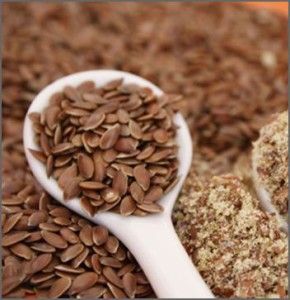
- Whole Grains-There are many components within whole grains which provide benefits. Whole grains provide fiber, vitamins and minerals, and antioxidants. To reap the benefits, aim for at least 3 daily servings of whole grains. On the label, look for the phrase “whole grain” or “whole” before the grain’s name. Some examples include: whole grain breads, cereals and pasta, brown rice, oatmeal and popcorn. Using a supplement such as ground flax seed (shown in the picture) is beneficial to improving total cholesterol and LDL cholesterol. You can work up to using 2-3 Tbsps/day for improved levels. This is often mixed into cereal, oatmeal, or used like granola with yogurt…you can also bake with it.
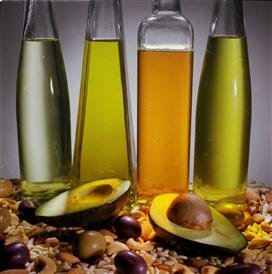
- Heart Healthy Fats- A diet of moderate fat intake is beneficial to your health. You can enjoy the healthy benefits by choosing oils and spreads rich in unsaturated fat, such as olive, canola, safflower, sunflower, corn, or soybean oils. Salmon, sardines, herring, trout, and tuna are terrific sources of the omega-3 fatty acids, docosahexaenoic acid (DHA) and eicosapentaenoic acid (EPA), which are types of polyunsaturated fats that may reduce the risk of heart disease. If you are unable to get fish into your diet, you should consider taking a fish oil supplement of 1-4g/day with at least 1g of DHA and EPA.
- Stanols and Sterols- These plant-based food components help block the absorption of cholesterol in the intestine, which has a beneficial effect on blood cholesterol. They are found in foods like corn, soy, wheat and some fortified foods like orange juice and yogurt. 1-3 grams of stanols or sterols are needed each day to see beneficial effects.
-Written by Morgan McLain, SDSU Dietetic Student.
by kelsey | Sep 4, 2013 | Heart Health, Wellness/Health
September is National Cholesterol Education Month and a good time to have your cholesterol checked. Whether you have high cholesterol of not, it is important to know what your cholesterol levels are and what you can do to help control them so you can reduce your risk of heart attack or stroke.
Q. What is cholesterol?
It is a waxy, fat-like substance that is produced by the liver and found in all cells of the body. The body requires cholesterol in order to work properly. Cholesterol is part of a healthy body but too much of it in your blood can be a problem. High blood cholesterol is a risk factor for heart disease and stroke, the, 1st and 3rd leading causes of death in the nation and 1st and 5th leading causes of death in South Dakota.
Q. Where else besides the body is cholesterol found?
It is found in some of the foods you eat. A heart healthy diet is recommended for reducing your risk of heart disease. This includes choosing healthy fats (olive and canola oil, soft tub margarines) over foods high in saturated and trans fats and cholesterol, lean meats, whole grains, low fat dairy products, and getting at least 5 servings of fruits and vegetables a day. It is also important to engage in regular activity (at least 30 minutes) daily.
Q. What is involved in a screening test for cholesterol?
A lipid panel or profile (blood test) is a series of tests done to measure the different forms of cholesterol and triglycerides (another form of fat) found in the blood. There are four major fat components that will be listed on your lipid panel:
Total Cholesterol – the total number of all of the fats you have in your blood.
LDL (Low Density Lipoprotein) – known as “bad cholesterol”.
HDL (High Density Lipoprotein) – known as “good cholesterol”.
Triglycerides – the most common form of fat found in the body. High triglyceride levels are associated with a higher risk of heart disease and stroke.
Q. What are the desirable or optimal cholesterol and triglyceride levels for people with or without existing heart disease?
Total cholesterol: Less than 200*
LDL (Low Density Lipoprotein): Bad cholesterol: Less than 100*
HDL (High Density Lipoprotein): Good cholesterol: 60 or higher is considered the best*
Triglycerides: Less than 150*
* (Reference – Centers for Disease Control and Prevention)
Your healthcare provider will interpret these numbers and tell you when and how often to have your cholesterol levels rechecked. Ask your provider for advice on how to reduce your risk.
Q. What are some common risk factors for developing heart disease?
High LDL (bad cholesterol)
Low HDL (good cholesterol)
High blood pressure (treated or untreated)
Physical inactivity
Obesity and overweight
Tobacco smoke
Diabetes
Age – increased age over 45 increases your risk for heart disease
Heredity – family history of heart disease.
Q. What should I do if I want to have my cholesterol levels checked?
Contact your Brown Clinic provider to schedule this laboratory test.
Q. Where can I find additional information about cholesterol and heart disease?
South Dakota Heart Disease and Stroke Prevention Program – http://doh.sd.gov/HDS/
American Heart Association – www.american heart.org
Center for Disease Control and Prevention – www.cdc.gov
National Heart, Lung and Blood Institute – www.nhlbi.nih.gov
Stay tuned to tomorrow’s post regarding the nutrition recommendations for cholesterol improvements!
-Kelsey
by kelsey | May 21, 2013 | Diet, Heart Health, Weight Management, Wellness/Health
Tonight is our last lecture of our 12 week STRIVE 2 Survive spring wellness program. It seems like 12 weeks always flies by and before we know it we’re celebrating our participant’s success and accomplishments which consist of weight loss, improved cholesterol, blood pressure, blood sugars, and just overall healthy living with healthier diets and more activity. We had to cancel one of our lectures this winter due to a blizzard so Deidra Van Gilder, our Doctor of Pharmacy will be making up her lecture tonight along with Dr. Dan and I doing some recap of the 12 week program. Deidra’s lecture tends to be a favorite as she discusses the hot topic of supplements, vitamins, minerals, and medications and their influence on wellness and weight. The supplement industry is not regulated like our prescription drugs are. The manufacturers are responsible for producing a safe product and if there is indication a product is not safe, then the FDA steps in. Since there is not much regulation with these products, it’s very important to know what you’re purchasing and discuss it with your doctor before taking it.
Fish oil and flaxseed are common supplements used to improve cholesterol or lipid levels. I purchased some fish oil a few weeks ago and couldn’t believe how many kinds there were to choose from! Below are some recommendations for you from Deidra to give you a little insight into what her talk is like and to help you make appropriate choices when purchasing these. If you have any questions, don’t hesitate to contact us!
Fish Oil
Fish oil contains two important components: DHA (docosahexaenoic acid) and EPA (eicosapentaenoic acid). Another substance called ALA (alpha-linolenic acid) may be as effective as DHA and EPA although it doesn’t have as much evidence for its use. ALA is the component of flax seed that is thought to lower cholesterol.
Foods that contain Fish Oil: Anchovies, Carp, Catfish,Halibut, Herring, Salmon, Albacore Tuna
- There is strong evidence for the use of fish oil to reduce blood pressure. DHA has more benefit in lowering blood pressure than EPA.
- There is strong evidence for the use of fish oil to lower triglycerides and increase HDL. Be aware that it may increase LDL.
- There is strong evidence for the use of fish oil in primary and secondary cardiovascular disease prevention.
- There is some evidence for the use of fish oil in rheumatoid arthritis to reduce morning stiffness and joint tenderness. It is the most beneficial when used in conjunction with anti-inflammatory medications.
Dose:1000 – 4000 mg daily (Use divided dosing in increments of 1000 mg as that is all that can be absorbed at a time). Keep medicine in freezer to avoid burping fishy taste. Each capsule should contain at least 1g of DHA and EPA combination.
Adverse Effects: GI upset, loose stools, nausea, alterations in glycemic control, hypotension
Interactions: Warfarin, aspirin, clopidogrel
Flaxseed: reduces total cholesterol and LDL cholesterol. The fiber content aids in cardiovascular health.
Recommended dose: 1 tablespoon of freshly ground (may use coffee grinder) flaxseed 2-3 times per day. May be mixed with food or in 6 oz of liquid.
Flaxseed oil: 15-30 mL/day. We typically recommend the ground flaxseed over the oil as it offers greater benefits than the oil does.
Side Effects: Increases the number of bowel movements, constipation if insufficient fluid intake.
-Kelsey
by kelsey | Feb 12, 2013 | Cooking Tips, Diet, Heart Health, Weight Management, Wellness/Health
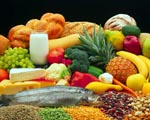
In celebration of National Heart Month I cannot resist reminding you about the significance diet and activity play in promoting a healthy heart. Heart disease is the number one killer of Americans and affects both men and women. Genetics do play a role, however a heart healthy diet and and regular activity can help minimize the effects and complications of heart disease. Whether you have heart disease in your family or not, it’s still good to follow a heart healthy eating plan. Highlights of the diet include:
- Lots of fruits and veggies! I’m sure you already knew this one, but the benefits of getting your 5 a day servings of fruits and veggies are worth reminding you again. Most of us know this, the hard part is doing it. Try adding them to your meals, have fruit as a snack, get a double serving to help you reach this goal.
- Fiber! Fiber is very beneficial in combating heart disease. Incorporating more whole grains (and fruits, veggies, and beans/lentils) into your diet will increase your fiber and aid in heart health. Oatmeal, brown rice, wild rice, whole grain noodles, whole grain breads, and even popcorn are considered whole grains. Aim to get at least 25-35 g/day.
- Choose lean proteins. Decreasing the amount of saturated fat in your diet will help reduce plaque buildup. Choose white meat poultry without the skin, 90% or greater lean hamburger, fish, beans, etc….stay away from processed meats! Fatty fish such as salmon, tuna, herring, and trout offer additional benefits as they are loaded with healthy omega 3 fatty acids.
- Choose healthy fats. Incorporating more plant fats such as canola oil and olive oil into your diet and reducing your intake of saturated and trans fats has been shown to improve heart health. You want to choose foods that are lower than 5-8g of total fat per serving and <3g saturated and trans fat per serving. Choosing low fat dairy products will help reduce the amount of saturated fat in your diet as well.
- Hold the salt! Excess sodium can increase blood pressure and cause heart failure. Aim to keep your sodium intake below 2400mg/day. You can do this by doing more home cooking, avoiding boxed or packaged goods, cooking with salt free seasonings, and not using table salt.
- Exercise! At least 30 minutes of exercise a day has been shown to improve heart health. If you can do more, the better!
Making small changes or substitutions will help you have a healthier heart and reduce risk for disease. Reading labels is really essential to help you make good choices, so take some time in the grocery store and really examine the products to ensure you’re making healthy choices!
-Kelsey
