by kelsey | Jun 25, 2014 | Diabetes, Diet, Food, Heart Health, Weight Management, Wellness/Health

I am excited to inform you all that Brown Clinic was selected to participate in a nutrition research study with South Dakota State University’s Nutrition Department regarding metabolic syndrome. The study will be testing two diets (the DASH diet and the BOLD diet) and their effects on metabolic syndrome.
- DASH diet–Dietary Approaches to Stop Hypertension: Considered the “gold standard” heart-healthy diet, this eating plan featured vegetables, fruits and low-fat dairy and limited red meat and sweets
- BOLD diet–Beef in an Optimal Lean Diet: Similar to the DASH diet (rich in vegetables, fruits, whole grains, nuts and beans) and protein amount, but uses lean beef (4 oz./day) as the primary protein source, whereas the DASH diet used primarily white meat and plant protein sources.
Participants must:
- be between 18-65 years of age
- have central obesity (waist circumference >35 in, in women and > 40 in, in men)
- and 2 of the 4 following risk factors to be included in the study:
- elevated triglyceride concentrations (150 mg/dL)
- low high-density lipoprotein (HDL)
- cholesterol (< 40 mg/ dL in men and < 50 mg/dL in women)
- high blood pressure
- elevated fasting plasma glucose (=100 mg/dL)
Participants will receive the following:
- Tailored diet instructions and weekly exercise goals at your initial meeting (free to the participant).
- Two follow-up meetings with the Registered Dietitian Kelsey Raml (free to the participant). Duration of the study is 10-12 weeks long.
- Free lab work at the beginning and end of the study.
- Compensation for this study is limited to tailored diet instructions and $100 in HyVee gift cards upon completion of required steps.
This study is funded by the South Dakota Beef Council. I am really excited to be a part of this study as the results could play a significant role in nutrition recommendations for metabolic syndrome!
If you are interested in participating, please contact me to determine if you are eligible! If you know of someone who may be interested, feel free to share this information with them and get in contact with me!
Thank you!
Kelsey Raml, MS, RD, LN
Registered Dietitian
605-884-4226
kelsey.raml@brownclinic.org
by kelsey | Jun 18, 2014 | Diet, Food, Weight Management, Wellness/Health
We have all been exposed to the “magical diet secrets” advertised frequently on the Dr. Oz show at one time or another. Whether you are a faithful viewer of the program, or simply catch bits and pieces while flipping through the channels, it is likely you have heard advertisements for; raspberry ketones, ‘magic weight loss cures’, and the ‘No. 1 miracle in a bottle.’ While Dr. Oz is famous for promoting a variety of nontraditional weight loss schemes and products, his claims are also getting the attention of some other very important individuals- members of the U.S. Senate, to be exact.
An article posted in USA Today states Dr. Oz is being “scolded” by senators for his false advertising of weight loss products such as raspberry ketone supplements and more recently, Pure Green Coffee Beans. Both of which are facing charges from the Federal Trade Commission (FTC) for false advertising to consumers.
Even if we hate to admit it, clever advertising can have an effect of pulling us in and making us believe in a product that may not live up to its claims. So how can we, as consumers, protect ourselves from the false advertising often found in the world of weight loss solutions?
The FTC has published a series of “Gut Checks,” designed to help consumers spot false weight loss representations in advertising. There are seven “Gut Check Claims” listed by the FTC that are proven by experts to be 100% false. Knowing these claims can help consumers spot a phony product before it’s too late. The full list of “Gut Checks” can be found at the following link: http://www.business.ftc.gov/documents/0492-gut-check-reference-guide-media-spotting-false-weight-loss-claims, but here are a few to remember when looking at weight loss products:
Think twice before using/advertising any product that claims it:
1. Causes weight loss of two pounds or more a week for a month or more without dieting or exercise;
2. Causes permanent weight loss even after the consumer stops using product;
3. Causes substantial weight loss by wearing a product on the body or rubbing it into the skin.
Example:
CLAIM #3: Causes substantial weight loss by wearing a product on the body or rubbing it into the skin
Gut check. Weight loss is an internal metabolic process. Nothing you wear or apply to the skin can cause substantial weight loss. So weight loss claims for patches, creams, lotions, wraps, body belts, earrings, and the like are false. There’s simply no way products like that can live up to what the ads say. That’s why these variations on the claim should fail your gut check:
So before you go running to try the latest wrap, supplement, or ‘miracle diet solution,’ remember to do a Gut Check!
Sources:
Gut Checks: http://www.business.ftc.gov/documents/0492-gut-check-reference-guide-media-spotting-false-weight-loss-claims
USA Today Article: http://www.usatoday.com/story/life/people/2014/06/17/dr-oz-senate-panel-weight-scams/10701067/
-Submitted by Katelyn Connick, SDSU Dietetic Student
by kelsey | Jun 12, 2014 | Cooking Tips, Diet, Food, Weight Management

When people think of summer it brings to mind family reunions, picnics, campfires and consequently hotdogs, potato salads, and s’mores. Here are some tips to make those summer months healthier:
-Summer is the best time of the year for fruits and vegetables! More fruits and vegetables are in season and are wonderful to incorporate in your diet. Try planting your own garden or checking out the local farmer’s market to stock up on a variety of fruits and vegetables. Our farmer’s market is open every Saturday morning in the Runnings parking lot. The melons have been especially delicious lately, so be sure to pick up some at our local grocery stores as well!
-Hotdogs and burgers are trademarks for summer. Instead of a sodium and fat packed hotdog or brat try to go for grilled chicken or lean red meats. If you are really craving that hotdog opt for the lower in fat turkey dog and watch your portions.
– Macaroni salad and potato salad are featured at the usual family get-together. The majority of these salads are going to contain high amounts of fat. Opt for fresh fruit or bring your own salad made with a low fat mayonnaise, low-fat Greek yogurt, or low fat sour cream.
-Be sure to drink plenty of water! Having at least eight 8oz. glasses a day is important to stay hydrated during the hot summer months.
– As for the infamous s’more, try dark chocolate and bananas (replacing the marshmallow) which will give you some antioxidants as well as taste great! Or just cut your portion to one s’more since it’s hard to mess with a classic!
-Get active! If you do indulge in some tasty, not-so-healthy treats this summer, just be sure to get in a little extra activity to balance your calories in with your calories out. Take advantage of the nice weather and get outside!
-Kelsey
by kelsey | Jun 10, 2014 | Diet, Food, Weight Management, Wellness/Health

June is national dairy month, thus it’s a great time to recognize and discuss the benefits we can get from dairy in our diets.
Cow’s milk is the richest source of well-absorbed calcium and is actually absorbed better (about 25%) than the calcium in soy milk. There is about 300 mg of calcium in an 8 oz serving of milk and we recommend getting at least 3 servings of dairy a day. A serving is equal to an 8oz (1 cup) serving of milk, 6 oz tub of yogurt, 1 oz cheese, 1/2 c cottage cheese. In addition to calcium, cow’s milk is an excellent source of phosphorus, vitamin B12, potassium, riboflavin, vitamin A, vitamin D, protein, and niacin…totalling 9 nutrients compared to only 4-5 nutrients found in soy and almond milk.
There are many other types of “milks” out there such as almond, rice, coconut, and soy, however these drinks are not the same as cow’s milk in regards to the nutritional qualities. Many of these milks use fortification (adding nutrients), whereas the nutrients are found naturally in cow’s milk. Below is a list from the Midwest Dairy Association about these beverage’s nutrient sources and nutrition quality (http://www.midwestdairy.com/0p335/dairy-imitators/)
- “Soy beverages are made from soybeans and are a good source of protein. However, according to the Protein Digestibility Corrected Amino Acid Score (PDCAAS), soy protein is a lower quality protein than the whey protein found in dairy products.
- Rice-based beverages are generally processed from brown rice and are fortified with nutrients such as calcium and vitamin D. Rice beverages typically contain only one gram of protein compared to eight grams in cow’s milk.
- Nut-based beverages can be ground from any nut and the most popular is almond. Almond beverages only supply one gram of protein per serving and lack many of the natural benefits found in almonds.
- Seed-based beverages, such as hemp, are newer to the marketplace. Their nutritional benefit is touted to be their omega fatty acid content. Similar to the other beverages, they also fall short on protein.”
Often times, these other “milks” contain higher sugar content, less calcium, less protein, and are absorbed less than those benefits in cow’s milk. Now if you have a lactose intolerance or milk allergy, these are certainly options for you, however if you do not have an allergy or intolerance, I highly encourage you to work towards getting your 3 a day servings of dairy and preferably low fat dairy. It will not only provide you with excellent vitamins and minerals to keep your bones and muscles healthy and strong, it will also provide you with an excellent source of protein.
For more information on the benefits of dairy, you can visit www.midwestdairy.com or contact my good friend and fellow Registered Dietitian Whitney Jerman at wjerman@midwestdairy.com.
I know I will enjoy a nice glass of cold milk tonight with supper, I hope you do too!
-Kelsey
by kelsey | Jun 3, 2014 | Diet, Food, Weight Management, Wellness/Health
Everyone may have heard on the news that the FDA is making changes to the nutrition label. The FDA is proposing two rules to help consumers.
The first rule states the need for a design change on the label. It will make the label easier to read and it will reflect a change in nutrition recommendations from the Dietary Guidelines for Americans, which have been published and updated three times since the first labeling law was enacted.
In the proposed first rule
- Added sugars will be distinguished from naturally occurring sugars. The FDA is trying to end the confusion on how much sugar was added to the package versus how much is naturally found in a food.
- Daily values are updated for sodium, fiber, and Vitamin D to reflect current research and health guidelines.
- Potassium and Vitamin D are now required on the label because they are nutrients of concern.
- Total fat, saturated fat, and trans fat are required but calories from fat will be removed because the type of fat is more important than the total amount of fat.
- Calories and serving sizes are more prominent to help address public health concerns today such as obesity, diabetes, and cardiovascular.
- The percent of daily value will be more prominent to help consumers understand how a food fits into their total diet.
The second proposed rule is to update the serving size requirements along with the new labeling requirements for certain package sizes.
- If there is a drink or package that is typically eaten in one setting, the label will reflect that.
- Larger packages that could be consumed in one sitting or multiple sittings will have dual column labels to indicate both per serving and per package calories and nutrient information.
The FDA’s goal is to expand and highlight the information they most need when making food choices. The goal is to make people aware of what they are eating and give them tools to make healthy dietary choices throughout the day.
A comparison between the current and new label are shown below. The current label is shown first with the proposed new label below. What do you think about the changes? Will it be easier for the consumer to make healthy choices? Is it easier to read and understand? We’d love to hear your thoughts and opinions!
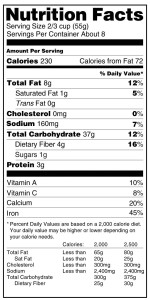
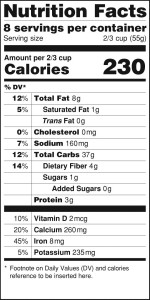
-Submitted by Jessica Claussen, SDSU Dietetic Student
by kelsey | May 28, 2014 | Cooking Tips, Diet, Food, Weight Management, Wellness/Health
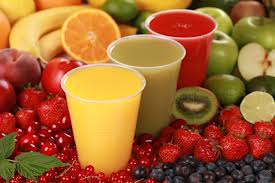
Lately there has been an explosion in the media discussing smoothies for weight loss, athletic performance, and meal replacements. Since the supplement industry heavily promotes “quick fixes”, keep in mind that an overall balanced diet is the best way to maintain or improve your health. The goal of many supplement industries is not to fix the problem, but rather to create addiction and increase revenue. Supplements are not regulated by the Food and Drug Administration and claims made for them are not always accurate or proven. However, homemade fruit and vegetable smoothies are way to guarantee your 5-A-Day natural nutrients. Consumption of fruits and vegetables may help prevent chronic diseases such as cancer, heart disease, and diabetes while delivering fiber and vitamins. With a new season upon us, we are gifted with a wider variety of options to choose from when eating the rainbow. Contrary to the common belief, consuming the recommended amounts of fruits and vegetables can be inexpensive and in the long run will save you money in terms of medical bills.
There are endless smoothie recipes you can use to make a quick breakfast, after a workout, or for an afternoon snack. Adding an extra boost to your smoothie such as protein powder or Greek yogurt will additionally provide other valuable nutrients. Here’s a guide to help get started
Add Fruit/Vegetable
|
Add Liquid
|
Add Thickener
|
Extra
|
| Banana, Berries, Apple, Pear, Peach, Kiwi, Pineapple, Cherries, Mango, Orange, Spinach, Kale, Beets, Carrots |
Dairy, Soy, Rice, or Almond Milk, Fruit Juice, Water, Iced Tea |
Peanut butter, Yogurt, Frozen yogurt, ice cubes, or oats. |
Honey, Cinnamon, Protein Powder, Mint, Figs, Dark Chocolate, Flaxseed. |
| Choose 2-3 |
Add 1-2 cups of liquid |
Pick your consistency |
Your preference |
Here are some examples:
Green Smoothie: Mango Chunks, Banana, Kale or Spinach, Apple Slices, Water, Plain low fat yogurt
Carrot Smoothie: Carrots, Orange, Pineapple, Low-sugar Apple Juice, Ice Cubes, Cinnamon
Desert Smoothie: Banana, Apple Slices, Low Fat/Skim Milk, Peanut Butter, Top with Dark Chocolate Shavings
Enjoy!
-Submitted by Lara Cafruny, SDSU Dietetics Student
Photo Reference: http://www.afrobella.com
