by kelsey | Oct 20, 2016 | Diet, Food, Holidays, Weight Management, Wellness/Health

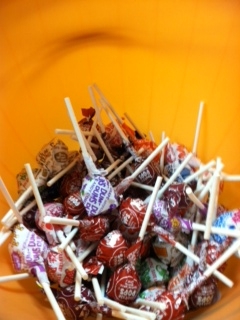
It’s that time of year again. Not only are the aisles of Wal-Mart strewn with witch hats, zombie make-up and fairy wings, but of course there is the looming aisle of Halloween candy. It can be easy to over indulge on treats this time of year. Most of the candy passed out to trick-or-treaters comes in “fun size” or “mini” portions. However, looks can be deceiving; people often believe that since they are smaller in size, more can be consumed. Calories from Halloween candy can quickly add up. For example; 3 mini snickers bars pack 300 calories. To burn off that many calories you would have to walk at a brisk pace for 1.5 hours or run for 40 minutes.
Fortunately the 31st of October doesn’t have to mean automatic weight gain. Try waiting until the day before to buy treats to pass out. You will be less likely to feel the need to nibble if you don’t buy it a month ahead of time. Keeping it out of site, such as up in a closet you rarely use, can help you forget that it’s even in the house. The biggest challenge with Halloween candy is the leftovers. After the trick-or-treaters have come and gone we are often left with the reality that we stocked up for 400 doorbell ringers, and only got 15. Buying candy that you don’t like is an easy way to keep you from eating it both before and after the holiday.
Halloween Treats to Try
Sugar-free gum
Boxes of raisins
Animal crackers
Pretzels
Trail mix
Fruit snacks
Lollipops
Non-Candy choices: stickers, small toys, erasers, etc.
Halloween Tricks to Avoid
Candy bars
Caramels
Fudge
Skittles
M&M’s
-Kelsey
by kelsey | Oct 12, 2016 | Cooking Tips, Diet, Food, Weight Management, Wellness/Health

Pumpkin is one of, if not, the most common fall flavors that everyone enjoys. Several types of desserts have pumpkin added to them to increase taste or appearance. Here are a few healthy pumpkin recipes to enjoy this fall season without feeling guilty about eating bad:
Healthy Pumpkin Pie
- 1 can pumpkin puree
- 1 can full-fat coconut milk
- ¼ cup rolled oats
- 2 tbsp ground flax
- 1/3 cup coconut sugar or brown sugar
- pinch of stevia or 2 tbsp of brown sugar
- 2 tsp cinnamon
- 1 tsp pumpkin pie spice
- ½ tsp salt
- 1 tbsp pure vanilla extract
Directions:
Healthy Pumpkin Pie Recipe: Preheat oven to 400F. Blend all ingredients together until smooth, then pour into a prepared pie crust (such as the recipe below) in a 10-inch round pan. Bake 27 minutes (it will still be underdone after this time, which is okay!), let it cool, then refrigerate at least 5 hours uncovered for the pie to thicken and “set.”
Honey Whole Wheat Pumpkin Bread
- 1/3 cup melted coconut oil
- ½ cup honey
- 2 eggs
- 1 cup pumpkin puree
- 1 tsp. vanilla extract
- ½ tsp salt
- ½ tsp cinnamon
- ½ tsp. ginger
- ¼ tsp. nutmeg
- ¼ teaspoon allspice
- 1 ¾ cups whole wheat pastry flour
- 1/3 to ½ cup rinsed millet (optional
- 1 tsp. baking soda
- ¼ cup hot water
Directions:
- Preheat oven to 325 degrees Fahrenheit (165 degrees Celsius) and grease a 9×5 inch loaf pan.
- In a large bowl, beat oil and honey together. Add eggs, and beat well.
- Stir in pumpkin purée and vanilla, then the salt, cinnamon, ginger, nutmeg and allspice. Stir in flour, just until combined. If you’re adding millet, stir that in as well.
- Add baking soda to hot water, stir to mix, and then mix briefly into batter until it is evenly distributed. Spread batter into the greased loaf pan.
- Sprinkle with cinnamon, and swirl with the tip of a table knife for a pretty marbled effect. Sprinkle a big pinch of turbinado sugar on top for a light, sweet crunch.
- Bake for 55 to 65 minutes. Be sure to check that the bread is done baking by inserting a toothpick in the top. It should come out clean. If the top of the bread jiggles when you pull it out of the oven, it’s NOT done! Let the bread cool in the loaf pan for 5 minutes, then transfer it to a wire rack to cool for 30 minutes before slicing.
Whole Wheat Pumpkin Cookies
- 2 ½ cups whole wheat pastry flour
- 1 tsp. baking powder
- 1 tsp. baking soda
- 2 tsp. cinnamon
- ¾ tsp. nutmeg
- ¾ tsp. ground cloves
- ½ tsp. salt
- ½ cup butter, softened
- 1 ½ sugar
- 1 cup canned pumpkin puree
- 1 egg
- 1 tsp. vanilla extract
- powdered sugar (optional)
Directions:
- Preheat oven to 350 degrees Fahrenheit (175 degrees C). In a medium bowl, whisk together your dry ingredients (flour, baking powder, baking soda, cinnamon, nutmeg, ground cloves, and salt).
- In another medium bowl, cream together butter and sugar. Add pumpkin, egg, and 1 teaspoon vanilla; beat until creamy. Mix in dry ingredients and stir just until combined. Use a cookie dough scoop or two spoons to drop one tablespoon of dough onto a parchment paper-covered cookie sheet. Flatten each cookie slightly.
- Bake for 15 to 20 minutes. Sprinkle the baked cookies with a light dusting of powdered sugar and transfer the cookies to a rack to cool.
-Written by Braden Carmody, SDSU Dietetics Student
by kelsey | Oct 5, 2016 | Diet, Food, Weight Management, Wellness/Health

It’s the middle of the afternoon and you are struggling to keep your eyes open and focus. You keep yawning and you’re thinking isn’t it 5’oclock yet?! Has this ever happened to you? I’m sure it has! Many of us can have lows in our energy levels and we often turn to caffeine to rev us back up…which isn’t always the best or smartest choice. Here are some tips to help you keep your energy levels stable and get you through the day!
- Eat consistently throughout the day. I am sure you have heard me say it before, but this really does apply to energy levels. Eating small amounts every 3-4 hours can aid in a healthy metabolism, blood sugar control, and ward off extreme hunger. It will also help you be more focused and attentive!
- Avoid heavy eating (ie-gravys, fried foods, rich foods, etc). Eating more moderately or lightly will help curb your cravings and reduce overeating which often results in feeling sluggish and sleepy (like on Thanksgiving!).
- Focus on balance. It’s really important to eat well balanced meals that include lean proteins, fruits and veggies, whole grains, and low fat dairy. Each food source offers the body various nutrients and a balance of these is best for fueling the body.
- Make healthy snacks. Snacks should be about 100-200 calories and have a balance of protein and fiber rich carbs. This balance stays with you and lasts longer, further helping sustain energy and blood sugar control. A piece of fruit with a handful of almonds, low fat string cheese and a few whole grain crackers, or yogurt and berries are some good choices.
- Watch the caffeine and sugar. Avoid soda, sugary coffee, and energy drinks as these foods will give you an energy boost, but it’s only short term, which result in a big energy crash an hour or two later. Instead choose water or unsweetened tea.
- Get good sleep. It’s really important to get a good nights rest, which includes at least 7-8 hours of sleep. This will help you wake up rested and ready to make the most of your day!
-Kelsey Raml, MS, RD, LN
by kelsey | Sep 15, 2016 | Cooking Tips, Diet, Food, Heart Health, Weight Management, Wellness/Health

This week’s weather felt more like fall and with the change of season, we tend to change our pattern of eating to more soups, stews, and casseroles. These selections are a great way to pack a variety of nutrients into one dish. In addition, they can be very cost effective due to the excess garden produce present in our grocery stores and farmer’s market lately. Here are a few nutrition tips to consider when you’re prepping your favorite meal:
- When using store bought broths or soup mixes such as cream of chicken, choose the low-sodium or reduced fat varieties.
- Use herbs and spices to season rather than salt.
- Add more vegetables and lean meat to the recipe to give you more nutrition.
- Thicken with pureed beans, potatoes, or vegetables.
- Sprinkle your soups or stews with low fat cheese for added flavor and nutrients, without too many calories.
- Think about balance: incorporate something from each food group into your meal to provide your body with a top notch quality and nutritious meal.
- Practice portion control: it’s easy to dish up your plate with casserole or fill up a big bowl of stew and not realize how much you’re eating, so measure out your foods and eat mindfully to ensure appropriate portion control.
- Batch cook: soups are a great way to practice batch cooking. Make up a pot of soup and portion it out into smaller containers and freeze. They are easy to take out and unthaw when you need a healthy meal in a pinch!
-Kelsey
by kelsey | Aug 25, 2016 | Cooking Tips, Diet, Family, Food, Weight Management, Wellness/Health

School started today in Watertown! It’s always an exciting day for families! It also means getting back into the routine of school lunch and snacks after school! If you’re a parent with school age children, you have probably witnessed this scenario many times: your child comes home from school and they are starving! They rummage through the cupboards and try to find something “good” to snack on until supper is ready. Snacks in between meals help provide the body with energy and aid in metabolism and blood sugar control, but the key is making a healthy snack as junk foods will only provide empty calories, leaving you hungry and looking for more later on.
Below are some healthy snacks for kids. Print off this list and let them pick a healthy snack afterschool!
Healthy Snacks for Kids
Inside-Out Sandwich: Spread mustard on a slice of deli turkey. Wrap around a sesame breadstick.
Rocky Road: Break a graham cracker into bite-size pieces. Add to low-fat chocolate pudding along with a few miniature marshmallows.
Mini Pizza: Toast a whole-wheat English muffin, drizzle with pizza sauce and sprinkle with low-fat mozzarella cheese.
Spread mustard on a flour tortilla. Top with a slice of turkey or ham, low-fat cheese and lettuce. Then roll it up.
Sandwich Cut-Outs: Make a sandwich on whole grain bread. Cut out your favorite shape using a big cookie cutter. Eat the fun shape and the edges, too!
Banana Split: Top a banana with low-fat vanilla and strawberry frozen yogurt. Sprinkle with your favorite whole-grain cereal.
Apple Pie Oatmeal: Make one packet of microwave oatmeal with low-fat milk. Mix in 1/4 cup unsweetened applesauce. Sprinkle with apple pie spice or cinnamon.
Mix together peanut butter and cornflakes in a bowl. Shape into balls and roll in crushed graham crackers.
Microwave a cup of tomato or vegetable soup and enjoy with whole-grain crackers.
Fill a waffle cone with cut-up fruit and top with low-fat vanilla yogurt.
Sprinkle grated Parmesan cheese on hot popcorn.
Peel a banana and dip it in yogurt. Roll in crushed cereal and freeze.
Spread celery sticks with peanut butter or low-fat cream cheese. Top with raisins.
Stuff a whole-grain pita pocket with ricotta cheese and Granny Smith apple slices. Add a dash of cinnamon.
Mix together ready-to-eat cereal, dried fruit and nuts in a sandwich bag for an on-the-go snack.
Smear a scoop of frozen yogurt on two graham crackers and add sliced banana to make a yummy sandwich.
Microwave a small baked potato. Top with reduced-fat cheddar cheese and salsa.
Make snack kabobs. Put cubes of low-fat cheese and grapes on pretzel sticks.
Toast a whole-grain waffle and top with low-fat yogurt and peaches.
Mix together low-fat cream cheese, mixed dried fruit bits and shelled sunflower seeds. Spread on a toasted English muffin.
Blend low-fat milk, frozen strawberries and a banana for thirty seconds for a delicious smoothie.
Make a mini-sandwich with tuna or egg salad on a whole-grain dinner roll.
Sprinkle grated Monterey Jack cheese over a corn tortilla; fold in half and microwave for twenty seconds. Top with salsa.
Spread peanut butter on apple slices.
Reference: Academy of Nutrition & Dietetics
-Kelsey
by kelsey | Aug 24, 2016 | Diet, Food, Weight Management, Wellness/Health

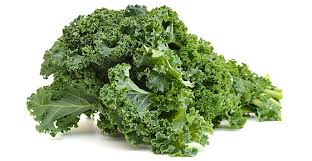
Vegetables. Eat your vegetables. We hear this all the time when talking about receiving proper nutrition because of the amount of nutrients vegetables provide with such little caloric value. Nutrient dense veggies should be a staple in our diet because of the benefits they provide. Eating significant amounts of vegetables can aid in weight loss, which most of us would love to do. Each vegetable has a different amount and type of nutrients that they carry. Some have more vitamin A than others, while others may be much higher in fiber. Today we’re going to look at the health benefits of a vegetable that isn’t as popular as it should be; kale.
Kale is a dark, leafy green vegetable that has tons of nutrients. Kale is high it Vitamins A, C, and K and Folate (a form of Vitamin B). Just like most vegetables, kale provides almost no caloric value with only 33 calories per cup. A cup of kale also provides 3 grams of protein and 2.5 grams of fiber. Existing research has shown that kale may provide health benefits that relate to a decrease in risk of cancer. There is also a linkage between kale consumption and decreased cholesterol levels, which supports heart health.
Adding kale to your diet has multiple benefits. Find a way to incorporate this vegetable into your regime, whether it be eating it raw, putting it on a burger, or making a salad out of it. Next time you’re in the grocery store, don’t be afraid to try some kale, you won’t regret it.
-Written by Braden Carmody, SDSU Dietetics Student