by kelsey | May 17, 2017 | Cooking Tips, Diet, Food

Spring and summer bring warmer temps and the desire for more frozen treats! Smoothies are a great way to cool off and get some great nutrients while you’re at it!
Lately there has been an explosion in the media discussing smoothies for weight loss, athletic performance, and meal replacements. Since the supplement industry heavily promotes “quick fixes”, keep in mind that an overall balanced diet is the best way to maintain or improve your health. The goal of many supplement industries is not to fix the problem, but rather to create addiction and increase revenue. Supplements are not regulated by the Food and Drug Administration and claims made for them are not always accurate or proven. However, homemade fruit and vegetable smoothies are way to guarantee your 5-A-Day natural nutrients. Consumption of fruits and vegetables may help prevent chronic diseases such as cancer, heart disease, and diabetes while delivering fiber and vitamins. With a new season upon us, we are gifted with a wider variety of options to choose from when eating the rainbow. Contrary to the common belief, consuming the recommended amounts of fruits and vegetables can be inexpensive and in the long run will save you money in terms of medical bills.
There are endless smoothie recipes you can use to make a quick breakfast, after a workout, or for an afternoon snack. Adding an extra boost to your smoothie such as protein powder or Greek yogurt will additionally provide other valuable nutrients. Here’s a guide to help get started
Add Fruit/Vegetable
|
Add Liquid
|
Add Thickener
|
Extra
|
| Banana, Berries, Apple, Pear, Peach, Kiwi, Pineapple, Cherries, Mango, Orange, Spinach, Kale, Beets, Carrots |
Dairy, Soy, Rice, or Almond Milk, Fruit Juice, Water, Iced Tea |
Peanut butter, Yogurt, Frozen yogurt, ice cubes, or oats. |
Honey, Cinnamon, Protein Powder, Mint, Figs, Dark Chocolate, Flaxseed. |
| Choose 2-3 |
Add 1-2 cups of liquid |
Pick your consistency |
Your preference |
Here are some examples:
Green Smoothie: Mango Chunks, Banana, Kale or Spinach, Apple Slices, Water, Plain low fat yogurt
Carrot Smoothie: Carrots, Orange, Pineapple, Low-sugar Apple Juice, Ice Cubes, Cinnamon
Desert Smoothie: Banana, Apple Slices, Low Fat/Skim Milk, Peanut Butter, Top with Dark Chocolate Shavings
Enjoy!
-Kelsey
by kelsey | May 10, 2017 | Cooking Tips, Diet, Food, Heart Health, Weight Management, Wellness/Health

May is beef month so I thought it’d be fitting to talk about this powerhouse lean protein!
Did you know that beef is 20% leaner than it was about 15 years ago? There are at least 29 cuts of lean beef which means they meet the government guidelines for lean, meaning each cut has less than 10g of total fat, less than 4.5 g of saturated fat, and less than 95mg of cholesterol (in a 3 oz serving). Lean beef is also a great source of multiple vitamins and minerals such as vitamin B12, selenium, zinc, niacin, vitamin B6, phosphorus, iron, and choline. Here are some tips for you to make beef a part of your heart healthy meals:
- Look for key words such as “round” or “loin” …these are typically leaner cuts
- Choose 90% or greater lean beef. This means in a 3oz serving there is less than 5g of fat in it.
- Use healthy cooking methods such as grilling, broiling, baking, roasting, or braising. The less tender cuts can be marinated in a tenderizing marinade such as salsa or light Italian dressing.
- Trim the fat! Trimming the fat before cooking will help eliminate some of the fat from the cut.
- Cook with fresh ingredients such as lemon juice, peppers, onions, garlic, and herbs instead of adding extra fat to the cut.
- Practice portion control. Select the 3-5 oz serving over the 10oz.
Balance is key to a healthy diet, so be sure to include your fruits and veggies and whole grains along with your lean meat to create a healthy plate. As of a just a few months ago, all meat is required to have the nutrition content (label) posted by it in the grocery store. Be sure to use this when you’re selecting your cuts of meat and pay special attention to the total fat and saturated fat content. If you want to learn more about the benefits of beef and explore healthy recipes check out these websites: www.beefnutrition.org and www.beefitswhatsfordinner.com.
-Kelsey
by kelsey | Apr 27, 2017 | Diabetes, Diet, Food, Heart Health, Weight Management, Wellness/Health

Currently, about half of all American adults have one or more chronic diseases, many of which are associated with poor dietary intake and lack of physical activity. The Dietary Guidelines for Americans is a resource that provides nutrition and dietary advice designed to help Americans achieve and maintain a healthy body weight, meet nutrient needs, and reduce the risk of diet-related chronic diseases. Every five years, a new edition of the Dietary Guidelines is published. A committee of researchers in the fields of nutrition, health, and medicine develop this document through the analysis and evaluation of current scientific evidence.
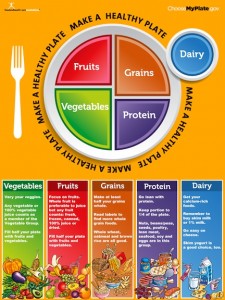
The 2015-2020 Dietary Guidelines for Americans emphasize the importance of following a healthy eating pattern. An eating pattern is the combination of foods and beverages that make up a person’s dietary intake over time. A healthy eating pattern includes:
Vegetables, a variety including dark green, red and orange, legumes (beans and peas), starchy, and other subgroups
Fruits, especially whole fruits
Grains, at least half of which are whole grains
Dairy, fat-free or low-fat, including milk, yogurt, cheese
Protein foods, a variety including seafood, lean meats and poultry, eggs, legumes (beans and peas), and nuts, seeds, and soy products
Oils, including those from plants such as canola, corn, olive, peanut, safflower, soybean, and sunflower; oils are also naturally present in nuts, seeds, seafood, olives, and avocados
A healthy eating pattern limits saturated fat, trans fat, refined starches, added sugars, and sodium. Keep in mind that improving your eating pattern and lifestyle doesn’t have to happen overnight. Start with small shifts in food choices. For example, try shifting from: white bread to whole wheat, full-fat cheese to low-fat, soft drinks to water, potato chips to unsalted nuts, and butter to olive or canola oil. A healthy eating pattern should be paired with appropriate levels of physical activity. Adults need at least 150 minutes of physical activity each week, and children ages 6 to 17 years need at least 60 minutes of physical activity per day.
For more information on an eating pattern specific to your body’s needs, contact a local registered dietitian or healthcare professional.
-Written by Amanda Berckes, SDSU Dietetic Intern
by kelsey | Apr 19, 2017 | Cooking Tips, Diabetes, Diet, Food, Weight Management

Snacking can be included in a healthy diet as long as you are making a good choice and watching your portions. I encourage snacks to have a balance of nutrients–especially healthy carbohydrates and lean proteins to help keep energy levels stable and provide satiety. Give these a try!
- Peanut butter and banana or apple
- Greek yogurt and fruit
- Hummus and carrots
- Low-fat cottage cheese and red pepper
- Snack mix with nuts, oats, and dried fruit
- Oatmeal topped with fruit and nuts
- Beef jerky and apple
- String cheese and whole grain crackers such as Wheat Thins or Triscuits
- Half of a turkey sandwich
- Almonds and fruit
- Yogurt
- Light popcorn
-Kelsey
by kelsey | Apr 12, 2017 | Cooking Tips, Diabetes, Diet, Food, Weight Management, Wellness/Health

This is a recipe Amanda Berckes, SDSU Dietetic Intern created. A healthy twist on homemade pizza! You can substitute the topping for your favorites if you don’t like the below options, such as switching the sausage for Canadian bacon or switching up the veggies. This recipe can save you 50-100 calories per slice compared to a typical slice of pizza and adds a bunch of really great nutrients. It is a favorite of her’s so enjoy!! -Kelsey
Homemade Pizza
Ingredients:
- 1 whole wheat thin 12” pizza crust
- ½ cup pizza sauce
- 2 tsp pizza seasoning blend
- ¾ cup chopped red bell pepper
- ¾ cup chopped green bell pepper
- ½ cup pieces or sliced mushroom
- ¼ cup chopped onions
- 6 oz lean turkey sausage
- 1 cup 2% shredded mozzarella cheese Directions:
- Preheat oven to 400°
- Lay crust on pizza pan and spread sauce on top
- Add seasoning and toppings
- Bake pizza for 6-10 minutes or until crust is golden brown along the edges
- Cut pizza into 6 pieces
Tips:
- Sprinkle a little corn meal on the pizza pan before putting the crust down to prevent sticking.
- If you prefer a crispier crust, bake the crust for 3-5 minutes before adding sauce and toppings.
- Sauté vegetables to soften them before adding to pizza.
| Nutrition Facts |
| Servings: 6 |
| Amount Per Serving: 1 slice |
| Calories 185 |
| % Daily Value * |
| Total Fat 7 g |
10 % |
| Saturated Fat 2 g |
11 % |
| Monounsaturated Fat 0 g |
| Polyunsaturated Fat 0 g |
| Trans Fat 0 g |
| Cholesterol 26 mg |
9 % |
| Sodium 248 mg |
10 % |
| Potassium 100 mg |
3 % |
| Total Carbohydrate 19 g |
6 % |
| Dietary Fiber 3 g |
13 % |
| Sugars 4 g |
|
| Protein 14 g |
27 % |
| Vitamin A |
20 % |
| Vitamin C |
66 % |
| Calcium |
17 % |
| Iron |
8 % |
| * The Percent Daily Values are based on a 2,000 calorie diet, so your values may change depending on your calorie needs. The values here may not be 100% accurate because the recipes have not been professionally evaluated nor have they been evaluated by the U.S. FDA. |
-Written and created by Amanda Berckes, SDSU Dietetic Intern
by kelsey | Apr 11, 2017 | Cooking Tips, Diabetes, Diet, Food, Weight Management, Wellness/Health

‘Tis the season for grilling!
Grilling is a fun and convenient way to cook, especially with the weather getting nicer. Cooking on the grill can also be a very healthy cooking method. Keep the following tips in mind to have a healthy and delicious grilling season.
- Go light on the sauces. Grilling and dipping sauces can be high in added sugar and/or sodium. Make your own sauce, add spices and herbs, or cut back on the amount of sauce used. Let the delicious flavor of grilling do its job.
- Choose lean protein sources. Fish and skinless poultry taste great on the grill and are typically lower in saturated fat than red meats. Meat and pork can also be good choices—just opt for leaner cuts and watch the portions. Choose “loin” or “round” cuts and meats that are 90-95% lean. The recommended portion size of meat is 3 ounces, which is about the size of a deck of cards.
- Choose a whole-grain bun instead of white for added nutrients and fiber. If you’re watching your calorie or carbohydrate intake, go with half of the bun or use a lettuce wrap.
- Cut up colorful vegetables (like bell peppers, mushrooms, zucchini, onions, squash, potatoes, carrots, etc.) and grill them on kabobs or in aluminum foil. Toss the vegetable pieces in a little bit of oil to prevent them from drying out and sticking to the grill.
- Fruits can be grilled too! Cut up fresh fruit and put them on kebabs. Choose firm fruits like apples, peaches, pineapple, pears, or cantaloupe. These fruits are less likely to fall apart or become too mushy on the grill. Bananas can even be grilled—just keep it in its peel to protect the banana’s soft texture.
- Don’t forget to clean your grill regularly. Failing to do so can cause food to stick to the grades, uneven cooking temperatures, and shortened longevity of the grill.
Written by Amanda Berckes, SDSU Dietetic Intern