by kelsey | Feb 21, 2019 | Diet, Exercise, Food, Heart Health, Weight Management, Wellness/Health

STRIVE 2 Survive, our 12 week wellness program starts in about 3 weeks, March 12th!! We often have people ask about the results of the program as they try to decide if they should enroll or not. Today’s post is about results as I wanted to share some of the results we have seen: not only weight loss, but great improvements in lab work, BP, and waist circumference, which greatly impacts disease prevention and overall wellness. Below are a few of our participant’s results for you to see how beneficial the program can be! Enrollment is underway right now! Contact us today to get signed up for a better you! Email: strive2survive@brownclinic.org or 884-4226.
|
|
|
|
Initial |
Post |
| Weigh In |
262 |
228.6 |
|
|
|
| lbs lost |
|
-33.4 |
| % lost |
|
|
| (lbs lost/weight) * 100 |
0 |
-14.6107 |
|
|
|
| Lab Work |
Initial |
Post |
| Total Cholesterol |
233 |
175 |
| LDL |
179 |
120 |
| HDL |
39 |
45 |
| Triglycerides |
75 |
49 |
| Glucose |
101 |
92 |
| Waist Circ. |
45″ |
40 |
| BMI |
30.3 |
26.4 |
| % Body Fat |
15.9 |
13 |
| Fat Mass |
41.8 |
29.8 |
| Fat Free Mass |
220.8 |
198.8 |
|
|
|
| |
Initial |
Post |
| Weigh In |
197.4 |
182.2 |
| |
|
|
| lbs lost |
|
-15.2 |
| % lost |
|
|
| (lbs lost/weight) * 100 |
0 |
-8.34248 |
| |
|
|
| Lab Work |
Initial |
Post |
| Total Cholesterol |
173 |
162 |
| LDL |
86 |
76 |
| HDL |
62 |
66 |
| Triglycerides |
127 |
100 |
| Glucose |
100 |
92 |
| Waist Circ. |
41″ |
39 |
| BMI |
31.9 |
29.4 |
| % Body Fat |
39.6 |
39.4 |
| Fat Mass |
79.4 |
71.8 |
| Fat Free Mass |
119.4 |
110.4 |
|
|
|
| |
Initial |
Post |
| Weigh In |
237.8 |
208 |
| |
|
|
| lbs lost |
|
-29.8 |
| % lost |
|
|
| (lbs lost/weight) * 100 |
0 |
-14.3269 |
| |
|
|
| Lab Work |
Initial |
Post |
| Total Cholesterol |
191 |
149 |
| LDL |
114 |
80 |
| HDL |
54 |
58 |
| Triglycerides |
116 |
54 |
| Glucose |
104 |
100 |
| Waist Circ. |
40 |
34 |
| BP |
152/90 |
118/78 |
| BMI |
30.9 |
27.1 |
| % Body Fat |
16.5 |
12.5 |
| Fat Mass |
39.2 |
26 |
| Fat Free Mass |
198.6 |
182 |
by kelsey | Feb 7, 2019 | Cooking Tips, Diet, Food, Heart Health, Weight Management, Wellness/Health

In celebration of National Heart Month, I think it’s fitting to discuss the significance diet and activity play in promoting a healthy heart. Heart disease is the number one killer of Americans and affects both men and women. Genetics do play a role, however a heart healthy diet and and regular activity can help minimize the effects and complications of heart disease. Whether you have heart disease in your family or not, it’s still good to follow a heart healthy eating plan. Highlights of the diet include:
- Lots of fruits and veggies! I’m sure you already knew this one, but the benefits of getting your 5 a day servings of fruits and veggies are worth reminding you again. Most of us know this, the hard part is doing it. Try adding them to your meals, have fruit as a snack, get a double serving to help you reach this goal.
- Fiber! Fiber is very beneficial in combating heart disease. Incorporating more whole grains (and fruits, veggies, and beans/lentils) into your diet will increase your fiber and aid in heart health. Oatmeal, brown rice, wild rice, whole grain noodles, whole grain breads, and even popcorn are considered whole grains. Aim to get at least 25-35 g/day.
- Choose lean proteins. Decreasing the amount of saturated fat in your diet will help reduce plaque buildup. Choose white meat poultry without the skin, 90% or greater lean hamburger, fish, beans, etc….stay away from processed meats! Fatty fish such as salmon, tuna, herring, and trout offer additional benefits as they are loaded with healthy omega 3 fatty acids.
- Choose healthy fats. Incorporating more plant fats such as canola oil and olive oil into your diet and reducing your intake of saturated and trans fats has been shown to improve heart health. You want to choose foods that are lower than 5-8g of total fat per serving and <3g saturated and trans fat per serving and limit your total fat consumption to 50-75g/day. Choosing low fat dairy products will help reduce the amount of saturated fat in your diet as well.
- Hold the salt! Excess sodium can increase blood pressure and cause heart failure. Aim to keep your sodium intake below 2400mg/day. You can do this by doing more home cooking, avoiding boxed or packaged goods, cooking with salt free seasonings, and not using table salt.
- Exercise! At least 30 minutes of exercise a day has been shown to improve heart health. If you can do more, the better!
Making small changes or substitutions will help you have a healthier heart and reduce risk for disease. Reading labels is really essential to help you make good choices, so take some time in the grocery store and really examine the products to ensure you’re making healthy choices!
-Kelsey
by kelsey | Jan 31, 2019 | Diet, Food, Weight Management, Wellness/Health
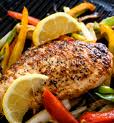
Up next on debunking fad diets: The Paleo Diet. This is another diet that has shot up to the top of the most well-known diets in recent times. The Paleo Diet pretty much means what is sounds like: eat like our cavemen ancestors did. I will explain later what is “allowed” and what is “banned”. For some reason someone thought it would be a good idea to come up with a diet that our ancestors of a long time ago ate. We must keep in mind, that they were only likely living to the age of 30, while our average lifespan is in the seventies. Another friendly reminder, people of the Paleolithic times literally had to run miles and miles to catch their meat, and likely ate easier foods that they gathered (i.e. fruits and vegetables). The Paleo diet we think of nowadays means steak, bacon, chicken, etc. Again, do you think people of the Paleolithic times had those luxurious meats? Nope. They were likely eating extremely lean game after they had spent days chasing and hunting it.
Here is a list of what to eat:
- Meat (especially game), poultry, fish, and shellfish
- Fresh fruits
- Fresh vegetables
- Eggs
- Seeds
- Nuts
- Olive, coconut, and flaxseed oils
Here is a list of what to avoid:
- Any food that is processed, man-made or prepackaged
- All grains
- Legumes (including peanuts)
- Dairy
- Salt
- Sugar
- Vegetable oils
- Potatoes
First of all, I find it interesting that this diet promotes the use of coconut oil (which is over 90% saturated) and bans the use of vegetable oil. So, if someone were to come to me and say I’ve been doing this Paleo Diet for awhile now and I’m feeling so much better. What they need to understand is that any time you can cut out packaged, highly processed foods, you are likely going to start feeling better, and might even lose weight. However, if you are cutting out all grains and legumes you run the risk of developing deficiencies in B-vitamins such as thiamine, folate, niacin and riboflavin. Any time you are cutting out an entire food group (grains) it immediately becomes nutritionally uncomplete. Another risk many people on this diet face is lack of fiber. In a “perfect” Paleo Diet you should be eating TONS of fresh fruits and vegetables, which would mean you are getting enough fiber. But, in America, we for some reason have a hard time with fruits and vegetables, and most people would struggle getting enough of both groups in. This will eventually lead to lack of fiber, which has major health risks.
In short, this is just another fad diet that has been made famous be certain influencers. Like always, if you’re diet restricts you from eating certain foods, this might lead to binging those foods later on. Unless you have will-power of steal, I would not recommend this diet. What we usually recommend is healthy lifestyles, eating a balanced plate every meal for the rest of your life. This is the most sustainable way of living and will lead to the best health outcomes. If you are on a diet and it feels like it’s getting harder and harder, you’re usually on restrictive diet that relies on will power. This eventually will fail. However, if your way of eating becomes easier, you’re likely doing the right thing and have made a successful and sustainable lifestyle choice. As always, if you have specific questions, please get in touch with your Registered Dietitian.
-Written by Sami Kratovil, SDSU Dietetic Intern
by kelsey | Jan 16, 2019 | Cooking Tips, Diet, Food

Winter is a great time to enjoy tasty soups and hot dishes. If you are watching your waist line, it’s important to be careful of how much you consume of these foods as they can be high in calories, fat, and carbs… depending on how you prepare them. Broth based soups and stews are lower in calories and fat than cream based. In addition, if you’re making a hot dish, you may consider cutting calories by choosing fat free soups to add to your dish, such as fat free cream of chicken or mushroom soup. They also have low sodium varieties of these so if you’re watching your blood pressure or sodium intake, you may consider using this variety. And, as always, be sure to incorporate your lean proteins and plenty of fruits and veggies to your meal. You may consider doubling the veggies in your soups to make them a bit heartier and healthy. A few of my favorite cold weather soups are beef stew that has carrots, peas, potatoes, onion, and roast meat, bean and ham soup (plenty of protein and fiber!), and chicken noodle soup that also has plenty of veggies with white meat chicken. Try out batch cooking with these hearty meals–make a big batch and portion out into smaller containers and freeze. Take one out at a time to enjoy a healthy, hearty meal without all the prep time!
-Kelsey
by kelsey | Jan 9, 2019 | Diet, Food, Goals, Motivation, Weight Management, Wellness/Health

Many of you are working on your New Year’s goals and that may include improving your nutrition, activity, health, and wellness. Keeping track of your intake is an excellent tool to help you with increased awareness of your intake (what exactly are you eating and how much) and help with accountability (you may think twice about the choice or amount when you have to write it down!!).
Most of my successful patients do keep a food log at some point in their weight loss journey…thus it is at the top of my list of tools to help you improve your intake! You can write it out long hand in a notebook or journal or if you have a smart phone or use the internet you can use online trackers. These are very nice because they add up all of the calories and nutrition facts for you…you just need to select the closest match to what you are eating and the appropriate serving size!
Below are a few of my favorite sites. MyFitnessPal is the number one that I recommend….they have a huge database of foods and it’s pretty easy to use. If you need help with getting started, please contact me! I would be happy to set up an individualized nutrition plan for you to help you meet your goals!
•www.myfitnesspal.com
•www.sparkpeople.com
•www.livestrong.com
•www.loseit.com
-Kelsey Raml, MS, RD, , LN
605-884-4426
strive2survive@brownclinic.org
by kelsey | Dec 20, 2018 | Diet, Food, Holidays, Weight Management, Wellness/Health

Healthy Holidays! Wait that doesn’t sound right, does it? We all know that it’s hard to stay healthy during the holidays that fill the fall & winter months. Halloween sugar followed by carb and calorie dense Thanksgiving, then non-stop Christmas gatherings with family, friends, & festive foods. Here are some tips to help you through the festivities.
* Don’t skip meals: continue to have a balanced schedule, even though you want to save your appetite for the BIG meal, still eat a small breakfast or lunch that is rich in protein, low fat, and full of fiber.
* Reduce butter & other fats: fats add extra calories, so reducing them will help to reduce amount of calories in the holiday meal.
* Focus on Mindful Eating vs Mindless Eating: eat because you’re hungry, not because everyone else is—think about your hunger and fullness, try new foods being served, but enjoy what you are eating.
* Go for nutrient dense foods: sweet potatoes vs. regular potatoes, veggie tray vs. cheese/cracker tray, fruit vs. cookie/pies.
* Take a walk with the family or do an activity together between the meal and dessert.
*Most of all- enjoy your time with your loved ones! Merry Christmas!
-Kelsey