Summer is right around the corner and beautiful weather is fast approaching! With nicer weather comes gardening, which allows us to pick fruits and vegetables from the convenience of our own backyard. There are also better quality and more fruit and vegetable options at the grocery store during the spring/summer months. Therefore, it seems to be easier to fill half of our plates with fruits and vegetables during these months.
According to the Dietary Guidelines, American’s should be getting 2 cups of fruit and 2 ½ cups of vegetables per day. However, only about 14% of American’s are meeting those guidelines. Fruits and vegetables are a great way to add color, flavor, texture, vitamins, minerals, and fiber to your meals or snacks.
Try utilizing some of the following tips:
Try a breakfast smoothie made with low-fat milk, frozen strawberries, and a banana (or replace either of the fruits with fruits or vegetables of your choice such as blackberries, blueberries, spinach, etc.).
Make a vegetable pizza with an assortment of toppings such as broccoli, spinach, green peppers, tomatoes, mushrooms, and zucchini.
You could also add any of your favorite vegetables to a frozen pizza.
Enjoy the nice weather by grilling vegetable kabobs filled with tomatoes, green and red peppers, mushrooms, or onions and add a lean protein for a whole hearty meal.
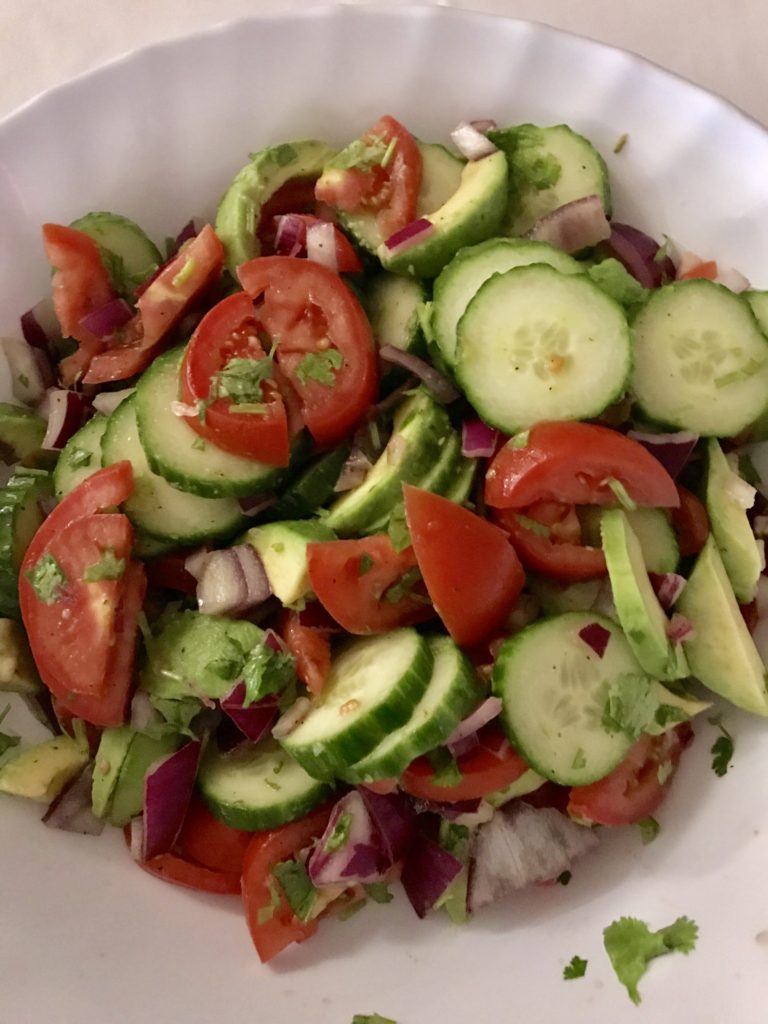
Keep cut vegetables on hand for mid-afternoon snacks, side dishes, or lunch box additions. Some ready-to-eat favorites include: red, green, or yellow peppers, broccoli or cauliflower florets, carrots, celery sticks, cucumbers, snap peas, or radishes.
Place fruit where it is easily accessible for everyone to grab for a snack-on-the-run. Keep a bowl of fresh fruit in the center of your kitchen or dining room table.
Make a habit of adding fruit to your breakfast. Add it to your oatmeal, ready-to-eat cereal, yogurt, or waffle.
Add grated, shredded, or chopped vegetables like zucchini, spinach, peppers, and carrots to lasagna, meat loaf, mashed potatoes, pasta sauce and rice dishes.
Eat fruit for dessert! Slice a banana lengthwise and top with a scoop of low-fat frozen yogurt, sprinkle with a tablespoon of chopped nuts.
Dip: Whole wheat pita wedges in hummus, baked tortilla chips in salsa, strawberries or apple slices in low-fat yogurt, or graham crackers in applesauce.
Our Doctor of Pharmacy, Deidra Van Gilder, PharmD covers the hot topic of supplements in our in our 12 week wellness program. She spoke on this at last night’s session so I thought it was fitting to cover on the blog too! Supplements are a hot topic and you may wonder what the professionals in the field recommend on this topic as there is a lot of information to be found on the internet.
The below information is from Deidra herself….hope it is helpful to you!
Fish oil contains two important components: DHA (docosahexaenoic acid) and EPA (eicosapentaenoic acid). Another substance called ALA (alpha-linolenic acid) may be as effective as DHA and EPA although it doesn’t have as much evidence for its use. ALA is the component of flaxseed that is thought to lower cholesterol. Fish oil is typically recommended for people with high triglyceride levels. Foods that contain Fish Oil: Anchovies, Catfish, Cod, Halibut, Herring, Mackerel, Tuna, Trout, Salmon, Sardines Uses: •There is strong evidence for the use of fish oil to lower triglycerides and increase HDL at doses of 2-4 grams daily. Be aware that it may increase LDL. •There is evidence to support the use of fish oil 1 gram daily for prevention of recurrent stroke or heart attack in patients with cardiovascular disease. •There is some evidence for the use of fish oil in rheumatoid arthritis to reduce morning stiffness and joint tenderness. It is the most beneficial when used with anti-inflammatory medications. Dose: 1 – 4 grams daily divided into twice daily dosing. The fish oil capsules may be stored in the freezer to decrease incidence of fishy burps and aftertaste. Adverse Effects: fishy aftertaste or fishy burps, heartburn, loose stools, nausea, upset stomach, alterations in glycemic control, increased risk of bleeding Drug Interactions: warfarin, aspirin, clopidogrel, oral contraceptives
Calcium is important for many functions of the body including bone and teeth health. Calcium is most commonly used for treatment and prevention of low calcium levels and osteoporosis. Foods that contain Calcium: milk, cheese, yogurt, dark green leafy vegetables, and calcium fortified foods or juices Recommended Dietary Allowance (RDA) for Calcium Men age 19-70 1000 mg/day Men age 71 & older 1200 mg/day Women age 19-50 1000 mg/day Women age 51 & older 1200 mg/day Dosing: Dosing for calcium supplementation is dependent on calcium intake from dietary sources. The preferred source of calcium is through the diet. The two most commonly used forms of calcium for supplementation are calcium carbonate and calcium citrate. Calcium carbonate (Tums) is well tolerated especially when taken with a meal. It is the calcium supplement of choice in patients with poor kidney function. Calcium citrate (Citracal) may be taken on an empty stomach, but should be avoided in people with poor kidney function. Calcium citrate is the recommended choice if elderly or people taking a PPI (proton pump inhibitor), antacid, or H2 blocker. The maximum amount of elemental calcium that the body can absorb at a time is about 500 mg. If doses higher than 500 mg are needed, separate the doses by 4 hours. Adverse Effects: constipation, bloating, stomach upset, gas, kidney stones Drug Interactions: PPI (omeprazole, esomeprazole), H2-blockers (famotidine, ranitidine), iron supplements, tetracycline antibiotics, quinolone antibiotics, bisphosphonates, phenytoin, and verapamil
Vitamin D helps the body maintain normal levels of calcium and phosphorus. Vitamin D is available in two forms, ergocalciferol (Vitamin D2) and cholecalciferol (Vitamin D3), both are considered equivalent. Vitamin D can be obtained from brief sun exposure, foods, and can also be found calcium supplements or multivitamins. Since vitamin D helps with calcium absorption, many supplemental products contain both calcium and vitamin D. Vitamin D is commonly used for treatment or prevention of vitamin D deficiency, osteoporosis, and preventing falls. There is also some evidence for the use of Vitamin D3 ointment for controlling skin cell growth in patients with psoriasis not responding to other therapies. Foods that contain Vitamin D: fish, eggs, fortified milk, cereals, salt water fish, cod liver oil Recommended Dietary Allowance (RDA) for Vitamin D Men & Women age 19-70 600 IU/day Men & Women age 71 & older 800 IU/day Dosing: Vitamin D supplemental dosing is dependent on current vitamin levels and intake. Dosing may range from 400 – 1,000 IU daily so it is important to talk to your physician about the proper dosage for you based on your vitamin D level. Adverse Effects: Generally well tolerated, nausea, high calcium levels, anemia Drug Interactions: atorvastatin, digoxin, thiazides, verapamil
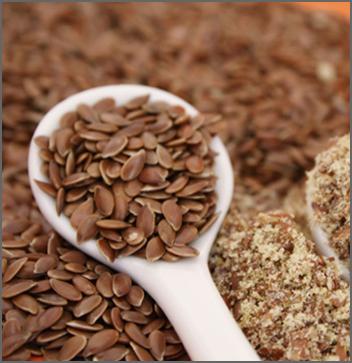
Flaxseed or flaxseed oil is a food product that contains ALA (alpha-linolenic acid). Flaxseed has a high content of fiber and may be used for constipation if taken with plenty of water. Flaxseed can reduce total cholesterol and LDL cholesterol, but has no effect on triglycerides. Dosing: 15-40 grams (~1 tablespoon 2-3 times daily) of freshly ground flaxseed or flaxseed oil daily for high cholesterol levels. Flaxseed may be prepared as ground, partially defatted, oil, or in bread and muffins. Ground flaxseed is typically recommended over the oil as it offers greater benefits than the oil. Freshly ground flaxseed should be kept in an airtight container and stored in the refrigerator up to three months. Adverse Effects: increased number of bowel movements, bloating, abdominal pain, diarrhea, constipation (if not taken with plenty of water), gas Drug Interactions: blood pressure lowering medications, medications used to treat diabetes, anticoagulant/antiplatelet medications (warfarin, aspirin, clopidogrel)
References: Natural Medicines, Food, Herbs & Supplements, Somerville, MA: Therapeutic Research Center; 11 May 2017. < http://naturaldatabase.therapeuticresearch.com/> National Institutes of Health Office of Dietary Supplements, National Institutes of Health. Dietary Supplement Fact Sheets. NIH; 2016. Flaxseed: is it as beneficial as fish oil? Pharmacist’s Letter/Prescriber’s Letter 2009; 25(7):250708.
If you have any other questions about supplements, vitamins, and minerals, don’t hesitate to contact us! -Kelsey
I have been back at it in the clinic. I save my walk for the end of the day as I don’t have enough energy to get it done before clinic starts. To think of all the exercise I was doing before, and now I am wiped out by walking 2 miles…and prior to a week ago, the maximum was 1 mile a day. I am able to do more each week. At least with the weather getting nicer these last few days, the walks outside along the Lake have been a great way to do some thinking…and time to appreciate the scenery a little more too. It really does allow you to think!
Sarah and Zeus have gone with me a few times this week, but the other times has been on my own. It is much easier to enjoy things when the sun is finally shining.
It is very easy to drift off with thoughts while looking out at the Lake, especially with a few clouds and the silhouettes it makes. Wow! If I had a chair right there I think I would have just sat down for awhile!
I got to do a few things outside and enjoy the great day we had on Saturday. I got to do some little things around the yard, and even got to sit on a mower for awhile. I don’t think I would have had much to do with the push mower yet. After awhile Zeus came in the house, but kept looking out the window at me…keeping an eye on me! He was not going to let me out of his sight!
He makes for a great guard dog! Nothing is gonna get past him. That includes when we are out walking too. He will protect us at all costs. Many times I have to warn people to stay back as they want to come up and pet him. That is not gonna happen! If he does not know them, they are not coming near us! 24/7 body guard protection!
The walks this week have been great, and have given me a chance to look out and just think…think about life in general, and how things have changed this last month. Thinking about the future, and what life’s challenges hold in store for not only me, but my family. Somebody I grew up with as a kid, and have been neighbors to us, and continue to be neighbors with my mom in SF, for the last 49 years, passed away earlier this week. He was only one year younger than me. We don’t know what all happened yet, and may not know later either. All is know is I got another chance, but he didn’t. Each day really is a gift. It has also given me time to focus less on what has all happened this last month, and more on the privileges I have had, and do have. Take nothing for granted. Things can change quickly. The circumstances may be different, but changes will come.
Take some time to sit down, and to appreciate the good things in your life. Time to reflect on each day, and what unique things occurred that day to make you appreciate those little things even more.
We all have the same amount of time in a day. We just need to learn to maximize the time as much as we can. Appreciate each day as a gift. Not all of us get to experience those things, or the same things that makes each of our lives unique. Strive to Survive! Enjoy the ride, and hope it lasts for awhile! Keep moving everybody!
Dr. Dan
Consecutive Exercise Streak (new streak!) Day #: 35
May is beef month so I thought it’d be fitting to talk about this powerhouse lean protein! Did you know that beef is 20% leaner than it was about 15 years ago? There are at least 29 cuts of lean beef which means they meet the government guidelines for lean, meaning each cut has less than 10g of total fat, less than 4.5 g of saturated fat, and less than 95mg of cholesterol (in a 3 oz serving). Lean beef is also a great source of multiple vitamins and minerals such as vitamin B12, selenium, zinc, niacin, vitamin B6, phosphorus, iron, and choline.
Here are some tips for you to make beef a part of your heart healthy meals:
• Look for key words such as “round” or “loin” …these are typically leaner cuts
• Choose 90% or greater lean beef. This means in a 3oz serving there is less than 5g of fat in it.
• Use healthy cooking methods such as grilling, broiling, baking, roasting, or braising. The less tender cuts can be marinated in a tenderizing marinade such as salsa or light Italian dressing.
• Trim the fat! Trimming the fat before cooking will help eliminate some of the fat from the cut.
• Cook with fresh ingredients such as lemon juice, peppers, onions, garlic, and herbs instead of adding extra fat to the cut.
• Practice portion control. Select the 3-5 oz serving over the 10oz. Balance is key to a healthy diet, so be sure to include your fruits and veggies and whole grains along with your lean meat to create a healthy plate.
All meat is required to have the nutrition content (label) posted by it in the grocery store. Be sure to use this when you’re selecting your cuts of meat and pay special attention to the total fat and saturated fat content. If you want to learn more about the benefits of beef and explore healthy recipes check out these websites: www.beefnutrition.org and www.beefitswhatsfordinner.com.
We all know we are supposed to eat fruits and veggies…and more of them, but the actually doing it part we struggle with. Today’s post gives you some ideas on ways to get your 5 servings a day of fruits and veggies. Remember one serving is equal to 1 cup raw or 1/2 cup cooked. Fruits and veggies are loaded with vitamins and minerals and aid in disease prevention. Including more fruits and veggies in your diet doesn’t have to be a challenging task! Here are some suggestions to help you boost your intake.
1. Variety abounds when using vegetables as pizza topping. Try broccoli, spinach, green peppers, tomatoes, mushrooms and zucchini.
2. Mix up a breakfast smoothie made with low-fat milk, frozen strawberries and a banana.
3. Make a veggie wrap with roasted vegetables and low-fat cheese rolled in a whole-wheat tortilla.
4. Try crunchy vegetables instead of chips with your favorite low-fat salad dressing for dipping.
5. Grill colorful vegetable kabobs packed with tomatoes, green and red peppers, mushrooms and onions.
6. Add color to salads with baby carrots, grape tomatoes, spinach leaves or mandarin oranges.*
7. Keep cut vegetables handy for mid-afternoon snacks, side dishes, lunch box additions or a quick nibble while waiting for dinner. Ready-to-eat favorites: red, green or yellow peppers, broccoli or cauliflower florets, carrots, celery sticks, cucumbers, snap peas or whole radishes.
8. Place colorful fruit where everyone can easily grab something for a snack-on-the-run. Keep a bowl of fresh, just ripe whole fruit in the center of your kitchen or dining table.
9. Get saucy with fruit. Puree apples, berries, peaches or pears in a blender for a thick, sweet sauce on grilled or broiled seafood or poultry, or on pancakes, French toast or waffles.
10. Stuff an omelet with vegetables. Turn any omelet into a hearty meal with broccoli, squash, carrots, peppers, tomatoes or onions with low-fat sharp cheddar cheese.
11. “Sandwich” in fruits and vegetables. Add pizzazz to sandwiches with sliced pineapple, apple, peppers, cucumber and tomato as fillings.
12. Wake up to fruit. Make a habit of adding fruit to your morning oatmeal, ready-to-eat cereal, yogurt or toaster waffle.
13. Top a baked potato with beans and salsa or broccoli and low-fat cheese.
14. Microwave a cup of vegetable soup as a snack or with a sandwich for lunch.
15. Add grated, shredded or chopped vegetables such as zucchini, spinach and carrots to lasagna, meat loaf, mashed potatoes, pasta sauce and rice dishes.
16. Make fruit your dessert: Slice a banana lengthwise and top with a scoop of low-fat frozen yogurt. Sprinkle with a tablespoon of chopped nuts.
17. Stock your freezer with frozen vegetables to steam or stir-fry for a quick side dish.
18. Make your main dish a salad of dark, leafy greens and other colorful vegetables. Add chickpeas or edamame (fresh soybeans). Top with low-fat dressing.*
19. Fruit on the grill: Make kabobs with pineapple, peaches and banana. Grill on low heat until fruit is hot and slightly golden.
20. Dip: Whole wheat pita wedges in hummus, baked tortilla chips in salsa, strawberries or apple slices in low-fat yogurt, or graham crackers in applesauce.
Source: Academy of Nutrition and Dietetics: www.eatright.org. http://www.eatright.org/nnm/handoutsandtipsheets/#.UyHnjs47Bw0 -Kelsey
This past month has given me even more time to reflect back on my life, and the things I am thankful for. But, it also was also an answer to a question: “What is my Why?” What is it in life that I want to do, and try to achieve, as well as what is important to me? Why was I exercising every day? I have answered this last question many times in my blog. I was exercising every day as an attempt to help me be around longer, and spend more time with my family. But, as I found out, that is not always under my control. But, I will control what I can!
I definitely want to be spending more time with my family. We have lots of things to accomplish yet, and places to see, and things to do. Running was always a big part of this as well, as we would go to different races and fun as a family. That will still happen. I just need a little time to recuperate first.
It was a little over a year ago where we went to Disney and I did the Dopey challenge…4 days, 4 races, starting with day one a 5k, then a 10k, then a half marathon, and the 4th day the full marathon! Those days of adventure are not over yet, but may be delayed a little. I would love to have more of these times with my family, and Nick will be graduating next month, so we would not have to worry about school interfering with things. He could not go with us this last time.
With our Watertown Area Run Club, I have many more family members to be running races with. Here, last October, Paula, Jill, Amanda, Sarah and I went to Denver to do the Rock n Roll Half Marathon. Tom met us out there but could not run with us because he was dealing with an injury. But his daughter and son-in-law ran it. It was so much fun! Hopefully, there will be more adventures like this again!
Of course, Tom and I have had so many adventures over the years, both with races, and with training runs. Those days are not over yet!
Our WARC run group have become some of the closest friends we have. And, we all love to run. I will be back, hopefully in the next few weeks starting to at least get a few miles at a time!
Getting back to running with be a celebration to me! I don’t care about what finish line I cross at that time. I just want to get back out and run…that truly will be something for me to celebrate! These are some of the reasons I keep exercising. These are my reasons why I do this. Now, you just have to figure out what your why is. Keep trying. Make a list. Push yourself beyond what you thought you were ever capable of. Find out who you really are. You may just find out something new about yourself you did not know you had. What is your why?