by kelsey | Jan 10, 2013 | Diet, Food, Weight Management, Wellness/Health
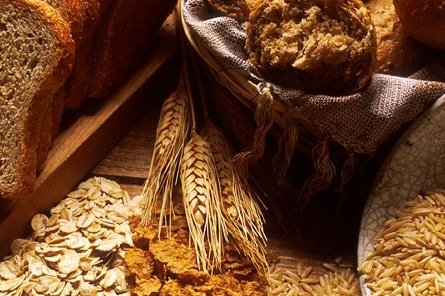
The gluten free diet is a medically necessitated diet…for some people. It is also the newest diet trend sweeping the nation.
So what is gluten? Gluten is protein found in wheat, rye and barley. For some individuals, consuming gluten in any form causes an immune response that damages the small intestine. This damage is a big deal. The lining of the small intestine contains million of tiny, fingerlike projections called villi. Villi function to absorb nutrients from the food we eat. In people with celiac, consuming gluten destroys the villi and limits the body’s ability to absorb nutrients.
Currently, it is estimated that celiac disease affects approximately 1% of the U.S. population. This is about1 in every 133 people and this number may be on the rise. The only treatment for celiac disease is strict adherence to a gluten free diet. And gluten seems to be in everything: pasta, pizza, breads, gravies, sauces, soups and more. Grains to avoid and grains that are safe for the gluten free diet are listed below:
|
Grains to Avoid
|
Safe Grains/Grain Alternatives
|
|
Wheat
(includes spelt, kamut, semolina, triticale)
|
AmaranthBuckwheat
Corn |
Bean/Legumes(chickpeas, lentils, peanuts, soy, kidney, navy etc. |
|
Rye
Barley
(including malt)
|
MilletQuinoa
Rice |
Nuts(almonds, walnuts, chestnuts et) |
|
SorghumTeff
Oats* |
Tubers(Arrowroot, potato, tapioca et. |
*There is currently some controversy surround the safety of oats in the gluten free diet. Rolled oats are subject to significant cross-contamination during processing. Steel-cut oats are currently acceptable; however proteins in oats called avenins are currently being studied for potential reactivity in gluten free patients. At this time, oats are allowed in the gluten free diet based on individual tolerance
Following the gluten free diet has gotten much easier in the past few years. Gluten free products are becoming more mainstream. They are more available in regular grocery stores and more companies are beginning to manufacture gluten free products or at least label that their products are gluten free. The quality of gluten free products is improving as well. But there are still nutritional challenges with the diet. Gluten free products are typically not enriched or fortified with iron, folate, B vitamin, niacin, riboflavin or thiamin like normal grain products. Gluten free products typically contain much less fiber as well, since white rice flour is often a main ingredient. Finally, to compensate for poor flavor or texture, gluten free products often have more sugar or fat added to them, which can lead to weight gain.
The moral of this story is that unless you have been diagnosed with celiac disease by a licensed, medical practitioner there is absolutely ZERO reason for you to follow a gluten free diet. In fact, it can be harmful to your health if you don’t plan properly due to a lack of several nutrients. Any major diet change, be it gluten-free, vegan – whatever—should be discussed in with your medical provider and registered dietitian to make sure you are getting the calories and nutrient that you need.
Please note: There are very specific tests and procedures used to diagnose celiac disease. It is not recommended to begin following a gluten free diet until these have been completed. Please contact your medical provider for more information.
Fasano, A., Berti, I., Gerarduzzi, T., Not, T., Colletti, R., Drago, S., & … Horvath, K. (2003). Prevalence of celiac disease in at-risk and not-at-risk groups in the United States: a large multicenter study. Archives of Internal Medicine, 163(3), 286-292.
Fric, P., Gabrovska, D., & Nevoral, J. (2011). Celiac disease, gluten-free diet, and oats. Nutrition Reviews, 69(2), 107-115. doi:10.1111/j.1753-4887.2010.00368.x
Green, P., & Cellier, C. (2007). Medical progress: celiac disease. New England Journal Of Medicine, 357(17), 1731-1743
-Submitted by Chelsea Rambo, MS – USD Dietetic Intern
by kelsey | Jan 9, 2013 | Diet, Weight Management, Wellness/Health
Ready-to-drink shakes and giant tubs of protein powder seem to be dominating the supplement market these days. But should you be using these products? The purpose of this post is to review some of the pros and cons of these supplements, so that you can make an informed decision about whether or not they are right for you.
First, let’s talk about protein’s role in health. Protein is essential for a number of functions in the body, including building and repairing muscles and other tissues. Protein is typically not used as energy sources during exercise and physical activity. Carbohydrates and fat are our main sources of energy. Protein is found in both plant and animal foods. Sources of protein include meats, dairy products like milk and yogurt, whole grain products, nuts, and beans and legumes. All sources of protein are not created equally. Animal sources of protein are considered high-quality or complete proteins because they contain all the essential amino acids (the building blocks of protein). Plant-based proteins are typically missing one or two amino acids and need to be mixed (think beans and rice) in order to get a complete source of protein.
The average individual needs 0.8 grams of protein per kilogram. To figure out your needs, divide your weight in pounds by 2.2 to get your weight in kilograms. Then multiply by 0.8.
Example: 160 pounds/ 2.2 = 72.7 kilogram x 0.8 gram = approximately 59 grams of protein needed.
To but this in perspective, a 3 oz. chicken breast has about 20 grams of protein. This is also the average amount of protein in a scoop of protein powder. According to the Academy of Nutrition and Dietetics, if you are eating a variety of foods with enough calories to maintain your weight and keep your energy up during workouts, protein supplements aren’t necessary. It is entirely possible to get the protein you need through your diet. If you are looking to build muscle, you don’t need to pile on the protein, either. You may need to increase your protein intake slightly. It is recommended that strength athletes eat 1.2 -1.7 grams of protein per kilogram. Most of us aren’t training for World’s Strongest Man or Woman so our needs are not this high. It is important to realize that just eating more protein alone won’t help you put on muscle; you have eat enough calories as well. Extreme high protein intake can be harmful to your liver, kidneys, and heart, so it’s very important to discuss your needs and intake with your physician or dietitian.
|
Pros
|
Cons
|
| Provide high quality, easily digested protein |
Expensive ($30-$100 or more!) |
| The ready-made –shakes can be an appropriate meal replacement or snack if you’re short on time and if they provide other necessary nutrients |
Typically contain the same amount of protein as regular food sources. |
| May be a good idea for vegetarians or vegans, who can have trouble getting enough high-quality protein from plant-based sources. |
Do not always contain the nutrients found in food, so you may be missing out on other important nutrients. |
| |
Flavor (now this is a personal factor but what if you spend $40 and you hate the way it tastes? |
References
American Dietetic Association. (2009). Position of the American Dietetic Association, Dietitians of Canada and the American College of Sports Medicine: Nutrition and athletic performance. Journal of the American Dietetic Association, 109(3), 509-527.
Academy of Nutrition and Dietetics (2012). Do I need protein drinks if I am working out? Nutrition Q and A.
-Written by Chelsea Rambo, MS–USD Dietetic Intern
by kelsey | Jan 9, 2013 | Cooking Tips, Diet, Food, Weight Management
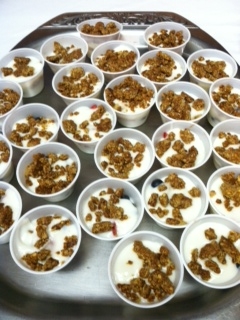
County Fair Foods treated us to some delicious treats last night at our STRIVE 2 Survive kick-off! My personal favorite was the Berry Parfait. They’re super easy to make and loaded with great nutrients. This treat is a good breakfast or a snack….be sure to give it a try!
Berry Parfait
3/4 c sliced strawberries
3/4 c blueberries
1 6 oz tub fat free vanilla yogurt
1 tbsp wheat germ
1/2 banana sliced
1/3 c granola
Layer all of the ingredients in a bowl or cup using about 1/3 of each until you have used all of your ingredients. Enjoy!
-Kelsey
by kelsey | Dec 19, 2012 | Cooking Tips, Diet, Weight Management

Christmas is just 5 days away! Many of you are working very hard to get ready for your family and friend holiday functions….which usually involves baking! We all know baked goods are not the best for us due to their higher levels of fat and sugar but they are included in our holiday traditions, making them hard to pass up! The following are a few ways to lighten your recipes so you can still enjoy a sweet treat…just without all of the extra calories, fat, and sugar.
Butter, shortening, margarine, or solid fat: Use 1/4 less liquid oil or solid fat called for in the recipe–so if the recipe calls for 1 cup, you could use 3/4 c. If the recipe uses shortening, use 3 Tbsp oil. Use equal amounts of oil for melted shortening, margarine, or butter. You can also replace 1 c of fat with 1/2 c. prune puree or 1 c of fat with 1 c unsweetened applesauce. Oil in place of a solid fat is also a healthier substitution. If you use any of these, you will want to monitor your baking time as it may need to be reduced by 25%.
Whole milk, half and half, or evaporated milk: Use skim milk, 1% milk, evaporated skim milk, fat free half and half, or plain soy milk with calcium
Cream Cheese: use nonfat or reduced fat.
Sour cream or mayo: use nonfat or reduced fat…or use nonfat Greek yogurt and get a little extra protein and calcium.
Cream or whipping cream: use evaporated skim milk or non fat whipped topping or cream.
Eggs: use 2 whites in place of 1 egg or 1/4 egg substitute.
Sugar: Reduce sugar by 1/4 to 1/3- if recipe calls for 1 c, use 2/3 c. You can also use sugar substitutes such as Splenda and use the equivalent chart on the back of the bag. Baking time may be shorter, so be sure to watch it closely!
If you choose not to lighten your recipes, practicing portion control is another great tool to use. Allow yourself to enjoy your favorite holiday treats, but in moderation and be sure to get your exercise in!
-Kelsey
by kelsey | Oct 30, 2012 | Diet, Eating Out, Food, Weight Management
One of my favorite activities we do in our STRIVE lectures is the label reading activity with nutrition information from restaurants. I find it’s hard to make a good choice if we don’t know what good choices are at those particular restaurants…thus taking the time to read and research the options will ensure a healthy choice is made. You can find the nutrition information online for most chain restaurants and alot of them are posting the calories right next to the choices as a result of new labeling laws. I also like using the Calorie King app on my phone to help me make good choices.
If you do not have the option to look at the nutrition facts, here are some tips to help you make healthy and smart choices when eating out:
- Watch your portions: choose a half portion, share your meal, or pack half or 2/3 of your meal to go before you start eating.
- Add to your meal: add more veggies and lean meats if you have the option.
- Eat consistently: eat balanced throughout the day, even though you know you’re going out to eat later. Skipping meals and snacks to save up calories for your night out, will only result in you over-eating and making poor choices because you are so hungry! Have a snack an hour or two before you go to stave off hunger.
- Read wisely: choose dishes that are grilled, broiled, steamed, baked, or roasted. Stay away from dishes that are fried, breaded, crispy, crunchy, or creamy as they typically have more calories, fat, and sodium.
- Ask for help: it’s ok to ask for substitutions or ways to make your meal healthier.
Eating out it part of our social life, so it’s important to be mindful and smart about your choices to ensure you stay on track with your goals!
-Kelsey
by kelsey | Oct 25, 2012 | Diet, Holidays, Weight Management
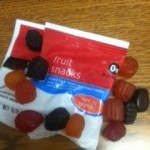
It’s that time of year again. Not only are the aisles of Wal-Mart strewn with witch hats, zombie make-up and fairy wings, but of course there is the looming aisle of Halloween candy. It can be easy to over indulge on treats this time of year. Most of the candy passed out to trick-or-treaters comes in “fun size” or “mini” portions. However, looks can be deceiving; people often believe that since they are smaller in size, more can be consumed. Calories from Halloween candy can quickly add up. For example; 3 mini snickers bars pack 300 calories. To burn off that many calories you would have to walk at a brisk pace for 1.5 hours or run for 40 minutes.
Fortunately the 31st of October doesn’t have to mean automatic weight gain. Try waiting until the day before to buy treats to pass out. You will be less likely to feel the need to nibble if you don’t buy it a month ahead of time. Keeping it out of site, such as up in a closet you rarely use, can help you forget that it’s even in the house. The biggest challenge with Halloween candy is the leftovers. After the trick-or-treaters have come and gone we are often left with the reality that we stocked up for 400 doorbell ringers, and only got 15. Buying candy that you don’t like is an easy way to keep you from eating it both before and after the holiday.
Halloween Treats to Try
Sugar-free gum
Boxes of raisins
Animal crackers
Pretzels
Trail mix
Fruit snacks
Lollipops
Non-Candy choices: stickers, small toys, erasers, etc.
Halloween Tricks to Avoid
Candy bars
Caramels
Fudge
Skittles
M&M’s
-Kelsey
