by kelsey | Mar 17, 2015 | Cooking Tips, Diet, Food, Heart Health, Weight Management, Wellness/Health
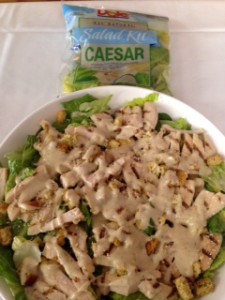
We had a great kickoff of our spring session of STRIVE 2 Survive last week! It’s always fun to start working with another great group of people all wanting to work on improving their health and wellness. I have said it before and will say it again…one of my favorite parts about the lectures is the great and healthy snacks County Fair Foods provides for us! These recipes are a must try!! The above picture is of Chicken Ceasar Salad. A great way to get your veggies and lean proteins all in one! Just be sure to watch the dressing! 😉
Crisp Cucumber Salsa

1/4 c is only 16 calories!! 🙂
Ingredients:
2 c finely chopped, seeded, peeled cucumbers
1/4 c chopped red onion
1 jalepeno pepper, seeded and chopped
1 garlic clove, minced or pressed
1 1/2 tsp lemon juice
1/4 tsp ground cumin
1/2 c finely chopped and seeded tomato
2 Tbsp minced fresh parsley
4 1/2 tsp minced fresh cilantro
1/4 c low fat Greek yogurt
1 1/2 tsp lime juice
1/4 tsp seasoned salt
Baked or whole grain tortilla chips
Directions: In a small bowl, combine first seven ingredients. In another bowl, combine the yogurt, lemon juice, lime juice, cumin, and seasoned salt. Pour over cucumber mixture and toss gently to coat. Serve immediately with chips.
Oatmeal Cookie
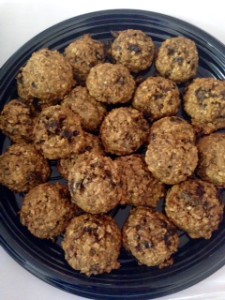
Ingredients:
2 Tbsp water
1 Tbsp ground flaxseed
1 c pitted dried plums, chopped
1 c chopped dates
1/2 c raisins
1/3 c butter, softened
1 egg
2 tsp vanilla
1/2 c unsweetened applesauce
1/4 c maple syrup
1 Tbsp grated orange peel
3 c quick oatmeal
1 c flour
1/2 c whole wheat flour
1 tsp baking soda
1 tsp ground cinnamon
1/2 tsp salt
1/4 tsp ground nutmeg
1/4 tsp ground cloves
Directions: In a small bowl combine water and flaxseed. In a large bowl combine the plums, dates, and raisins, cover with boiling water and let stand for 10 minutes. In another large bowl, cream butter and brown sugar until light and fluffy. Beat in egg, vanilla, applesauce, maple syrup, and orange peel. Combine all other dry ingredients together and gradually add to creamed mixture and mix well. Drain plum mixture. Stir in plum mixture and flaxseed into dough. Drop by tsps onto lightly greased cookie sheet and bake for 8-10 minutes at 350 degrees F.
All ingredients can be found at County Fair Foods! Enjoy!!
-Kelsey
by kelsey | Feb 26, 2015 | Cooking Tips, Diet, Food, Weight Management

Fish is not the most popular protein in our area since we are a land locked, northern state. Our mid-western diet typically includes proteins from beef, chicken, and pork…and fish often gets overlooked. During the Lenten season, it’s a good time to try out some new varieties and types of fish as they are better stocked and often times are better priced (ie- salmon, mahi-mahi, talapia, etc). The frozen bags of fish often have the filets in individual servings or two servings in a wrap so you can just take out as much as you need and then put the rest of the bag back in the freezer. Fish is a very lean and low fat protein so if you are watching your weight, it’s a good choice. Another benefit of some types of fish is the omega 3 fatty acids. Fatty fish such as herring, trout, tuna, mackerel, seabass, and salmon have these good fats. Our fresh water fish from around here such as walleye, northern, and perch, do not have these fats, however they are still lean proteins. It is recommended to incorporate two servings of fish into your weekly intake, so get into the habit of this during Lent and it could stick!
When we eat fish, we often think of it as breaded and fried, however that is not the healthiest choice. Instead of frying try these cooking methods:
- Grill: Season the fish with herbs and spices and a little lemon juice (from real lemons!). Lightly brush the fish with a little olive or canola oil so it won’t stick to the grill and cook for 10-20 minutes. The picture shows one of my favorites: grilled shrimp.
- Saute: You can saute any type of skinless fish. Again, season as desired and then heat a little olive or canola oil in the skillet on medium-high. Cook the fish for 2-3 minutes on both side.
- Poach: Place the fish in a saucepan or deep skillet and add enough stock, water, or wine to barely cover the fish. Add your seasonings, herbs, or spices and bring the liquid to a simmer on medium heat. Simmer for 10 minutes or until the center is opaque. Then you can dress it up with a sauce if desired.
- Bake: lightly coat a baking sheet with cooking spray and arrange the seasoned fish fillets on the sheet with seasoning. Bake for 7-10 minutes…you do not need to flip the fish. You can also put the fish filet in tin foil so the seasonings and herbs really flavor the fish.
- Broil: season the fish filet and brush with olive oil. Place on a broiler pan rack and broil 4-6 minutes on each side.
- If you choose to fry, try making it a little healthier by using an egg white to coat your filet, use canola oil to fry in, and instead of the white flour coating, try whole grain cracker or bread crumbs.
- When your fish is opaque and flakes easily, your fish is fully cooked.
Give it a try…you may be surprised how much you like it!
-Kelsey
by kelsey | Feb 5, 2015 | Cooking Tips, Diet, Food, Heart Health, Weight Management, Wellness/Health

In celebration of National Heart Month, I think it’s fitting to discuss the significance diet and activity play in promoting a healthy heart. Heart disease is the number one killer of Americans and affects both men and women. Genetics do play a role, however a heart healthy diet and and regular activity can help minimize the effects and complications of heart disease. Whether you have heart disease in your family or not, it’s still good to follow a heart healthy eating plan. Highlights of the diet include:
- Lots of fruits and veggies! I’m sure you already knew this one, but the benefits of getting your 5 a day servings of fruits and veggies are worth reminding you again. Most of us know this, the hard part is doing it. Try adding them to your meals, have fruit as a snack, get a double serving to help you reach this goal.
- Fiber! Fiber is very beneficial in combating heart disease. Incorporating more whole grains (and fruits, veggies, and beans/lentils) into your diet will increase your fiber and aid in heart health. Oatmeal, brown rice, wild rice, whole grain noodles, whole grain breads, and even popcorn are considered whole grains. Aim to get at least 25-35 g/day.
- Choose lean proteins. Decreasing the amount of saturated fat in your diet will help reduce plaque buildup. Choose white meat poultry without the skin, 90% or greater lean hamburger, fish, beans, etc….stay away from processed meats! Fatty fish such as salmon, tuna, herring, and trout offer additional benefits as they are loaded with healthy omega 3 fatty acids.
- Choose healthy fats. Incorporating more plant fats such as canola oil and olive oil into your diet and reducing your intake of saturated and trans fats has been shown to improve heart health. You want to choose foods that are lower than 5-8g of total fat per serving and <3g saturated and trans fat per serving. Choosing low fat dairy products will help reduce the amount of saturated fat in your diet as well.
- Hold the salt! Excess sodium can increase blood pressure and cause heart failure. Aim to keep your sodium intake below 2400mg/day. You can do this by doing more home cooking, avoiding boxed or packaged goods, cooking with salt free seasonings, and not using table salt.
- Exercise! At least 30 minutes of exercise a day has been shown to improve heart health. If you can do more, the better!
Making small changes or substitutions will help you have a healthier heart and reduce risk for disease. Reading labels is really essential to help you make good choices, so take some time in the grocery store and really examine the products to ensure you’re making healthy choices!
-Kelsey
by kelsey | Dec 30, 2014 | Diet, Food, Goals, Motivation, Weight Management, Wellness/Health

New Year’s is almost here and with it comes the inevitable resolutions. We confidently vow to shed pounds and inches to change our lives for the better but these resolutions tend to fail. We often set lofty goals like “ I will lose 15 pounds” which is a valid goal but could take up to a year to properly reach it. We tend to eat too little and exercise to vigorously during the first couple of days just to give up in frustration and hunger. I am not a big fan of resolutions, because they typically aren’t followed long term, I am however a big fan of lifestyle changes!
Here are some tips and guidelines to assist you in achieving and maintaining a healthy weight loss and lifestyle change:
¨ Set realistic, short-term goals such as “I will lose 1 pound/week.” After success with the first reasonable goal, the next goals will seem attainable.
¨ Do not keep junk food at the house. If unhealthy choices are in sight, you might be tempted to reach for them. Remember, out of sight, out of mind!
¨ Eat a serving of protein and whole grains to feel full longer which could curb hunger cues.
¨ Eat the majority of food during the earlier parts of your day. This can help end that bad habit of late night snacking.
¨ Pay attention to feelings like boredom, loneliness, stress, and fatigue, which can cause mindless eating. Only eat when you are actually hungry and think of food as fuel.
¨ Use smaller plates, bowls, etc. to help keep portions under control. This could help trick the mind into thinking you are eating a large portion.
¨ Eat slowly and away from distraction, if possible. This will allow you to pay attention to any cues of becoming full. Remember it takes 20 minutes for you to feel full.
¨ Try to get more active each day. By aiming to increase your exercise level by 10 minutes each day, you can build up strength and stamina gradually, which could help you from not quitting exercising in frustration.
These guidelines can help end the New Year’s resolution failures and hopefully create healthy, lifelong habits.
-Kelsey
by kelsey | Dec 18, 2014 | Cooking Tips, Diet, Food, Wellness/Health

With Christmas a week away, I thought we’d better discuss proper food safety practices. My mom likes to call me the “food police” because I’m always asking her about her cooking and food holding practices, checking out the fridge, and making sure the hot food stays hot and cold foods stay cold. I know it may seem a little OCD on my part, but the reality is, the holidays usually involve all day eating or grazing for several hours and if someone isn’t watching the temps or being mindful of the proper food safety practices, bacteria can develop in your food and food borne illness would put a major damper on your celebrations! Below are some tips to help you practice proper food safety so that you and your family can enjoy the festivities and stay healthy!
Wash: wash your hands in warm, soapy water for at least 20 seconds before, during, and after food preparation. Anyone who is helping with the food prep, should practice this! Keep your kitchen surfaces and cutting boards clean and sanitized (use one cutting board for meats and another for the ready to eat foods such as veggies). Be sure to use separate serving utensils for cooking and serving as well.
Thaw Properly: the best way to thaw is in the fridge, so be sure to put the big turkey or roast in the fridge several days before you plan to cook it to allow for ample time to unthaw. Be sure to place the meat in the bottom shelf of the fridge so the juices don’t drip on other foods. You can unthaw/defrost in the microwave, but if you do this, it needs to be cooked immediately. Another option is to fill the sink with cold tap water and place the wrapped meat in the water. If you choose this method of unthawing, be sure to change the water every 30 minutes.
Check your Temps: the only way to determine if the meat is at the proper temperature is to use a meat thermometer. Color, smell, appearence, etc are not reliable measures to make sure your meat is done properly. Whole turkeys should be cooked to 165°F, roasts should be cooked to 160°F, hams and pork roasts should be cooked to 145°F. When using a thermometer, stick it in the thickest part of meat and make sure it’s not touching the pan, bones, or fat.
Practice Proper Holding: after two hours of having food out, bacteria can rapidly multiply on perishable items. If you want your food to stay out for longer than that, you may consider using a crock pot or keeping the hot food in the oven to keep it hot and using ice packs or keeping the cold foods in the fridge. The basics is that we want to keep “cold food cold, and hot food hot” to prevent bacteria from growing. Be sure to check the temps before eating if you have been holding the food for hours.
Leftovers: reheat your leftovers to 165°F and bring gravy to a steady boil on the stove before serving it again. Refridgerated cooked turkey should be using with in 3-4 days and stuffing within 1-2 days. Casseroles and cooked veggies should be used with in 3-4 days. When in doubt, throw it out! Yes, this is hard to do, but the longer it sits, the more risky it is!
Most of all, just be mindful and use your common sense when preparing and handling foods and be sure to cherish what the holidays really are about!
-Kelsey
by kelsey | Dec 17, 2014 | Cooking Tips, Diet, Wellness/Health, Winter

We discuss eating strategies for your weight, heart, etc, but we also have to eat right to keep our skin healthy and glowing! The winter months make it hard on our skin as the air is dry and cold! The beauty industry has a variety of products to help promote healthy and glowing skin, however diet is also an important factor. Research on the best foods for healthy skin is limited, but what we do know is that antioxidant rich foods are effective in promoting healthy and glowing skin. Antioxidants are substances that protect our cells against free radical damage. Free radicals are molecules made when our body breaks down food or by environmental exposures such as tobacco use or radiation. They damage the cells and may play a role in diseases such as heart disease and cancer. A colorful diet is most effective for skin health and each color offers specific vitamins and minerals such as: beta-carotene, lutein, lycopene, vitamin A, vitamin C, and vitamin E. A diet rich in the following foods will help you get beautiful and healthy skin you’re wanting!
- Red, Orange, & Yellow Produce: carrots, tomatoes, red and yellow peppers, apricots, etc
- Green Leafy Vegetables: spinach, romaine lettuce, broccoli, etc
- Blue & Purple Produce: blueberries, raspberries, eggplant, etc
- Lean Proteins: beans, lentils, nuts
- Fatty Fish: salmon, mackerel, sea bass
It’s also important to be mindful of foods that can cause greasy and oily skin such as high sugar and high fat foods: pastries, cookies, fried foods, etc. These foods should be avoided or limited and instead focus on a balanced diet rich in fruits, vegetables, lean proteins, low fat dairy, and whole grains. In addition to diet, eliminating tobacco abuse and using sunscreen are effective in promoting healthy skin. These recommendations are not only going to benefit your skin, but also your overall health. Color and variety in your diet will help you look stunning always!
-Kelsey
