by kelsey | Jul 22, 2015 | Diet, Weight Management, Wellness/Health

There are no doubts about it….weight loss is tough….but even tougher is maintaining that weight loss. Many people who lose weight slip back into their old ways and gain weight back. This yo-yo dieting or weight cycling results in a variety of issues including poor self esteem, lack of motivation, binge eating, etc. I like to compare this cycle to being stuck in a revolving door like you’d find at a hotel…you just keep going around and around and can’t seem to get out! To help you put a stop to weight cycling, follow these tips:
- Change your mindset: No one ever wants to go on a “diet” and being a diet is never any fun, so ditch the word. Diet usually has a time period to it, so instead think of this has a lifestyle improvement. Think of healthy eating as a lifelong commitment, not a short period of time. Fad diets never work as you can’t live that way forever, so instead focus on a well-balanced nutrition plan that incorporates whole foods and portion control.
- Get adequate sleep: sleep is often overlooked in the equation to success as we tend to put a large amount of focus on food and activity….but in reality, getting adequate sleep is just as important as your exercise and nutrition. You need to get at least 7-8 hours of sleep/night to allow your body to reset and repair itself. Lack of sleep or poor sleep habits typically result in poor eating habits, increasing cravings for junk foods, and a higher BMI.
- Destress: stress can cause an increase in the hormone cortisol and when this hormone is increased, you may experience a greater desire for junk foods or unhealthy foods. Examine your stress levels and think critically about ways you could improve the stress in your life. You may consider journaling, yoga, or meditation to help you. Engaging in regular activity also helps reduce stress as it gives your body natural endorphins that aid in mood boosting.
- Practice mindful eating: Slow the eating process down and think critically about your hunger and fullness factors. Think of food as fuel and you want to choose healthy foods to provide your body with the appropriate nutrients and energy. When we think of food as “good” or “bad” it tends to make us want those bad foods even more, so instead change your mindset about food and work on portion control and feeling confident about your decisions.
I don’t expect these tips to happen overnight, but I do encourage you to examine your life and look at each part of the equation to help you stop the weight cycling and get on a path of healthy living for the long run!
-Kelsey
by kelsey | Jul 21, 2015 | Diabetes, Diet, Eating Out, Food, Weight Management, Wellness/Health

Everyone is busy and on the run with life happenings so eating out tends to be a part of our lives. I have found this happens even more in the summer with summer vacations and activities. We all know that eating out is not the best for us as we don’t have control over how the meal is prepared, ingredients, and portions like we do at home. Despite this, we all still eat out and most of us enjoy it as it means we don’t have to do the preparing, cooking, and cleaning up afterwards…and it’s typically a social activity as well! Restaurants are taking notice of our nation’s desire to improve our health and wellness and there are more healthier options on the menus today, but there are still some very unhealthy ones as well. Below are some tips to help you eat out the healthy way:
- Go for a smaller portion of the meal such as half of the meal, lunch portion, or appetizer size portion.
- Look for key words such as baked, broiled, grilled, or roasted. Stay away from descriptive words such as crispy, creamy, crunchy, and crispy as those typically mean fried and more fat added.
- Substitute the fries for a salad (dressing on the side and use sparingly) or if available a second serving of cooked veggies or fruit.
- Get a to-go box right away before you start eating and package half of your meal in the box and eat at another meal at home. If it’s on your plate, you’ll be more apt to eat it, so put it away right away so you aren’t tempted and you are more apt to practice proper portion control.
- Share! It’s ok to share an entree with you friend, spouse, etc to help you practice better portion control.
- Look at the options ahead of time online or using your smart phone. Many restaurants have their nutrition information included in their websites or you can use the Calorie King app to explore the options and make a healthy choice when dining out.
- If eating out is a rare occurrence, it is ok to splurge, but keep in mind it should be a special occasion and only every once in awhile, not every day or every week as those extra calories will add up and cause weight gain quickly!
- To help balance out the extra calories consumed when eating out, be sure to get your activity in and engage in at least 30-60 minutes/day!
-Kelsey
by kelsey | Jun 25, 2015 | Cooking Tips, Diet, Food, Holidays, Weight Management, Wellness/Health
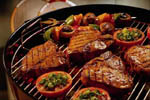
With the 4th of July a week away, many are prepping their grocery list or menu for the fun filled holiday weekend. You’ll fire up the grill, enjoy some burgers or steaks, a few tasty drinks, and friends and fellowship. I love to grill and foods on the grill are my favorite…and I know beef will be what’s for dinner in my household as nothing beats a tasty “Raml” hamburger or steak. Besides the protein, I am sure there will be plenty of fruits and veggies to enjoy of which both can be grilled as well! Kabobs are a great way to incorporate meat, veggies, and fruit all in one!
Did you know that beef is 20% leaner than it was about 15 years ago? There are at least 29 cuts of lean beef which means they meet the government guidelines for lean, meaning each cut has less than 10g of total fat, less than 4.5 g of saturated fat, and less than 95mg of cholesterol (in a 3 oz serving). Here are some tips for you to make beef a part of your heart healthy meals:
- Look for key words such as “round” or “loin” …these are typically leaner cuts
- Choose 90% or greater lean beef. This means in a 3oz serving there is less than 5g of fat in it.
- Use healthy cooking methods such as grilling, broiling, baking, roasting, or braising. The less tender cuts can be marinated in a tenderizing marinade such as salsa or light Italian dressing.
- Trim the fat! Trimming the fat before cooking will help eliminate some of the fat from the cut.
- Cook with fresh ingredients such as lemon juice, peppers, onions, garlic, and herbs instead of adding extra fat to the cut.
- Practice portion control. Select the 3-5 oz serving over the 10oz.
Balance is key to a healthy diet, so be sure to include your fruits and veggies and whole grains along with your lean meat to create a healthy plate. All meat is required to have the nutrition content (label) posted by it in the grocery store. Be sure to use this when you’re selecting your cuts of meat and pay special attention to the total fat and saturated fat content. If you want to learn more about the benefits of beef and explore healthy recipes check out these websites: www.beefnutrition.org and www.beefitswhatsfordinner.com.
Happy 4th of July!
-Kelsey
by kelsey | Jun 24, 2015 | Diet, Weight Management, Wellness/Health
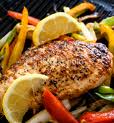
Portion Vs Serving
While these two terms are often used interchangeably, they mean completely different things. Knowing the difference between the two will help you make healthy choices and practice appropriate portion control.
A serving is how much of a food is recommended by consumer education materials, like MyPlate.
A portion is how much food you choose to eat at one time.
Estimating Serving Size:
3 oz of meat is the size of a deck of cards
1 cup of pasta is the size of a baseball
1 oz of cheese is the size of your thumb
½ cup of fresh fruit is the size of a tennis ball
1 teaspoon of butter is the size of a dice
Tips:
Use a smaller plate so less food will seem like more.
Don’t eat from the package so you don’t lose track of how much you eat.
-Written by Kara Schmidt, SDSU Dietetic Student
by kelsey | Jun 23, 2015 | Diet, Food, Weight Management, Wellness/Health

The gluten free diet has become a very popular fad diet and the low carb craze is coming back in full force. There are some important things to know and understand about gluten and SDSU Dietetic Student Kara Schmidt explains them for you here.
1. What gluten is: gluten is a protein found in wheat, rye, and barley. Therefore, many pastas, breads, and cereals have gluten in them. It can also be found in many salad dressings, sauces, and beers. Gluten helps food to maintain their shape, acting as a sort of glue.
2. Who needs to avoid gluten: people with celiac disease, an autoimmune disorder, cannot have gluten. Their body’s immune response to gluten damages their intestinal wall, causing abdominal pain, bloating, nausea, and diarrhea.
3. Gluten and weight loss: people who choose not to eat gluten tend to avoid foods like bread, pastas, and cereals. These foods are also full of carbohydrates, which get broken down into sugars so that the body can use them for energy. Too many carbohydrates can cause your body to store the excess energy in fat, causing weight gain. If a person is avoiding eating these carbohydrate-rich foods, they will have to get their energy elsewhere, such as from fruits, vegetables, legumes, and lean meats. This healthy change in diet doesn’t have to mean cutting out gluten, just making healthier choices and practicing portion control. A gluten free diet is only recommended for those who truly are gluten intolerant and should not be used as a fad diet!
by kelsey | Jun 16, 2015 | Cooking Tips, Diet, Food, Weight Management, Wellness/Health
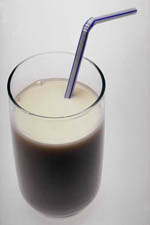
June is national dairy month, thus it’s a great time to recognize and discuss the benefits we can get from dairy in our diets.
Cow’s milk is the richest source of well-absorbed calcium and is actually absorbed better (about 25%) than the calcium in soy milk. There is about 300 mg of calcium in an 8 oz serving of milk and we recommend getting at least 3 servings of dairy a day. A serving is equal to an 8oz (1 cup) serving of milk, 6 oz tub of yogurt, 1 oz cheese, 1/2 c cottage cheese. In addition to calcium, cow’s milk is an excellent source of phosphorus, vitamin B12, potassium, riboflavin, vitamin A, vitamin D, protein, and niacin…totalling 9 nutrients compared to only 4-5 nutrients found in soy and almond milk.
There are many other types of “milks” out there such as almond, rice, coconut, and soy, however these drinks are not the same as cow’s milk in regards to the nutritional qualities. Many of these milks use fortification (adding nutrients), whereas the nutrients are found naturally in cow’s milk. Below is a list from the Midwest Dairy Association about these beverage’s nutrient sources and nutrition quality (http://www.midwestdairy.com/0p335/dairy-imitators/)
- “Soy beverages are made from soybeans and are a good source of protein. However, according to the Protein Digestibility Corrected Amino Acid Score (PDCAAS), soy protein is a lower quality protein than the whey protein found in dairy products.
- Rice-based beverages are generally processed from brown rice and are fortified with nutrients such as calcium and vitamin D. Rice beverages typically contain only one gram of protein compared to eight grams in cow’s milk.
- Nut-based beverages can be ground from any nut and the most popular is almond. Almond beverages only supply one gram of protein per serving and lack many of the natural benefits found in almonds.
- Seed-based beverages, such as hemp, are newer to the marketplace. Their nutritional benefit is touted to be their omega fatty acid content. Similar to the other beverages, they also fall short on protein.”
Often times, these other “milks” contain higher sugar content, less calcium, less protein, and are absorbed less than those benefits in cow’s milk. Now if you have a lactose intolerance or milk allergy, these are certainly options for you, however if you do not have an allergy or intolerance, I highly encourage you to work towards getting your 3 a day servings of dairy and preferably low fat dairy. It will not only provide you with excellent vitamins and minerals to keep your bones and muscles healthy and strong, it will also provide you with an excellent source of protein.
For more information on the benefits of dairy, you can visit www.midwestdairy.com or contact my good friend and fellow Registered Dietitian Whitney Jerman at wjerman@midwestdairy.com.
I know I will enjoy a nice glass of cold milk tonight with supper, I hope you do too!
-Kelsey
