by kelsey | Jan 19, 2017 | Diet, Weight Management, Wellness/Health
Stress is a part of everyone’s life and many of us deal with it by resorting to food. Emotional and stress eating is very common and can be very detrimental to your health, so it’s important to learn how to deal with that stress to not only reduce your stress, but also improve your health! Try these easy to follow tips, to help you avoid stress eating.
1. Tune Out & Move! Turn on your favorite tunes and get moving! Exercise is always an easy way to reduce stress because it helps clear your mind. Even 5-10 minutes of walking after a stressful situation can relax your body and help you be more level headed. An added bonus is that it burns calories and can help you reach your weight goals.
2. Drink Up! Drinking water not only keeps you hydrated but also can help you to function. Drinking 64oz per day is a great place to start. Warm teas can also be helpful because they may have a calming effect, in addition to providing your body with antioxidants, beneficial for disease prevention.
3. Eat some carbs. Choosing complex carbs such as whole grains, will keep your blood sugar more level and help to keep you from getting stressed. Including small portions of these complex carbs at each meal can give your blood sugars a better consistency throughout the day, as those ups and downs can be extremely stressful, and lead to more eating.
4. Increase veggie consumption. Crunchy veggies help reduce tension because it gives some release in those jaw muscles that always tighten up when we are stressed. Eating raw carrots or celery is a good snack that won’t ruin your waist line
5. Make “good fats” your friend. Omega-3 fatty acids are found in foods such as olive oil, canola oil, nuts and fish. These can help control stress hormone levels as well as mood disorders. These fats also contribute to brain function, allowing you to deal with the stress properly instead of turning to food.
6. Don’t skip meals! Eat a balanced, consistent intake with several small meals and snacks/day to prevent being too hungry and overeating and binging on unhealthy foods.
-Kelsey
by kelsey | Jan 11, 2017 | Diet, Food, Heart Health, Weight Management, Wellness/Health

Today is National Milk Day… so I decided today would be a good day to discuss the benefits of dairy…and let me tell you, there are many!! Cow’s milk is the richest source of well-absorbed calcium and is actually absorbed better (about 25%) than the calcium in soy milk. There is about 300 mg of calcium in an 8 oz serving of milk and we recommend getting at least 3 servings of dairy a day. A serving is equal to an 8oz (1 cup) serving of milk, 6 oz tub of yogurt, 1 oz cheese, 1/2 c cottage cheese. In addition to calcium, cow’s milk is an excellent source of phosphorus, vitamin B12, potassium, riboflavin, vitamin A, vitamin D, protein, and niacin…totalling 9 nutrients compared to only 4-5 nutrients found in soy and almond milk.
There are many other types of “milks” out there such as almond, rice, coconut, and soy, however these drinks are not the same as cow’s milk in regards to the nutritional qualities. Many of these milks use fortification (adding nutrients), whereas the nutrients are found naturally in cow’s milk. Below is a list from the Midwest Dairy Association about these beverage’s nutrient sources and nutrition quality (http://www.midwestdairy.com/0p335/dairy-imitators/)
- “Soy beverages are made from soybeans and are a good source of protein. However, according to the Protein Digestibility Corrected Amino Acid Score (PDCAAS), soy protein is a lower quality protein than the whey protein found in dairy products.
- Rice-based beverages are generally processed from brown rice and are fortified with nutrients such as calcium and vitamin D. Rice beverages typically contain only one gram of protein compared to eight grams in cow’s milk.
- Nut-based beverages can be ground from any nut and the most popular is almond. Almond beverages only supply one gram of protein per serving and lack many of the natural benefits found in almonds.
- Seed-based beverages, such as hemp, are newer to the marketplace. Their nutritional benefit is touted to be their omega fatty acid content. Similar to the other beverages, they also fall short on protein.”
Often times, these other “milks” contain higher sugar content, less calcium, less protein, and are absorbed less than those benefits in cow’s milk. Now if you have a lactose intolerance or milk allergy, these are certainly options for you, however if you do not have an allergy or intolerance, I highly encourage you to work towards getting your 3 a day servings of dairy and preferably low fat dairy. It will not only provide you with excellent vitamins and minerals to keep your bones and muscles healthy and strong, it will also provide you with an excellent source of protein.
For more information on the benefits of dairy, you can visit www.midwestdairy.com or contact my good friend and fellow Registered Dietitian Whitney Jerman at wjerman@midwestdairy.com.
I know I will enjoy a nice glass of cold milk tonight with supper, I hope you do too!
-Kelsey
by kelsey | Jan 10, 2017 | Cooking Tips, Diabetes, Diet, Food, Heart Health, Weight Management, Wellness/Health
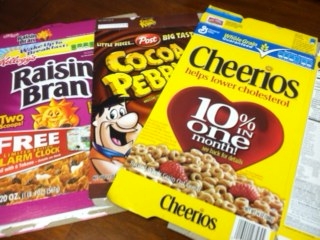
One of the most challenging aisles in the grocery store is the cereal and granola bar aisle as there are so many choices and it’s hard to know what’s good and what’s not! For those regular followers of our blog, you probably know by now that you should choose a whole grain cereal, but from there…how do you decipher which choice is better than another?! Well, let’s start with the basics…you want to avoid any of the real high sugar cereals such as Lucky Charms, Cocoa Pebbles, etc due to their high levels of white, refined sugars.
Here are some tips to help you make a healthy choices:
• 8 grams (g) of sugar or less/serving, if the cereal contains 3 g or less of fiber/serving
• 16 g or less of sugar/serving, if the cereal contains 5 g or more of fiber/serving
Note: raisin bran contains 20 g of sugar/serving and is the exception to the rule—still a great choice due to its higher fiber content)
• Instant hot cereals should contain no more than 100-150 milligrams (mg) of sodium/serving
In addition, be sure to fully read the nutrition facts label and not rely on the manufacturers marketing claims as they can often be misleading!
A way to make breakfast a more balanced meal is to add a source of protein and a serving of fruit to your meal. With the balance of protein, fiber found in your cereal, and some natural sugars, you are set to start your day off in a great way!
-Kelsey
by kelsey | Jan 3, 2017 | Diet, Goals, Heart Health, Motivation, Weight Management, Wellness/Health

Happy New Year! With the new year, you may have considered setting some of those famous New Year’s Resolutions. We confidently vow to shed pounds and inches to change our lives for the better but these resolutions tend to fail. We often set lofty goals like “ I will lose 15 pounds” which is a valid goal but could take several months-year to properly reach it. We tend to eat too little and exercise to vigorously during the first couple of days just to give up in frustration and hunger. I am not a big fan of resolutions, because they typically aren’t followed long term, I am however a big fan of lifestyle changes!
Here are some tips and guidelines to assist you in achieving and maintaining a healthy weight loss and lifestyle change:
¨ Set realistic, short-term goals such as “I will lose 1 pound/week.” After success with the first reasonable goal, the next goals will seem attainable.
¨ Do not keep junk food at the house. If unhealthy choices are in sight, you might be tempted to reach for them. Remember, out of sight, out of mind!
¨ Eat a serving of protein and whole grains to feel full longer which could curb hunger cues.
¨ Eat the majority of food during the earlier parts of your day. This can help end that bad habit of late night snacking.
¨ Pay attention to feelings like boredom, loneliness, stress, and fatigue, which can cause mindless eating. Only eat when you are actually hungry and think of food as fuel.
¨ Use smaller plates, bowls, etc. to help keep portions under control. This could help trick the mind into thinking you are eating a large portion.
¨ Eat slowly and away from distraction, if possible. This will allow you to pay attention to any cues of becoming full. Remember it takes 20 minutes for you to feel full.
¨ Try to get more active each day. By aiming to increase your exercise level by 10 minutes each day, you can build up strength and stamina gradually, which could help you from not quitting exercising in frustration.
These guidelines can help end the New Year’s resolution failures and hopefully create healthy, lifelong habits. If you would like individual help, please contact me…I would love to work with you!
-Kelsey
by kelsey | Dec 20, 2016 | Cooking Tips, Diet, Food, Holidays, Weight Management, Wellness/Health

The holidays are in full swing, which means festive food, and busy schedules. Many families are enjoying old traditions, or making new ones. Unfortunately also during these Christmas experiences, many people find themselves experiencing weight gain. Countless family gatherings and baking Christmas goodies all month are grounds for overeating, without any time to spare for exercise. By making few simple changes over the day, the holidays do not have to mean weight gain! Here are some simple tips to try out between traveling, parties, cooking, and company.
- An Early Resolution? – Rather than waiting for New Years to start a resolution, make it easier on yourself and gradually work up to your resolution by New Years. This will also help you to stay focused and maintain weight over the holidays, so you can see faster results after. If your goal is to lose weight, maybe you will try to walk two days a week now, and by New Year’s you will be built up to walking 5 days a week!
- Stress less about Exercise- Rather than stressing about shopping and cleaning this year, think of this as a time to multitask. Housework is one of the best ways to get in a workout over the holidays. Whether it’s moving around the kitchen while you bake, or vacuuming before company…it all burn calories! Shopping through the mall crowds, standing in line, and bringing bags out to your car all are positive experiences now that you can count it as a workout, right?
- Quality Time– Rather than taking away from family time to work out, invite your family to do something as a group. Wake up on Christmas morning and enjoy some yoga together before presents, or take the kids out ice-skating or sledding after the famous Christmas dinner. Just remember, building a snowman or looking at Christmas lights will also provide memories that last longer than the memories watching a movie would.
- Think Before You Eat – Eat until you are satisfied, not stuffed. If you find yourself overeating at one meal, go light on the next. Try to fill your plate with the lower calorie items such as vegetable dishes, and lean proteins, then take smaller portions of the rich foods. Eat slowly, socialize, and enjoy every bite!
Overall, it’s the holidays and you need to enjoy yourself! Don’t restrict yourself from family time and enjoying some of your favorite holiday foods, but be mindful and plan ahead! Stay healthy this season, then after the holidays, your mind and body will thank you!
-Kelsey
by kelsey | Dec 15, 2016 | Diet, Food, Weight Management, Wellness/Health, Winter

5 of the Healthiest Winter Foods
As the official start of winter is approaching, I thought it was timely to discuss some of the healthiest winter foods. Winter is always challenging to get fresh produce at a reasonable price, but these top 5 winter foods are not only reasonably priced, but offer a great source of nutrients. Be sure to add them to your grocery list and include them in your meal planning!
1. Pomegranates: this heart-healthy food is rich in antioxidants that can contribute to improving blood flow to the heart and keep arteries unblocked.
2. Dark Leafy Greens: kale, chard, and collards thrive during the winter season while the rest of the produce section looks bleak. These greens are rich in vitamin A, C, and K. They are also an excellent source of folate.
3. Citrus fruits: limes, oranges and grapefruits are juiciest in the wintertime and can brighten up a dull winter. They are loaded with vitamin C. Citruses are a rich source of flavonoids like hesperidin, which is credited for boosting HDL (good) cholesterol while lowering LDL (bad) cholesterol and triglycerides.
4. Potatoes: they often given a bad rap for being one of the white starches along with white rice and white bread but unlike those starches, potatoes are a whole food and contain many beneficial nutrients. They have two excellent immune boosters – Vitamin C and B6—while also providing a good source of folate and fiber.
5. Winter Squash: comes in a variety from butternut to acorn to delicata and even spaghetti squash and they are all excellent choices in the winter. One cup of squash has 80 calories and is high in both vitamin A, C and K while also boasting a good source of potassium, B6, and folate.
-Kelsey
