by kelsey | May 31, 2017 | Diet, Etc., Goals, Weight Management, Wellness/Health

Fad diets are short-term quick fixes that promise great results, but actually set up most dieters for failure in weight-loss. If you find a product or routine that sounds too good to be true, it probably is.
One of the most popular diets to take over social media lately is THRIVE by Le-Vel. This is an 8 week program that promises a completely different person at the end. It utilizes a few products as well as goal setting for weight loss. Marketers claim that individuals will “Live, look and feel ultra premium like never before” through the use of Derma Fusion Technology (skin patches), shake mixes and lifestyle capsules. Their products are said to be naturopathic, synergistic, and gender specific. However, science has not found any reason for grouping together the vitamins and minerals in any of the products.
The idea of setting an 8-week goal for weight loss is a good one, but you can accomplish the same results with a balanced diet paired with exercise at a much lesser cost.
Another popular diet to hit the market recently is The Optimal Weight 5&1 Plan by Take Shape For Life. This plan is based around the routine of consuming 6 small meals everyday instead of three large meals. Five of these meals consumed are purchased from the company and they are meal replacements. The sixth meal is a lean and green meal.
One of the biggest fallbacks of this diet is the cost of the meal replacements purchased; the 30-day bundle available is just under $430, which calculates out to be about $15 every day. The 5&1 diet plan utilizes a very structured routine that promotes quick weight loss, but fails to teach clients the basics of a healthy, well-balanced diet. When this is the outcome, dieters usually see the weight that they lost come back on as soon as they step away from the diet.
What healthy weight loss SHOULD look like:
- Fill half of your plate with veggies
- Eat whole wheat/whole grain breads, pastas, etc. instead of white.
- Get 30-60 minutes of exercise most days of the week.
- Limit consumption of sugar-sweetened beverages (Pop, juice, sports drinks, etc.) and alcohol.
- Water does wonders for our bodies!
- 13 cups for men (3 liters); 9 cups for women (2.2 liters)
- Eat smaller portions
- Don’t skip meals…especially breakfast!
- A healthy weight loss is 1-2 pounds each week
- This may seem slow, but a steady weight loss such as this is much more likely to be kept off in the long run.
- Track your intake
- We often don’t realize the quality and quantity of the food we feed our bodies until we have it drawn out in front of us.
- Be mindful when you eat
-Written by Kala Nurnberg, SDSU Dietetic Student
NOTE: Usually we get desperate and succumb to the promises the fad diets make us and we sign up. However down the road we realize that it’s too expensive, can’t stick with, we want normal food again, etc etc. If you are wanting to work on weight loss or nutrition and lifestyle improvement, please come visit me in the clinic! We can work out an individual plan that you can do and stick with long term…and it will be much cheaper and more enjoyable than these fad diets! Call or email me!
Kelsey Raml, MS, RD, LN
Direct Dial: 884-4226
Email: strive2survive@brownclinic.org
by kelsey | May 24, 2017 | Cooking Tips, Diet, Food, Weight Management, Wellness/Health

The official kick off to summer and picnic season is this weekend: Memorial Day Holiday! This time of year always bring great cookouts and picnics. Typical picnic foods consist of burgers, brats, hotdogs, chips, and high calorie salads such as macaroni and potato salads. These are all very tasty foods, but they are also all very high in calories, fat, and sodium. Cookouts don’t have to bust the calorie bank. Choose your foods wisely and plan your menus to include a few healthy options and make substitutions like the meal examples below to help you fully enjoy each cookout while aiding in a healthy heart and waistline.
Choose This
90% lean hamburger with whole wheat thin bun
Grilled chicken breast
Grilled shrimp
One small tossed Salad with 1Tbsp light dressing
Fresh veggies with light ranch dip
Baked chips
½ c fruit salad
One small slice of angel food cake with light cool whip and strawberries
Unsweetened Tea with Lemon
Not That
80% lean hamburger with white bun
Hot dogs
Brats
Excess portions of: macaroni salad, potato salad, baked beans
Brownies
Kool-Aid
Regular pop
-Kelsey
by kelsey | May 18, 2017 | Cooking Tips, Diet, Weight Management, Wellness/Health

Everyone is busy and on the run with life happenings so eating out tends to be a part of our lives. We all know that eating out is not the best for us as we don’t have control over how the meal is prepared, ingredients, and portions like we do at home. Despite this, we all still eat out and most of us enjoy it as it means we don’t have to do the preparing, cooking, and cleaning up afterwards…and it’s typically a social activity as well! Restaurants are taking notice of our nation’s desire to improve our health and wellness and there are more healthier options on the menus today, but there are still some very unhealthy ones as well. Below are some tips to help you eat out the healthy way:
- Go for a smaller portion of the meal such as half of the meal, lunch portion, or appetizer size portion.
- Look for key words such as baked, broiled, grilled, or roasted. Stay away from descriptive words such as crispy, creamy, crunchy, and crispy as those typically mean fried and more fat added.
- Substitute the fries for a salad (dressing on the side and use sparingly) or if available a second serving of cooked veggies or fruit.
- Get a to-go box right away before you start eating and package half of your meal in the box and eat at another meal at home. If it’s on your plate, you’ll be more apt to eat it, so put it away right away so you aren’t tempted and you are more apt to practice proper portion control.
- Share! It’s ok to share an entree with you friend, spouse, etc to help you practice better portion control.
- Look at the options ahead of time online or using your smart phone. Many restaurants have their nutrition information included in their websites or you can use the Calorie King app to explore the options and make a healthy choice when dining out.
- If eating out is a rare occurrence, it is ok to splurge, but keep in mind it should be a special occasion and only every once in awhile, not every day or every week as those extra calories will add up and cause weight gain quickly!
- To help balance out the extra calories consumed when eating out, be sure to get your activity in and engage in at least 30-60 minutes/day!
-Kelsey
by kelsey | May 17, 2017 | Cooking Tips, Diet, Food

Spring and summer bring warmer temps and the desire for more frozen treats! Smoothies are a great way to cool off and get some great nutrients while you’re at it!
Lately there has been an explosion in the media discussing smoothies for weight loss, athletic performance, and meal replacements. Since the supplement industry heavily promotes “quick fixes”, keep in mind that an overall balanced diet is the best way to maintain or improve your health. The goal of many supplement industries is not to fix the problem, but rather to create addiction and increase revenue. Supplements are not regulated by the Food and Drug Administration and claims made for them are not always accurate or proven. However, homemade fruit and vegetable smoothies are way to guarantee your 5-A-Day natural nutrients. Consumption of fruits and vegetables may help prevent chronic diseases such as cancer, heart disease, and diabetes while delivering fiber and vitamins. With a new season upon us, we are gifted with a wider variety of options to choose from when eating the rainbow. Contrary to the common belief, consuming the recommended amounts of fruits and vegetables can be inexpensive and in the long run will save you money in terms of medical bills.
There are endless smoothie recipes you can use to make a quick breakfast, after a workout, or for an afternoon snack. Adding an extra boost to your smoothie such as protein powder or Greek yogurt will additionally provide other valuable nutrients. Here’s a guide to help get started
Add Fruit/Vegetable
|
Add Liquid
|
Add Thickener
|
Extra
|
| Banana, Berries, Apple, Pear, Peach, Kiwi, Pineapple, Cherries, Mango, Orange, Spinach, Kale, Beets, Carrots |
Dairy, Soy, Rice, or Almond Milk, Fruit Juice, Water, Iced Tea |
Peanut butter, Yogurt, Frozen yogurt, ice cubes, or oats. |
Honey, Cinnamon, Protein Powder, Mint, Figs, Dark Chocolate, Flaxseed. |
| Choose 2-3 |
Add 1-2 cups of liquid |
Pick your consistency |
Your preference |
Here are some examples:
Green Smoothie: Mango Chunks, Banana, Kale or Spinach, Apple Slices, Water, Plain low fat yogurt
Carrot Smoothie: Carrots, Orange, Pineapple, Low-sugar Apple Juice, Ice Cubes, Cinnamon
Desert Smoothie: Banana, Apple Slices, Low Fat/Skim Milk, Peanut Butter, Top with Dark Chocolate Shavings
Enjoy!
-Kelsey
by kelsey | May 10, 2017 | Cooking Tips, Diet, Food, Heart Health, Weight Management, Wellness/Health

May is beef month so I thought it’d be fitting to talk about this powerhouse lean protein!
Did you know that beef is 20% leaner than it was about 15 years ago? There are at least 29 cuts of lean beef which means they meet the government guidelines for lean, meaning each cut has less than 10g of total fat, less than 4.5 g of saturated fat, and less than 95mg of cholesterol (in a 3 oz serving). Lean beef is also a great source of multiple vitamins and minerals such as vitamin B12, selenium, zinc, niacin, vitamin B6, phosphorus, iron, and choline. Here are some tips for you to make beef a part of your heart healthy meals:
- Look for key words such as “round” or “loin” …these are typically leaner cuts
- Choose 90% or greater lean beef. This means in a 3oz serving there is less than 5g of fat in it.
- Use healthy cooking methods such as grilling, broiling, baking, roasting, or braising. The less tender cuts can be marinated in a tenderizing marinade such as salsa or light Italian dressing.
- Trim the fat! Trimming the fat before cooking will help eliminate some of the fat from the cut.
- Cook with fresh ingredients such as lemon juice, peppers, onions, garlic, and herbs instead of adding extra fat to the cut.
- Practice portion control. Select the 3-5 oz serving over the 10oz.
Balance is key to a healthy diet, so be sure to include your fruits and veggies and whole grains along with your lean meat to create a healthy plate. As of a just a few months ago, all meat is required to have the nutrition content (label) posted by it in the grocery store. Be sure to use this when you’re selecting your cuts of meat and pay special attention to the total fat and saturated fat content. If you want to learn more about the benefits of beef and explore healthy recipes check out these websites: www.beefnutrition.org and www.beefitswhatsfordinner.com.
-Kelsey
by kelsey | May 4, 2017 | Diet, Heart Health, Weight Management, Wellness/Health
Our Doctor of Pharmacy, Deidra Van Gilder, PharmD covers the hot topic of supplements in our in our 12 week wellness program. Supplements are a hot topic and you may wonder what the professionals in the field recommend on this topic as there is a lot of information to be found on the internet. The below information is from Deidra herself….hope it is helpful to you!
Fish Oil
Fish oil contains two important components: DHA (docosahexaenoic acid) and EPA (eicosapentaenoic acid). Another substance called ALA (alpha-linolenic acid) may be as effective as DHA and EPA although it doesn’t have as much evidence for its use. ALA is the component of flaxseed that is thought to lower cholesterol. Fish oil is typically recommended for people with high triglyceride levels.
Foods that contain Fish Oil: Anchovies, Catfish, Cod, Halibut, Herring, Mackerel, Tuna, Trout,
Salmon, Sardines
Uses:
- There is strong evidence for the use of fish oil to lower triglycerides and increase HDL at doses of 2-4 grams daily. Be aware that it may increase LDL.
- There is evidence to support the use of fish oil 1 gram daily for prevention of recurrent stroke or heart attack in patients with cardiovascular disease.
- There is some evidence for the use of fish oil in rheumatoid arthritis to reduce morning stiffness and joint tenderness. It is the most beneficial when used with anti-inflammatory medications.
Dose: 1 – 4 grams daily divided into twice daily dosing. The fish oil capsules may be stored in the freezer to decrease incidence of fishy burps and aftertaste.
Adverse Effects: fishy aftertaste or fishy burps, heartburn, loose stools, nausea, upset stomach, alterations in glycemic control, increased risk of bleeding
Drug Interactions: warfarin, aspirin, clopidogrel, oral contraceptives
Calcium
Calcium is important for many functions of the body including bone and teeth health. Calcium is most commonly used for treatment and prevention of low calcium levels and osteoporosis.
Foods that contain Calcium: milk, cheese, yogurt, dark green leafy vegetables, and calcium fortified foods or juices
| Recommended Dietary Allowance (RDA) for Calcium |
| Men age 19-70 |
1000 mg/day |
| Men age 71 & older |
1200 mg/day |
| Women age 19-50 |
1000 mg/day |
| Women age 51 & older |
1200 mg/day |
Dosing: Dosing for calcium supplementation is dependent on calcium intake from dietary sources. The preferred source of calcium is through the diet. The two most commonly used forms of calcium for supplementation are calcium carbonate and calcium citrate. Calcium carbonate (Tums) is well tolerated especially when taken with a meal. It is the calcium supplement of choice in patients with poor kidney function. Calcium citrate (Citracal) may be taken on an empty stomach, but should be avoided in people with poor kidney function. Calcium citrate is the recommended choice if elderly or people taking a PPI (proton pump inhibitor), antacid, or H2 blocker.
The maximum amount of elemental calcium that the body can absorb at a time is about 500 mg. If doses higher than 500 mg are needed, separate the doses by 4 hours.
Adverse Effects: constipation, bloating, stomach upset, gas, kidney stones
Drug Interactions: PPI (omeprazole, esomeprazole), H2-blockers (famotidine, ranitidine), iron supplements, tetracycline antibiotics, quinolone antibiotics, bisphosphonates, phenytoin, and verapamil
Vitamin D
Vitamin D helps the body maintain normal levels of calcium and phosphorus. Vitamin D is available in two forms, ergocalciferol (Vitamin D2) and cholecalciferol (Vitamin D3), both are considered equivalent. Vitamin D can be obtained from brief sun exposure, foods, and can also be found calcium supplements or multivitamins. Since vitamin D helps with calcium absorption, many supplemental products contain both calcium and vitamin D. Vitamin D is commonly used for treatment or prevention of vitamin D deficiency, osteoporosis, and preventing falls. There is also some evidence for the use of Vitamin D3 ointment for controlling skin cell growth in patients with psoriasis not responding to other therapies.
Foods that contain Vitamin D: fish, eggs, fortified milk, cereals, salt water fish, cod liver oil
| Recommended Dietary Allowance (RDA) for Vitamin D |
| Men & Women age 19-70 |
600 IU/day |
| Men & Women age 71 & older |
800 IU/day |
Dosing: Vitamin D supplemental dosing is dependent on current vitamin levels and intake. Dosing may range from 400 – 1,000 IU daily so it is important to talk to your physician about the proper dosage for you based on your vitamin D level.
Adverse Effects: Generally well tolerated, nausea, high calcium levels, anemia
Drug Interactions: atorvastatin, digoxin, thiazides, verapamil
Flaxseed
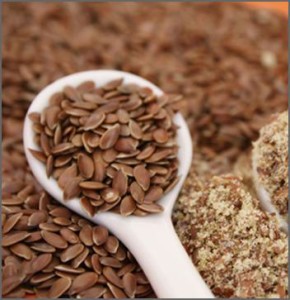
Flaxseed or flaxseed oil is a food product that contains ALA (alpha-linolenic acid). Flaxseed has a high content of fiber and may be used for constipation if taken with plenty of water. Flaxseed can reduce total cholesterol and LDL cholesterol, but has no effect on triglycerides.
Dosing: 15-40 grams (~1 tablespoon 2-3 times daily) of freshly ground flaxseed or flaxseed oil daily for high cholesterol levels. Flaxseed may be prepared as ground, partially defatted, oil, or in bread and muffins. Ground flaxseed is typically recommended over the oil as it offers greater benefits than the oil. Freshly ground flaxseed should be kept in an airtight container and stored in the refrigerator up to three months.
Adverse Effects: increased number of bowel movements, bloating, abdominal pain, diarrhea, constipation (if not taken with plenty of water), gas
Drug Interactions: blood pressure lowering medications, medications used to treat diabetes, anticoagulant/antiplatelet medications (warfarin, aspirin, clopidogrel)
References:
Natural Medicines, Food, Herbs & Supplements, Somerville, MA: Therapeutic Research Center;
11 May 2017. < http://naturaldatabase.therapeuticresearch.com/>
National Institutes of Health Office of Dietary Supplements, National Institutes of Health.
Dietary Supplement Fact Sheets. NIH; 2016. <https://ods.od.nih.gov/factsheets/list-all/>
Flaxseed: is it as beneficial as fish oil? Pharmacist’s Letter/Prescriber’s Letter
2009; 25(7):250708.
If you have any other questions about supplements, vitamins, and minerals, don’t hesitate to contact us!
-Kelsey

