by kelsey | Feb 21, 2019 | Diet, Exercise, Food, Heart Health, Weight Management, Wellness/Health

STRIVE 2 Survive, our 12 week wellness program starts in about 3 weeks, March 12th!! We often have people ask about the results of the program as they try to decide if they should enroll or not. Today’s post is about results as I wanted to share some of the results we have seen: not only weight loss, but great improvements in lab work, BP, and waist circumference, which greatly impacts disease prevention and overall wellness. Below are a few of our participant’s results for you to see how beneficial the program can be! Enrollment is underway right now! Contact us today to get signed up for a better you! Email: strive2survive@brownclinic.org or 884-4226.
|
|
|
|
Initial |
Post |
| Weigh In |
262 |
228.6 |
|
|
|
| lbs lost |
|
-33.4 |
| % lost |
|
|
| (lbs lost/weight) * 100 |
0 |
-14.6107 |
|
|
|
| Lab Work |
Initial |
Post |
| Total Cholesterol |
233 |
175 |
| LDL |
179 |
120 |
| HDL |
39 |
45 |
| Triglycerides |
75 |
49 |
| Glucose |
101 |
92 |
| Waist Circ. |
45″ |
40 |
| BMI |
30.3 |
26.4 |
| % Body Fat |
15.9 |
13 |
| Fat Mass |
41.8 |
29.8 |
| Fat Free Mass |
220.8 |
198.8 |
|
|
|
| |
Initial |
Post |
| Weigh In |
197.4 |
182.2 |
| |
|
|
| lbs lost |
|
-15.2 |
| % lost |
|
|
| (lbs lost/weight) * 100 |
0 |
-8.34248 |
| |
|
|
| Lab Work |
Initial |
Post |
| Total Cholesterol |
173 |
162 |
| LDL |
86 |
76 |
| HDL |
62 |
66 |
| Triglycerides |
127 |
100 |
| Glucose |
100 |
92 |
| Waist Circ. |
41″ |
39 |
| BMI |
31.9 |
29.4 |
| % Body Fat |
39.6 |
39.4 |
| Fat Mass |
79.4 |
71.8 |
| Fat Free Mass |
119.4 |
110.4 |
|
|
|
| |
Initial |
Post |
| Weigh In |
237.8 |
208 |
| |
|
|
| lbs lost |
|
-29.8 |
| % lost |
|
|
| (lbs lost/weight) * 100 |
0 |
-14.3269 |
| |
|
|
| Lab Work |
Initial |
Post |
| Total Cholesterol |
191 |
149 |
| LDL |
114 |
80 |
| HDL |
54 |
58 |
| Triglycerides |
116 |
54 |
| Glucose |
104 |
100 |
| Waist Circ. |
40 |
34 |
| BP |
152/90 |
118/78 |
| BMI |
30.9 |
27.1 |
| % Body Fat |
16.5 |
12.5 |
| Fat Mass |
39.2 |
26 |
| Fat Free Mass |
198.6 |
182 |
by kelsey | Feb 14, 2019 | Cooking Tips, Diet, Holidays, Weight Management, Wellness/Health

Happy Valentine’s Day!! Besides a lot of love in the day, Valentines day is known for chocolate! The one item that seems to make everyone happy, but may not be the healthiest of treats for us to enjoy. This Valentine’s day you can enjoy your delicious treat without feeling guilty. Although chocolate may not seem healthy, there are some perks to eating chocolate. Dark chocolate is good for the heart and lowers high blood pressure. So when you’re thinking of getting your loved one that nice box of chocolates, maybe go for a box of Dark Dove Chocolates. If you don’t like eating the dark chocolate plain you can melt the chocolate and dip it in strawberries. It is a treat that will leave your taste buds wanting more and you will find it easy to prepare. If you want to stay sugar free, try making sugar free gelatins in a shape of a heart. Add fat free whip cream on top for a little extra punch to the dessert. If you want choices and variety to your dessert try a chocolate fondue. Melt chocolate and choose sides to dip into the chocolate. Some choices of sides could be bananas, strawberries, pretzels, pineapple, marshmallows, dried apricots, pear slices, apples, or any of your favorite snack foods! If you want to add more to your sweet tooth, try a sherbet ice cream with a dark chocolate topping. If you crave a saltier valentine’s day treat then you can try a trail mix with mixed nuts, sunflower seeds, raisins, pretzels, marshmallows, dark chocolate m&m’s, or a low fat candy such as Twizzlers.
Enjoy and Happy Valentine’s Day!
Kelsey
by kelsey | Feb 7, 2019 | Cooking Tips, Diet, Food, Heart Health, Weight Management, Wellness/Health

In celebration of National Heart Month, I think it’s fitting to discuss the significance diet and activity play in promoting a healthy heart. Heart disease is the number one killer of Americans and affects both men and women. Genetics do play a role, however a heart healthy diet and and regular activity can help minimize the effects and complications of heart disease. Whether you have heart disease in your family or not, it’s still good to follow a heart healthy eating plan. Highlights of the diet include:
- Lots of fruits and veggies! I’m sure you already knew this one, but the benefits of getting your 5 a day servings of fruits and veggies are worth reminding you again. Most of us know this, the hard part is doing it. Try adding them to your meals, have fruit as a snack, get a double serving to help you reach this goal.
- Fiber! Fiber is very beneficial in combating heart disease. Incorporating more whole grains (and fruits, veggies, and beans/lentils) into your diet will increase your fiber and aid in heart health. Oatmeal, brown rice, wild rice, whole grain noodles, whole grain breads, and even popcorn are considered whole grains. Aim to get at least 25-35 g/day.
- Choose lean proteins. Decreasing the amount of saturated fat in your diet will help reduce plaque buildup. Choose white meat poultry without the skin, 90% or greater lean hamburger, fish, beans, etc….stay away from processed meats! Fatty fish such as salmon, tuna, herring, and trout offer additional benefits as they are loaded with healthy omega 3 fatty acids.
- Choose healthy fats. Incorporating more plant fats such as canola oil and olive oil into your diet and reducing your intake of saturated and trans fats has been shown to improve heart health. You want to choose foods that are lower than 5-8g of total fat per serving and <3g saturated and trans fat per serving and limit your total fat consumption to 50-75g/day. Choosing low fat dairy products will help reduce the amount of saturated fat in your diet as well.
- Hold the salt! Excess sodium can increase blood pressure and cause heart failure. Aim to keep your sodium intake below 2400mg/day. You can do this by doing more home cooking, avoiding boxed or packaged goods, cooking with salt free seasonings, and not using table salt.
- Exercise! At least 30 minutes of exercise a day has been shown to improve heart health. If you can do more, the better!
Making small changes or substitutions will help you have a healthier heart and reduce risk for disease. Reading labels is really essential to help you make good choices, so take some time in the grocery store and really examine the products to ensure you’re making healthy choices!
-Kelsey
by kelsey | Jan 31, 2019 | Diet, Food, Weight Management, Wellness/Health
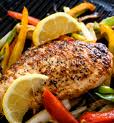
Up next on debunking fad diets: The Paleo Diet. This is another diet that has shot up to the top of the most well-known diets in recent times. The Paleo Diet pretty much means what is sounds like: eat like our cavemen ancestors did. I will explain later what is “allowed” and what is “banned”. For some reason someone thought it would be a good idea to come up with a diet that our ancestors of a long time ago ate. We must keep in mind, that they were only likely living to the age of 30, while our average lifespan is in the seventies. Another friendly reminder, people of the Paleolithic times literally had to run miles and miles to catch their meat, and likely ate easier foods that they gathered (i.e. fruits and vegetables). The Paleo diet we think of nowadays means steak, bacon, chicken, etc. Again, do you think people of the Paleolithic times had those luxurious meats? Nope. They were likely eating extremely lean game after they had spent days chasing and hunting it.
Here is a list of what to eat:
- Meat (especially game), poultry, fish, and shellfish
- Fresh fruits
- Fresh vegetables
- Eggs
- Seeds
- Nuts
- Olive, coconut, and flaxseed oils
Here is a list of what to avoid:
- Any food that is processed, man-made or prepackaged
- All grains
- Legumes (including peanuts)
- Dairy
- Salt
- Sugar
- Vegetable oils
- Potatoes
First of all, I find it interesting that this diet promotes the use of coconut oil (which is over 90% saturated) and bans the use of vegetable oil. So, if someone were to come to me and say I’ve been doing this Paleo Diet for awhile now and I’m feeling so much better. What they need to understand is that any time you can cut out packaged, highly processed foods, you are likely going to start feeling better, and might even lose weight. However, if you are cutting out all grains and legumes you run the risk of developing deficiencies in B-vitamins such as thiamine, folate, niacin and riboflavin. Any time you are cutting out an entire food group (grains) it immediately becomes nutritionally uncomplete. Another risk many people on this diet face is lack of fiber. In a “perfect” Paleo Diet you should be eating TONS of fresh fruits and vegetables, which would mean you are getting enough fiber. But, in America, we for some reason have a hard time with fruits and vegetables, and most people would struggle getting enough of both groups in. This will eventually lead to lack of fiber, which has major health risks.
In short, this is just another fad diet that has been made famous be certain influencers. Like always, if you’re diet restricts you from eating certain foods, this might lead to binging those foods later on. Unless you have will-power of steal, I would not recommend this diet. What we usually recommend is healthy lifestyles, eating a balanced plate every meal for the rest of your life. This is the most sustainable way of living and will lead to the best health outcomes. If you are on a diet and it feels like it’s getting harder and harder, you’re usually on restrictive diet that relies on will power. This eventually will fail. However, if your way of eating becomes easier, you’re likely doing the right thing and have made a successful and sustainable lifestyle choice. As always, if you have specific questions, please get in touch with your Registered Dietitian.
-Written by Sami Kratovil, SDSU Dietetic Intern
by kelsey | Jan 29, 2019 | Diet, Weight Management, Wellness/Health
This week on fad diets: Intermittent Fasting, IF. If you haven’t heard of this new fad diet, consider yourself lucky. This diet had been made famous by people like Doctor Oz and other health “influencers” that rarely if ever delve into the research before promoting a diet like this. If you were to google this diet you would likely come up with a bunch of “claimed health benefits” like, weight loss, better glucose management, and even anti-aging. Can we be realistic here? Anti-aging? If a diet sounds like a scam, it likely is. Please use your intuition and common sense when you stumble upon fad diets. So, in this blog, I will explain the three most common types of fasts.
- 5:2 Fast: With this type of IF you eat like “normal” 5 days of the week and then only eat 500-600 calories for 2 days of the week
- 8 -hour window: With this form of fasting you have an 8- hour window to eat and then you fast for the next 16 hours. Meaning, if you’re first meal is at 9 am, your last meal must be at 5 pm.
- 24-hour fast: You cannot eat anything or drink anything with calories for 24 hours once or twice a week.
So, most people with a healthy metabolism need to eat about every 4 hours. Granted, this doesn’t mean they eat an entire meal every four hours, rather small snacks between meals. So, what this looks like: breakfast at 6 am, snack at 10 am, lunch at 1 pm, snack at 4 pm, and dinner at 7 pm. This gives the body food at regular intervals across your day. The body LOVES this. If you go more than 5-6 hours without food, this may result in poor blood glucose levels, and then almost certainly, overeating at your next meal. If you wait that long before eating because someone told you that snacks are “bad” you will almost certainly consume more calories at your next meal than if you simply had a snack when you were hungry. With intermittent fasting, you are ignoring your body’s primal hunger cue. When doing this, your brain doesn’t know you are intentionally starving it, so it will automatically slow down the rate of metabolism to compensate for the lack of food it’s getting. Sounds counter intuitive right? When your body is hungry it means your metabolism is off and running and ready to burn more fuel. If you feed your body nourishing whole foods when it is hungry, you will find you’ll have more energy throughout your day, making you feel better.
People who do intermittent fasting likely experience “brain fog”, lethargy, insatiable cravings, and hormonal imbalances. All for what? To lose a few pounds? Does that sound worth it to you? So what people need to know is that there have been NO long-term studies proving the long-term benefits of intermittent fasting. Would you follow a diet that has only been tested in the short term in rats? There have been a few studies with men and women, but again, they were short term with a small sample size (inconclusive research). One of the studies found that women who did IF had higher blood cortisol levels than women who ate when they were hungry and stopped when they were full. Cortisol is a stress hormone that can wreak havoc on the female reproductive system. With the lack of good, long term research out there I cannot ever recommend doing intermittent fasting. If your goal is to lose weight and feel better, have you tried basing your meals off MyPlate? Meaning, half your plate fruits and veggies, a quarter lean protein, and a quarter whole grains. I guarantee if you try MyPlate and eat at regular intervals you will feel better and may even lose weight, in a proper, sustainable method. As always, if you have any questions, feel free to contact your local Registered Dietitian and please do not seek out advice from celebrity influencers who have one thing in mind when promoting your health: money.
Reference:
- Nakamura Y, Walker B, Ikuta T. Systematic review and meta-analysis reveals acutely elevated plasma cortisol following fasting but not less severe calorie restriction. Stress. 2016;19(2):151-157. doi:10.3109/10253890.2015.1121984
-Written by Sami Kratovil, SDSU Dietetic Student
by kelsey | Jan 23, 2019 | Diet, Goals, Heart Health, Weight Management, Wellness/Health
It’s the beginning of a new year and all you hear about is hitting the gym and starting a new diet. You think, this is it, this time it will stick, and I will lose weight and feel great. Maybe you’ll try the Paleo diet, the Keto diet, Weight Watchers, etc. Nowadays it’s pretty hard to not hear about these fad diets and how “good” they are for our health. This week we will briefly explain one of the most common diets out there right now and discuss what it means regarding your health.
The Keto Diet: If you haven’t heard anything about the keto diet you might be living under a rock. It almost feels like most people we talk to have tried going “keto” or know someone currently on the diet. What we know: the original purpose of the ketogenic diet is for the treatment and prevention of seizures in epileptic children. There are no long-term studies out there to look at the effects of the keto diet for adults on our health. Personally, I know a surgeon who was on the keto diet for six months and he ended up stopping it because of the adverse effects it had on his cardiovascular blood markers. This is just one example. The keto diet is so restrictive, and it forces the body into a state it does not want to be in. The body prefers to run off glucose and when it doesn’t get food sources of it (carbohydrates) it is forced to convert fat to glucose. Sounds good right? I mean I’m burning fat, right? With this diet, we have LIMITED carbohydrates (< 50 grams/day). If we think about the keto diet with common sense, where are we going to get our heart protective whole grains? Where are we going to get our fiber rich, cancer fighting fruits? In short, we won’t. One of the most common complaints of the keto diet is fatigue and constipation. Fatigue, because the body is in a state of ketosis (breaking down fats for fuel), and constipation because we are simply not getting enough fiber. We know that fiber is heart protective, so one can only imagine what the long-term risks of the keto diet has on our heart without enough fiber. Any time you cut out a major food group (i.e. carbohydrates from fruits and grains) it is not sustainable. So, if you’re looking to drop a few pounds by cutting out carbs, what is your long-term goal? Are you planning on doing this for the rest of your life till the day you die? If not, a restrictive diet like the keto diet is not the answer.
Unfortunately, people often want “quick fixes” well if you’re talking weight loss and a better quality of life through nutrition, you will not find a quick fix. The best thing you can do for your health is to eat a diet rich in whole foods, lean sources of protein, with plenty fruits and vegetables. Adopting this life style will lead to more energy, potential weight loss, decreased blood pressure, better control of blood sugar, and an overall increase in your well- being. So, when your buddy at the gym says, “You have to do the keto diet if you want to lose weight”, tell them thanks for their opinion, but I think I’ll stick to my whole foods and balanced plate. As always, if you ever have any nutritional concerns or questions, seek out a Registered Dietitian for evidenced based answers.
Cheers to the New Year!
-Sami Kratovil, SDSU Dietetic Intern

