by kelsey | Jun 10, 2015 | Cooking Tips, Diabetes, Diet, Food, Weight Management, Wellness/Health
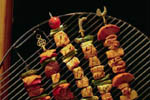
When people think of summer it brings to mind family reunions, picnics, campfires and consequently hotdogs, potato salads, and s’mores. Here are some tips to make those summer months healthier:
-Summer is the best time of the year for fruits and vegetables! More fruits and vegetables are in season and are wonderful to incorporate in your diet. Try planting your own garden or checking out the local farmer’s market to stock up on a variety of fruits and vegetables. Our farmer’s market is open every Saturday morning in the Runnings parking lot.
-Hotdogs and burgers are trademarks for summer. Instead of a sodium and fat packed hotdog or brat try to go for grilled chicken or lean red meats. If you are really craving that hotdog opt for the lower in fat turkey dog or all beef dog and watch your portions.
– Macaroni salad and potato salad are featured at the usual family get-together. The majority of these salads are going to contain high amounts of fat. Opt for fresh fruit or bring your own salad made with a low fat mayonnaise, low-fat Greek yogurt, or low fat sour cream.
-Be sure to drink plenty of water! Having at least eight 8oz. glasses a day is important to stay hydrated during the hot summer months.
– As for the infamous s’more, try dark chocolate and bananas (replacing the marshmallow) which will give you some antioxidants as well as taste great! Or just cut your portion to one s’more since it’s hard to mess with a classic!
-Get active! If you do indulge in some tasty, not-so-healthy treats this summer, just be sure to get in a little extra activity to balance your calories in with your calories out. Take advantage of the nice weather and get outside!
-Kelsey
by kelsey | May 20, 2015 | Cooking Tips, Diabetes, Diet, Food, Weight Management, Wellness/Health
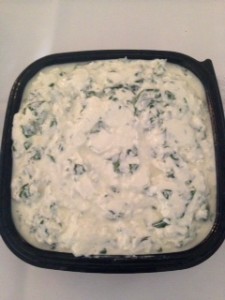
Last night was our last night of STRIVE 2 Survive until fall. The treats County Fair Foods served are healthy and tasty appetizers and would be a great addition to your holiday get togethers this weekend! Be sure to give these a try!
Creamy Feta-Spinach Dip (pictured above)
6 oz fat free Greek yogurt
3/4 cup crumbled feta cheese
2 oz reduced fat cream cheese, cubed
1/4 cup reduced fat sour cream
1 garlic clove, minced
1 1/2 cups finely chopped fresh spinach
1 tsp dill weed
1/8 tsp pepper
Fresh veggies, pretzles, or sliced bread
Place yogurt, feta cheese, cream cheese, sour cream, and crushed garlic cloves in a food processor; process until smooth. Spoon yogurt mixture into medium bowl; stir in spinach, fresh dill, and black pepper. Cover and chill before serving.

Mock Tuna
1 (19 oz) can garbanzo beans
2 Tbsp mayo
2 tsp spicy brown mustard
1 Tbsp sweet pickle relish
2 green onions, chopped
Salt and pepper to taste
In a food processor combine garbanzo beans, mayo, mustard, relish chopped, onions, salt, and pepper. Mix well and chill and serve fresh veggies, pretzles, or sliced bread.
Enjoy!
-Kelsey
by kelsey | May 13, 2015 | Cooking Tips, Diabetes, Diet, Etc., Food, Weight Management, Wellness/Health
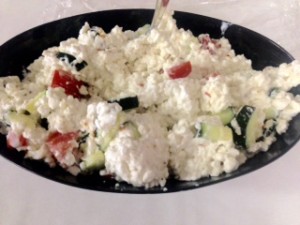
I have a few more recipes for you to try thanks to County Fair Foods! Both of these are delicious!!
Garden Cottage Cheese Salad (pictured above)
1 (22oz) container 1% cottage cheese
1 cucumber, cubed
1 regular tomato, cubed
1 pkg Good Seasoning Italian Dressing
Directions: Mix together and put in refrigerator for a few hours before serving. Could also add other veggies per your liking! 🙂

Blueberry Drop Cookies
2 cups flour
2 tsp baking powder
1/2 tsp salt
1/2 c shortening
1/4 c milk
1 egg
1 c sugar
1 tsp almond extract
1 1/2 tsp lemon zest
1 c fresh blueberries
Directions: In a large mixing bowl, cream the shortening, sugar, egg, milk, almond extract, and lemon zest. Mix well after the addition of each ingredient. Combine the flour, baking powder, and salt; blend into sugar mixture. Fold in the blueberries. Cover and chill for 4 hours.
Preheat oven to 375 degrees. Drop dough by tspful onto ungreased cookie sheets. Bake 12-15 minutes in the oven. Let the cookies cool on the baking sheet for a few minutes before transferring to wire racks to cool completely.
This is a good option for your sweet tooth! The recipe can be altered to be lighter as well such as using Splenda, applesauce, oil etc in place of the sugar and fat.
Enjoy!
-Kelsey
by kelsey | May 6, 2015 | Diabetes
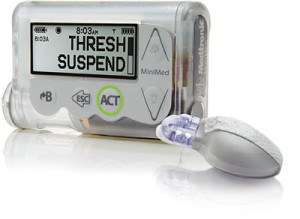
The last session until fall, of the Diabetes Support group will be next Thursday, May 14th. It’s going to be good one and we don’t want those who could benefit to miss out on it! Lance from Medtronic, the insulin pump company we work with will be there to share all of the fascinating things about the new insulin pump and equipment he has to offer people with diabetes in efforts to improve blood sugar control. Whether you have type I diabetes or type II….or you have family members or friends with diabetes, this is useful and beneficial information, thus we invite you all to join! Please register so they have a head count and we look forward to seeing you then!
Diabetes Support Group May Meeting
“Learn about Insulin Pumps & Continuous Glucose Monitoring” by Lance Wassink, Medtronic.
Located in the Prairie Lakes’ West Conference Room–1st level.
Refreshments will be available.
Register online at PrairieLakes.com or by calling the Nephrology Clinic at 605-882-5455 Monday – Friday 8 am – 5pm.
by kelsey | Apr 30, 2015 | Cooking Tips, Diabetes, Diet, Food, Weight Management, Wellness/Health

I apologize that is a re-post, but I have recently had questions about this hot topic, so I thought it was worthy of reposting!
One of the most frequent questions I get from patients is what the real truth is about artificial sugars. You hear all kinds of good and bad things about them, so how do you know what to believe?! Well….here’s the facts:
Artificial sweeteners or sugar substitutes refer to substances that have little to no calories or other nutrients and are added to foods and beverages to provide a taste that is similar to table sugar (sucrose). Because artificial sweeteners are many times sweeter than table sugar, smaller amounts are needed to create the same level of sweetness.
There are five artificial sweeteners that have been tested and approved by the U.S. Food and Drug Administration (FDA):
Acesulfame-K is 200 times sweeter than sugar and it is heat stable, making it great for cooking or baking. The FDA approved acesulfame-K in 1998. Brand names include Sunett and Sweet One.
Aspartame is 200 times sweeter than table sugar and is one of the most commonly used sweeteners today. Aspartame was approved by the FDA in 1981 and is used in a variety of foods. Brand names include NutraSweet and Equal.
Saccharin is about 300 times sweeter than sugar and is used as tabletop sweetener, in baked goods, jams, chewing gum, canned fruit, candy, dessert toppings and salad dressings. The FDA approved saccharin in 1981, along with a warning label stating it was ‘reasonably anticipated to be a human carcinogen’. This warning label was lifted in 2000, after numerous studies cited there is no evidence that saccharin is associated with an incidence of cancer. Brand names include Sweet ‘N Low, Sweet Twin and Sugar Twin.
Sucralose is about 600 times sweeter than table sugar and approved by the FDA in 1999. Sucralose is not absorbed by the body and is eliminated through the urine and feces resulting in zero calories. Sucralose is also heat stable so it can be used for cooking or baking. The brand name for sucralose is Splenda.
Neotame is 7,000-13,000 times sweeter than sugar. Neotame is approved for use in beverages, dairy products, frozen desserts, baked goods and gums. Neotame is not available for consumer purchase at this time.
Stevia has become a popular sweetener in recent years and is extracted from the leaves of the Stevia Rebaudiana Bertoni bush. Two forms can be extracted: Reb A and stevioside. Both are 200-300 times sweeter than table sugar and are calorie free. In 2008, Reb A was generally recognized as safe by the FDA for use as a tabletop sweetener and in prepared foods. Brand names include A Sweet Leaf, Sun Crystals, Stevia, Truvia, and PureVia.
There is a lot of confusion about artificial sugars due to the mixed messages consumers hear about their risks, but when you really look at the studies and evidence, there are are in fact little concerns. According the the FDA, National Cancer Institute, and several other health agencies, there is no sound evidence that these artificial sugars approved cause cancer or serious health problems. Acceptable Daily Intake levels have been set by the FDA to help you determine how much you can consume and still be safe. The ADIs are set at 100x less than the smallest amount that may be harmful. So in order to actually come close to being at risk for side effects it would mean the average person would have to consume around 20 cans of diet pop/day to experience adverse effects. Please see the charts below:
Acceptable Daily Intake for Various Levels: Note the ADI is based on kg of body weight. Take your weight in pounds divided by 2.2 to get your weight in kg.
|
ADI (mg/kg body weight)
|
Average (mg) amount in 12oz can soda
|
Amount (mg) in a packet of sweetener
|
| Acesulfame-K |
15
|
40**
|
50
|
| Aspartame |
50
|
200
|
35
|
| Saccharin |
5
|
140
|
40
|
| Sucralose |
5
|
70
|
5
|
| Sweetener |
Number of 12oz cans diet soda to reach the ADI |
Number of artificial sweetener packets to reach the ADI |
| Acesulfame-K |
25.6
|
20.4
|
| Aspartame |
17
|
97.4
|
| Saccharin |
2.4
|
8.6
|
| Sucralose |
4.8
|
68.2
|
| Stevia/Reb A |
Product info not available. Sodas containing stevia are not widely available |
30
|
There are also newer studies suggesting that the use of artificial sweeteners tricks our body as it’s not real sugar and in turn we eat more. These studies are inconclusive and not reliable.
The Bottom Line:
Adults may be able to better manage weight when sugary foods and beverages are replaced with artificial sweeteners as these artificial sweeteners are sugar free, calorie free. Studies have also shown that artificial sweeteners do not increase appetite or food intake in adults, adolescents or children. The American Academy of Nutrition & Dietetics states that, “based on studies reviewed, artificial sweeteners are safe for use in the general population.” Special populations, such as pregnant women, should limit the use of sugar substitutes and avoid saccharin, since the fetus may not be able to clear the substance quickly enough. Individuals with PKU should avoid aspartame since phenylalanine is found in aspartame. However, individuals with this genetic predisposition can use neotame. So all in all, I recommend them for those wanting to manage their weight and control their blood sugars, however moderation and portion control are key!!
Source:ADA Evidence Analysis Library (2011).The Truth about Artificial Sweeteners or Sugar Substitutes: How Much Is Too Much?.Retrieved May 1, 2012 from the American Dietetic Association. Website: http://www.adaevidencelibrary.com/files/Docs/NNSResourceDraft3.pdf
-Kelsey
by kelsey | Apr 28, 2015 | Cooking Tips, Diabetes, Diet, Food, Weight Management, Wellness/Health
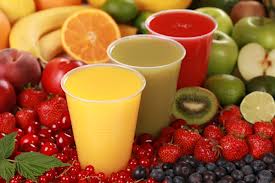
With the weather warming up, we will be consuming more icecream and frozen treats. Smoothies are a great way to cool off and get some great nutrients while you’re at it! I am reposting a post from last year written by Lara Cafruny, SDSU Dietetics Student. With the weather getting into the 70s this week, you might need to cool off with a delicious smoothie! -Kelsey
Lately there has been an explosion in the media discussing smoothies for weight loss, athletic performance, and meal replacements. Since the supplement industry heavily promotes “quick fixes”, keep in mind that an overall balanced diet is the best way to maintain or improve your health. The goal of many supplement industries is not to fix the problem, but rather to create addiction and increase revenue. Supplements are not regulated by the Food and Drug Administration and claims made for them are not always accurate or proven. However, homemade fruit and vegetable smoothies are way to guarantee your 5-A-Day natural nutrients. Consumption of fruits and vegetables may help prevent chronic diseases such as cancer, heart disease, and diabetes while delivering fiber and vitamins. With a new season upon us, we are gifted with a wider variety of options to choose from when eating the rainbow. Contrary to the common belief, consuming the recommended amounts of fruits and vegetables can be inexpensive and in the long run will save you money in terms of medical bills.
There are endless smoothie recipes you can use to make a quick breakfast, after a workout, or for an afternoon snack. Adding an extra boost to your smoothie such as protein powder or Greek yogurt will additionally provide other valuable nutrients. Here’s a guide to help get started
Add Fruit/Vegetable
|
Add Liquid
|
Add Thickener
|
Extra
|
| Banana, Berries, Apple, Pear, Peach, Kiwi, Pineapple, Cherries, Mango, Orange, Spinach, Kale, Beets, Carrots |
Dairy, Soy, Rice, or Almond Milk, Fruit Juice, Water, Iced Tea |
Peanut butter, Yogurt, Frozen yogurt, ice cubes, or oats. |
Honey, Cinnamon, Protein Powder, Mint, Figs, Dark Chocolate, Flaxseed. |
| Choose 2-3 |
Add 1-2 cups of liquid |
Pick your consistency |
Your preference |
Here are some examples:
Green Smoothie: Mango Chunks, Banana, Kale or Spinach, Apple Slices, Water, Plain low fat yogurt
Carrot Smoothie: Carrots, Orange, Pineapple, Low-sugar Apple Juice, Ice Cubes, Cinnamon
Desert Smoothie: Banana, Apple Slices, Low Fat/Skim Milk, Peanut Butter, Top with Dark Chocolate Shavings
Enjoy!
-Submitted by Lara Cafruny, SDSU Dietetics Student
