by kelsey | Mar 21, 2017 | Cooking Tips, Diabetes, Diet, Food, Heart Health, Weight Management, Wellness/Health

I had a patient ask me about eggs and thought that was a worthy blog topic since we haven’t discussed them in awhile! Here’s the scoop below!
These days eggs have been mis-perceived as a forbidden food, why is this? Eggs contain cholesterol, a type of fat made naturally in the body or found in animal produced foods, used by the body to keep us healthy. There are two types of cholesterol: “good” and “bad.” Low-density lipoprotein, or LDL, is known as “bad” cholesterol. High-density lipoprotein, or HDL, is known as “good” cholesterol. Too much of one type, or not enough of another can put you at risk for coronary heart disease, heart attack, or stroke. Depending on the size of the egg, one yolk contains about 185-215mg of cholesterol; the whites of the egg do not contain cholesterol. Today’s research shows that one egg yolk a day is fine for most healthy people, as long as their total cholesterol intake is 300 milligrams a day or less. For people at risk or diagnosed with heart disease, consuming less than 200 mg per day of cholesterol may be of further help to decrease significant health risks. The American Heart Association suggests for people with heart disease to consume no more than 2-3 eggs a week, substituting egg whites or cholesterol-free eggs as they choose.
Other benefits of eggs include: one large egg has just 70 calories; it is a good source of protein and vitamins A and D, B complex vitamins, and phosphorus. Eggs also supply lutein and zeaxanthin, which can help promote good eyesight.
-Kelsey
by kelsey | Mar 16, 2017 | Cooking Tips, Diabetes, Diet, Food, Weight Management, Wellness/Health

March is National Nutrition Month! National Nutrition month is an annual event that reinforces the importance of developing healthy and balanced eating and activity habits.
Fruits and vegetables are a great way to promote health and wellness while preventing disease. You all know this, but the doing it part, ie-eating 5 servings/day is typically missed and the majority are falling short in this area. To celebrate national nutrition month, I have included 20 ways to add fruits and veggies to your diet. This is something we all have to work at, including myself, so pick a few of these suggestions and give them a try! Strive to get 5/day along with a balanced intake of lean meats, whole grains, low fat dairy, and healthy fats. Balance, portion control, and moderation are keys to a healthy and successful diet!
1. Variety abounds when using vegetables as pizza topping. Try broccoli, spinach, green peppers, tomatoes, mushrooms and zucchini.
2. Mix up a breakfast smoothie made with low-fat milk, frozen strawberries and a banana.
3. Make a veggie wrap with roasted vegetables and low-fat cheese rolled in a whole-wheat tortilla.
4. Try crunchy vegetables instead of chips with your favorite low-fat salad dressing for dipping.
5. Grill colorful vegetable kabobs packed with tomatoes, green and red peppers, mushrooms and onions.
6. Add color to salads with baby carrots, grape tomatoes, spinach leaves or mandarin oranges.*
7. Keep cut vegetables handy for mid-afternoon snacks, side dishes, lunch box additions or a quick nibble while waiting for dinner. Ready-to-eat favorites: red, green or yellow peppers, broccoli or cauliflower florets, carrots, celery sticks, cucumbers, snap peas or whole radishes.
8. Place colorful fruit where everyone can easily grab something for a snack-on-the-run. Keep a bowl of fresh, just ripe whole fruit in the center of your kitchen or dining table.
9. Get saucy with fruit. Puree apples, berries, peaches or pears in a blender for a thick, sweet sauce on grilled or broiled seafood or poultry, or on pancakes, French toast or waffles.
10. Stuff an omelet with vegetables. Turn any omelet into a hearty meal with broccoli, squash, carrots, peppers, tomatoes or onions with low-fat sharp cheddar cheese.
11. “Sandwich” in fruits and vegetables. Add pizzazz to sandwiches with sliced pineapple, apple, peppers, cucumber and tomato as fillings.
12. Wake up to fruit. Make a habit of adding fruit to your morning oatmeal, ready-to-eat cereal, yogurt or toaster waffle.
13. Top a baked potato with beans and salsa or broccoli and low-fat cheese.
14. Microwave a cup of vegetable soup as a snack or with a sandwich for lunch.
15. Add grated, shredded or chopped vegetables such as zucchini, spinach and carrots to lasagna, meat loaf, mashed potatoes, pasta sauce and rice dishes.
16. Make fruit your dessert: Slice a banana lengthwise and top with a scoop of low-fat frozen yogurt. Sprinkle with a tablespoon of chopped nuts.
17. Stock your freezer with frozen vegetables to steam or stir-fry for a quick side dish.
18. Make your main dish a salad of dark, leafy greens and other colorful vegetables. Add chickpeas or edamame (fresh soybeans). Top with low-fat dressing.*
19. Fruit on the grill: Make kabobs with pineapple, peaches and banana. Grill on low heat until fruit is hot and slightly golden.
20. Dip: Whole wheat pita wedges in hummus, baked tortilla chips in salsa, strawberries or apple slices in low-fat yogurt, or graham crackers in applesauce.
http://www.eatright.org/nnm/handoutsandtipsheets/#.UyHnjs47Bw0
-Kelsey Raml, MS, RD, LN
by kelsey | Jan 10, 2017 | Cooking Tips, Diabetes, Diet, Food, Heart Health, Weight Management, Wellness/Health
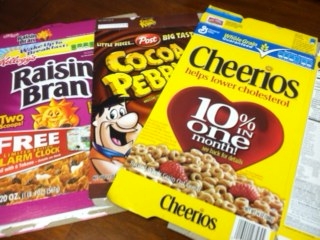
One of the most challenging aisles in the grocery store is the cereal and granola bar aisle as there are so many choices and it’s hard to know what’s good and what’s not! For those regular followers of our blog, you probably know by now that you should choose a whole grain cereal, but from there…how do you decipher which choice is better than another?! Well, let’s start with the basics…you want to avoid any of the real high sugar cereals such as Lucky Charms, Cocoa Pebbles, etc due to their high levels of white, refined sugars.
Here are some tips to help you make a healthy choices:
• 8 grams (g) of sugar or less/serving, if the cereal contains 3 g or less of fiber/serving
• 16 g or less of sugar/serving, if the cereal contains 5 g or more of fiber/serving
Note: raisin bran contains 20 g of sugar/serving and is the exception to the rule—still a great choice due to its higher fiber content)
• Instant hot cereals should contain no more than 100-150 milligrams (mg) of sodium/serving
In addition, be sure to fully read the nutrition facts label and not rely on the manufacturers marketing claims as they can often be misleading!
A way to make breakfast a more balanced meal is to add a source of protein and a serving of fruit to your meal. With the balance of protein, fiber found in your cereal, and some natural sugars, you are set to start your day off in a great way!
-Kelsey
by kelsey | Aug 3, 2016 | Cooking Tips, Diabetes, Diet, Food, Weight Management, Wellness/Health

Breakfast is one of the most important meals of the day! Yes, you have probably heard this before, but are you a breakfast eater!? Having a good breakfast is a great way to start out the day. It’s not only important for our body, but our mind too. Many times we’ll have excuses such as I was running late, I didn’t feel like eating, I’m not hungry in the morning, and this actually accounts for about a 1/4 to a 1/3 of the population! Starting the day without breakfast is like driving your car on a low tank of gas. We know we can’t go on forever on a low tank of gas, so we shouldn’t do that to our bodies either! Those that skip breakfast tend to snack more on high fat and lower nutritious foods…and are more likely to overeat at lunch because they are over-hungry. Studies have also shown that those working on weight loss are more successful when they eat breakfast as this really jump starts their metabolism and starts their day off right. In addition, eating a healthy breakfast helps our kids excel in school as it helps fuel the brain!
So what should you eat for breakfast? It’s important to get a balance at your meals and especially include a source of protein and a whole grain as these provide satiety. Here are some examples for you:
- Ready-to-eat cereal (>3g fiber, <2-3g fat, a ratio of greater than 4 g carbohydrate:1 g sugar)
- Hot cereal (oatmeal)
- Bagel with low-fat cream cheese or peanut butter
- Yogurt Parfait
- Fruit and yogurt smoothie
- Peanut butter or hummus on whole-wheat toast
- Breakfast quesadilla with low-fat cream cheese and sliced fruit
- Breakfast burrito or taco
- Toasted whole-wheat English muffin with lean ham and low-fat cheese
- Toasted pita with scrambled egg and low-fat cheese
- Low-fat milk and 100% fruit
- Meal replacement drink
If you are one who is not a fan of breakfast but understands the importance of it, I encourage you to try a variety of these options and see which one works best for you. I also encourage you to plan ahead. You may need to wake up 5 minutes earlier to fit breakfast in or make your smoothie the night before so all you have to do it pull the bottle or container out of the freezer or fridge in the morning and drink it on your way to work. Starting your day with a full tank will provide long lasting benefits to you and your body!
-Kelsey
by kelsey | Jul 13, 2016 | Cooking Tips, Diabetes, Diet, Food, Weight Management, Wellness/Health

Have you ever wondered how you can enjoy a sweet treat without all of the added calories?! Here are a few ideas for you:
- Mix flavored yogurt or plain yogurt honey and your favorite fruit.
- Drizzle a bit of honey over mixed melon balls.
- Blend bananas and strawberries, freeze into cubes, and eat like ice cream.
- Sauté or bake 1/2 banana and sprinkle with 1 tablespoon chopped nuts.
- Take three of your favorite kinds of berries; cook half of them with just enough water to prevent burning. Cool and stir in remaining berries. Portion 1/2 cup of the berry compote with 1 tablespoon of your favorite vanilla ice cream.
- Try making your favorite flavor of sugar free pudding with low-fat milk.
- If it’s ice cream that you really want- skip the scoop-yourself containers and buy single-serving novelty treats such as fudgesicles, creamsicles, even chocolate-covered ice cream bars. You’re more likely to limit your portions if they already come in a single serving
Enjoy!
-Kelsey
by kelsey | May 18, 2016 | Cooking Tips, Diabetes, Diet, Food, Weight Management, Wellness/Health

I get asked about healthy snack options on a regular basis. Snacking can be included in a healthy diet as long as you are making a good choice and watching your portions. I encourage snacks to have a balance of nutrients–especially healthy carbohydrates and lean proteins to help keep energy levels stable and provide satiety. Give these a try!
- Peanut butter and banana or apple
- Greek yogurt and fruit
- Hummus and carrots
- Low-fat cottage cheese and red pepper
- Snack mix with nuts, oats, and dried fruit
- Oatmeal topped with fruit and nuts
- Beef jerky and apple
- String cheese and whole grain crackers such as Wheat Thins or Triscuits
- Half of a turkey sandwich
- Almonds and fruit
- Yogurt
- Light popcorn
-Kelsey
