by kelsey | Jul 13, 2017 | Diabetes, Diet, Food, Weight Management, Wellness/Health

There’s a lot of buzz about carbohydrates….are they good? Are they bad? How much should you have? , etc etc etc. Many fad diets that are very popular right now are no carb diets so I thought it would be appropriate to discuss carbohydrates and give you a better idea of the professional recommendations! Carbohydrates are the main (and best) source of energy for your brain and central nervous system. Carbohydrates are essential for energy; however they raise your blood sugar levels higher and faster than any other kind of food. Carbohydrates are essential for your body to be able to sustain energy, so just like a car needs the right type of fuel (gas) to run, you need the right kind of fuel (food) to function and be healthy. To sustain energy, your body needs adequate carbohydrates: 50-60% of your total calories should come from carbohydrates. Cutting out all carbs can be very detrimental to our body, especially our brain, central nervous system, liver, kidneys, and heart. Because they are an excellent source of energy, but they do raise blood sugars, it’s important to recognize the types of carbohydrates and how to count them in efforts of controlling your blood sugars while still maintaining good health and adequate energy..
Carbohydrates are found in the following:
Starches: found in grains, some vegetables, and beans.
- Grains: bread, pasta, cereal, tortillas, rice
- Starchy Vegetables: potatoes, peas, corn, yams, squash
- Beans: kidney beans, pinto beans, black beans, garbanzo beans, and lentils
- **The best and recommended sources of starches are whole grains…choose them over the white, refined grains!
Sugars: found naturally in foods or added to foods.
- Natural Sugars: fruits, fruit juices, dairy products, honey, and molasses.
- Added Sugars: desserts, processed foods, candy, regular soda, and fruit drinks.
- **Natural sugars are better than added sugars, but large quantities of them can still raise your blood sugars…we recommend getting at 2-3 fruits and 3 servings of veggies/day. Anytime you can limit or eliminate the added sugars, do so!
To aid in ideal blood sugar control, we recommend a moderate intake of carbohydrates which means about 45-60g/meal and 15-30g/snack with several small meals and snacks throughout the day. I visit with patients daily about finding the right balance in their intake. If you would like help managing your blood sugars, to learn more about diabetes self care, or a personalized nutrition plan, be sure to contact me for further help!
-Kelsey Raml, MS, RD, LN
by kelsey | Jun 22, 2017 | Cooking Tips, Diabetes, Diet, Heart Health, Weight Management, Wellness/Health

It’s the middle of the afternoon and you are struggling to keep your eyes open and focus. You keep yawning and you’re thinking isn’t it 5’oclock yet?! Has this ever happened to you? I’m sure it has! Many of us can have lows in our energy levels and we often turn to caffeine to rev us back up…which isn’t always the best or smartest choice. Here are some tips to help you keep your energy levels stable and get you through the day!
- Eat consistently throughout the day. I am sure you have heard me say it before, but this really does apply to energy levels. Eating small amounts every 3-4 hours can aid in a healthy metabolism, blood sugar control, and ward off extreme hunger. It will also help you be more focused and attentive!
- Avoid heavy eating (ie-gravys, fried foods, rich foods, etc). Eating more moderately or lightly will help curb your cravings and reduce overeating which often results in feeling sluggish and sleepy (like on Thanksgiving!).
- Focus on balance. It’s really important to eat well balanced meals that include lean proteins, fruits and veggies, whole grains, and low fat dairy. Each food source offers the body various nutrients and a balance of these is best for fueling the body.
- Make healthy snacks. Snacks should be about 100-200 calories and have a balance of protein and fiber rich carbs. This balance stays with you and lasts longer, further helping sustain energy and blood sugar control. A piece of fruit with a handful of almonds, low fat string cheese and a few whole grain crackers, or yogurt and berries are some good choices.
- Watch the caffeine and sugar. Avoid soda, sugary coffee, and energy drinks as these foods will give you an energy boost, but it’s only short term, which result in a big energy crash an hour or two later. Instead choose water or unsweetened tea.
- Get good sleep. It’s really important to get a good nights rest, which includes at least 7-8 hours of sleep. This will help you wake up rested and ready to make the most of your day!
-Kelsey Raml, MS, RD, LN
by kelsey | Apr 27, 2017 | Diabetes, Diet, Food, Heart Health, Weight Management, Wellness/Health

Currently, about half of all American adults have one or more chronic diseases, many of which are associated with poor dietary intake and lack of physical activity. The Dietary Guidelines for Americans is a resource that provides nutrition and dietary advice designed to help Americans achieve and maintain a healthy body weight, meet nutrient needs, and reduce the risk of diet-related chronic diseases. Every five years, a new edition of the Dietary Guidelines is published. A committee of researchers in the fields of nutrition, health, and medicine develop this document through the analysis and evaluation of current scientific evidence.
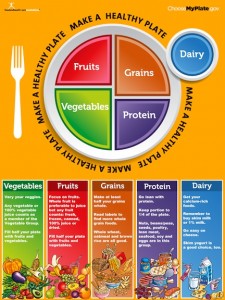
The 2015-2020 Dietary Guidelines for Americans emphasize the importance of following a healthy eating pattern. An eating pattern is the combination of foods and beverages that make up a person’s dietary intake over time. A healthy eating pattern includes:
Vegetables, a variety including dark green, red and orange, legumes (beans and peas), starchy, and other subgroups
Fruits, especially whole fruits
Grains, at least half of which are whole grains
Dairy, fat-free or low-fat, including milk, yogurt, cheese
Protein foods, a variety including seafood, lean meats and poultry, eggs, legumes (beans and peas), and nuts, seeds, and soy products
Oils, including those from plants such as canola, corn, olive, peanut, safflower, soybean, and sunflower; oils are also naturally present in nuts, seeds, seafood, olives, and avocados
A healthy eating pattern limits saturated fat, trans fat, refined starches, added sugars, and sodium. Keep in mind that improving your eating pattern and lifestyle doesn’t have to happen overnight. Start with small shifts in food choices. For example, try shifting from: white bread to whole wheat, full-fat cheese to low-fat, soft drinks to water, potato chips to unsalted nuts, and butter to olive or canola oil. A healthy eating pattern should be paired with appropriate levels of physical activity. Adults need at least 150 minutes of physical activity each week, and children ages 6 to 17 years need at least 60 minutes of physical activity per day.
For more information on an eating pattern specific to your body’s needs, contact a local registered dietitian or healthcare professional.
-Written by Amanda Berckes, SDSU Dietetic Intern
by kelsey | Apr 19, 2017 | Cooking Tips, Diabetes, Diet, Food, Weight Management

Snacking can be included in a healthy diet as long as you are making a good choice and watching your portions. I encourage snacks to have a balance of nutrients–especially healthy carbohydrates and lean proteins to help keep energy levels stable and provide satiety. Give these a try!
- Peanut butter and banana or apple
- Greek yogurt and fruit
- Hummus and carrots
- Low-fat cottage cheese and red pepper
- Snack mix with nuts, oats, and dried fruit
- Oatmeal topped with fruit and nuts
- Beef jerky and apple
- String cheese and whole grain crackers such as Wheat Thins or Triscuits
- Half of a turkey sandwich
- Almonds and fruit
- Yogurt
- Light popcorn
-Kelsey
by kelsey | Apr 12, 2017 | Cooking Tips, Diabetes, Diet, Food, Weight Management, Wellness/Health

This is a recipe Amanda Berckes, SDSU Dietetic Intern created. A healthy twist on homemade pizza! You can substitute the topping for your favorites if you don’t like the below options, such as switching the sausage for Canadian bacon or switching up the veggies. This recipe can save you 50-100 calories per slice compared to a typical slice of pizza and adds a bunch of really great nutrients. It is a favorite of her’s so enjoy!! -Kelsey
Homemade Pizza
Ingredients:
- 1 whole wheat thin 12” pizza crust
- ½ cup pizza sauce
- 2 tsp pizza seasoning blend
- ¾ cup chopped red bell pepper
- ¾ cup chopped green bell pepper
- ½ cup pieces or sliced mushroom
- ¼ cup chopped onions
- 6 oz lean turkey sausage
- 1 cup 2% shredded mozzarella cheese Directions:
- Preheat oven to 400°
- Lay crust on pizza pan and spread sauce on top
- Add seasoning and toppings
- Bake pizza for 6-10 minutes or until crust is golden brown along the edges
- Cut pizza into 6 pieces
Tips:
- Sprinkle a little corn meal on the pizza pan before putting the crust down to prevent sticking.
- If you prefer a crispier crust, bake the crust for 3-5 minutes before adding sauce and toppings.
- Sauté vegetables to soften them before adding to pizza.
| Nutrition Facts |
| Servings: 6 |
| Amount Per Serving: 1 slice |
| Calories 185 |
| % Daily Value * |
| Total Fat 7 g |
10 % |
| Saturated Fat 2 g |
11 % |
| Monounsaturated Fat 0 g |
| Polyunsaturated Fat 0 g |
| Trans Fat 0 g |
| Cholesterol 26 mg |
9 % |
| Sodium 248 mg |
10 % |
| Potassium 100 mg |
3 % |
| Total Carbohydrate 19 g |
6 % |
| Dietary Fiber 3 g |
13 % |
| Sugars 4 g |
|
| Protein 14 g |
27 % |
| Vitamin A |
20 % |
| Vitamin C |
66 % |
| Calcium |
17 % |
| Iron |
8 % |
| * The Percent Daily Values are based on a 2,000 calorie diet, so your values may change depending on your calorie needs. The values here may not be 100% accurate because the recipes have not been professionally evaluated nor have they been evaluated by the U.S. FDA. |
-Written and created by Amanda Berckes, SDSU Dietetic Intern
by kelsey | Apr 11, 2017 | Cooking Tips, Diabetes, Diet, Food, Weight Management, Wellness/Health

‘Tis the season for grilling!
Grilling is a fun and convenient way to cook, especially with the weather getting nicer. Cooking on the grill can also be a very healthy cooking method. Keep the following tips in mind to have a healthy and delicious grilling season.
- Go light on the sauces. Grilling and dipping sauces can be high in added sugar and/or sodium. Make your own sauce, add spices and herbs, or cut back on the amount of sauce used. Let the delicious flavor of grilling do its job.
- Choose lean protein sources. Fish and skinless poultry taste great on the grill and are typically lower in saturated fat than red meats. Meat and pork can also be good choices—just opt for leaner cuts and watch the portions. Choose “loin” or “round” cuts and meats that are 90-95% lean. The recommended portion size of meat is 3 ounces, which is about the size of a deck of cards.
- Choose a whole-grain bun instead of white for added nutrients and fiber. If you’re watching your calorie or carbohydrate intake, go with half of the bun or use a lettuce wrap.
- Cut up colorful vegetables (like bell peppers, mushrooms, zucchini, onions, squash, potatoes, carrots, etc.) and grill them on kabobs or in aluminum foil. Toss the vegetable pieces in a little bit of oil to prevent them from drying out and sticking to the grill.
- Fruits can be grilled too! Cut up fresh fruit and put them on kebabs. Choose firm fruits like apples, peaches, pineapple, pears, or cantaloupe. These fruits are less likely to fall apart or become too mushy on the grill. Bananas can even be grilled—just keep it in its peel to protect the banana’s soft texture.
- Don’t forget to clean your grill regularly. Failing to do so can cause food to stick to the grades, uneven cooking temperatures, and shortened longevity of the grill.
Written by Amanda Berckes, SDSU Dietetic Intern