by kelsey | Sep 24, 2013 | Cooking Tips, Diabetes, Diet, Food, Weight Management

Sunday marked the first official day of fall. Fall is my favorite seasons and I am always excited when this time of the year comes around. One of my favorite things about fall is all of the tasty foods we get to enjoy thanks to harvest time. My parents have a big garden and I get to reap the benefits of their hard work with fresh garden produce as well as lots of really great apples from their trees. A lot of time and effort goes into harvesting the garden, but being able to enjoy home grown produce nearly year round makes it well worth it. If you do not have a garden of your own, I encourage you to check out the farmer’s market and take advantage of all of the great foods present there during this time of year! The are located in the Running’s parking lot every Saturday morning. One of my all time favorite foods of fall is apple crisp. I think I could eat this every day! Since this is one of my favorites and I struggle with portion control, I have adapted a recipe to make it a bit healthier. Give it a try!
Apple Crisp
Mix your sliced apples with cinnamon and sugar (I use Splenda/Splenda Blend as the sugar form). Mix to your liking of taste.
Layer the apples in the bottom of a pan (use a smaller pan if you like it thicker).
Topping: 1 c flour, 1 c brown sugar, 1 cup quick oats, 1 stick of butter.
My alterations for the topping include: You can use whole wheat flour in place of white flour, Splenda Brown Sugar (use the conversion guide on the back of the bag) in place of regular brown sugar, and in place of the butter, I use Can’t Believe It’s Not Butter All-Purpose stick—this kind is trans fat free and has lower saturated fats than regular butter.
Mix the topping together and crumble over the apples.
Bake at 350 degrees F for 30 min.
Enjoy!!
-Kelsey
by kelsey | May 30, 2013 | Diabetes, Diet, Food, Weight Management
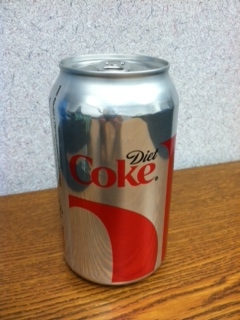
One of the most frequent questions I get from patients is what the real truth is about artificial sugars. You hear all kinds of good and bad things about them, so how do you know what to believe?! Well….here’s the facts:
Artificial sweeteners or sugar substitutes refer to substances that have little to no calories or other nutrients and are added to foods and beverages to provide a taste that is similar to table sugar (sucrose). Because artificial sweeteners are many times sweeter than table sugar, smaller amounts are needed to create the same level of sweetness.
There are five artificial sweeteners that have been tested and approved by the U.S. Food and Drug Administration (FDA):
Acesulfame-K is 200 times sweeter than sugar and it is heat stable, making it great for cooking or baking. The FDA approved acesulfame-K in 1998. Brand names include Sunett and Sweet One.
Aspartame is 200 times sweeter than table sugar and is one of the most commonly used sweeteners today. Aspartame was approved by the FDA in 1981 and is used in a variety of foods. Brand names include NutraSweet and Equal.
Saccharin is about 300 times sweeter than sugar and is used as tabletop sweetener, in baked goods, jams, chewing gum, canned fruit, candy, dessert toppings and salad dressings. The FDA approved saccharin in 1981, along with a warning label stating it was ‘reasonably anticipated to be a human carcinogen’. This warning label was lifted in 2000, after numerous studies cited there is no evidence that saccharin is associated with an incidence of cancer. Brand names include Sweet ‘N Low, Sweet Twin and Sugar Twin.
Sucralose is about 600 times sweeter than table sugar and approved by the FDA in 1999. Sucralose is not absorbed by the body and is eliminated through the urine and feces resulting in zero calories. Sucralose is also heat stable so it can be used for cooking or baking. The brand name for sucralose is Splenda.
Neotame is 7,000-13,000 times sweeter than sugar. Neotame is approved for use in beverages, dairy products, frozen desserts, baked goods and gums. Neotame is not available for consumer purchase at this time.
Stevia has become a popular sweetener in recent years and is extracted from the leaves of the Stevia Rebaudiana Bertoni bush. Two forms can be extracted: Reb A and stevioside. Both are 200-300 times sweeter than table sugar and are calorie free. In 2008, Reb A was generally recognized as safe by the FDA for use as a tabletop sweetener and in prepared foods. Brand names include A Sweet Leaf, Sun Crystals, Stevia, Truvia, and PureVia.
There is a lot of confusion about artificial sugars due to the mixed messages consumers hear about their risks, but when you really look at the studies and evidence, there are are in fact little concerns. According the the FDA, National Cancer Institute, and several other health agencies, there is no sound evidence that these artificial sugars approved cause cancer or serious health problems. Acceptable Daily Intake levels have been set by the FDA to help you determine how much you can consume and still be safe. The ADIs are set at 100x less than the smallest amount that may be harmful. So in order to actually come close to being at risk for side effects it would mean the average person would have to consume around 20 cans of diet pop/day to experience adverse effects. Please see the charts below:
Acceptable Daily Intake for Various Levels: Note the ADI is based on kg of body weight. Take your weight in pounds divided by 2.2 to get your weight in kg.
|
ADI (mg/kg body weight)
|
Average (mg) amount in 12oz can soda
|
Amount (mg) in a packet of sweetener
|
| Acesulfame-K |
15
|
40**
|
50
|
| Aspartame |
50
|
200
|
35
|
| Saccharin |
5
|
140
|
40
|
| Sucralose |
5
|
70
|
5
|
| Sweetener |
Number of 12oz cans diet soda to reach the ADI |
Number of artificial sweetener packets to reach the ADI |
| Acesulfame-K |
25.6
|
20.4
|
| Aspartame |
17
|
97.4
|
| Saccharin |
2.4
|
8.6
|
| Sucralose |
4.8
|
68.2
|
| Stevia/Reb A |
Product info not available. Sodas containing stevia are not widely available |
30
|
There are also newer studies suggesting that the use of artificial sweeteners tricks our body as it’s not real sugar and in turn we eat more. These studies are inconclusive and not reliable.
The Bottom Line:
Adults may be able to better manage weight when sugary foods and beverages are replaced with artificial sweeteners as these artificial sweeteners are sugar free, calorie free. Studies have also shown that artificial sweeteners do not increase appetite or food intake in adults, adolescents or children. The American Academy of Nutrition & Dietetics states that, “based on studies reviewed, artificial sweeteners are safe for use in the general population.” Special populations, such as pregnant women, should limit the use of sugar substitutes and avoid saccharin, since the fetus may not be able to clear the substance quickly enough. Individuals with PKU should avoid aspartame since phenylalanine is found in aspartame. However, individuals with this genetic predisposition can use neotame. So all in all, I recommend them for those wanting to manage their weight and control their blood sugars, however moderation and portion control are key!!
Source:ADA Evidence Analysis Library (2011).The Truth about Artificial Sweeteners or Sugar Substitutes: How Much Is Too Much?.Retrieved May 1, 2012 from the American Dietetic Association. Website: http://www.adaevidencelibrary.com/files/Docs/NNSResourceDraft3.pdf
-Kelsey
by kelsey | May 22, 2013 | Cooking Tips, Diabetes, Diet, Food, Weight Management

As I’ve said before, one of my favorite parts of STRIVE 2 Survive is enjoying the various selections County Fair Foods provides for us. Last night, we had an excellent strawberry trifle and it was so good I thought I’d share the recipe with you!
Ingredients:
1 container of cool whip (use light, fat free, or sugar free)
1 sugar free angel food cake (baked)
1 sugar free strawberry jello (mixed)
1 sugar free vanilla instant pudding (mixed)
1 container of sweetened strawberries (thawed)
Steps:
Tear angel food cake into pan.
Pour jello over angel food
Pour sweetened strawberries.
Pour Pudding
Top with cool whip.
As you can see, we all really enjoyed it as the pan is almost gone!

This is great for a summer picnic and to give your sweet tooth a fix without all of the extra calories!
-Kelsey
by kelsey | Mar 14, 2013 | Diabetes, Diet, Food, Weight Management

Does your sweet tooth ever get the best of you? Mine sure does! County Fair Foods had an excellent and very tasty sweet treat at our lecture on Tuesday. The recipe is easy and it’s very tasty, be sure to give it a try!
Fruit Cobbler
1-16oz bags of frozen fruit
1 boxed angel food cake mix
1 12 oz can diet 7up
Place fruit in bottom of a 9×13 pan. Pour angel food cake mix over the top and add 7up. Do not mix. Bake 1 hour.
Enjoy!
Kelsey
by kelsey | Nov 14, 2012 | Diabetes

To celebrate today’s World Diabetes Day, I decided to discuss carbohydrates. Carbohydrates are the main (and best) source of energy for your brain and central nervous system. Carbohydrates are essential for energy; however they raise your blood sugar levels higher and faster than any other kind of food. Carbohydrates are essential for your body to be able to sustain energy so just like a car needs the right type of fuel (gas) to run just like you need the right kind of fuel (food) to function and be healthy. To sustain energy, your body needs adequate carbohydrates: 50-60% of your total calories should come from carbohydrates. Cutting out all carbs can be very detrimental to our body, especially our brain, central nervous system, liver, kidneys, and heart. Because they are an excellent source of energy, but they do raise blood sugars, it’s important to recognize the types of carbohydrates and how to count them in efforts of controlling your diabetes.
Carbohydrates are found in the following:
Starches: found in grains, some vegetables, and beans
- Grains: bread, pasta, cereal, tortillas, rice
- Starchy Vegetables: potatoes, peas, corn, yams, squash
- Beans: kidney beans, pinto beans, black beans, garbanzo beans, and lentils
Sugars: found naturally in foods or added to foods.
- Natural Sugars: fruits, fruit juices, dairy products, honey, and molasses.
- Added Sugars: desserts, processed foods, candy, regular soda, and fruit drinks.
To aid in ideal blood sugar control, we recommend a moderate intake of carbohydrates which means about 45-60g/meal and 15-30g/snack with several small meals and snacks throughout the day. I visit with patients daily about finding the right balance in their intake. If you would like help managing your blood sugars, to learn more about diabetes self care, or a personalized nutrition plan, be sure to contact me for further help!
-Kelsey
by kelsey | Nov 1, 2012 | Diabetes

Today, November 1st, marks the first day of the American Diabetes Month. November is a time to bring awareness about the disease and promote healthy living, in efforts to decrease risk for this disease. Statistics show that nearly 26 million children and adults in the U.S. have diabetes and another 79 million have prediabetes. The estimated cost to care for those diagnosed with diabetes in the U.S. is about $174 billion (eatright.org). Diabetes is a disease that can be fairly well controlled by proper diet, activity, and med management. If not managed appropriately, diabetes can have serious long term side effects such as blindness, leg and foot amputations, kidney disease, and even death.
Your providers at the Brown Clinic provide you with a top-notch multidisciplinary team to give you the best care for treating diabetes and prediabetes. Care always starts with your primary provider (MD, CNP, PA) to help you create the best plan of treatment. Your provider may then refer you to other disciplines for specialized help such as myself for nutrition therapy, Deidra Van Gilder, PharmD for medication and insulin management, and Dr. Johnson and Dr. Torness for your foot care needs.
If you have prediabetes or diabetes and you see me for nutrition therapy, we will review your diet and discuss ways to improve it to help improve your blood sugars. We may also discuss carb counting/exchanges, portion sizes, label reading, plate method, weight management strategies, and ways to be more active. I also provide education on diabetes self care and glucometer use. Sometimes all of these topics can be confusing and you aren’t sure what to believe when you read about it online, thus a Registered Dietitian, like myself can help you create a plan to fit your needs and your lifestyle and help you learn and understand what is best for you and your needs. If light of Diabetes Month, we encourage you to put you and your health first and learn more about ways to prevent and manage diabetes. If you would like to learn more about our services, be sure to contact us today!
-Kelsey
