by kelsey | Mar 13, 2014 | Cooking Tips, Diabetes, Diet, Food, Weight Management, Wellness/Health


In celebration of RD Day and Nutrition Month, I thought I’d give you some ideas on ways to get your 5 servings a day of fruits and veggies. We all need to work at getting more fruits and veggies in our diets as they are loaded with vitamins and minerals and aid in disease prevention. Including more fruits and veggies in your diet doesn’t have to be a challenging task! Here are some suggestions to help you boost your intake.
1. Variety abounds when using vegetables as pizza topping. Try broccoli, spinach, green peppers, tomatoes, mushrooms and zucchini.
2. Mix up a breakfast smoothie made with low-fat milk, frozen strawberries and a banana.
3. Make a veggie wrap with roasted vegetables and low-fat cheese rolled in a whole-wheat tortilla.
4. Try crunchy vegetables instead of chips with your favorite low-fat salad dressing for dipping.
5. Grill colorful vegetable kabobs packed with tomatoes, green and red peppers, mushrooms and onions.
6. Add color to salads with baby carrots, grape tomatoes, spinach leaves or mandarin oranges.*
7. Keep cut vegetables handy for mid-afternoon snacks, side dishes, lunch box additions or a quick nibble while waiting for dinner. Ready-to-eat favorites: red, green or yellow peppers, broccoli or cauliflower florets, carrots, celery sticks, cucumbers, snap peas or whole radishes.
8. Place colorful fruit where everyone can easily grab something for a snack-on-the-run. Keep a bowl of fresh, just ripe whole fruit in the center of your kitchen or dining table.
9. Get saucy with fruit. Puree apples, berries, peaches or pears in a blender for a thick, sweet sauce on grilled or broiled seafood or poultry, or on pancakes, French toast or waffles.
10. Stuff an omelet with vegetables. Turn any omelet into a hearty meal with broccoli, squash, carrots, peppers, tomatoes or onions with low-fat sharp cheddar cheese.
11. “Sandwich” in fruits and vegetables. Add pizzazz to sandwiches with sliced pineapple, apple, peppers, cucumber and tomato as fillings.
12. Wake up to fruit. Make a habit of adding fruit to your morning oatmeal, ready-to-eat cereal, yogurt or toaster waffle.
13. Top a baked potato with beans and salsa or broccoli and low-fat cheese.
14. Microwave a cup of vegetable soup as a snack or with a sandwich for lunch.
15. Add grated, shredded or chopped vegetables such as zucchini, spinach and carrots to lasagna, meat loaf, mashed potatoes, pasta sauce and rice dishes.
16. Make fruit your dessert: Slice a banana lengthwise and top with a scoop of low-fat frozen yogurt. Sprinkle with a tablespoon of chopped nuts.
17. Stock your freezer with frozen vegetables to steam or stir-fry for a quick side dish.
18. Make your main dish a salad of dark, leafy greens and other colorful vegetables. Add chickpeas or edamame (fresh soybeans). Top with low-fat dressing.*
19. Fruit on the grill: Make kabobs with pineapple, peaches and banana. Grill on low heat until fruit is hot and slightly golden.
20. Dip: Whole wheat pita wedges in hummus, baked tortilla chips in salsa, strawberries or apple slices in low-fat yogurt, or graham crackers in applesauce.
Source: Academy of Nutrition and Dietetics: www.eatright.org.
http://www.eatright.org/nnm/handoutsandtipsheets/#.UyHnjs47Bw0
-Kelsey
by kelsey | Jan 30, 2014 | Cooking Tips, Diabetes, Diet, Food, Weight Management

One of the most challenging aisles in the grocery store is the cereal and granola bar aisle as there are so many choices and it’s hard to know what’s good and what’s not! For those regular followers of our blog, you probably know by now that you should choose a whole grain cereal, but from there…how do you decipher which choice is better than another?! Well, let’s start with the basics…you want to avoid any of the real high sugar cereals such as Lucky Charms, Cocoa Pebbles, etc due to their high levels of white, refined sugars.
Here are some tips to help you make a healthy choices:
• 8 grams (g) of sugar or less/serving, if the cereal contains 3 g or less of fiber/serving
• 16 g or less of sugar/serving, if the cereal contains 5 g or more of fiber/serving
Note: raisin bran contains 20 g of sugar/serving and is the exception to the rule—still a great choice due to its higher fiber content)
• Instant hot cereals should contain no more than 100-150 milligrams (mg) of sodium/serving. A better choice is cooking oatmeal the old fashioned way on the stove from the canister as the instant packets have a lot of sodium.
In addition, be sure to fully read the nutrition facts label and not rely on the manufacturers marketing claims as they can often be misleading!
A way to make breakfast a more balanced meal is to add a source of protein and a serving of fruit to your meal. With the balance of protein, fiber found in your cereal, and some natural sugars, you are set to start your day off in a great way!
-Kelsey
by kelsey | Nov 7, 2013 | Diabetes, Diet, Wellness/Health

There’s a lot of buzz about carbohydrates….are they good? Are they bad? How much should you have? , etc etc etc. Since we are discussing diabetes in celebration of National Diabetes Month, I thought it would be appropriate to discuss carbohydrates. Carbohydrates are the main (and best) source of energy for your brain and central nervous system. Carbohydrates are essential for energy; however they raise your blood sugar levels higher and faster than any other kind of food. Carbohydrates are essential for your body to be able to sustain energy, so just like a car needs the right type of fuel (gas) to run, you need the right kind of fuel (food) to function and be healthy. To sustain energy, your body needs adequate carbohydrates: 50-60% of your total calories should come from carbohydrates. Cutting out all carbs can be very detrimental to our body, especially our brain, central nervous system, liver, kidneys, and heart. Because they are an excellent source of energy, but they do raise blood sugars, it’s important to recognize the types of carbohydrates and how to count them in efforts of controlling your blood sugars while still maintaining good health and adequate energy..
Carbohydrates are found in the following:
Starches: found in grains, some vegetables, and beans.
- Grains: bread, pasta, cereal, tortillas, rice
- Starchy Vegetables: potatoes, peas, corn, yams, squash
- Beans: kidney beans, pinto beans, black beans, garbanzo beans, and lentils
- **The best and recommended sources of starches are whole grains…choose them over the white, refined grains!
Sugars: found naturally in foods or added to foods.
- Natural Sugars: fruits, fruit juices, dairy products, honey, and molasses.
- Added Sugars: desserts, processed foods, candy, regular soda, and fruit drinks.
- **Natural sugars are better than added sugars, but large quantities of them can still raise your blood sugars…we recommend getting at 2-3 fruits and 3 servings of veggies/day. Anytime you can limit or eliminate the added sugars, do so!
To aid in ideal blood sugar control, we recommend a moderate intake of carbohydrates which means about 45-60g/meal and 15-30g/snack with several small meals and snacks throughout the day. I visit with patients daily about finding the right balance in their intake. If you would like help managing your blood sugars, to learn more about diabetes self care, or a personalized nutrition plan, be sure to contact me for further help!
-Kelsey Raml, MS, RD, LN
by kelsey | Nov 6, 2013 | Diabetes
November marks American Diabetes Month. November is a time to bring awareness about the disease and promote healthy living, in efforts to decrease risk for this disease. Statistics show that nearly 26 million children and adults in the U.S. have diabetes and another 79 million have prediabetes. The estimated cost to care for those diagnosed with diabetes in the U.S. is about $174 billion (eatright.org). Diabetes is a disease that can be fairly well controlled by proper diet, activity, and med management. If not managed appropriately, diabetes can have serious long term side effects such as blindness, leg and foot amputations, kidney disease, and even death.
Your providers at the Brown Clinic provide you with a top-notch multidisciplinary team to give you the best care for treating diabetes and prediabetes. Care always starts with your primary provider (MD, CNP, PA) to help you create the best plan of treatment. Your provider may then refer you to other disciplines for specialized help such as myself for nutrition therapy, Deidra Van Gilder, PharmD for medication and insulin management, and Dr. Torness for your foot care needs.
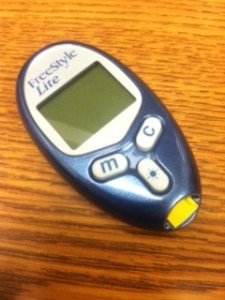
If you have prediabetes or diabetes and you see me for nutrition therapy, we will review your diet and discuss ways to improve it to help improve your blood sugars. We may also discuss carb counting/exchanges, portion sizes, label reading, plate method, weight management strategies, and ways to be more active. I also provide education on diabetes self care and glucometer use. Sometimes all of these topics can be confusing and you aren’t sure what to believe when you read about it online or you need further education, thus a Registered Dietitian, like myself can help you create a plan to fit your needs and your lifestyle and help you learn and understand what is best for you and your needs. If light of Diabetes Month, we encourage you to put you and your health first and learn more about ways to prevent and manage diabetes. If you would like to learn more about our services, be sure to contact us today!
-Kelsey Raml, MS, RD, LN
by kelsey | Oct 17, 2013 | Cooking Tips, Diabetes, Diet, Food, Weight Management, Wellness/Health

You have probably heard that breakfast is the best meal of the day. A healthy breakfast provides energy to your body and especially your brain to start the day off right. It also gives your metabolism a boost and aids in blood sugar control. Despite these recommendations and great benefits, many people skip breakfast because they don’t have time or should I say, they didn’t make time! I know it’s hard to sit down and eat breakfast when you’re on the run and need to get work, drop the kids off at school, etc., so here are some ideas to give you that great nourishment in the morning while your’e on the go.
- English Muffin Sandwich: Toast an english muffin and add low fat cheese and a few slices of lean turkey, ham, or canadian bacon and melt it in the microwave quick. Add a piece of fruit to it to create a balanced meal.
- Yogurt Parfait: add some low-fat granola and mixed berries to low fat yogurt to make a parfait.
- Peanut Butter Sandwich: pair a banana with it too (this is one of my favorites!…see the picture)
- Low Fat Cream Cheese on Whole Grain Bread
- Meal Replacement Shake: such as Special K Protein, Ensure, Boost, Slim Fast
- Protein Bar
It may take a little planning to have these options available, but planning is truly key to a successful and healthy diet. Give it a try!
-Kelsey
by kelsey | Sep 26, 2013 | Cooking Tips, Diabetes, Diet, Food, Weight Management

As I have stated before, one of my favorite parts of our STRIVE 2 Survive lectures is getting to taste and enjoy the new and healthy recipes County Fair Foods provides. This last Tuesday they had two really great ones and I can’t resist sharing the recipes with you!
Creamy Spinach and Feta Dip (pictured above)
Ingredients:
6 oz nonfat Greek yogurt3/4 c crumbled feta cheese
2 oz 1/3 less fat cream cheese, softened
1/4 c low-fat/fat free sour cream
1 garlic clove, crushed
1 1/2 cups finely crushed fresh spinach
1 Tbsp fresh dill
1/8 tsp black pepper
Preparation: place yogurt, feta cheese, cream cheese, sour cream and crushed garlic clove in a food processor; process until smooth. Spoon yogurt into a medium bowl, stir in spinach, fresh dill, and black pepper. Cover and chill. Enjoy with whole grain pita chips or whole grain crackers such as Wheat Thins or Triscuits. For 1/4 cup serving this gives you 75 calories.

Healthy Cookies (pictured above)
Ingredients
3 ripe bananas
2 cups rolled oats
1 cup dates, pitted, and chopped
1/3 cup canola oil
1 tsp vanilla extract
Directions:
Preheat oven to 350 degrees F
In a large bowl, mash the bananas. Stir in oats, dates, oil, and vanilla. Mix well, and allow to sit for 15 minutes. Drop by teaspoonfuls onto an ungreased cooked sheet.
Bake for 20 minutes in the preheated oven or until lightly brown.
1 cookie has about 50 calories.
Enjoy!
-Kelsey
