by kelsey | Nov 6, 2018 | Diabetes, Diet, Food, Weight Management, Wellness/Health
There’s a lot of buzz about carbohydrates….are they good? Are they bad? How much should you have? , etc etc etc. In celebration of National Diabetes Month, I thought it would be appropriate to discuss carbohydrates. Carbohydrates are the main (and best) source of energy for your brain and central nervous system. Carbohydrates are essential for energy; however they raise your blood sugar levels higher and faster than any other kind of food. Carbohydrates are essential for your body to be able to sustain energy, so just like a car needs the right type of fuel (gas) to run, you need the right kind of fuel (food) to function and be healthy. To sustain energy, your body needs adequate carbohydrates: 50% of your total calories should come from carbohydrates. Cutting out all carbs can be very detrimental to our body, especially our brain, central nervous system, liver, kidneys, and heart. Because they are an excellent source of energy, but they do raise blood sugars, it’s important to recognize the types of carbohydrates and how to count them in efforts of controlling your blood sugars while still maintaining good health and adequate energy..
Carbohydrates are found in the following:
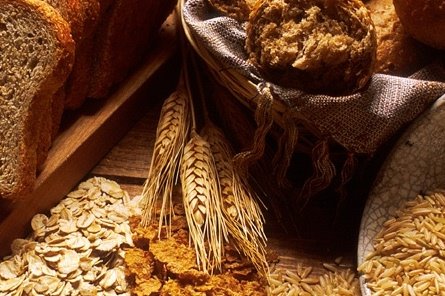
Starches: found in grains, some vegetables, and beans.
•Grains: bread, pasta, cereal, tortillas, rice
•Starchy Vegetables: potatoes, peas, corn, yams, squash
•Beans: kidney beans, pinto beans, black beans, garbanzo beans, and lentils
•**The best and recommended sources of starches are whole grains…choose them over the white, refined grains!
Sugars: found naturally in foods or added to foods.
•Natural Sugars: fruits, fruit juices, dairy products, honey, and molasses.
•Added Sugars: desserts, processed foods, candy, regular soda, and fruit drinks.
•**Natural sugars are better than added sugars, but large quantities of them can still raise your blood sugars…we recommend getting at 2-3 fruits and 3 servings of veggies/day. Anytime you can limit or eliminate the added sugars, do so!
To aid in ideal blood sugar control, we recommend a moderate intake of carbohydrates which means about 45-60g/meal and 15-30g/snack with several small meals and snacks throughout the day. I visit with patients daily about finding the right balance in their intake. If you would like help managing your blood sugars, to learn more about diabetes self care, or a personalized nutrition plan, be sure to contact me for further help!
-Kelsey
by kelsey | Jul 12, 2018 | Cooking Tips, Diabetes, Diet, Food, Weight Management, Wellness/Health

Although carbs are our primary source of fuel, it is very important to combine carbs with protein so that you feel satisfied and don’t hear your stomach growling an hour later. Pairing them together can also aid in stable blood sugar and energy control.
In addition, eating protein with your carbs will help to repair those muscles that you’re using during various activities in the summer and will also help you recover faster. Examples of pairing include:
*Cheese Stick + Whole Grain Crackers
*Peanut Butter + Banana or Apple
*Greek Yogurt + Granola
*Almonds + Fruit
-Written by Rachel Astleford, SDSU Dietetic Student
by kelsey | Jul 10, 2018 | Cooking Tips, Diabetes, Diet, Weight Management, Wellness/Health

During hot summer days when it’s fun to be outside and spend several hours jet skiing or swimming, it can be easy to forget to drink water. It’s important to keep yourself hydrated so that you don’t jeopardize your health. Staying properly hydrated helps to reduce your risk of getting injured and helps to keep your blood pressure at a normal level. Read below to calculate what amount of water you should be consuming daily so that you can continue to spend hours in the sun without worrying about dehydration.
Generally, it is recommended to drink 8 eight ounce cups of water daily. However, during long days in the sun, you may need to consume more than 64 ounces of water. Every person has a different weight, and that affects how much water you should consume. An easy way to figure out the amount of water to drink is to divide your body weight (in pounds) by two and that number is how many ounces you should consume. For example, a person weighing 150 lbs should aim for 75 ounces of water daily.
Here are some ways you can change up your water so that it’s more exciting to drink:
- Squeeze in some lemon or lime and add frozen tropical fruit
- Try a flavored sparkling water to get that soda taste without all the calories and sugar
- Make it a game with yourself and challenge yourself to drink some water every time you use your phone
-Written by Rachel Astleford, SDSU Dietetic Student
by kelsey | Nov 21, 2017 | Cooking Tips, Diabetes, Diet, Food, Weight Management, Wellness/Health

Happy Thanksgiving to you! The Thanksgiving holiday is always a fun one enjoyed by all as we stuff ourselves and then resort to the couch to watch football or the start of the holiday tv shows. Here are some tips for you to get through the holiday without putting on all those undesired extra pounds.
- Survey the entire table before you take any food. Decide what foods are worth eating and what can be ignored, and then stick to that decision. Why waste calories on foods that don’t bring you pleasure?
- Eat a snack before you leave home. If you arrive at a party starving, you’ll be more likely to overindulge.
- Eat your calories instead of drinking them. Stick to lower calorie or calorie-free drinks (diet sodas, water, light beer, or wine spritzer) instead of punches, eggnogs, and mixed drinks that can have up to 500 calories per cup.
- Sip a large glass of water between every alcoholic drink or non-alcoholic punch or eggnog. This will help keep you hydrated and you’ll drink fewer calories by the end of the night.
- When you are the host or hostess, include nutritious and lower-calorie foods like fruits, vegetables, and lean meats on the menu. When you are a guest, bring along a lower-calorie dish to share.
- Try not to hang out near the food. Find a comfortable spot across the room and focus on people instead of eating.
- Watch your portion sizes. Don’t cover your plate completely with food. In most cases, especially when it comes to holiday sweets and alcoholic beverages, less is better. Use a smaller plate or bowl and have just a sliver of pie like the picture shows.
- Drop out of the “clean plate club”. Leave a few bites behind every time you eat, especially if you are eating something you don’t really care for.
- Enjoy your favorite holiday treats but take a small portion, eat slowly, and savor the taste and texture of the wonderful foods of the season.
- Skip the pie crust and go for the filling.
- Choose light meat over dark meat.
- Use home-made cranberry sauce over canned cranberries that are jam packed with added sugars.
- In soups, sauces, puddings, and desserts: Replace whole milk or cream with low-fat milk, evaporated fat-free milk, or nonfat dry milk.
Lighten up your recipes:
- To make dips and toppings: Use low-fat or nonfat cottage cheese or sour cream, or non-fat Greek yogurt.
- To make salad dressings: Use nonfat Greek yogurt or low-fat buttermilk.
- In place of 1 whole egg in recipes: Use 2 egg whites or 1/4 cup egg substitute.
- In place of regular cheese: Use fat-free or reduced-fat cheese.
- In place of full sugar: replace half with Splenda or reduce half completely.
- In place of fats: use unsweetened applesauce or oil (1-1 replacement), or prune puree (1 cup of fat=1/2 cup puree).
More importantly is ENJOY your family and friends and all that have to the THANKful for!
-Kelsey
by kelsey | Nov 2, 2017 | Diabetes, Diet, Food, Weight Management, Wellness/Health

There’s a lot of buzz about carbohydrates….are they good? Are they bad? How much should you have? , etc etc etc. In celebration of National Diabetes Month, I thought it would be appropriate to discuss carbohydrates. Carbohydrates are the main (and best) source of energy for your brain and central nervous system. Carbohydrates are essential for energy; however they raise your blood sugar levels higher and faster than any other kind of food. Carbohydrates are essential for your body to be able to sustain energy, so just like a car needs the right type of fuel (gas) to run, you need the right kind of fuel (food) to function and be healthy. To sustain energy, your body needs adequate carbohydrates: 50% of your total calories should come from carbohydrates. Cutting out all carbs can be very detrimental to our body, especially our brain, central nervous system, liver, kidneys, and heart. Because they are an excellent source of energy, but they do raise blood sugars, it’s important to recognize the types of carbohydrates and how to count them in efforts of controlling your blood sugars while still maintaining good health and adequate energy..
Carbohydrates are found in the following:
Starches: found in grains, some vegetables, and beans.
- Grains: bread, pasta, cereal, tortillas, rice
- Starchy Vegetables: potatoes, peas, corn, yams, squash
- Beans: kidney beans, pinto beans, black beans, garbanzo beans, and lentils
- **The best and recommended sources of starches are whole grains…choose them over the white, refined grains!
Sugars: found naturally in foods or added to foods.
- Natural Sugars: fruits, fruit juices, dairy products, honey, and molasses.
- Added Sugars: desserts, processed foods, candy, regular soda, and fruit drinks.
- **Natural sugars are better than added sugars, but large quantities of them can still raise your blood sugars…we recommend getting at 2-3 fruits and 3 servings of veggies/day. Anytime you can limit or eliminate the added sugars, do so!
To aid in ideal blood sugar control, we recommend a moderate intake of carbohydrates which means about 45-60g/meal and 15-30g/snack with several small meals and snacks throughout the day. I visit with patients daily about finding the right balance in their intake. If you would like help managing your blood sugars, to learn more about diabetes self care, or a personalized nutrition plan, be sure to contact me for further help!
-Kelsey
by kelsey | Aug 24, 2017 | Cooking Tips, Diabetes, Diet, Exercise, Family, Heart Health, Motivation, Weight Management, Wellness/Health

I have enjoyed seeing first day of school pictures this week! As we enter the new school year, I thought it was fitting to discuss some tips to help us get on a healthy living routine! There are many components to living a healthy life, but healthy eating and exercise are at the top of that list. So, what does it take to provide you and your family with healthy meals and regular exercise….with an already busy schedule? Here are a few tips to get you on the right track:
- Drink water – Drinking enough water during the day will help you feel fuller at meals, clear out unwanted “junk” from your body, and can aid in weight loss. Aim to get at least 8 glasses (64oz) of water every day. Send a water bottle to school with your kids and also keep one with you throughout your day.
- Get adequate sleep – Getting adequate sleep can be difficult with a busy schedule, but it is very important to provide proper recovery from exercise and to help manage stress and mood. It also helps keep you and your family focused throughout the day. Aim to get at least 7-8 hours of restful sleep a night.
- Get moving – Try to get outside a few nights every week with your family. Exercise boosts calorie burn and promotes healthy bones, muscles, and hearts. Get active 30-60 minutes every day to maximize these benefits. Biking, walking, swimming, are a few ideas.
- Prepare meals ahead of time – Grabbing fast food has become an easy way to fill up without spending much time doing it, but it is not a great option when it comes to overall health. Meal preparation is a great way to eat healthy while also saving some time during a busy day. You can control what goes into these meals, and will help cut back on eating fast food when in a hurry. You can also try batch cooking where you make a bigger batch of a meal, separate into smaller containers, and freeze. They are easy to grab and prepare in a pinch! Chili, casseroles, taco meat, and soups are great to try with this.
- Spend time with healthy people – The people you spend the most time with have a large impact on your habits. Being around people with healthy habits will have a positive impact on your own personal habits. Along the same lines, your children learn from the examples you set for them. The habits they form now are habits they will have as they grow up. Make time to sit down and have meals together, engage in family activities, and involve your children in healthy living practices.
There are many pieces that go into living a healthy lifestyle and it is important for us to practice improving each one of them. Keep in mind that simple, small changes can lead to large benefits in the end! Focusing on lifestyle changes and improvements is key to success long term. If you would like more help improving you and your family’s nutrition, activity, and wellness, contact us today!
-Written by Kala Nurnberg, SDSU Dietetic Student
-Kelsey Raml, MS, RD, LN