by kelsey | Mar 6, 2014 | Cooking Tips, Diet, Food, Heart Health, Weight Management, Wellness/Health
Today’s post is written by USD Dietetic Intern Vanessa Fischer.
March is National Nutrition Month, and as part of the 2014 celebration, I’d like encouraging everyone to “Enjoy the Taste of Eating Right”. When it comes down to choosing the foods we eat the most, its taste over nutrition most of the time. So why not make taste your top priority when cooking healthy meals at home? Spices can be a great healthy alternative to adding flavor, without all the extra sodium, and a perfect solution to making your meals flavorful and delicious. Here is some spice advice to help you in preparing nutritious meal that taste great!
First, there is not a rule for the amount of spices that can be added to a dish, however herbs and spices should be used to enhance a recipe, not disguise the foods natural flavors. Since we don’t always have time look up recipes, here are some tips to start flavoring foods in your kitchen with some of your favorite spices.
– Start out adding about about ¼ teaspoon for:
- 4 servings
- Per pound of meat
- 2 cups of sauce or soup
– Use less (1/8 teaspoon) for more intense seasoning (red pepper or garlic powder) that increases in flavor when cooked.
– Be sure that your spices are fresh.
- Green leafy herbs should be green in color. Less fresh herbs will be faded.
- Red spices that are browner in color indicate that they should be replaced for freshness and best flavor.
Secondly, when working with spices, timing is everything! Try following these tips to get the best flavor out of the spices you use.
– Add whole spices and those used for soups and sauces at the beginning.
– Crushed or ground (basil, parsley, thyme, etc.) are best-added 10-20 minutes prior to serving because they tend to loose potency in the cooking process.
– For a more distinct flavor, add spices towards the end of cooking. The longer the herbs are cooked the more blended the flavor will be.
Lastly, if you are like me, you’re on the go everyday all day. Who has time to plan out recipes for seasoning? It is a great idea to keep seasoning blends in your cupboard for quick use when you are in a pinch for a speedy meal that is sure to impress. Try some of these easy blends or use them as a basis to create your own!
Chicken Seasoning: Try with your favorite chicken dish or casserole.
- 3 tablespoons dried rosemary
- 3 tablespoons dried oregano
- 3 tablespoons dried sage
- 2 tablespoons dried ginger
- 2 tablespoons dried marjoram
- 2 tablespoons dried thyme
- 1 tablespoon black pepper
Caribbean Jerk Seasoning: Perfect if paired with beef. Try mixing with a small amount of honey and lightly coating your meat of choice for a little sweet with your spice.
- 1/4 cup Onion Powder
- 1 tablespoons Sea Salt (Optional)
- 2 tablespoons Thyme
- 2 teaspoons ground Allspice
- 1 tablespoon Cinnamon
- 1 teaspoon Cayenne Powder
Herbs de Provence: This blend is simple and versatile. Goes great with all types of meat, salads, and soups.
- 1/2 cup Thyme Leaf
- 1/4 cup Marjoram Leaf
- 2 tablespoons of cut and sifted Rosemary Leaf
- 2 tablespoons Savory
- 1 teaspoon of Lavender Flowers (lightly ground-optional)
- 2 teaspoons dried orange zest (optional)
- 1 teaspoon ground Fennel
Asian Seasoning: Can be used in any Asian style dish or stir-fry!
- 2 tablespoons Anise Powder
- 1 tablespoon Ground Pepper
- 1 tablespoon ground Fennel
- 1 tablespoon Cinnamon
- 1 tablespoon ground Cloves
- 1 tablespoon sea salt (optional)
Enjoy the taste of eating right!
by kelsey | Feb 12, 2014 | Cooking Tips, Diet, Food, Heart Health, Wellness/Health
In celebration of National Heart Month I cannot resist reminding you about the significance diet and activity play in promoting a healthy heart. Heart disease is the number one killer of Americans and affects both men and women. Genetics do play a role, however a heart healthy diet and and regular activity can help minimize the effects and complications of heart disease. Whether you have heart disease in your family or not, it’s still good to follow a heart healthy eating plan. Highlights of the diet include:
- Lots of fruits and veggies! I’m sure you already knew this one, but the benefits of getting your 5 a day servings of fruits and veggies are worth reminding you again. Most of us know this, the hard part is doing it. Try adding them to your meals, have fruit as a snack, get a double serving to help you reach this goal.
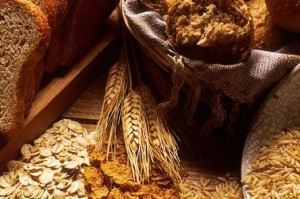
- Fiber! Fiber is very beneficial in combating heart disease. Incorporating more whole grains (and fruits, veggies, and beans/lentils) into your diet will increase your fiber and aid in heart health. Oatmeal, brown rice, wild rice, whole grain noodles, whole grain breads, and even popcorn are considered whole grains. Aim to get at least 25-35 g/day.
- Choose lean proteins. Decreasing the amount of saturated fat in your diet will help reduce plaque buildup. Choose white meat poultry without the skin, 90% or greater lean hamburger, fish, beans, etc….stay away from processed meats! Fatty fish such as salmon, tuna, herring, and trout offer additional benefits as they are loaded with healthy omega 3 fatty acids.
- Choose healthy fats. Incorporating more plant fats such as canola oil and olive oil into your diet and reducing your intake of saturated and trans fats has been shown to improve heart health. You want to choose foods that are lower than 5-8g of total fat per serving and <3g saturated and trans fat per serving. Choosing low fat dairy products will help reduce the amount of saturated fat in your diet as well.
- Hold the salt! Excess sodium can increase blood pressure and cause heart failure. Aim to keep your sodium intake below 2400mg/day. You can do this by doing more home cooking, avoiding boxed or packaged goods, cooking with salt free seasonings, and not using table salt.
- Exercise! At least 30 minutes of exercise a day has been shown to improve heart health. If you can do more, the better!
Making small changes or substitutions will help you have a healthier heart and reduce risk for disease. Reading labels is really essential to help you make good choices, so take some time in the grocery store and really examine the products to ensure you’re making healthy choices!
-Kelsey
by kelsey | Jan 30, 2014 | Cooking Tips, Diabetes, Diet, Food, Weight Management

One of the most challenging aisles in the grocery store is the cereal and granola bar aisle as there are so many choices and it’s hard to know what’s good and what’s not! For those regular followers of our blog, you probably know by now that you should choose a whole grain cereal, but from there…how do you decipher which choice is better than another?! Well, let’s start with the basics…you want to avoid any of the real high sugar cereals such as Lucky Charms, Cocoa Pebbles, etc due to their high levels of white, refined sugars.
Here are some tips to help you make a healthy choices:
• 8 grams (g) of sugar or less/serving, if the cereal contains 3 g or less of fiber/serving
• 16 g or less of sugar/serving, if the cereal contains 5 g or more of fiber/serving
Note: raisin bran contains 20 g of sugar/serving and is the exception to the rule—still a great choice due to its higher fiber content)
• Instant hot cereals should contain no more than 100-150 milligrams (mg) of sodium/serving. A better choice is cooking oatmeal the old fashioned way on the stove from the canister as the instant packets have a lot of sodium.
In addition, be sure to fully read the nutrition facts label and not rely on the manufacturers marketing claims as they can often be misleading!
A way to make breakfast a more balanced meal is to add a source of protein and a serving of fruit to your meal. With the balance of protein, fiber found in your cereal, and some natural sugars, you are set to start your day off in a great way!
-Kelsey
by kelsey | Jan 23, 2014 | Cooking Tips, Diet, Food, Weight Management, Wellness/Health, Winter
The weather is the “talk of the shop” lately as it seems like we have had blizzard conditions every day or every other day and the temperatures are bitter cold. This undesirable weather sure makes us cranky and crabby as we wait for warmer temps and spring to come. It’s very hard to get motivated to do anything on cold and blustery days as we’d rather just curl up in a blanket in our sweatpants and watch a movie. Even though we may feel like being a bum, it’s still a good time to get a little workout in which will help raise your body temperature and give you more energy throughout the day. The activity can also produce natural endorphins boosting your mood and improving the symptoms of seasonal affective disorder.
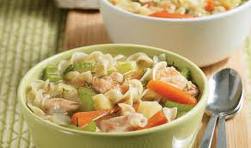
We also typically eat more soups, stews, and hot-dishes on days like this. If you are watching your waist line, it’s important to be careful of how much you consume of these foods as they can be high in calories, fat, and carbs… depending on how you prepare them. Broth based soups and stews are lower in calories and fat than cream based. In addition, if you’re making a hot dish, you may consider cutting calories by choosing fat free soups to add to your dish, such as fat free cream of chicken or mushroom soup. They also have low sodium varieties of these so if you’re watching your blood pressure or sodium intake, you may consider using this variety. And, as always, be sure to incorporate your lean proteins and plenty of fruits and veggies to your meal. You may consider doubling the veggies in your soups to make them a bit heartier and healthy. Two of my favorite cold weather meals are my mom’s beef stew that has carrots, peas, potatoes, onion, and roast meat and her chicken noodle soup that also has plenty of veggies with white meat chicken. Nothing beats either of these on a cold winter day!
Lastly, if you are not meeting the daily recommendations for health based on MyPlate, you may consider adding a multivitamin to ensure you are meeting your nutrient needs to help you stay healthy. Be sure to choose one with Vitamin D as most of us are low in D due to the lack of sunlight we see in the winter months.
Stay warm and safe!
-Kelsey
by kelsey | Jan 14, 2014 | Cooking Tips, Diet, Food, Weight Management
It’s the end of the day and you’re tired and ready to relax on the couch, but you must first cook yourself supper….a daunting task at times. You’re not sure what to make and you really don’t feel like putting a whole lot of effort or time into it, so you settle for a frozen meal, boxed dinner, or calling in pizza. Sound familiar? I too have felt this way and it’s a terrible feeling! You know you need to make healthy choices, but you lack the energy to do carry them out so you resort to an unhealthy, quick and convenient type of food. On the days I am in the clinic, I typically get home around 7:15-7:30pm as I work till 7. The last thing I feel like doing is spending hours in the kitchen working on a meal. To help me make better choices and save on time, I have turned to meal planning and batch cooking. On a weekend day that I have a little bit of time, I look at my schedule for the next week and figure out a basic plan of what I’m going to make or have prepared based on the schedule. On the days I have a little more time for making supper, I choose a meal that may involve a little more prep time. On the days I am short on time, I choose a quicker meal. I then make sure I have everything needed to make those meals and that always includes the basics meal planning step of ensuring I have a fruit, vegetable, whole grain, and lean protein. I like to use frozen veggies as they are something I can always have on hand and the steamer bags are easy to pop in the microwave and cook up in a few minutes. You will want to take your meat out of the freezer to un-thaw (in the fridge!) and you may even consider doing some prep work if you can.
To help you understand how this is put into action, I will give you some examples. This weekend, I decided I was going to have spaghetti and salad one night, chicken noodle soup and grilled paninis one night, and another night chicken tacos. I took the lean hamburger out to thaw for the spaghetti and made sure I had salad on hand. I made a batch of chicken noodle soup so that it’s all ready to eat when we are ready and I slow cooked a few chicken breasts in the crockpot so they were ready for the tacos. When it comes to supper time this week, I am ready! I have everything prepped and on hand now to make meal time enjoyable and healthy. Some other options for batch cooking are to brown up 2lbs of lean hamburger and use them in several recipes over the course of the week: tacos, chili, spaghetti, etc. You can also do this with chicken. Another favorite of mine is pork loin or roast. Slow cook it on the weekend and then it’s ready to go to make into soups, have with some potatoes and green beans, make into sandwiches and add a salad or soup to it, etc. Make sure you incorporate your fruit and veggies with your meals!
It may take some getting used to, but if you haven’t already, I encourage you to batch cook and meal plan. You will be amazed by how much easier and enjoyable supper time is!
-Kelsey
by kelsey | Dec 18, 2013 | Cooking Tips, Diet, Food, Holidays, Weight Management, Wellness/Health

Calories and fat consumed over the holiday season can really add up and pack on the pounds over just a few months. Making simple and still delectable swaps in the traditional holiday meal will save you calories and fat in the long run.
Eat this Not that
3 oz Light Meat Turkey 3 oz Prime Rib
125cal 222cal
3g fat 18g fat
25.6g Pro 15g Pro
The big difference between the two proteins is the fat and fat calories. Prime Rib is the part of beef that has some of the highest fat amount, along with the ribs. Boneless and skinless turkey, chicken and fish are lean, or lower in fat. Sometimes the lean meats also provide higher amounts of protein, which will keep you full longer. Another good substitute would be sirloin over the prime rib.
½ C Whole Wheat
Stovetop Stuffing 1 Pillsbury Biscuit
150cal 170cal
1.5g fat 6g fat
3g Pro 3g Pro
Although close calorically, the whole wheat stuffing also provides 3g of filling fiber compared to the 0.5 g in a biscuit. And besides, stuffing is unique to the holiday season whereas biscuits you can have any time of year!
Mulled Wine (1/2 C) Egg Nog (1/2 C)
90cal 170cal
0g Fat 9g Fat
4 g Sugar 18g Sugar
If you decide to have a festive holiday cocktail remember that most are loaded with sugar and empty calories, so consume in moderation. Beverages such as wine and champagne are the better options compared to egg nog or hot buttered rum.
1 Inch Fudge
90cal
2.5g Fat
3 pieces (1/2 oz) Peanut Brittle
73cal
2.5g Fat
Molasses Cookie (2 inch) Pecan Pie (1/8 pie)
57 cal 503 cal
2g Fat 27 g Fat
Candy Cane
55cal
0g Fat
Frosted Sugar Cookie (2 inch)
160 cal
6g Fat
435cal
13 g Fat
All of these treats add up to less calories than a piece of pecan pie! Now I am not saying to eat all these treats, but if you do have a sweet tooth, and like trying everything, you are still able to do so if you keep your portion sizes reasonable. All of the sweets are still considered empty calories and contain enough sugar for a week, but by swapping out better choices you will save excess fat and calories over the holiday.
-Submitted by Lauren Lambert, USD Dietetic Intern
